If you’re looking to focus, closed-back headphones are your best bet because they block out external noise with their soundproof design, helping you concentrate and avoid distractions. Open-back headphones, while offering a natural and spacious sound, tend to leak sound and let in background noise, which can hinder focus. Choosing the right one depends on your environment and priorities. Keep exploring to discover how to pick the perfect headphones for your needs.
Key Takeaways
- Closed-back headphones provide superior sound isolation, ideal for focused work in noisy environments.
- Open-back headphones offer a natural soundstage but less external noise blocking, suited for quiet settings.
- Choose closed-back models when minimizing distractions and sound leakage is a priority.
- Opt for open-back headphones in calm environments to enjoy immersive, spacious audio experiences.
- Consider environment and noise levels to select the appropriate headphone type for optimal focus.
What’s the Difference Between Closed-Back and Open-Back Headphones?
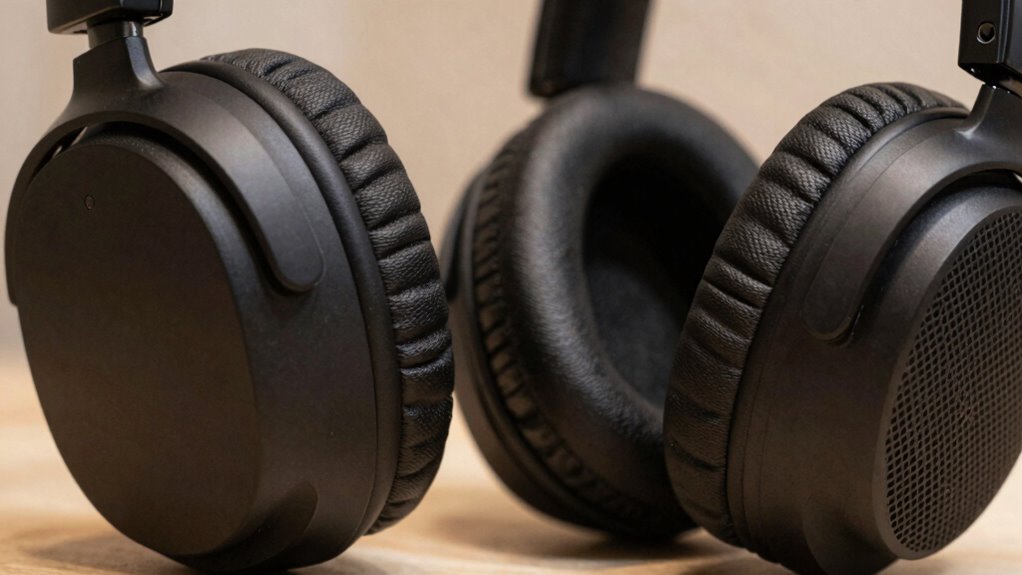
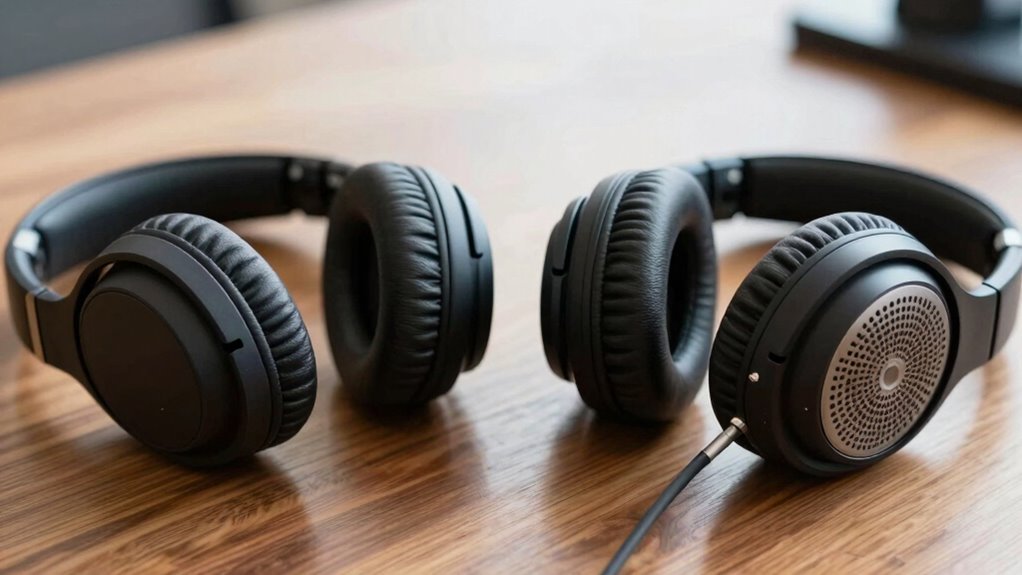
When choosing headphones for focus, understanding the difference between closed-back and open-back designs is essential. In audio engineering, headphone design impacts how sound interacts with your environment. Closed-back headphones feature sealed ear cups, providing superior sound isolation by blocking external noise. This design minimizes distractions, making them ideal for focused work. Open-back headphones, on the other hand, have ear cups that allow air and sound to pass through, resulting in a more natural sound but less isolation. They’re better suited for environments where you want a more open listening experience without completely isolating yourself. Knowing these differences helps you select the right headphones to optimize your concentration and comfort during long sessions. Each design serves different needs depending on your focus priorities.
How Does Sound Isolation Affect Your Focus and Distractions?
Sound isolation plays a significant role in how well you can focus when using headphones. If your environment has a lot of background noise, poor isolation makes it harder to concentrate because distractions seep in. High sound isolation blocks out these noises, helping you maintain steady concentration levels. When you’re shielded from external sounds, your mind can focus solely on your task without constantly adjusting to outside interruptions. This is especially true if you work in noisy places or share space with others. Good sound isolation creates a quiet bubble around you, reducing the need to increase volume or strain to hear your audio clearly. Additionally, effective sound isolation can contribute to overall recovery and HRV by reducing stress levels caused by environmental noise. Incorporating headphones with proper soundproofing can further enhance your focus and comfort during extended use. Studies have shown that noise cancellation technology significantly improves concentration and reduces mental fatigue during prolonged listening sessions. Proper earcup design also plays a crucial role in achieving optimal sound isolation, especially in high-quality headphones. Improving soundproofing materials in headphone construction can lead to even better noise attenuation, allowing for a more immersive experience. Ultimately, better isolation helps you stay immersed in your work, improving productivity and minimizing distractions.
Why Closed-Back Headphones Are Great for Concentration and Privacy
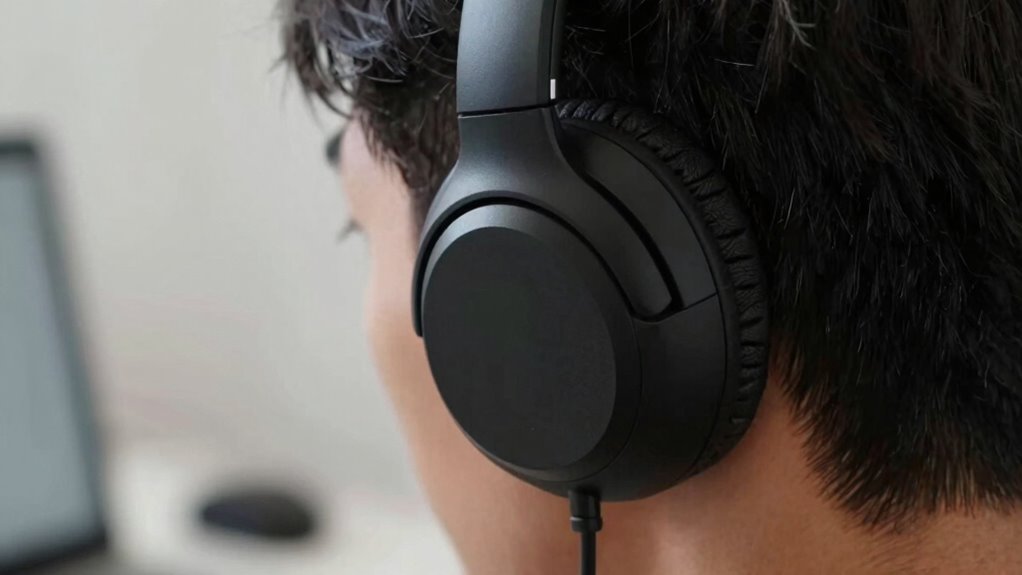
Closed-back headphones are an excellent choice for enhancing your focus and maintaining privacy because they physically block out external sounds. With advanced noise canceling technology, they minimize distractions, allowing you to concentrate deeply on your work or music. Additionally, their headphone ergonomics are designed for comfort during long sessions, ensuring a snug fit without causing fatigue. This secure seal helps prevent sound leakage, so you won’t disturb others and they won’t distract you. The combination of sound isolation and ergonomic design makes closed-back headphones ideal for environments where privacy is important, like busy offices or shared spaces. By reducing ambient noise and providing a comfortable fit, they create an immersive listening experience that boosts your productivity and keeps your focus where it belongs. Incorporating digital frames into your workspace can further enhance your environment by displaying inspiring art and gratitude lists, creating a more positive and focused atmosphere. A well-designed soundproofing setup can also significantly improve overall concentration by further minimizing external disruptions. Moreover, choosing the right headphone type can make a substantial difference in your ability to stay focused and maintain privacy throughout your work sessions. Additionally, selecting the appropriate headphone style tailored to your environment can optimize your comfort and effectiveness during extended use.
Furthermore, selecting headphones with proper noise isolation is crucial for maintaining a distraction-free environment.
When Should You Choose Open-Back Headphones for a Natural Sound?
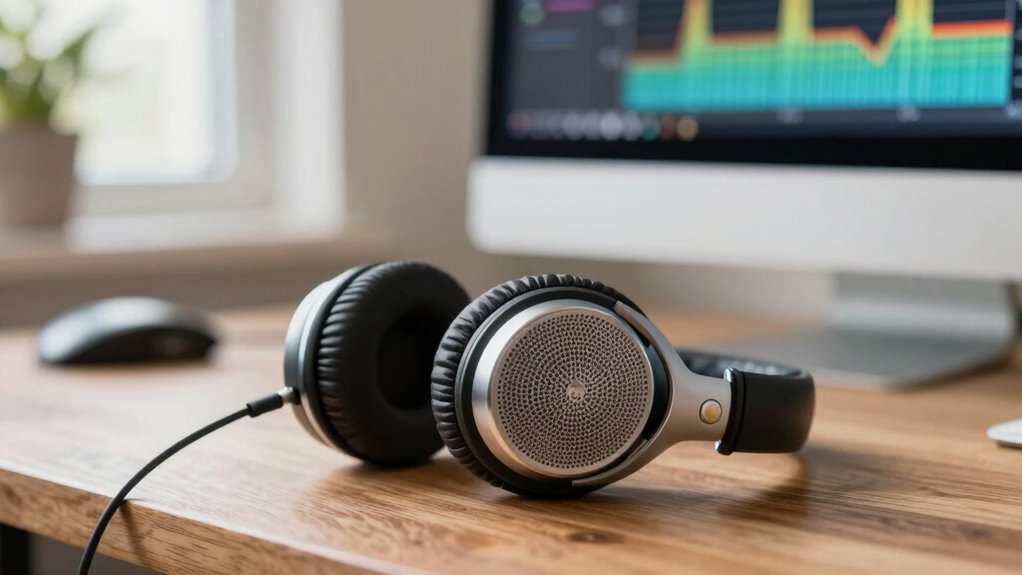
If you want a more natural soundstage that feels immersive and lifelike, open-back headphones are a great choice. They offer a more spacious audio experience but don’t block out surrounding noise as effectively. Consider them when your focus is on enjoying music or details rather than complete isolation. Additionally, open-back designs are often preferred for exploring new content formats that benefit from a more authentic sound reproduction. When working in environments where ambient noise is minimal, open-back headphones can enhance your listening experience by providing a more natural soundscape, closely resembling real-world acoustics. This design is also favored by audiophiles seeking accurate sound reproduction for critical listening. Moreover, open-back headphones are ideal for long listening sessions since they tend to be more comfortable and allow for better airflow.
Natural Soundstage Experience
When you want to experience music as if you’re in the same room with the performers, open-back headphones are the ideal choice. They create a natural soundstage that mimics real-life acoustics, making ambient music more immersive. You’ll notice how instruments and vocals seem to spread out, offering better spatial awareness. Proper headphone ergonomics also enhance comfort during long listening sessions, allowing you to enjoy the full experience without fatigue. Acoustic properties play a significant role in how open-back headphones produce a more lifelike sound. Using high-quality driver technology can further improve the clarity and realism of the audio. Use this table to compare key aspects:
| Feature | Open-Back Headphones |
|---|---|
| Soundstage | Wide, natural, lifelike |
| Ideal Music Type | Ambient, acoustic, orchestral |
| Comfort & Ergonomics | Usually more comfortable for extended wear |
| Sound Isolation | Minimal, less suited for noisy environments |
Choose open-back for a realistic, natural sound experience that elevates your music enjoyment. This type of headphone is especially beneficial for critical listening and music production where accurate sound reproduction is essential.
Reduced Sound Isolation
Open-back headphones naturally offer less sound isolation, which can be a benefit or drawback depending on your listening environment. If you’re in a quiet space and want to enjoy enhanced sound fidelity with a natural, spacious soundstage, open-back models are ideal. However, reduced sound isolation means background noise might seep in, making it harder to focus in noisy settings. This can be disruptive if you need to block out distractions or maintain privacy. Choose open-back headphones when your priority is authentic audio quality and a more immersive experience, and you don’t mind sound leakage or background noise. They’re perfect for listening at home or in quiet environments, where the open design allows you to experience music as close to live as possible. Additionally, understanding sound leakage can help you decide if open-back headphones suit your needs. Keep in mind that listening environment plays a crucial role in determining whether open-back headphones are the right choice for you.
Which Headphones Are More Comfortable for Long Listening Sessions?
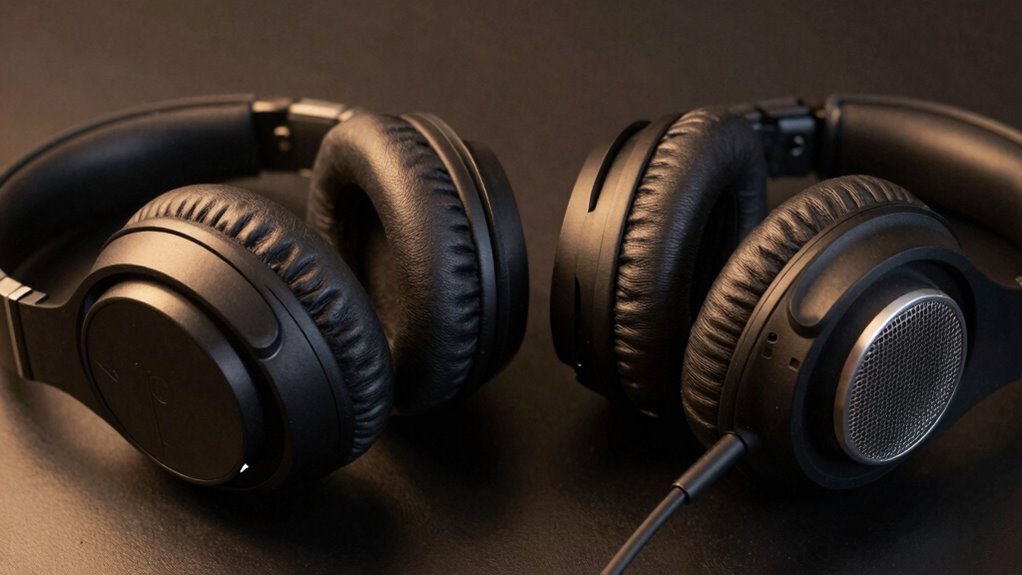
Choosing headphones that are comfortable for long listening sessions depends on several factors, including fit, padding, and overall design. An ergonomic design ensures the headphones conform to your head and ears, reducing pressure points and discomfort. Look for models with adjustable headbands and ear cups that sit softly without squeezing too tightly. Material comfort plays an essential role; padded ear cushions made from breathable fabrics or memory foam help prevent fatigue and overheating. Lightweight headphones reduce strain during extended use, making them ideal for long periods. Additionally, consider the clamping force—too tight causes discomfort, too loose affects sound quality. Proper headphone fit also plays a crucial role in comfort and sound isolation during long sessions. To enhance overall comfort, many models incorporate ergonomic design features that distribute pressure evenly across the head and ears. Incorporating adjustable features allows users to customize the fit for optimal comfort. Lastly, choosing headphones with ventilated ear cups can help keep your ears cool and comfortable over extended listening periods. Selecting headphones with breathable materials can further improve comfort by reducing heat buildup. Ultimately, the best headphones for long sessions balance ergonomic design and material comfort, allowing you to focus without distraction or physical fatigue.
Do Closed-Back Headphones Block More Noise Than Open-Back Ones?
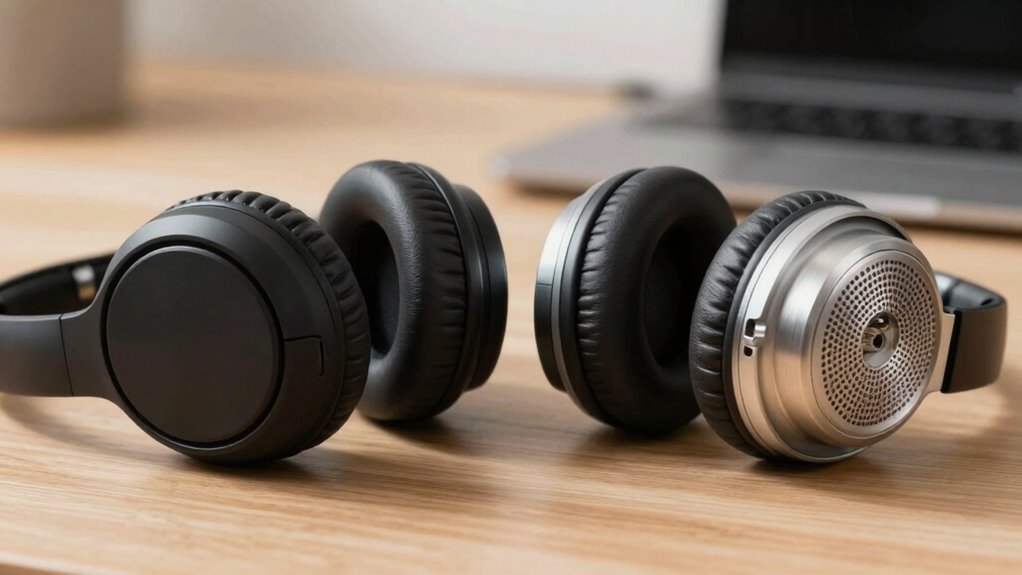
Closed-back headphones typically offer better noise isolation, helping you focus by blocking out more external sounds. Open-back designs, however, tend to leak less sound outward, making them less intrusive to others. Understanding how noise isolation and sound leakage differ can help you choose the right pair for your environment. Additionally, the soundproofing qualities of each type can influence how effectively they reduce ambient noise in various settings.
Noise Isolation Performance
When it comes to noise isolation, closed-back headphones generally outperform open-back models. The earcup materials and soundproofing techniques play vital roles in blocking external sounds. Closed-back designs typically use dense, sound-absorbing materials that seal around your ears, reducing ambient noise. Open-back headphones, by contrast, have vented earcups that allow sound to escape, making them less effective at noise isolation. To maximize noise blocking, consider headphones with thick earcup padding and tightly sealed earcups. Additionally, headphone fit affects isolation—snug, comfortable seals improve soundproofing. Keep in mind, some models incorporate advanced soundproofing techniques like internal damping or layered materials to enhance isolation further. Overall, if noise reduction is your priority, closed-back headphones are your best choice for focused listening.
External Sound Leakage
Although open-back headphones provide a more natural and spacious sound experience, they tend to leak more external sound than closed-back models. This means your surroundings might pick up more noise, making them less ideal if you want complete focus. If you work in a soundproof room or a noisy environment, closed-back headphones are better at containing sound, reducing leakage. Keep in mind, open-back designs aren’t great if you need privacy or want to avoid disturbing others. For situations where sound leakage is a concern but you prefer open-back comfort, consider earplug alternatives or additional soundproofing methods. Ultimately, your choice depends on your environment and how much external sound you’re willing to let in or out during focused work.
Which Headphones Offer Better Sound Quality and Soundstage?
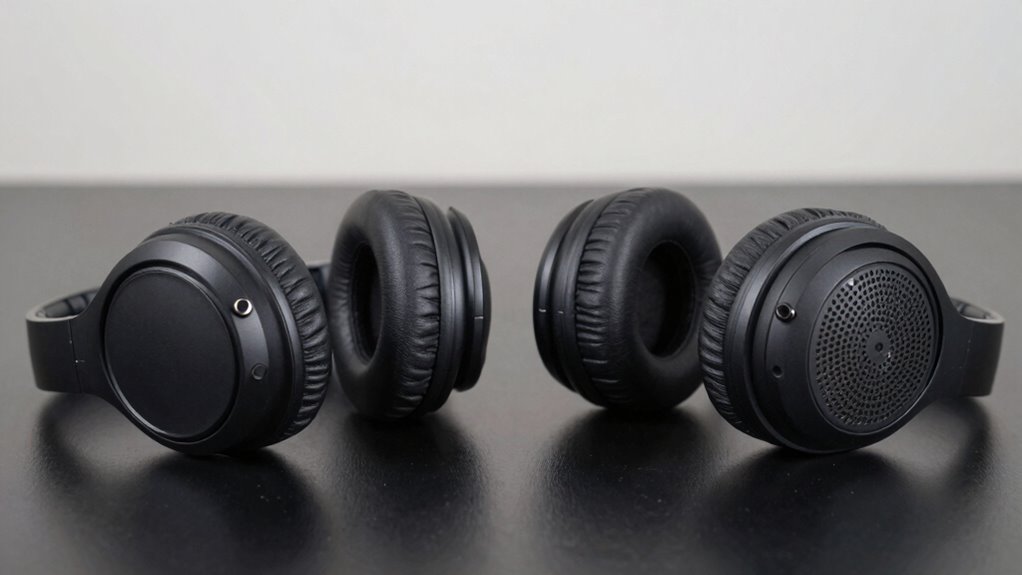
To experience the best sound quality and immersive soundstage, you need headphones that deliver clear, detailed audio with accurate spatial cues. Open-back headphones generally excel in providing superior audio fidelity and soundstage clarity, making you feel more immersed in your music or work. They often produce a wider, more natural soundscape, highlighting instrument separation and depth. Closed-back headphones may offer good sound quality but tend to focus more on isolating sound, which can limit the soundstage. Consider these factors:
- Open-back headphones create a more expansive soundstage
- Closed-back designs provide better bass response
- Open-backs reveal more nuanced details in recordings
- Closed-backs reduce external distractions
- Both types can deliver high audio fidelity, depending on quality
Choosing the right depends on your priority: immersive sound or isolation.
Best Use Cases: When to Pick Closed-Back or Open-Back Headphones
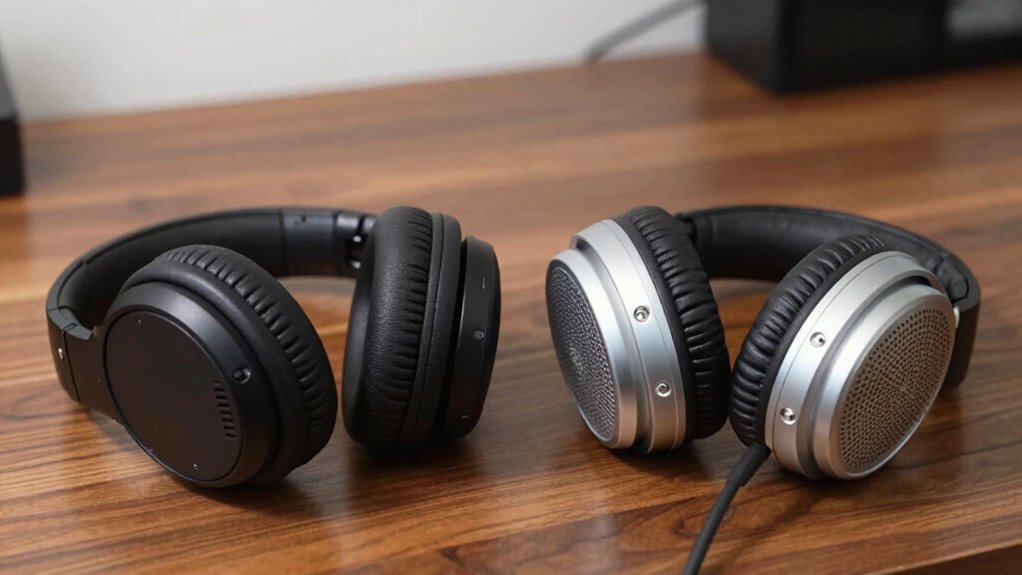
Choosing the right headphones depends on your specific needs and environment. If you work with diverse music genres like classical or jazz, open-back headphones enhance soundstage and clarity, making details more immersive. They’re ideal for focused listening at home or in quiet settings, where natural sound and comfort matter. Closed-back headphones are better when you need isolation, such as during studio recordings or in noisy environments, helping you stay focused without distractions. Their headphone ergonomics often provide a snug fit for extended use. For tasks requiring critical listening or mixing, open-backs offer a more natural, spacious experience. Conversely, closed-backs excel in environments where external noise must be blocked out. Understanding these use cases helps you choose headphones that match your listening habits and environment perfectly.
How to Choose the Right Headphones Based on Your Environment and Needs
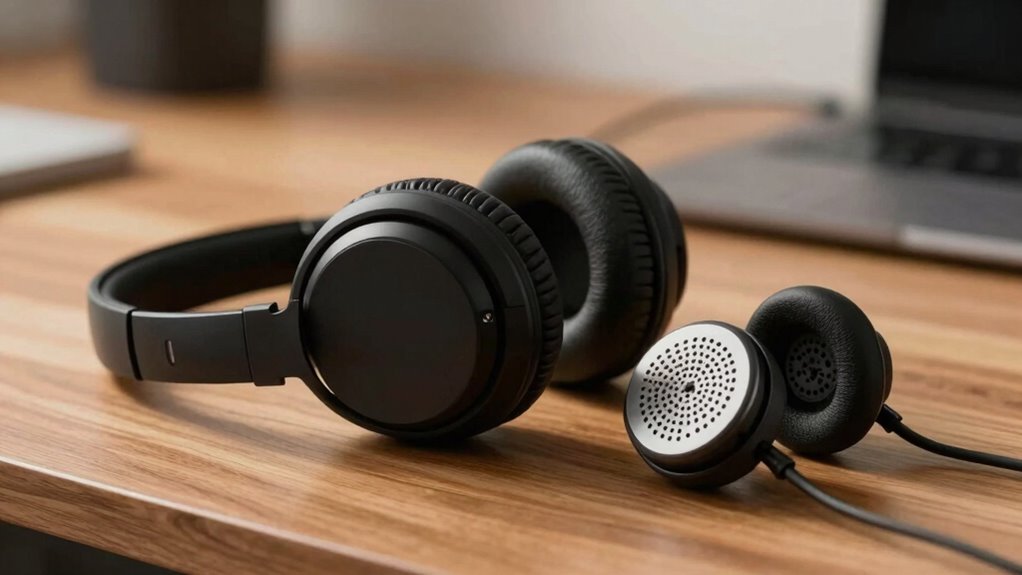
Choosing the right headphones depends on your environment and what you need to do. If noise levels are high, noise-canceling models can help you focus. Consider how portable you need your headphones to be, especially if you’re on the go or moving around frequently.
Environment Noise Levels
Your environment’s noise levels play a crucial role in selecting the right headphones for focus. If ambient noise is high, you’ll want headphones with effective soundproofing techniques, like closed-back designs or noise-canceling features. For quieter settings, open-back headphones might suffice, offering a more natural sound without needing complete isolation. Consider these factors:
- Heavy ambient noise calls for noise-canceling or soundproofed headphones
- Quiet environments allow open-back designs for better sound quality
- Noise-sensitive tasks benefit from soundproofing techniques in closed-back headphones
- Open-back headphones are ideal if you want awareness of your surroundings
- Use ear cups that fit snugly to reduce ambient noise infiltration
Matching your environment’s noise levels ensures you choose headphones that keep distractions out and focus sharp.
Activity and Portability
The activity you plan to do and how portable your headphones are considerably influence your choice. If you’re commuting, working out, or traveling, look for lightweight, wireless options offering convenience. Wireless convenience means fewer cords, easier movement, and better focus on the task. For travel compatibility, foldable or compact designs fit easily in bags or pockets. Consider your environment: open-back headphones may be great at home but less suitable on the go due to sound leakage. Use the table below to visualize different scenarios:
| Activity | Portability Needs | Ideal Headphone Type |
|---|---|---|
| Commuting | Compact, lightweight | Wireless, foldable |
| Traveling | Small, easy to pack | Travel-friendly, wireless |
| Office Work | Moderate portability | Wireless or wired |
| Gym/Exercise | Lightweight, secure fit | Wireless, sweat-resistant |
| Home Use | Less portable, larger size | Open-back or closed-back |
Tips to Maintain Your Headphones and Maximize Focus During Listening
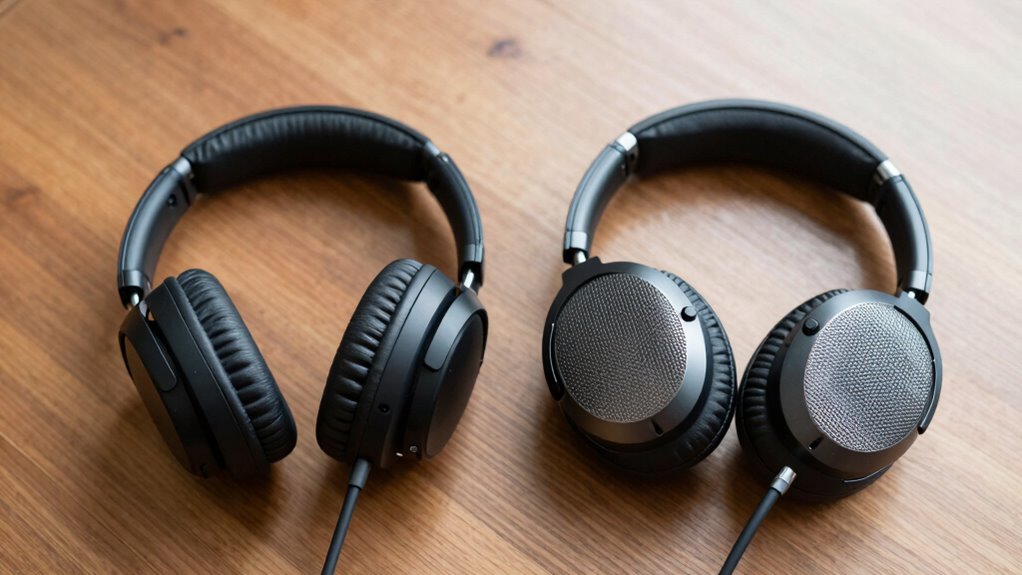
To keep your headphones performing at their best and stay focused during your listening sessions, regular maintenance is essential. Proper ear pad maintenance helps preserve headphone durability and ensures comfort. Clean your ear pads gently with a damp cloth weekly to prevent buildup and skin oils from degrading materials. Store headphones in a case or on a stand to avoid unnecessary wear. Avoid exposing them to extreme temperatures or moisture. Check cables for damage regularly and replace them if needed. Keep your headphones dry and free of dust. Additionally, avoid twisting or pulling cords forcefully. Regularly inspecting and caring for your headphones prolongs their lifespan and maintains ideal sound quality, helping you stay focused longer during your sessions.
Frequently Asked Questions
Can Open-Back Headphones Cause Sound Leakage in Quiet Environments?
Yes, open-back headphones can cause sound leakage in quiet environments. When you use them, the sound escapes through the open design, making it audible to those nearby. If you’re in a quiet space and want to avoid disturbing others, open-back headphones might not be ideal. They’re great for natural sound, but keep in mind that sound leakage could be an issue in silent settings.
Are Closed-Back Headphones Suitable for Outdoor Use?
Sure, closed-back headphones are great for outdoor use, right? They block out noise cancellation, so you can enjoy your music without interruption. Plus, their portability makes them perfect for on-the-go listening. Just be aware—they might not be as breathable or comfortable for long walks, but hey, who needs fresh air when you’ve got immersive sound? So, yes, they’re suitable and practical for outdoor adventures.
How Do Headphone Materials Affect Comfort During Long Sessions?
The materials of your headphones greatly influence comfort during long sessions. Breathable materials like mesh or memory foam padding help prevent overheating and sweat buildup, keeping you comfortable. Soft padding provides better cushioning and reduces pressure on your ears and head. Choosing lightweight, breathable materials guarantees you stay focused without discomfort, especially during extended use. Prioritize headsets with quality padding and breathable fabric to enhance your listening experience and maintain comfort over hours.
Do Open-Back Headphones Require More Careful Handling?
You might think open-back headphones are more fragile, but ironically, they often require more careful handling due to their delicate open design, making durability concerns real. Unlike closed-back models, which are sturdier and better suited for rougher use, open-backs can easily be damaged if mishandled. So, if you want longevity, handle them gently, or you might end up replacing your headphones more often than you’d like.
Which Headphone Type Offers Better Durability and Longevity?
You’ll find that closed-back headphones generally offer better durability and a longer lifespan because they’re built with more robust materials designed to withstand daily use. They tend to have sturdier ear cups and stronger headbands, making them more resistant to wear and tear. Open-back headphones, while providing better sound quality and ventilation, often feature lighter materials that may not last as long under frequent handling.
Conclusion
Choosing between closed-back and open-back headphones is like picking the right tool for a job—you need the perfect fit to unseal your focus. Consider your environment, comfort, and sound preferences to find your ideal match. When you do, you’ll turn your headphones into a trusty lighthouse guiding you through distractions and toward clarity. Make the right choice, and let your focus shine brighter than ever before.