Understanding APS-C vs. full-frame sensors helps you decide which camera fits your needs. APS-C cameras are smaller, more affordable, and great for beginners and travel, but they have limitations in low-light and background blur. Full-frame sensors offer better image quality, especially in challenging lighting, and create a more professional look. Knowing these differences lets you choose wisely; keep exploring to discover which sensor size suits your photography goals best.
Key Takeaways
- Full frame sensors are larger, capturing more light for better low-light performance and image detail.
- APS-C sensors are smaller and more affordable, offering portability and a wide selection of compatible lenses.
- Larger sensors create a shallower depth of field, providing more background blur and a professional look.
- Smaller APS-C sensors have a crop factor, magnifying subjects and affecting focal length choices.
- Your choice depends on budget, photography style, and desired image quality; full frame suits professional needs, APS-C is great for beginners.
What Do Sensor Sizes Mean?

Have you ever wondered why some cameras produce sharper images than others? It often comes down to sensor size, which impacts sensor compatibility and image depth. Larger sensors generally gather more light, resulting in better detail and reduced noise, especially in low-light situations. This increased light gathering capability also enhances dynamic range, allowing for more detail in highlights and shadows. It means your camera can capture a wider range of tones and textures, enhancing the overall image quality. Sensor size also influences image depth, giving your photos a more three-dimensional look with better background separation. Larger sensors typically allow for wider apertures, which can create more aesthetically pleasing backgrounds and better control over depth of field. Additionally, larger sensors can contribute to a more professional look, making your photos stand out with a richer quality. Smaller sensors might struggle to deliver the same level of detail, making the images appear flatter. Understanding these differences helps you choose a camera that matches your needs, whether you’re after sharpness, depth, or a combination of both. Recognizing the impact of sensor size on image quality is essential for making an informed purchase.
How Does Sensor Size Affect Your Photos?
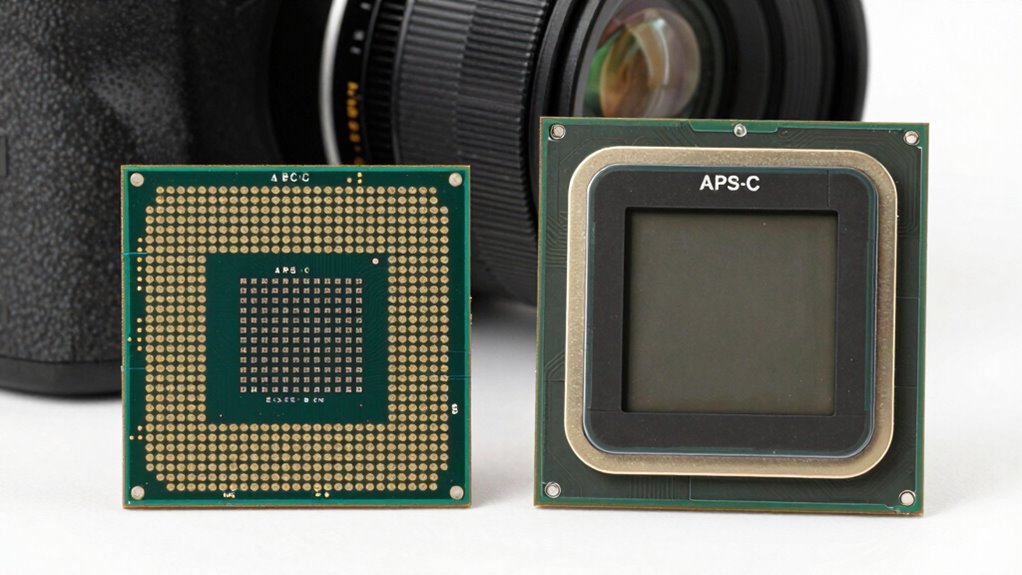
Sensor size directly impacts the quality and characteristics of your photos. A larger sensor, like full frame, captures more light, resulting in better image detail and improved performance in low-light conditions. Conversely, smaller sensors, such as APS-C, have a noticeable sensor crop effect, which magnifies the subject and increases the apparent focal length. This crop can be beneficial for telephoto shots but may limit wide-angle capabilities. Additionally, sensor size influences depth of field; larger sensors produce a shallower depth of field, creating a pleasing background blur. Understanding sensor size is essential for photographers aiming to optimize their camera setup for specific styles and shooting conditions. Overall, your choice affects how your photos look, especially regarding image detail, exposure, and depth. Recognizing how sensor size impacts image quality helps you select a camera that aligns with your photography style and goals. Moreover, sensor size and image resolution work together to determine the overall clarity and detail in your photographs.
Pros and Cons of APS-C Cameras for Beginners
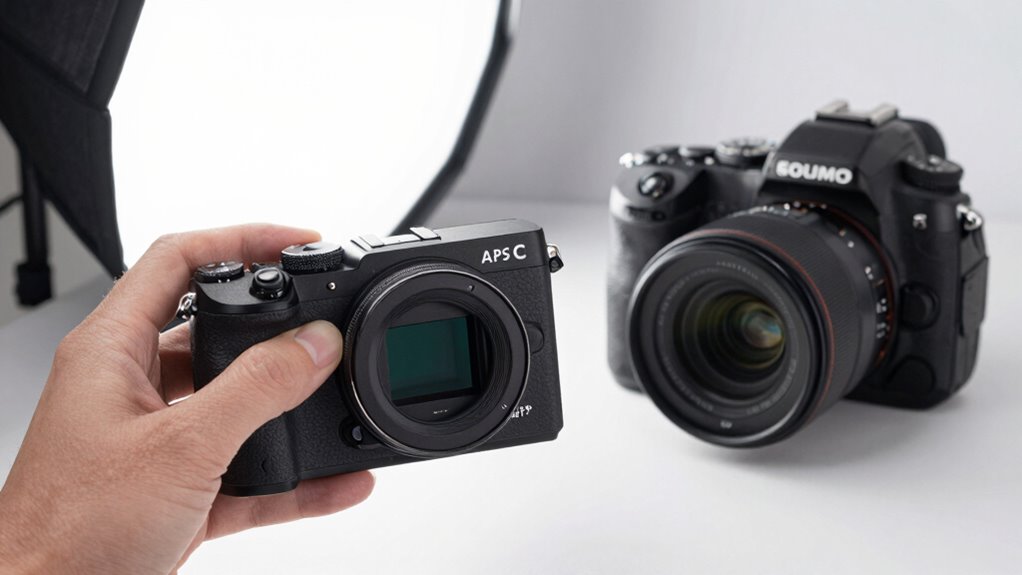
APS-C cameras offer an excellent balance for beginners, combining affordability with solid performance. Their sensor cost is lower than full-frame models, making them budget-friendly while still delivering high-quality images. Lens compatibility is another advantage, as many manufacturers offer a wide range of affordable lenses designed specifically for APS-C sensors. This extensive lens selection allows for customizable vehicle protection options that suit various shooting styles. This means you can start with a versatile kit without breaking the bank. Additionally, the sensor size influences the depth of field and low-light performance, which are important factors for new photographers to consider. The smaller sensor size also impacts the low-light capabilities, making it essential to understand the limitations when shooting in darker environments. However, there are some downsides. The smaller sensor can limit low-light performance and depth of field control compared to full-frame options. Additionally, while lens choices are plentiful, some professional-grade lenses might be more expensive or less common. Overall, APS-C cameras are a great starting point for those new to photography, offering a manageable size, cost, and performance balance.
When Should You Consider a Full Frame Mirrorless Camera?
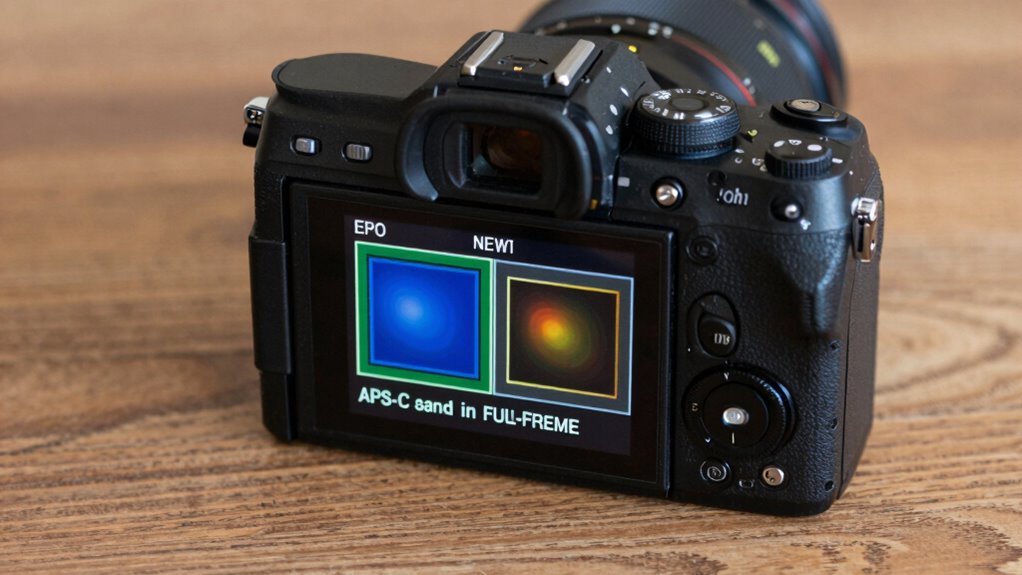
You should consider a full-frame mirrorless camera when you want the highest image quality and better performance in low-light conditions. Full-frame sensors excel at capturing more light, resulting in sharper images with less noise. However, they come with higher sensor costs and increased camera weight, which may affect portability. If you’re a professional or enthusiast who values image detail and low-light flexibility, a full-frame camera is a smart choice.
| Feature | Benefits |
|---|---|
| Sensor Cost | Higher investment, but better quality |
| Camera Weight | Heavier, less portable |
| Image Quality | Superior detail and clarity |
| Low-Light Performance | Better noise control |
| Depth of Field | More background blur (bokeh) |
Which Sensor Size Is Best for Your Photography Goals?

Choosing the right sensor size depends on your specific photography goals. If you prioritize portability and affordability, an APS-C sensor offers a good balance, with wider sensor compatibility and a broad selection of lenses. It’s ideal for everyday shooting, travel, and beginner photographers. On the other hand, full frame sensors excel in low-light conditions, offering better image quality and depth of field control. However, they require more specialized lens selection and often come with higher costs. Consider how your preferred subjects and shooting style influence your choice. If you want versatility and ease of use, APS-C might suit you best. For professional-quality images with more creative control, a full frame sensor could be the better fit. Ultimately, your decision hinges on aligning sensor compatibility with your photography aspirations.
Frequently Asked Questions
How Does Sensor Size Impact Lens Selection and Compatibility?
Sensor size directly affects lens compatibility and focal length choices. With a smaller APS-C sensor, you’ll need lenses designed for crop sensors, which often have a narrower field of view, effectively multiplying focal length. Full-frame sensors work with a broader range of lenses, including those designed for larger sensors. Understanding these differences helps you select lenses that deliver ideal image quality and framing for your camera’s sensor size.
Are There Significant Cost Differences Between APS-C and Full-Frame Cameras?
You’ll find that APS-C cameras generally cost less, making them ideal for budget-conscious photographers. Full-frame models, however, tend to be more expensive initially and for lenses, due to their advanced sensors. When considering your budget, weigh the cost comparison carefully—while full-frame offers better image quality, APS-C provides excellent value. Ultimately, your choice depends on balancing your budget considerations with your photography goals.
Can I Upgrade My Sensor Size Without Changing My Existing Lenses?
You can upgrade your sensor size without changing lenses by using a lens adapter, but keep in mind the sensor crop factor. An APS-C sensor will crop the image, making your lenses appear more zoomed-in, which may not match your full-frame lenses’ field of view. Be aware that some features might be limited, so check if your camera and lenses are compatible with the adapter to guarantee peak performance.
How Does Sensor Size Influence Low-Light Photography Performance?
You’ll notice that larger sensors, like full frame, perform 2-3 stops better in low-light situations. This means less sensor noise and sharper image quality in dim conditions. With bigger sensors, your camera captures more light, reducing graininess and delivering clearer photos. So, upgrading to a full-frame sensor considerably improves low-light performance, giving you cleaner shots without needing extra lighting or long exposures.
What Are the Maintenance and Durability Considerations for Different Sensor Sizes?
You should regularly perform sensor cleaning to prevent dust buildup, especially if you switch lenses often. Full-frame sensors tend to be more dust-resistant due to their size, but both sensor types benefit from protective covers and careful handling. Keep your camera in a dust-free environment when not in use, and avoid exposing it to harsh conditions to maintain durability and guarantee ideal performance over time.
Conclusion
Choosing between APS-C and full frame depends on your photography goals. For instance, if you love capturing wide landscapes, a full frame might be your best bet. But if you’re just starting out and want versatility without breaking the bank, an APS-C camera works great. Ultimately, understanding these differences helps you pick the right gear. Think of it like choosing the right tool—you’ll create better photos once you match your camera to your passions.