
TL;DR

Get health and wellness essentials delivered free with Prime
- Fast, free delivery on millions of items
- Prime Video, Amazon Music and more included
- Member-only deals all year
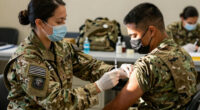
The military is requiring all new recruits to receive flu vaccines at an Air Force base currently experiencing an outbreak. This measure aims to prevent further spread among personnel. Details on the outbreak’s scope and response are still emerging.
The military has mandated flu vaccinations for all new recruits at an Air Force base that is currently dealing with an outbreak of influenza among its personnel, according to official statements. This policy aims to contain the spread of the virus and protect readiness as the outbreak continues.
Officials confirmed that the policy requiring flu shots for all incoming recruits was implemented this week at the Air Force base. The outbreak has affected dozens of personnel, prompting health and military officials to act swiftly to prevent further transmission. The vaccination requirement is part of a broader health response, which includes increased testing and sanitation measures.
Military health authorities have not disclosed the exact number of cases or the specific location of the outbreak within the base. The outbreak was first identified last week, and the vaccination mandate was announced shortly afterward to mitigate the risk of a larger spread among new personnel arriving at the facility.
Implications for Military Readiness and Public Health
This development highlights the military’s proactive approach to managing infectious disease outbreaks, especially within high-density environments like bases. Requiring flu vaccines for recruits could reduce illness-related absences and maintain operational readiness. It also underscores ongoing public health efforts within military institutions to prevent widespread outbreaks that could impact national security.
Products Worth Considering

Oral-B iO Series 3 Rechargeable Electric Toothbrush for Adults, Black, 3 Modes, 2 Brush Heads and Travel Case

Blueair Blue Pure 511i Max Smart Air Purifier

Garmin Forerunner 165 GPS Running Smartwatch, 43 mm, Black
As an affiliate, we earn on qualifying purchases.
Background on Military Flu Policies and Recent Outbreaks
The military has historically emphasized vaccination programs to protect personnel from infectious diseases, including influenza. During the COVID-19 pandemic, vaccination mandates became more prominent. This current outbreak at the Air Force base is the latest example of the military adapting health protocols to emerging threats. Similar outbreaks have occurred in other military settings, prompting ongoing reviews of vaccination and health measures.
“We are taking all necessary steps to protect our personnel, including mandatory flu vaccinations for incoming recruits during this outbreak.”
— Air Force Public Health Officer
Extent of the Outbreak and Long-Term Impact Still Unclear
It is not yet clear how many personnel have been affected overall or how widespread the outbreak is within the base. Details about the severity of cases and whether other health measures are in place remain undisclosed. The full scope and duration of the outbreak are still developing.
Monitoring and Future Health Measures at the Base
Health officials will continue monitoring the situation closely, with updates expected on the outbreak’s progression and the effectiveness of the vaccination mandate. The military may adjust health protocols as needed based on ongoing assessments, and further guidance for personnel is anticipated in the coming weeks.
Key Questions
Why is the military requiring flu vaccines now?
The military is requiring flu vaccines for recruits at an Air Force base experiencing an outbreak of influenza to prevent further spread and protect personnel health.
How many people are affected by the outbreak?
It is not yet clear how many personnel have been affected; officials have not disclosed specific numbers or the outbreak’s full scope.
Is this policy temporary or permanent?
The vaccination requirement appears to be a temporary measure in response to the current outbreak, with future policies depending on the situation’s evolution.
Could this lead to broader vaccination mandates?
While this specific mandate targets recruits during the outbreak, it may influence future health policies, but no broader mandates have been announced at this time.
Will other military bases implement similar measures?
It remains to be seen if other bases will adopt similar policies; officials are assessing the situation and may extend measures if outbreaks occur elsewhere.
Source: google-trends