
TL;DR
The Pentagon has restored mandatory flu shots for all recruits after a recent outbreak at boot camp. The move aims to prevent further spread of influenza among military trainees. Details about the outbreak’s severity and scope are still emerging.
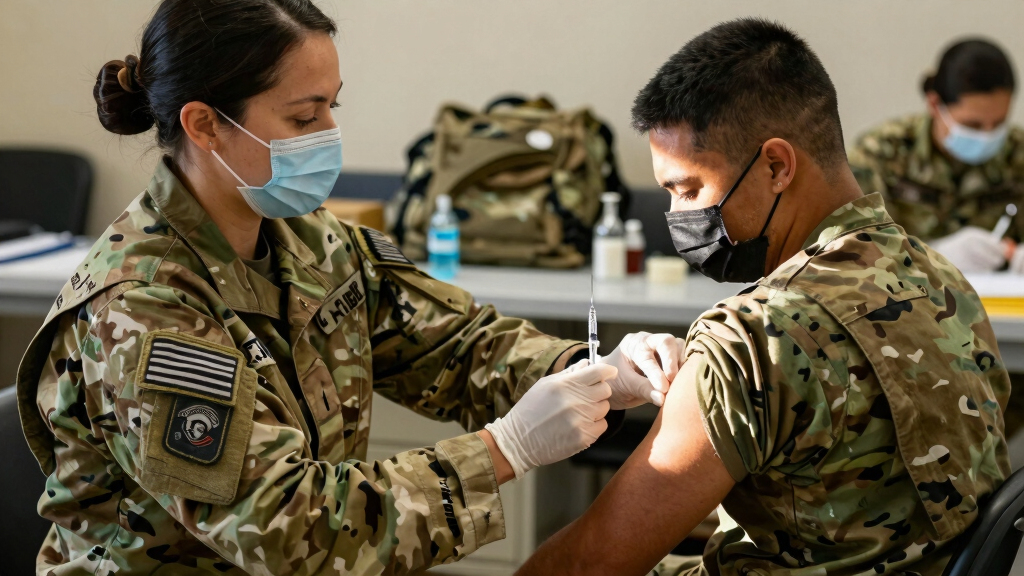
The Pentagon has announced the reinstatement of mandatory flu vaccinations for all new military recruits following a recent influenza outbreak at boot camp, marking a reversal of previous policies. Learn more about military requiring flu vaccines. This move aims to contain the outbreak and protect the health of trainees and staff amid ongoing concerns about infectious diseases in military training environments.

Get health and wellness essentials delivered free with Prime
- Fast, free delivery on millions of items
- Prime Video, Amazon Music and more included
- Member-only deals all year
According to Pentagon officials, the decision was made after an outbreak of influenza was identified at one of the military’s primary boot camps. The outbreak has reportedly affected hundreds of recruits, prompting health officials to reintroduce the requirement for all incoming trainees to receive the flu vaccine. The policy change was officially announced on March 2024, with military health authorities emphasizing the importance of vaccination in preventing the spread of contagious illnesses among recruits.
Military sources confirmed that the outbreak is currently being contained, with medical teams providing treatment and monitoring. The flu season’s severity this year, combined with the close quarters of boot camp living arrangements, has contributed to the rapid spread of the virus. The Pentagon’s decision aligns with efforts to maintain operational readiness and safeguard the health of service members during training.
Why Reinstituting Flu Shots Is a Strategic Move
This policy change is significant because it highlights the military’s prioritization of health and readiness amid infectious disease concerns. Reinstating mandatory flu vaccinations aims to reduce illness-related disruptions in training schedules, prevent outbreaks from escalating, and protect the broader military community. The move also signals a shift back toward stricter health protocols that were relaxed during the COVID-19 pandemic.
Products Worth Considering

Withings ScanWatch Light Hybrid Smartwatch – White

Coway Mighty Air Purifier AP-1512HH(W), White

Oura Ring 4 Smart Ring, Silver, Size 8
As an affiliate, we earn on qualifying purchases.
Background on Flu Policies in Military Training
Historically, the U.S. military has mandated flu vaccinations for recruits during flu seasons to prevent outbreaks that could impair training and operational readiness. During the COVID-19 pandemic, some policies were temporarily relaxed or modified, but health officials have emphasized the importance of vaccination in maintaining force health. The recent outbreak at boot camp prompted a reevaluation of these policies, leading to the decision to restore mandatory flu shots.
The outbreak’s specifics, including the number of affected recruits and the exact location, have not been fully disclosed, but officials confirm that the situation was serious enough to warrant policy change. This reflects ongoing concerns about infectious diseases in close-contact environments like military training facilities.
“Reinstating mandatory flu vaccinations is a critical step to protect our recruits and ensure the continuity of training programs.”
— Pentagon spokesperson
Extent and Impact of the Outbreak Still Unclear
Details about the total number of affected recruits, the severity of the illness, and the specific location of the outbreak have not been fully disclosed. It is also unclear whether additional measures, such as quarantine or enhanced health protocols, are being implemented beyond vaccination requirements.
Monitoring and Future Policy Adjustments Expected
Health officials will continue to monitor the situation closely, with updates expected as more information becomes available. The military may consider further policy adjustments based on the outbreak’s progression and the effectiveness of current measures. Recruits arriving at boot camp in the coming weeks will be required to receive the flu vaccine, and ongoing health surveillance will determine if additional precautions are necessary.
Key Questions
Why did the Pentagon reinstate mandatory flu shots now?
The outbreak at boot camp prompted health officials to reintroduce the requirement to prevent further spread of influenza and protect the health of recruits and staff.
How many recruits have been affected by the outbreak?
Details on the exact number of affected recruits have not been publicly disclosed, but officials confirm that hundreds have been impacted.
Will the flu vaccination requirement be permanent?
It is currently a temporary measure in response to the outbreak, but health authorities may consider making it a permanent policy during flu seasons.
Are there other measures being taken besides vaccination?
Specific additional measures have not been detailed, but containment efforts include medical treatment, monitoring, and possibly quarantine protocols.
Could this outbreak affect military readiness?
While the outbreak caused some disruptions, the swift response aims to minimize impact on training schedules and overall readiness.
Source: google-trends