
TL;DR

Get health and wellness essentials delivered free with Prime
- Fast, free delivery on millions of items
- Prime Video, Amazon Music and more included
- Member-only deals all year
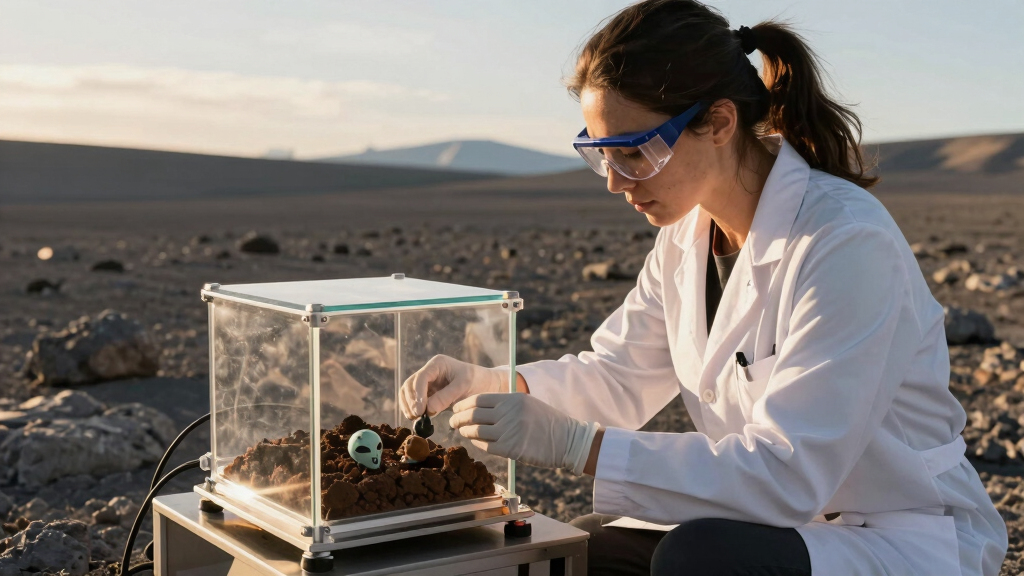
Researchers suggest establishing a quarantine zone on the Moon for alien life detected elsewhere. This move aims to prevent potential biological threats from reaching Earth. The plan is still under discussion and has not yet been implemented.
Implications for Space Exploration and Earth Safety
This proposal highlights the growing concern among scientists and policymakers about the risks of extraterrestrial biological contamination. If implemented, it could lead to new protocols for space missions and sample return operations, emphasizing containment and quarantine measures. The move underscores the importance of biosecurity in space exploration, especially as missions to Mars and other celestial bodies increase. For the public, it raises awareness of the potential dangers of contact with alien life, emphasizing the need for caution and international cooperation in space activities.As an affiliate, we earn on qualifying purchases.
Recent Advances and Planetary Protection Efforts
Over the past decade, space agencies have intensified efforts to prevent biological contamination during space missions, following guidelines established by the Committee on Space Research (COSPAR). Notably, missions to Mars and asteroid sample return efforts have included sterilization procedures and containment measures. The concept of quarantining extraterrestrial life on the Moon is a new extension of these protocols, driven by advances in detection technologies and heightened biosecurity concerns. The idea gained traction after recent hypothetical scenarios suggested that alien life, if found, could pose risks similar to terrestrial pathogens. Discussions about establishing a dedicated quarantine zone on the Moon are now gaining momentum among scientists and policymakers.planetary protection sterilization equipment
As an affiliate, we earn on qualifying purchases.
As an affiliate, we earn on qualifying purchases.
Uncertainties Surrounding Implementation and Risks
It is not yet clear whether international space agencies will agree to establish a quarantine zone on the Moon. Technical challenges, funding, and international cooperation are still unresolved. Additionally, the existence of alien life itself remains hypothetical, and the procedures for detecting and containing it are still being developed.space biohazard containment containers
As an affiliate, we earn on qualifying purchases.
As an affiliate, we earn on qualifying purchases.
Next Steps in Space Biosecurity Planning
Scientists and space agencies will continue to evaluate the feasibility of a lunar quarantine zone, including technical design, legal frameworks, and international agreements. Discussions at upcoming space policy forums are expected to address these proposals, with possible pilot projects or simulations in the next few years. Meanwhile, research into biosecurity protocols for extraterrestrial samples will likely intensify, preparing for potential future discoveries.extraterrestrial sample quarantine supplies
As an affiliate, we earn on qualifying purchases.
As an affiliate, we earn on qualifying purchases.
Key Questions
Could alien life on the Moon threaten Earth?
While the existence of alien life on the Moon is hypothetical, scientists are concerned about the potential risks if such life exists and reaches Earth. Establishing quarantine measures aims to mitigate this risk.
Is there currently a plan to create a quarantine zone on the Moon?
No, the idea is still in the proposal stage. Space agencies and scientists are discussing its feasibility, but no official plan or timeline has been established.
What are the technical challenges of quarantining extraterrestrial life on the Moon?
Challenges include detecting alien organisms accurately, establishing containment facilities in a harsh lunar environment, and ensuring that any potential biohazard is securely isolated from Earth.
Could this proposal impact future space missions?
Yes, if adopted, it could lead to new protocols requiring additional containment measures for sample return missions, potentially increasing costs and mission complexity.
What international laws govern planetary protection and quarantine measures?
Existing treaties like the Outer Space Treaty and COSPAR guidelines regulate planetary protection, but specific quarantine protocols for the Moon are still under discussion and development.
Source: rss
Cold & flu season Picks
humidifiers
As an affiliate, we earn on qualifying purchases.