

TL;DR

Get health and wellness essentials delivered free with Prime
- Fast, free delivery on millions of items
- Prime Video, Amazon Music and more included
- Member-only deals all year
Ergonomic backpacks are designed to fit children properly, distribute weight evenly, and reduce strain. Look for adjustable straps, supportive panels, and lightweight materials to keep kids comfortable and safe.
Imagine a backpack that feels like it was made just for your child — snug, supportive, and easy on their back. It might sound like a tall order, but ergonomic backpacks are reshaping the way students carry their loads. They’re not just about style; they’re about health, comfort, and preventing long-term pain.
This article will walk you through what makes a backpack ergonomic, the latest innovations, and how to pick one that keeps your kid happy and healthy through the school year.
Always measure your child’s torso to find the right backpack size.
Look for adjustable straps, padded support, and lightweight materials.
Keep backpack weight under 10-15% of your child’s body weight to prevent injury.
Modern ergonomic backpacks include tech features and eco-friendly fabrics.
Regularly check for signs of wear or discomfort and replace as needed.
What makes an ergonomic backpack truly supportive?
An ergonomic backpack fits your child’s body like a well-tailored suit — snug but not tight. It should sit comfortably against the back, with the bottom resting just above the waistline. Adjustable, padded straps distribute weight evenly across shoulders, preventing strain. Multiple compartments help organize heavy books, keeping weight balanced and reducing pressure on one side.
Picture a backpack with a padded back panel that cushions every step and a sternum strap that keeps everything steady. When these features work together, they turn a simple bag into a health-supporting tool.
Deeply, these features matter because a poorly fitted backpack can cause uneven weight distribution, leading to muscle strain, posture issues, and even long-term spinal problems. Proper support ensures that the load is spread across the strongest parts of the body—like the hips and shoulders—reducing fatigue and discomfort. The tradeoff, however, is that overly bulky or heavily padded backpacks might add weight themselves, so finding a balance between support and lightweight design is crucial.
Products Worth Considering

Bowflex SelectTech 840 Adjustable Kettlebell

BowFlex Results Series SelectTech 552 Adjustable Dumbbell
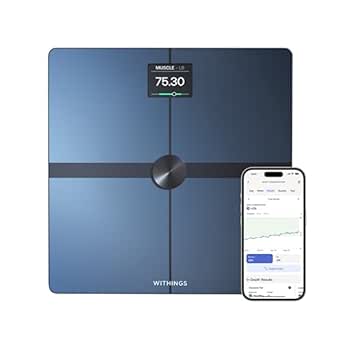
Withings Body Smart Wi-Fi and Bluetooth Smart Scale
As an affiliate, we earn on qualifying purchases.
How to pick an ergonomic backpack in 3 easy steps
- Measure your child’s torso length — from the base of the neck to the waist. The backpack should match this length for proper fit. Why? Because a backpack that’s too long or short can cause uneven weight distribution, leading to discomfort and postural problems. Ensuring the correct fit helps your child’s spine stay aligned, preventing chronic pain later.
- Check the straps. They should be padded and adjustable to accommodate growing children. Properly fitted straps prevent the backpack from slipping or causing pressure points that can lead to shoulder pain. Remember, a snug fit distributes weight evenly, but straps that are too tight can restrict movement or cause discomfort.
- Test the weight. Fill the backpack with typical loads and have your child wear it for a few minutes. It shouldn’t feel heavy or cause your child to lean forward or backward, as this indicates poor weight distribution. A well-packed, ergonomic backpack minimizes strain, but if it still feels awkward, consider reducing the load or choosing a different size.
Deep understanding of these steps reveals that proper fit and weight management are essential to prevent musculoskeletal issues. The tradeoff is that a perfect fit may require trying several models or adjusting features as your child’s body grows, emphasizing the importance of periodic reassessment.
Compare popular ergonomic backpack features side-by-side
| Feature | Basic Backpack | Ergonomic Backpack |
|---|---|---|
| Adjustable straps | Usually padded, but limited adjustability | Highly adjustable, with sternum and waist straps |
| Back padding | Minimal or none | Thick, breathable padding designed to conform to the back’s curves |
| Compartments | Few, often for style | Multiple, strategically positioned to balance weight and improve posture |
| Weight | Often heavier due to decorative features | Made from lightweight, durable materials to reduce overall load |
Choosing a backpack with these features is about more than convenience — it directly influences your child’s health. Prioritizing adjustability and support helps prevent uneven strain and long-term musculoskeletal issues. The tradeoff might be slightly higher costs or the need to try different models to find the best fit, but the health benefits outweigh these considerations.
Latest tech and trends in ergonomic backpacks
Technology is creeping into backpacks now — and not just for style. Think built-in charging ports for devices or LED safety lights. Some brands offer customizable fit with modular compartments that adapt to your child’s changing needs. Eco-friendly options made from recycled fabrics are also gaining ground.
For instance, a recent model features a lightweight carbon fiber frame that cuts weight by 30%, making it easier for kids to carry their books without sacrificing durability. These innovations mean safer, smarter choices for busy students.
Key facts every parent should know about backpack safety
Research shows that backpacks over 10-15% of a child’s body weight can cause back pain and posture issues [1]. Yet, surveys reveal many students carry backpacks that are too heavy or poorly fitted, increasing injury risk. Properly designed ergonomic backpacks help prevent these problems by distributing weight evenly and fitting snugly.
Deeply, this highlights why a well-designed backpack is an investment in your child’s health. It’s not just about avoiding immediate discomfort but preventing chronic issues like scoliosis or muscular imbalance. The tradeoff is that neglecting these guidelines can lead to costly health problems down the line, making it essential to choose carefully.
Your top questions about ergonomic backpacks answered
- How do I choose the right backpack for my kid? Measure torso length, check adjustability, and test weight during packing. These steps ensure the backpack fits well and reduces strain, which is crucial for long-term health.
- What features matter most? Padded straps, back support, lightweight materials, and multiple compartments are vital because they work together to distribute weight properly, support healthy posture, and prevent fatigue.
- How heavy is too heavy? No more than 10-15% of your child’s body weight, according to health experts. Exceeding this can cause muscle strain and postural issues, which may lead to chronic pain if unchecked.
- Are tech-enabled backpacks worth it? They offer safety and convenience, such as integrated lights or charging ports, but you should consider whether these features add unnecessary weight or complexity that might negate ergonomic benefits.
- How often should a backpack be replaced? When it shows signs of wear or no longer fits properly, typically after a school year. Regular replacement ensures ongoing support and safety, preventing the accumulation of damage that could compromise ergonomics.
Conclusion
A good ergonomic backpack isn’t just a fashion statement — it’s a health investment. When you focus on fit, support, and weight management, you’re helping your child avoid future back pain and posture problems.
Next time you shop, think beyond the looks. Choose a backpack that supports their health and makes the school day easier. Because a comfortable kid is a happier, healthier kid.