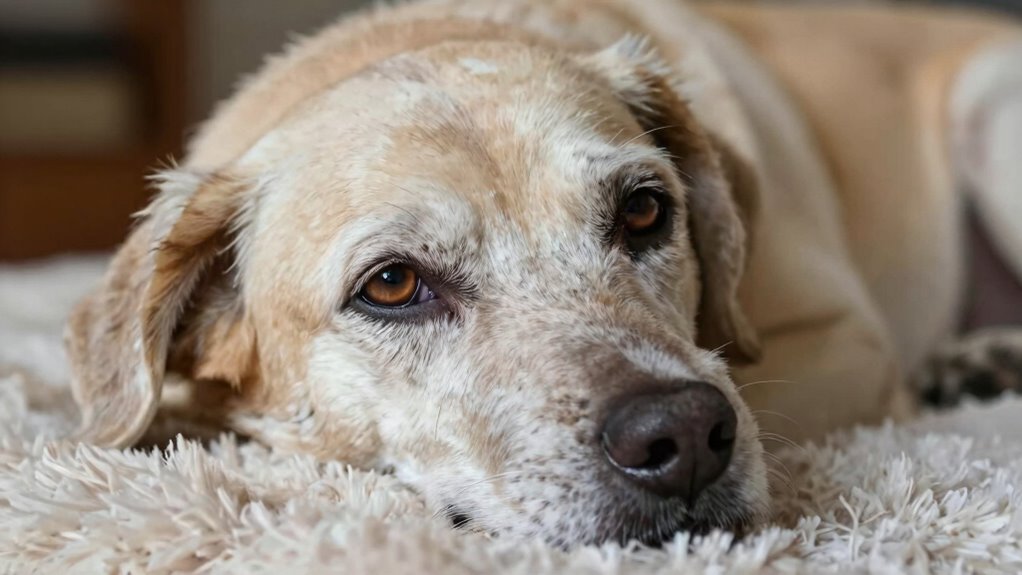

As a senior dog owner, watch for subtle signs like hesitations before jumping, difficulty getting up, or limping, which may signal joint discomfort. Notice if your dog becomes confused, forgets familiar routines, or shows changes in sleep patterns, indicating cognitive decline. Keep an eye out for new or worsening mobility issues, and guarantee a supportive environment. Stay alert to these subtle cues, and you’ll discover helpful ways to keep your dog comfortable and happy in their later years.

Get health and wellness essentials delivered free with Prime
- Fast, free delivery on millions of items
- Prime Video, Amazon Music and more included
- Member-only deals all year
Key Takeaways
- Observe changes in movement, such as hesitation or limping, indicating possible joint discomfort or mobility issues.
- Monitor sleep patterns and behavior for signs of cognitive decline, like confusion or wandering.
- Check for subtle signs of discomfort, including reluctance to jump or climb stairs, signaling joint or health problems.
- Ensure a safe, comfortable environment with orthopedic beds and hazard-free spaces to support aging joints and cognition.
- Schedule regular vet visits to detect early signs of joint or cognitive issues and adjust care accordingly.
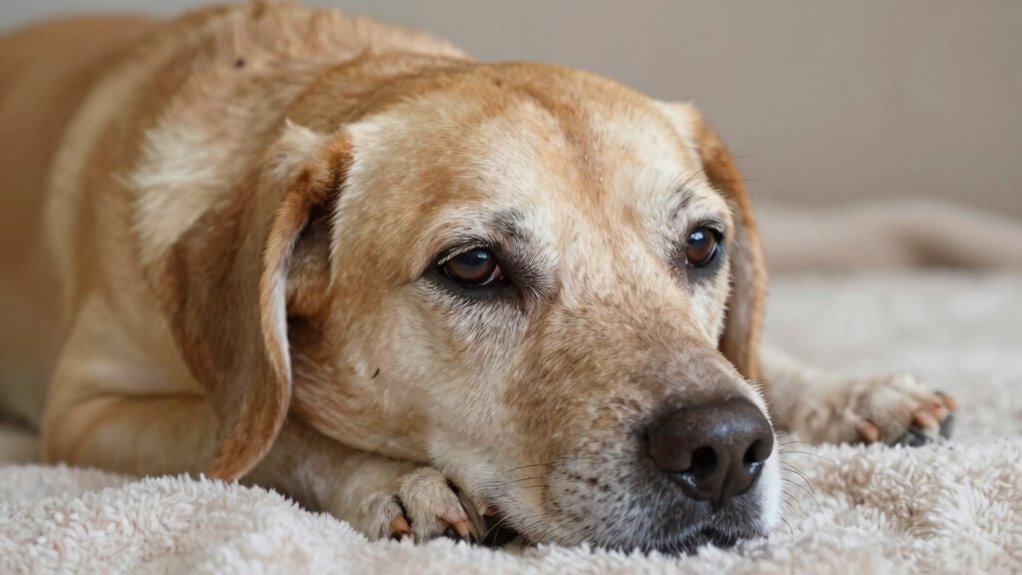
As your dog ages, their needs change, and providing proper care becomes even more important. One of the key areas to focus on is maintaining their joint health. Older dogs often experience stiffness, limping, or difficulty getting up after resting. You might notice them hesitating before jumping or climbing stairs, which signals that their joints could be aching or less flexible. To support their joint health, consider providing a balanced diet rich in omega-3 fatty acids, which help reduce inflammation. Regular, gentle exercise keeps joints mobile without overtaxing them, and providing comfortable bedding can alleviate pressure on sore areas. If you observe persistent limping or reluctance to move, consult your vet for possible supplements or medications to ease discomfort and prevent further joint degeneration. Monitoring mobility is crucial in detecting early signs of joint issues.
Cognitive decline is another subtle sign that requires your attention. As your dog gets older, they might become more forgetful or confused, which can manifest as wandering aimlessly, losing their way around familiar spaces, or forgetting commands they previously knew well. You might notice changes in their sleep patterns, such as increased restlessness or sleeping more during the day and being awake at night. These signs indicate that their brain is aging, and early intervention can help improve their quality of life. Ensuring a consistent routine and providing mental stimulation through gentle training or puzzle toys can help keep their mind engaged. Additionally, maintaining a calm, predictable environment reduces anxiety caused by disorientation. If cognitive decline seems to accelerate or is accompanied by other concerning behaviors, your vet can recommend therapies, medications, or supplements that may slow progression and support brain health.
Recognizing these subtle signs requires attentiveness and a gentle approach. Your dog might not express discomfort or confusion overtly, but changes in mobility or behavior serve as important clues that their needs are evolving. Regular check-ups become even more vital at this stage, allowing your vet to monitor for issues related to joint health and cognitive function. Addressing these concerns early not only improves their comfort but also extends their active, happy years. Simple adjustments like providing orthopedic beds, ensuring a safe, hazard-free environment, and offering mental enrichment can make a big difference. Ultimately, your awareness and proactive care help your senior dog navigate aging with dignity and comfort, strengthening your bond and ensuring they feel loved and secure every step of the way.
As an affiliate, we earn on qualifying purchases.
Frequently Asked Questions
How Often Should Senior Dogs Visit the Veterinarian?
You should take your senior dog to the veterinarian at least twice a year. Regular checkups help monitor aging dog behavior and detect health issues early. During visits, ask about senior dog grooming to keep them comfortable and healthy. As your dog ages, routine vet visits become even more important to address subtle signs of aging and guarantee they stay happy and comfortable.
What Are Common Dietary Changes for Aging Dogs?
As your senior dog ages, you should adjust their diet to address common issues like nutritional deficiencies and weight management. You might need to switch to a senior formula that’s easier to digest, rich in antioxidants, and lower in calories if they tend to gain weight. Incorporate more high-quality proteins and omega-3 fatty acids to support joint health and brain function, ensuring they get balanced nutrition as they age.
How Can I Improve My Senior Dog’s Mobility?
Imagine you’re turning back the clock for your senior dog. To improve their mobility, focus on supporting joint health with supplements like glucosamine and omega-3s. Keep exercise routines gentle and consistent, such as short walks and low-impact play. Incorporate activities that promote flexibility, like swimming or physical therapy. Monitor their comfort, and always consult your vet to tailor the best plan, ensuring your furry friend stays active and happy.
When Should I Consider Senior Dog Supplements?
You should consider senior dog supplements when you notice signs of joint pain or stiffness, or if your dog shows decreased cognitive function. Supplements with glucosamine and chondroitin can support joint health, while ingredients like DHA or antioxidants help with cognitive support. Consult your vet to determine the right supplements and dosage, ensuring your senior dog maintains mobility and mental sharpness as they age.
How Do I Manage Separation Anxiety in Older Dogs?
To manage separation anxiety in your older dog, start with calming techniques like gentle massage or calming music. Identify separation triggers, such as specific leaving routines, and gradually desensitize your dog by practicing short departures and rewarding calm behavior. Keep departures and arrivals low-key, and consider leaving a favorite toy or treat. Consistency and patience help your dog feel secure, reducing anxiety over time.
As an affiliate, we earn on qualifying purchases.
Conclusion
Caring for your senior dog means staying alert to subtle changes—like shifts in energy or appetite—that signal health issues. Did you know that nearly 60% of dogs over age seven develop some form of chronic health condition? By observing these signs early and providing regular vet visits, you can guarantee your furry friend stays comfortable and happy in their golden years. Your attentive care makes all the difference in their quality of life.
dog puzzle toys for mental stimulation
As an affiliate, we earn on qualifying purchases.
As an affiliate, we earn on qualifying purchases.
As an affiliate, we earn on qualifying purchases.
Cold & flu season Picks
humidifiers
As an affiliate, we earn on qualifying purchases.