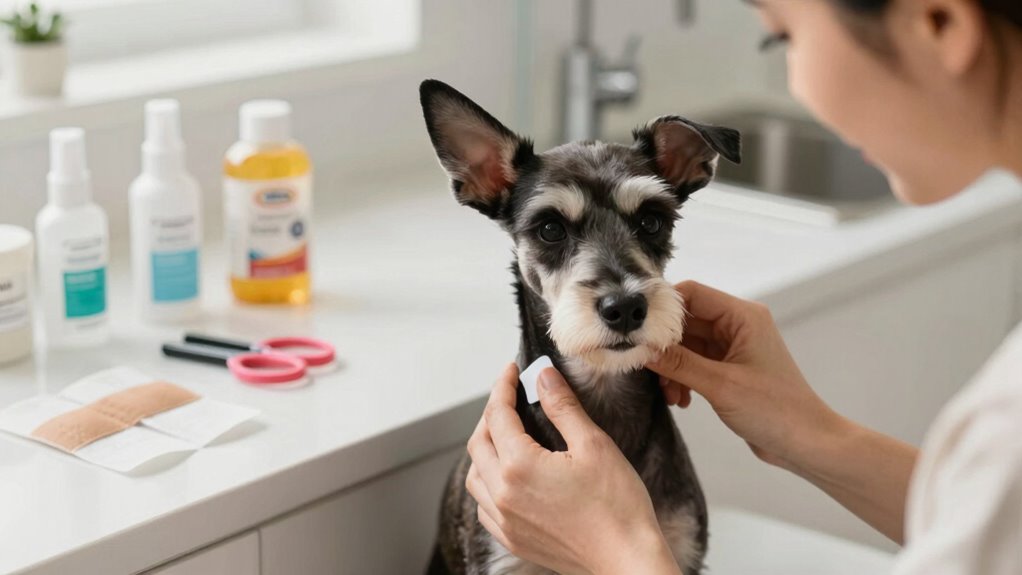

Knowing pet first aid basics is essential for emergencies. You should keep a stocked first aid kit, recognize signs of distress like difficulty breathing, bleeding, or lethargy, and create a plan with your vet’s contact info. Practice quick assessments, learn CPR techniques, and stay calm to act swiftly. Being prepared can save your pet’s life—continue exploring these skills to feel confident when it matters most.

Get health and wellness essentials delivered free with Prime
- Fast, free delivery on millions of items
- Prime Video, Amazon Music and more included
- Member-only deals all year
Key Takeaways
- Keep a well-stocked pet first aid kit with essentials like gauze, antiseptics, and thermometers.
- Learn to recognize early signs of distress such as difficulty breathing, bleeding, or lethargy.
- Create an emergency plan with contact info for nearby veterinary clinics and location details.
- Practice pet CPR techniques and quick assessments regularly to stay prepared.
- Stay calm during emergencies, prioritize professional help, and act swiftly using proper first aid procedures.
Have you ever wondered what to do if your pet suddenly gets injured or sick? It’s a frightening thought, but being prepared can make all the difference. Emergency preparedness starts with understanding basic pet first aid and knowing how to respond quickly and confidently. One of the most critical skills you can learn is pet CPR techniques, which can save your pet’s life in situations where their breathing or heartbeat has stopped. Knowing what to do in these moments requires a calm mind and a clear plan.
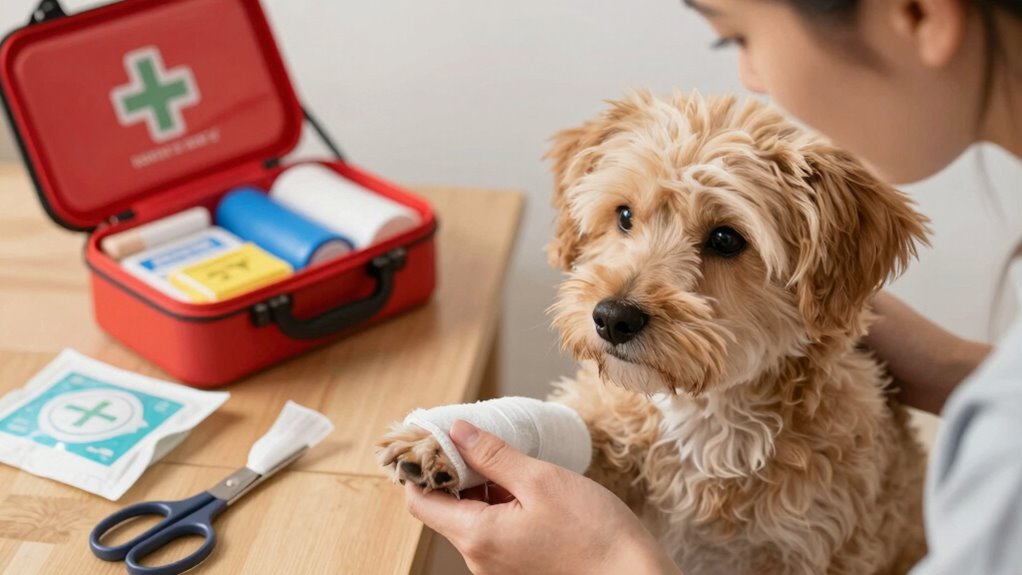
First, keep a pet first aid kit readily accessible, stocked with essentials like gauze, antiseptic wipes, tweezers, scissors, gloves, and a thermometer. Familiarize yourself with how to use these supplies before an emergency occurs. It’s equally important to recognize early signs of distress, such as difficulty breathing, bleeding, swelling, or sudden lethargy. Being alert allows you to act swiftly and efficiently, minimizing injury or worsening the condition.
Keep a well-stocked pet first aid kit and learn to recognize early signs of distress.
When it comes to emergency preparedness, creating a plan is essential. Know where the nearest emergency veterinary clinics are located, and keep their contact information handy. Also, have a list of your pet’s medical history, medications, and any allergies in case you need to relay information quickly. Practice quick assessments, like checking if your pet responds, has a pulse, or is breathing. If you notice your pet isn’t breathing or has no heartbeat, pet CPR techniques become indispensable. Additionally, understanding how high-quality projector resolution impacts your ability to monitor visual cues during training or recovery can be beneficial.
Performing pet CPR involves specific steps: first, ensure your pet is on a firm surface. For dogs and cats, open their airway by extending the neck gently. If they aren’t breathing, give rescue breaths—cover their nose with your mouth and blow slowly until their chest rises, then give two breaths. Next, start chest compressions by placing your hands over the widest part of their chest. For small animals, use gentle but firm pressure, while larger animals require more force. Continue alternating between rescue breaths and compressions until professional help arrives or your pet begins to breathe again.
Practicing these techniques regularly, perhaps with a pet first aid course, helps you stay confident in an emergency. Remember, quick action combined with knowledge of pet CPR techniques can make all the difference between life and death. It’s never too early to prepare—your pet’s safety depends on your readiness. Stay calm, act decisively, and always prioritize calling your veterinarian or emergency clinic for further assistance.
As an affiliate, we earn on qualifying purchases.
Frequently Asked Questions
Can I Perform First Aid on a Large or Aggressive Dog?
You can perform first aid on a large or aggressive dog, but your safety is the priority. Stay calm and avoid quick movements that might escalate dog behavior. Use safety equipment like a muzzle or protective gear if needed, and consider asking someone for help. Always approach cautiously, focusing on your safety and the dog’s condition. Remember, knowing basic first aid skills can make a difference, but never compromise your safety.
How Do I Handle a Choking Pet Safely?
Imagine your pet’s airway is a fragile glass ornament—treat it carefully. To handle a choking pet safely, act quickly with rescue techniques like Heimlich maneuver, if appropriate, or back blows to dislodge the object. Focus on airway management, keeping the pet calm and preventing further obstruction. Always support their body and avoid putting your hands in their mouth unless you’re trained, ensuring safety for both of you.
Are There First Aid Supplies Specific to Cats Versus Dogs?
Yes, there are pet-specific supplies designed for cats and dogs. Cat first aid kits often include items like small bandages, antiseptic wipes, and soothing gels tailored for feline needs. Dog first aid kits may have larger gauze and splints. It’s best to get a dedicated cat first aid kit if you have a cat, ensuring you’re prepared with supplies suited to their size and sensitivities.
When Should I Seek Immediate Veterinary Care Instead of First Aid?
You should seek immediate veterinary care if you notice severe symptoms like difficulty breathing, unresponsiveness, bleeding that won’t stop, or seizures. Recognize emergency signs quickly, and don’t hesitate to contact your emergency veterinary clinic or animal poison control. First aid helps stabilize your pet, but if symptoms worsen or are life-threatening, prompt professional care is crucial to guarantee your pet’s safety and well-being.
How Can I Prevent Common Pet Emergencies at Home?
Think of your home like a treasure chest, and pet proofing hazards as hidden traps. To prevent common emergencies, regularly scan your space for dangerous items like cords, chemicals, or small objects your pet could swallow. Keep emergency preparedness supplies nearby, and train your pet to avoid risky areas. By staying vigilant and proactive, you create a safe environment, reducing the chances of accidents and ensuring quick action if something does happen.
As an affiliate, we earn on qualifying purchases.
Conclusion
By learning pet first aid, you become your pet’s ultimate hero—ready to save them from emergencies that could otherwise turn into disasters. Knowing the basics can mean the difference between a quick recovery and a heartbreaking tragedy. It’s like having a superpower in your back pocket—prepared for anything at any moment. So, take the time now to get equipped and confident; your furry friend’s life might just depend on it.
As an affiliate, we earn on qualifying purchases.
As an affiliate, we earn on qualifying purchases.
Fall Picks
fall essentials
As an affiliate, we earn on qualifying purchases.