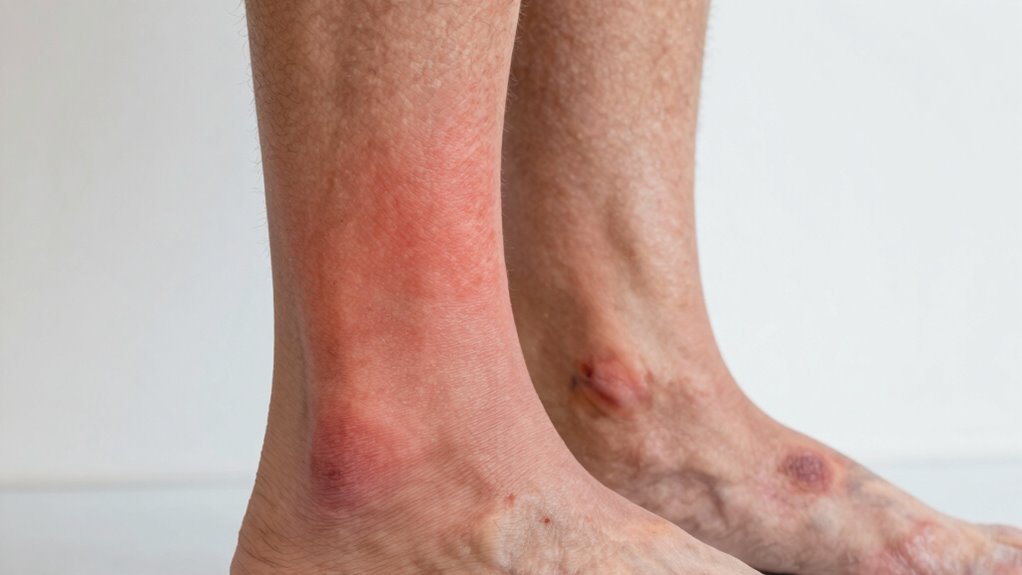

To tell the difference quickly, pay attention to pain type and duration. Normal soreness feels dull, aching, and improves with rest within a few days. Injury pain is sharp, persistent, and worsens with movement or activity. Watch for swelling, bruising, or weakness, which indicate injury. If pain lingers or worsens despite rest, it’s best to seek medical advice. Knowing these signs can help you prevent further damage—discover more to stay safe.

Get health and wellness essentials delivered free with Prime
- Fast, free delivery on millions of items
- Prime Video, Amazon Music and more included
- Member-only deals all year
Key Takeaways
- Soreness develops gradually, feels dull or achy, and improves with rest; injury pain is sharp, persistent, and worsens with movement.
- Normal soreness peaks 24-72 hours after exercise, while injury pain often appears immediately and persists longer.
- Soreness may cause stiffness but allows continued activity; injury causes swelling, bruising, and limited mobility.
- Rest and gentle movement relieve soreness; ongoing or worsening pain despite rest suggests injury needing medical attention.
- Sharp, localized pain with swelling or instability indicates injury, whereas dull discomfort indicates normal muscle fatigue.
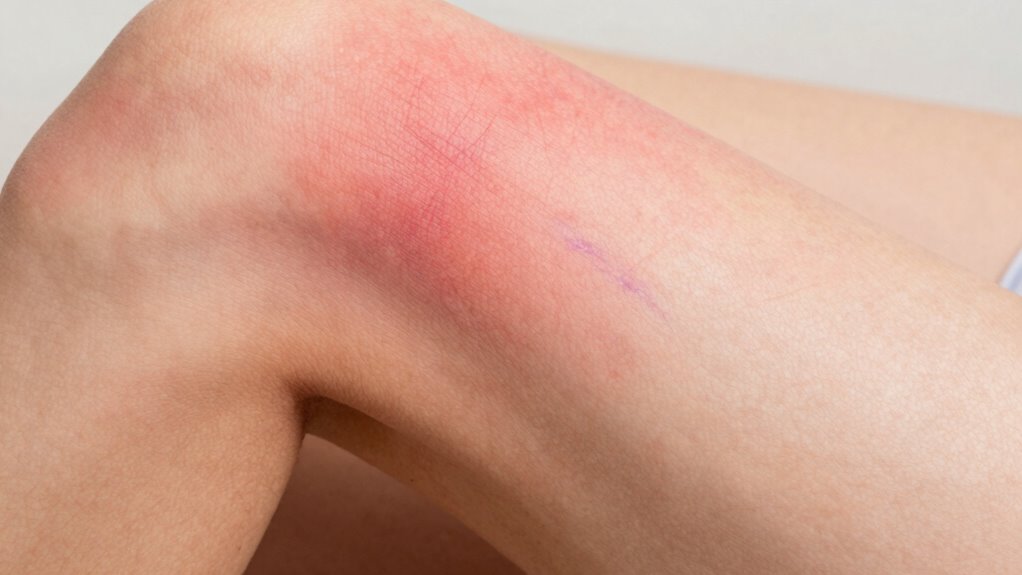
Understanding the difference between soreness and injury is crucial to prevent further harm and guarantee proper recovery. When you push yourself during exercise, you’ll often experience muscle fatigue and sometimes delayed onset muscle soreness (DOMS). These sensations are common and usually temporary, but recognizing when pain signals something more serious is essential. Muscle fatigue feels like your muscles are tired and weak, often accompanied by a burning sensation during or after activity. DOMS typically peaks around 24 to 72 hours post-workout, presenting as stiffness, tenderness, and a dull ache. This type of soreness is a normal response to unfamiliar or intense activity, and it usually resolves with rest and gentle movement.
However, if you notice sharp, persistent pain that doesn’t improve, it could be a sign of injury. Unlike typical soreness, injury-related pain often feels localized, intense, and may worsen when you move or put weight on the affected area. For example, if you experience a sudden pop or snap during exercise, it’s a red flag. Swelling, bruising, and limited range of motion also point toward injury rather than normal soreness. It’s important not to ignore these symptoms, as continuing to exercise on an injured muscle or joint can worsen the damage and prolong recovery.
To differentiate between soreness and injury, pay attention to the timing and nature of the pain. Muscle fatigue and DOMS usually develop gradually and improve with rest, hydration, and gentle stretching. The discomfort tends to be dull or achy, and you can usually still perform light activities. In contrast, injuries tend to cause immediate, sharp pain that persists beyond a few days. If the pain is severe, worsens with movement, or is accompanied by swelling or weakness, it’s best to stop exercising and seek medical advice.
Another helpful tip is to observe how the pain responds to rest. Normal soreness diminishes with rest and light activity, while injury symptoms often remain stubborn or get worse. Using the RICE method—rest, ice, compression, elevation—can help manage swelling and pain if you suspect an injury. Remember, listening to your body is key. If you’re unsure whether your discomfort is muscle fatigue or a sign of injury, err on the side of caution. Taking time to rest and recover properly prevents minor issues from becoming serious problems, ensuring you stay healthy and able to reach your fitness goals. Additionally, understanding the contrast ratio of your muscle or joint can help you assess the severity of the injury and determine appropriate treatment.
Frequently Asked Questions
Can Soreness Last Longer Than 72 Hours?
Yes, soreness can last longer than 72 hours, especially if you’re experiencing delayed onset muscle fatigue. This prolonged soreness may indicate muscle strain rather than normal post-exercise discomfort. If your soreness persists beyond a few days, worsens, or is accompanied by swelling or pain, it’s a sign to rest and seek medical advice. Pay attention to your body’s signals to prevent injury and ensure proper recovery.
How Do I Prevent Injuries During Workouts?
Prevent problems during workouts by prioritizing proper warm-up and cool-down routines. Warming up prepares your muscles, reduces risks, and ramps up readiness, while cooling down helps relax muscles and restore balance. Stay consistent with these routines, listen to your body, and avoid overexertion. Incorporate stretching and gradual progression to prevent injuries, ensuring you stay safe, strong, and sustainable in your fitness journey.
Is Pain Worse Than Soreness Always an Injury?
Pain isn’t always an injury; it can be muscle fatigue or delayed onset soreness. If the pain is sharp, persistent, or worsens with activity, it’s likely an injury. However, if it’s dull, feels like a delayed soreness after workout, and gradually subsides, it’s probably just soreness. Listen to your body, prioritize rest, and seek medical advice if pain persists or worsens beyond typical muscle fatigue.
When Should I See a Doctor for Pain?
You should see a doctor if your pain persists beyond typical muscle fatigue or joint stiffness, or if it worsens over time. Ironically, ignoring ongoing discomfort can turn a minor issue into a major injury. Don’t wait until pain becomes unbearable or limits your movement—prompt medical attention guarantees proper diagnosis and treatment, helping you avoid long-term damage. Trust your instincts; if something feels wrong, get checked out.
Can Stretching Reduce Soreness Effectively?
Yes, stretching can help reduce soreness effectively by promoting muscle recovery. Use gentle stretching techniques after your workout to increase blood flow and loosen tight muscles. Dynamic stretches before exercise prepare your muscles, while static stretches afterward aid recovery. However, avoid overstretching, which can cause injury. Consistent stretching, combined with proper rest, helps manage soreness and supports quicker muscle recovery, keeping you comfortable and ready for your next workout.
Conclusion
Understanding the difference between soreness and injury helps you stay safe and motivated. Soreness feels like a slow burn, a sign your muscles are working, while injury hits suddenly, like a sharp warning. Think of soreness as the tough love of exercise—temporary and manageable. Injuries, on the other hand, demand rest and care. So, listen to your body: push through soreness, but don’t ignore pain that lingers or worsens. Your health depends on it.
Halloween Picks
halloween
As an affiliate, we earn on qualifying purchases.