TL;DR

Get health and wellness essentials delivered free with Prime
- Fast, free delivery on millions of items
- Prime Video, Amazon Music and more included
- Member-only deals all year
Pilates instructor Sammy Taylor recommends five adaptable movements for beginners: a glute bridge, dead bug, side-lying leg lift, bird dog and roll down. The routine is designed to take about 10 minutes, with easier options for each movement; its benefits are described by the source, not established here as outcomes from a formal study.
Pilates instructor Sammy Taylor has shared a five-move routine for people new to exercise, combining basic strength and mobility exercises with simpler options for each movement. Published by Fit&Well, the routine is intended to take about 10 minutes and uses bodyweight rather than specialist equipment, making the guidance relevant to readers looking for an accessible starting point.
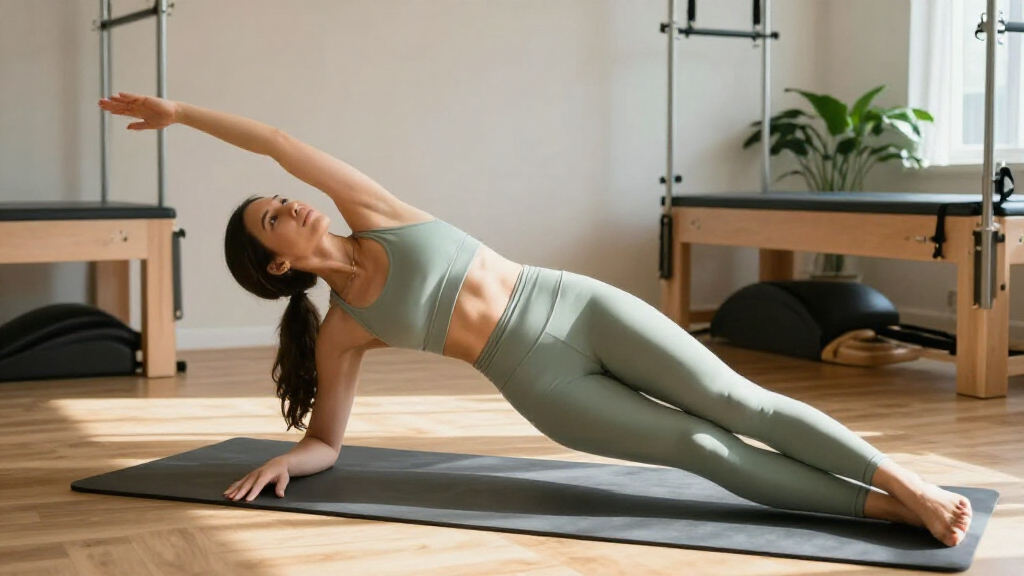
The routine includes a glute bridge, dead bug, side-lying leg lift, bird dog and Pilates roll down. Fit&Well describes it as a way to work on core and glute strength, mobility and body awareness. Those are the report’s stated aims; the source does not provide results from a clinical study or independently measured evidence that the sequence produces those outcomes.
Taylor recommends starting with one round of all five exercises, resting 15 to 20 seconds between movements. The suggested repetitions are eight to 10 glute bridges, six to eight dead bugs per side, eight to 10 leg lifts per side, six to eight bird dogs per side and four to five roll downs. The publication estimates that one round takes around 10 minutes; people who feel comfortable can build up to two rounds.
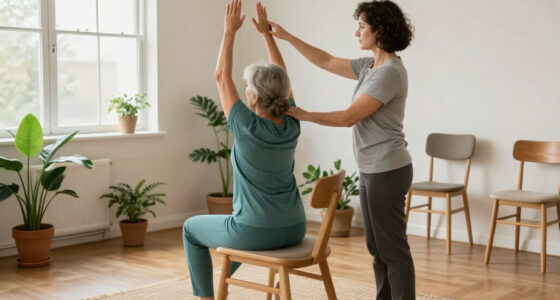
Each exercise comes with an easier variation. Options include lifting the hips only a little in the bridge, sliding a heel rather than extending a leg during the dead bug, and keeping the leg lift short. For the bird dog, a person can move one limb at a time or try an arm reach while seated if kneeling is uncomfortable. A roll down can also be made smaller, with hands sliding along the thighs, or practiced seated.
A Scaled Start to Pilates
The practical focus is how to adapt the movements, rather than requiring beginners to complete each exercise in its full form. Taylor specializes in working with people with neurological conditions and limited mobility, according to Fit&Well, and the report says she has experience designing routines for people who have not exercised before. Her modifications give readers ways to reduce range of motion or change position while learning the sequence.
The routine may also help readers understand what a short beginner session involves: a mixture of floor-based and standing movements, a modest number of repetitions and brief rests. But the source does not compare this routine with other programs, report participant outcomes or establish that it is suitable for every individual. The exercises are presented as general fitness guidance, not a personalized assessment.
Products Worth Considering

Garmin Forerunner 170 GPS Running Smartwatch Bundle, Whitestone

Philips Sonicare 5950 Rechargeable Electric Toothbrush with 2 Brush Heads, Pink

Philips Sonicare ProtectiveClean 5300 Rechargeable Electric Toothbrush with 3 Brush Heads, Black
As an affiliate, we earn on qualifying purchases.
How the Routine Is Structured
Fit&Well presents Pilates as a form of low-impact exercise that can be done using bodyweight and adapted to accommodate injuries. The article identifies Taylor as a Pilates instructor with a focus on people with neurological conditions and limited mobility. These details explain the beginner-oriented design, but they do not amount to a medical recommendation for a particular condition.
The sequence moves among positions: participants lie on their backs for the bridge and dead bug, lie on their sides for leg lifts, move to hands and knees for bird dog, then finish standing or seated for the roll down. Taylor’s instructions emphasize controlled movement and a comfortable range, with support such as a wall or sturdy chair nearby for the standing exercise. The report advises practicing two to three times a week and moving at one’s own pace.
“Practice it two to three times a week, moving at your own pace and using the easier options whenever needed.”
— Sammy Taylor, Pilates instructor, as quoted by Fit&Well
Limits of the Published Guidance
The source provides an instructor’s routine, not a trial or a clinical evaluation. It does not report how participants performed, quantify changes in strength or mobility, or specify how quickly a person might notice a difference. The phrase “best Pilates moves” is the report’s framing; the supplied material does not establish that these five exercises are superior to other beginner options.
The article says the routine can be adapted for injuries, but it does not identify which injuries or explain when a particular movement should be avoided. Individual ability and comfort can differ. Readers with pain, an injury, a health condition or uncertainty about whether an exercise is appropriate should seek guidance from a qualified health or exercise professional.
Building Up at Your Own Pace
For someone following the published plan, the next step is to try one round with the easier variations as needed, keeping the rests between movements. The report suggests progressing to two rounds only if the first feels comfortable, and practicing two to three times a week. It offers no fixed progression schedule or target date for increasing repetitions.
Any decision to expand the routine or change an exercise depends on the individual. The Fit&Well article does not announce further research, a follow-up program or an assessment of results, so whether the sequence improves strength or mobility for a particular person remains unreported.
Key Questions
What are the five beginner Pilates moves?
The routine lists a glute bridge, dead bug, side-lying leg lift, bird dog and Pilates roll down, each with a simpler variation.
How long does the routine take?
Fit&Well estimates that one round takes around 10 minutes, including 15 to 20 seconds of rest between exercises. The timing may vary by person.
How often does the instructor suggest practicing?
Taylor advises practicing two to three times a week, moving at a comfortable pace and using the easier options when needed.
Can beginners modify the exercises?
Yes. The report gives options such as shortening a movement, moving one limb at a time, sliding a heel instead of lifting a leg, or doing a seated version of the bird dog or roll down.
Does the report prove these exercises improve mobility?
No. Fit&Well describes the routine’s aims, but the supplied report does not include study results or measured outcomes showing how much strength or mobility changes.
Source: fitandwell.com