
TL;DR

Get health and wellness essentials delivered free — and shop member deals
- Fast, free delivery on millions of items
- Access to Prime Big Deal Days deals on October 6–7
- Prime Video, Amazon Music and more included
Massage guns can temporarily improve comfort and range of motion but don’t significantly speed up muscle healing. Use them wisely—short sessions, gentle pressure, and avoid risky areas. They’re tools, not miracle cures.
Imagine a device that vibrates, pulses, and massages your muscles with the push of a button. It’s called a massage gun, and its popularity has skyrocketed among athletes and fitness enthusiasts. But do they really work for muscle recovery, or are they just a fancy gadget?
If you’re curious about whether a massage gun can help you bounce back faster from workouts or ease tightness, this guide will give you the real scoop. You’ll learn what science says, practical tips for safe use, and how to pick the right device for your needs.
Massage guns can temporarily improve muscle flexibility and reduce soreness, but they do not speed up tissue repair.
Use a gentle touch and keep sessions brief—around 30 seconds to a minute per muscle group—to avoid tissue irritation.
Choose a device based on noise level, weight, and adjustable speeds rather than maximum power or number of attachments.
Avoid using a massage gun over bones, joints, the front of the neck, or areas with wounds or unexplained pain.
Combine massage gun use with other recovery practices like stretching, hydration, and rest for best results.
What Massage Guns Do (And What They Really Can’t)
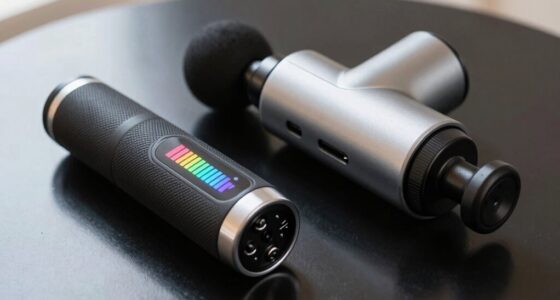
Massage guns, also called percussive therapy devices, deliver rapid, repeated pulses to soft tissue. The goal? To loosen muscles, reduce soreness, and boost mobility. They look like power tools with a motorized head that taps away at your muscles at different speeds and intensities.
But here’s the truth: while they can make you feel looser and more comfortable temporarily, they don’t magically heal muscles or clear out lactic acid. Research shows they may improve short-term range of motion, similar to a good massage or warm-up, but there’s little evidence they speed up actual recovery or tissue repair.
In fact, most benefits are related to feeling better, not fixing potential damage. Think of it like a quick reset button for your muscles, not a biological accelerator.
Understanding this distinction is crucial because relying solely on a massage gun might lead you to underestimate the importance of comprehensive recovery strategies. They can be part of your toolkit, but not a substitute for rest, proper nutrition, hydration, and targeted therapy when needed. The tradeoff here is between immediate comfort and long-term recovery—using a massage gun without addressing underlying issues might give a false sense of progress, potentially delaying more effective interventions.
As an affiliate, we earn on qualifying purchases.
How to Use a Massage Gun for the Best Results
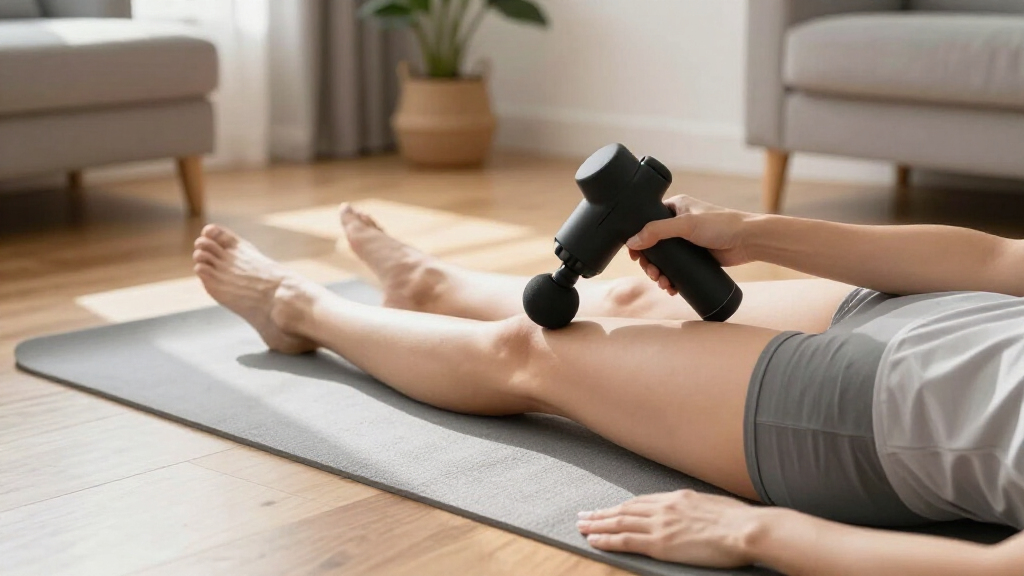
Using a massage gun correctly can make all the difference. Here’s a simple step-by-step:
- Start with a low speed setting. Feel how the device interacts with your muscles.
- Move the head slowly over the muscle belly—avoid pressing hard or staying in one spot too long.
- Keep the sessions brief—around 30 seconds to a minute per area.
- Stop if you feel pain, numbness, or if it causes bruising.
- Focus on large muscle groups like the quads, hamstrings, calves, or back for general relief.
Remember: a gentle touch often works better than brute force. The goal is to stimulate, not to cause discomfort.
For example, after a long run, a quick pass over your calves at a moderate speed can feel soothing and help you loosen up. The key is to listen to your body and avoid overdoing it.
Deep, aggressive massage might seem effective, but it can also cause tissue irritation or bruising if overdone. Striking a balance ensures you get relief without risking damage. The tradeoff is between effectiveness and safety—being too aggressive can backfire, leading to increased soreness or injury, which defeats the purpose of recovery tools.
As an affiliate, we earn on qualifying purchases.
How to Choose the Right Massage Gun for You
Not all massage guns are created equal. When comparing models, focus on practical features rather than flashy claims. Here’s a quick comparison table to help you sift through options:
| Feature | Why It Matters |
|---|---|
| Noise Level | Quieter models make sessions more comfortable, especially if you plan to use it around others or at work. |
| Weight & Grip | Lightweight, ergonomic designs reduce fatigue and make it easier to target hard-to-reach muscles. |
| Battery Life | Longer battery life means fewer interruptions—aim for at least 2 hours of use per charge. |
| Stall Force | More power can be helpful but isn’t always necessary. A stall force of around 20-30 lbs is usually enough for most users. |
| Number of Speed Settings | Multiple speeds give you more control and options for different muscle groups. |
| Attachments | Variety allows targeting different areas—larger heads for big muscles, smaller for trigger points. |
Don’t be swayed purely by price or a long list of attachments. Look for a device that feels comfortable, is easy to handle, and offers adjustable speeds—these features matter more for effective use.
Choosing the right device involves understanding your specific needs. For example, if you have sensitive skin or are prone to bruising, a quieter, softer device with fewer attachments might be better. Conversely, if you’re targeting deep tissue or larger muscle groups regularly, a more powerful model with multiple speed settings and robust attachments can offer deeper relief. The tradeoff here is between customization and simplicity—more features can mean better targeting but also more complexity and cost.
As an affiliate, we earn on qualifying purchases.
Safety Tips to Keep in Mind (Avoid These Common Mistakes)
Using a massage gun improperly can cause more harm than good. Here are some safety tips:
- Avoid pressing hard on bones, joints, or the front of your neck. The vibrations can irritate sensitive areas.
- Stay clear of wounds, bruises, or swelling. Treatment over these areas might worsen inflammation.
- Don’t use over areas with unexplained pain or numbness. Persistent pain deserves a professional check.
- Limit sessions to 1-2 minutes per muscle group. More isn’t necessarily better.
- If you have bleeding issues, circulatory problems, or take blood thinners, consult a healthcare provider before use.
Imagine you just finished a tough workout. Instead of pressing hard into your sore quad, use gentle, sweeping motions at a moderate speed. If it starts to hurt or feels numb, stop immediately.
Overusing a massage gun or applying excessive pressure can lead to tissue irritation, increased soreness, or even bruising. The tradeoff here is between effective relief and potential harm—being cautious ensures you get the benefits without setbacks. Always listen to your body’s signals and err on the side of gentleness to prevent unintended injury.
quiet massage gun with adjustable speeds
As an affiliate, we earn on qualifying purchases.
As an affiliate, we earn on qualifying purchases.
What the Science Really Says About Muscle Recovery
Research on massage guns and muscle recovery paints a mixed picture. They might help you feel better and move more freely temporarily. For example, small studies show that percussive therapy can increase joint range of motion immediately after use.
However, when it comes to speeding up actual healing or reducing soreness long-term, evidence is sparse. According to recent reviews, there’s no solid proof that massage guns remove lactic acid or prevent injuries.
Think of them as tools to enhance your comfort and mobility, not magic bullets. Using them as part of a balanced recovery routine—along with sleep, hydration, and proper training—is a smarter approach.
For instance, a cyclist might use a massage gun post-ride to loosen tight hamstrings, but that doesn’t mean it’s repairing micro-tears or boosting recovery speed. The key takeaway is that science supports their use mainly for short-term relief, not long-term healing. Understanding this helps set realistic expectations and prevents overreliance on these devices as a magic solution, which could distract from essential recovery practices like rest and nutrition.
Should You Add a Massage Gun to Your Routine?
If you’re looking for a quick way to feel less stiff or sore, a massage gun can be a useful addition. It’s especially handy if you spend hours sitting or after intense workouts. But it’s not a substitute for good habits like stretching, proper nutrition, and rest.
Use it as a complement, not a cure-all. For example, after a long run, a few minutes of gentle pulsations over your calves can make your legs feel more relaxed. Pair that with hydration and stretching, and you’ll be maximizing your recovery.
Keep expectations realistic. Think of a massage gun as a handy, convenient tool—not a magic wand. It can make your muscles feel better temporarily, but it won’t fix underlying issues or replace professional treatment if needed. Overusing or misusing it, especially with aggressive pressure, can lead to tissue irritation or bruising, potentially delaying recovery. The tradeoff here is between convenience and potential harm—using it correctly maximizes benefits while minimizing risks. Combining it with other recovery strategies ensures a more comprehensive approach to healing and performance.
Frequently Asked Questions
Do massage guns actually help muscle recovery?
They may provide temporary relief and improve flexibility, but there’s limited evidence they accelerate healing. Think of them as tools for comfort, not cure-all devices.
Can a massage gun reduce delayed-onset muscle soreness (DOMS)?
Some users feel less sore after use, but research results are mixed. It’s unlikely to completely prevent or eliminate DOMS but can help ease discomfort temporarily.
When is the best time to use a massage gun—before or after exercise?
Both are fine. Light use before activity can help warm up muscles, while post-exercise sessions aid in relaxation. Adjust based on how your body responds.
How long should I use a massage gun on one muscle?
Start with 30 seconds to a minute, and avoid overstimulation. Stop if it causes pain, numbness, or discomfort—listening to your body is key.
Is it safe to use a massage gun every day?
Yes, if used gently, but avoid overdoing it on painful or irritated areas. If persistent soreness or pain occurs, consult a healthcare professional.
Conclusion
A massage gun is a handy tool for easing muscle tension and feeling more mobile, but it’s no miracle worker. Think of it as a quick relief valve, not a shortcut to faster recovery.
Incorporate it wisely—short, gentle sessions combined with good habits—and your muscles will thank you. The real secret? Respect your body’s signals and don’t expect it to do all the work for you.
Fall Picks
fall essentials
As an affiliate, we earn on qualifying purchases.