
TL;DR

Get health and wellness essentials delivered free with Prime
- Fast, free delivery on millions of items
- Prime Video, Amazon Music and more included
- Member-only deals all year
A Fit&Well writer tried Yoga With Adriene’s “Yoga for Better Posture” after long days at a desk. The writer reported feeling less tension in the shoulders, neck and chest, and said the session also left their mind quieter. The account is a personal review, not evidence that the routine will produce the same effects for everyone.
A Fit&Well writer reported that Yoga With Adriene’s “Yoga for Better Posture” eased tension they felt in their shoulders, neck and chest after several long days at a desk. The writer also said the gentle session left their mind quieter. The account describes one person’s experience and does not establish how the routine affects other viewers.
The writer said they turned to YouTube after desk work left their shoulders, chest and neck feeling strained. They chose a video by Adriene Mishler, the instructor known as Yoga With Adriene, titled “Yoga for Better Posture | Chest, Shoulders & Upper Back.” Mishler presents the practice as a flow for muscles affected by sitting at a desk, according to the source account.
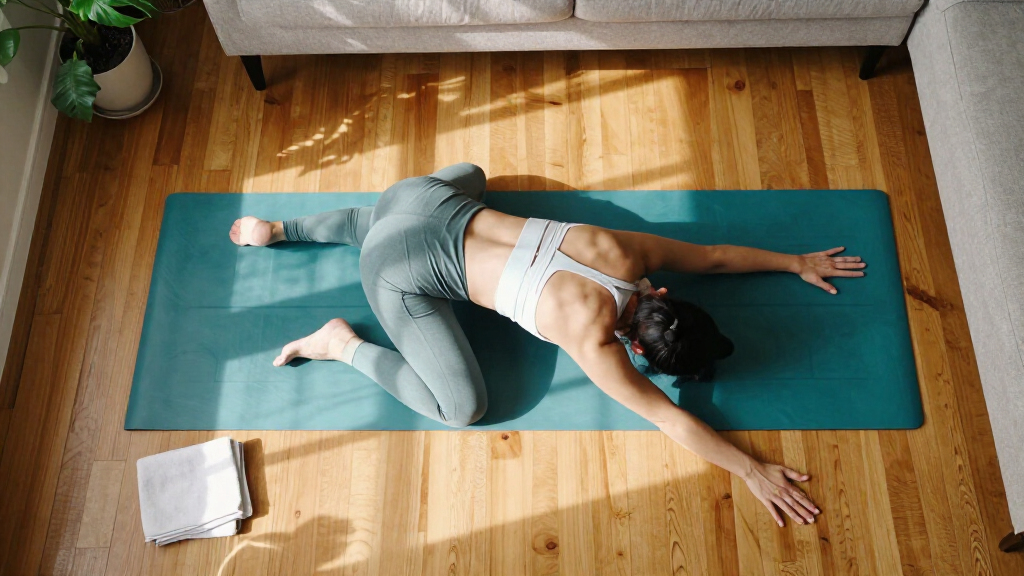
The session began with an invitation to notice the shoulders and upper back. The writer initially found that attention uncomfortable and wanted to move around, but said they felt more at ease once the practice shifted toward breathing. The flow included low-impact stretches and poses, including puppy pose, cobra, lunges and glute bridges.
Mishler encouraged participants to “move at the speed of sensation.” The writer interpreted this as moving at an individual pace and staying with movements that felt comfortable, and said they held some poses longer. By the end, they reported less physical tension and a quieter mind, with fewer thoughts about their to-do list. They said they would return to the routine when feeling tense.
A Desk Break With Two Reported Effects
The review describes the writer’s response to a movement break after long periods at a desk. They reported perceived changes in their shoulders, neck and chest, as well as a quieter mind after the session.
The report is a personal observation, not a controlled assessment. It does not measure posture, pain or stress, and cannot establish that the routine caused the changes the writer noticed. It documents one person’s experience with the video; individual responses may differ.
The writer also described spending longer in some poses after hearing Mishler’s pacing cue. The account characterizes the practice as a gentle, self-paced session and says the writer found it useful on that occasion.
The Routine Behind the Review
The source report describes the writer looking for relief after several long workdays, then finding the video on YouTube. It identifies Adriene Mishler as the instructor and gives the video’s title as “Yoga for Better Posture | Chest, Shoulders & Upper Back.” The material provided does not give a publication date, the video’s duration or a detailed description of its availability.
The practice, as summarized by the writer, moves from awareness of the upper back and shoulders to breathing and then a sequence of gentle poses. The named movements include puppy pose, cobra, lunges and glute bridges. The account says Mishler invited participants to move according to sensation and describes the session as low-impact.
The report recounts why the writer chose the video, what they did during the flow and how they felt afterward. It does not cite research, interviews with health professionals or measurements of physical change. Its claims about relief and a quieter mind are attributed to the writer, rather than presented as findings about the routine generally.
““Move at the speed of sensation.””
— Adriene Mishler, as quoted in the Fit&Well report
What One Session Cannot Establish
The source provides one writer’s account, with no independent evaluation or comparison group. It does not establish whether the routine reduces discomfort for other people, how long any perceived relief lasted, or whether the writer’s change in mood persisted beyond the session. The account also does not report a clinical assessment of the desk-related discomfort.
It is not clear from the supplied material when the review was published, how long the video runs, or whether the video has changed since the account was written. The report describes the writer’s experience on one occasion; it does not say how often they practiced the routine or whether other changes contributed to how they felt.
The Writer Plans to Return
The report says the writer plans to return to the routine when they feel tense. It does not announce a new video, a release schedule or a follow-up review. Whether the writer tries the flow again, and whether they report similar effects, remains unknown.
The report is a personal review of an existing YouTube practice. It records what the writer noticed after one session: less tension and a quieter mind. The source provides no experiences from other participants or evidence beyond this single report.
Key Questions
What Yoga With Adriene routine did the writer try?
The writer tried Mishler’s video “Yoga for Better Posture | Chest, Shoulders & Upper Back.”
What did the routine include?
The report names gentle movements including puppy pose, cobra, lunges and glute bridges, alongside breathing and attention to the shoulders and upper back.
What benefits did the writer report?
The writer said their shoulders, neck and chest felt relieved and that their mind felt quieter after the session. These are personal observations in the Fit&Well account.
Does this account show the routine works for everyone?
No. It describes one person’s experience and does not establish how other people will respond or how long the effects may last.
Source: rss
Cold & flu season Picks
humidifiers
As an affiliate, we earn on qualifying purchases.