
TL;DR

Get health and wellness essentials delivered free with Prime
- Fast, free delivery on millions of items
- Prime Video, Amazon Music and more included
- Member-only deals all year
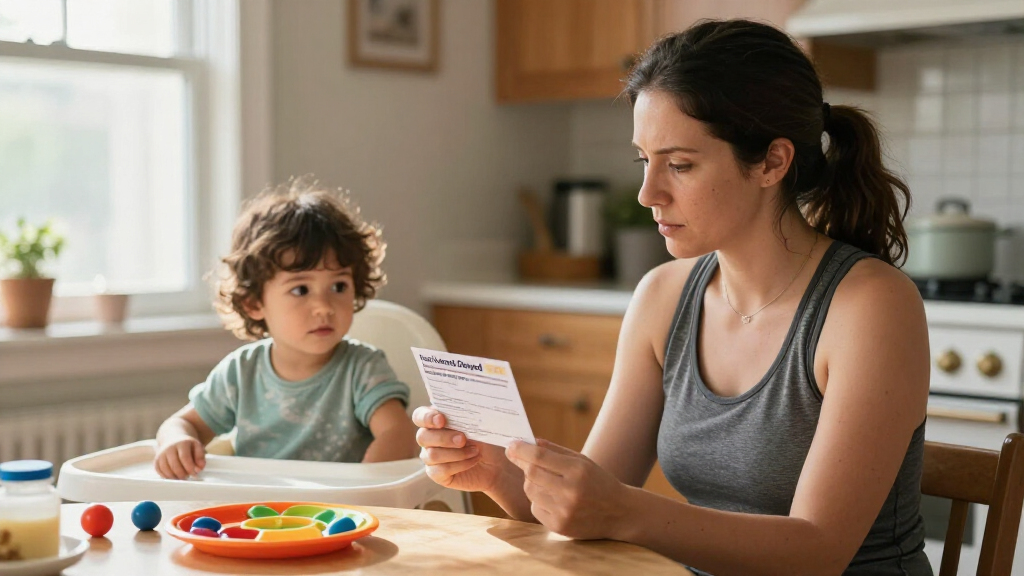
Around half of U.S. children have experienced delays in getting Covid vaccinations, according to recent reports. The reasons for these delays are not yet fully confirmed, but the development raises public health concerns. The situation remains fluid as officials investigate causes and potential impacts.
About half of children in the United States are currently experiencing delays in receiving their Covid-19 vaccines, according to preliminary data from health agencies. This development is raising concerns among public health officials and parents, as timely vaccination remains a key tool in managing Covid-19 risks among young populations.
Recent reports indicate that approximately 50% of children aged 5 to 17 in the U.S. have faced postponements or missed scheduled Covid vaccinations. The delays are being observed across various regions and demographic groups, with some areas reporting higher rates than others. The causes of these delays are still under investigation, with potential factors including vaccine availability, parental hesitancy, logistical challenges, and recent policy shifts.
Health authorities have acknowledged the delays but have not yet confirmed specific reasons. The Centers for Disease Control and Prevention (CDC) has stated that they are actively analyzing data to understand the scope and causes of the issue. Meanwhile, some pediatric clinics and local health departments report that supply chain disruptions and staffing shortages are contributing factors.
Experts warn that delays in vaccination could impact efforts to control Covid-19 transmission among children, especially as new variants continue to circulate. The delays come amid a broader context of fluctuating vaccination rates and evolving public health guidance, which have influenced parental decisions and healthcare provider operations.
Implications for Public Health and Child Safety
The reported delays in vaccinating half of the U.S. children have significant implications for ongoing efforts to curb Covid-19 spread among young populations. Vaccination remains a critical measure to prevent severe illness, hospitalization, and potential long-term effects of the virus in children.
Public health officials warn that these delays could lead to increased vulnerability among children, especially as new Covid-19 variants emerge. Additionally, delayed vaccination may hinder efforts to reach herd immunity thresholds, prolonging the pandemic’s impact on schools, families, and healthcare systems.
Parents and caregivers may also face increased anxiety about their children’s health and safety, particularly if vaccination delays persist or worsen. The situation underscores the importance of clear communication from health authorities to address hesitancy and logistical barriers.
children's COVID-19 vaccine appointment scheduler
As an affiliate, we earn on qualifying purchases.
As an affiliate, we earn on qualifying purchases.
Recent Trends and Contributing Factors in U.S. Child Vaccination Rates
Since the rollout of Covid vaccines for children in 2021, vaccination rates have varied widely across states and communities. Initial uptake was high in many areas but has slowed over time due to factors such as vaccine hesitancy, misinformation, and logistical challenges in delivery.
In early 2024, health officials noted a concerning trend of increasing delays and missed appointments, prompting investigations into underlying causes. Supply chain issues, staffing shortages at clinics, and changing public perceptions of Covid risk are believed to influence current vaccination patterns.
Previous efforts to boost vaccination rates included public awareness campaigns and school-based vaccination programs, but recent reports suggest these strategies may need reinforcement or adaptation to address current barriers.
As an affiliate, we earn on qualifying purchases.
Unconfirmed Causes and Scope of the Delay Issue
It is not yet clear what specific factors are driving the delays, and data on the full scope of the issue is still emerging. Authorities have not confirmed whether supply shortages, parental hesitancy, or logistical issues are the primary causes.
Additionally, the exact geographic distribution and demographic breakdown of the delays remain to be fully analyzed. Some local reports suggest variability, but comprehensive national data is pending.
child-friendly COVID-19 vaccination supplies
As an affiliate, we earn on qualifying purchases.
As an affiliate, we earn on qualifying purchases.
Monitoring and Response Strategies Underway
Health agencies are expected to release more detailed analyses of vaccination patterns in the coming weeks. Efforts to address logistical barriers and combat misinformation are likely to be intensified.
Officials are also encouraging parents to reschedule missed vaccinations and are exploring targeted outreach programs to improve vaccination rates among hesitant communities.
Further updates are anticipated as investigations continue and more data becomes available, with the goal of reversing the delays and ensuring broader vaccine coverage among children.
pediatric vaccine storage refrigerator
As an affiliate, we earn on qualifying purchases.
As an affiliate, we earn on qualifying purchases.
Key Questions
How many children are affected by the vaccination delays?
Approximately 50% of children aged 5 to 17 in the U.S. are experiencing delays in receiving their Covid vaccines, according to recent reports.
What are the main reasons for these delays?
The causes are still under investigation, but potential factors include vaccine supply issues, logistical challenges at clinics, and parental hesitancy or misinformation. No definitive cause has been confirmed yet.
Could these delays impact Covid-19 transmission among children?
Yes, delays in vaccination could increase vulnerability to Covid-19, especially with circulating variants, potentially leading to higher infection rates and more severe cases among children.
What are health officials doing to address the delays?
Officials are analyzing data, improving logistical support to clinics, and conducting outreach to encourage parents to complete vaccination schedules. More targeted strategies are expected soon.
When will more information be available?
Further data and analysis are anticipated within the next few weeks, as health agencies continue their investigations and response efforts.
Source: rss
Fall Picks
fall essentials
As an affiliate, we earn on qualifying purchases.