

TL;DR

Get health and wellness essentials delivered free with Prime
- Fast, free delivery on millions of items
- Prime Video, Amazon Music and more included
- Member-only deals all year
Global media coverage of men’s health has increased significantly, with recent reports showing a 16-fold rise in mentions. This reflects heightened awareness of men’s health concerns worldwide. The development highlights shifting priorities in health discourse.
Media coverage of men’s health has surged, with 33 mentions in recent media analysis, representing a 16-fold increase compared to baseline levels. This rise indicates growing global attention to men’s health issues, which could influence public awareness, policy, and health initiatives worldwide.
According to data from GDELT, a media monitoring platform, the number of mentions related to men’s health in recent coverage reached 33 within a specific reporting window. This figure is 16 times higher than the baseline level, suggesting a significant spike in media focus.
Experts note that this surge may be linked to increased advocacy, new research findings, or high-profile campaigns addressing men’s health concerns such as mental health, cardiovascular disease, and prostate health. However, the precise causes of this rise are still being analyzed.
Health organizations and advocacy groups have welcomed the increased coverage, emphasizing the importance of raising awareness about issues that often remain under-discussed compared to women’s health.
Implications of the Media Surge in Men’s Health Coverage
The increase in media attention to men’s health matters is significant because it can lead to greater public awareness, early diagnosis, and improved health outcomes for men. It may also influence policymakers to allocate more resources toward men’s health initiatives and research.
Furthermore, heightened coverage can help destigmatize issues such as mental health struggles among men, encouraging more open conversations and seeking help. This shift could contribute to reducing health disparities and improving overall life expectancy for men globally.
Products Worth Considering
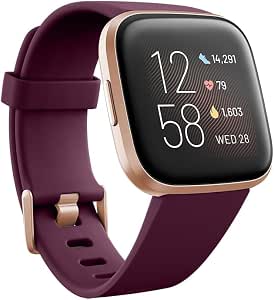
Fitbit Versa 2 Health and Fitness Smartwatch with Heart Rate, Alexa, Music, Sleep and Swim Tracking

Fitbit Inspire 3 Health and Fitness Tracker Bundle

Withings BPM Connect Wi-Fi and Bluetooth Blood Pressure Monitor
As an affiliate, we earn on qualifying purchases.
Recent Trends and Factors Driving Men’s Health Coverage
Over the past few years, there has been a gradual increase in focus on men’s health, driven by advocacy campaigns, new medical research, and high-profile public figures discussing their health issues. The current surge, as indicated by GDELT data, marks a notable acceleration.
Historically, men’s health has received less media attention than women’s health, often due to social stigmas or lack of targeted campaigns. Recent efforts by health organizations and media outlets aim to change this dynamic, emphasizing the importance of addressing men’s specific health needs.
“The recent surge in men’s health coverage is a positive sign that society is beginning to recognize and address issues that have long been underrepresented in health discourse.”
— Dr. Susan Lee, Public Health Expert
Unclear Causes and Future Trends in Media Coverage
While the data shows a significant rise in mentions, it is not yet clear what specific factors triggered this surge. The role of recent campaigns, research breakthroughs, or media strategies remains to be fully analyzed. Additionally, it is uncertain whether this increase will sustain or represent a temporary spike.
Monitoring Media Trends and Policy Responses
Researchers and health advocates will continue to monitor media coverage to determine if the trend persists and how it influences public health initiatives. Expect further analysis of the causes behind the surge and potential policy responses aimed at improving men’s health services and awareness campaigns.
Key Questions
What caused the recent increase in men’s health coverage?
The exact causes are still being analyzed, but likely factors include new research, advocacy campaigns, and high-profile discussions on men’s health issues.
Will this surge in coverage lead to policy changes?
Potentially, increased media attention can influence policymakers to prioritize men’s health initiatives, though specific policy changes have not yet been announced.
Which health issues are most discussed in this coverage?
Common topics include mental health, cardiovascular disease, prostate health, and men’s overall wellness.
Is this trend expected to continue?
It remains uncertain whether the coverage increase is temporary or part of a sustained shift, pending further analysis and media monitoring.
Source: gdelt