TL;DR

Get health and wellness essentials delivered free with Prime
- Fast, free delivery on millions of items
- Prime Video, Amazon Music and more included
- Member-only deals all year
A meta-analysis of 29 studies involving 7,090 nursing home residents found that 46.4% had visual impairment before vision correction; the figure was 24.3% after best correction. Cataracts were the most common eye condition, affecting 55.6% of residents in the review, and researchers recommended more routine eye care in long-term care.
A meta-analysis of 29 studies involving 7,090 nursing home residents found that 46.4% had visual impairment before vision correction, while cataracts were the most commonly reported eye condition, affecting 55.6%. Published in the Journal of the College of Optometrists, the review also found lower rates of impairment and blindness after best-corrected vision, pointing to a potential role for access to examinations and appropriate correction.
The analysis compared visual acuity before correction with best-corrected vision. It found visual impairment in 46.4% of residents before correction and 24.3% after correction. Blindness affected 8.7% based on presenting visual acuity, compared with 3.9% after correction. These are pooled findings from the studies reviewed, not a count of every nursing home resident.
Cataracts were the most prevalent eye disease in the review, at 55.6%. Refractive errors affected 39.8% of residents, followed by age-related macular degeneration at 21.4%, glaucoma at 13.9% and diabetic retinopathy at 7.7%. The review identified cataracts as the leading preventable cause of vision loss across the regions covered by the studies.
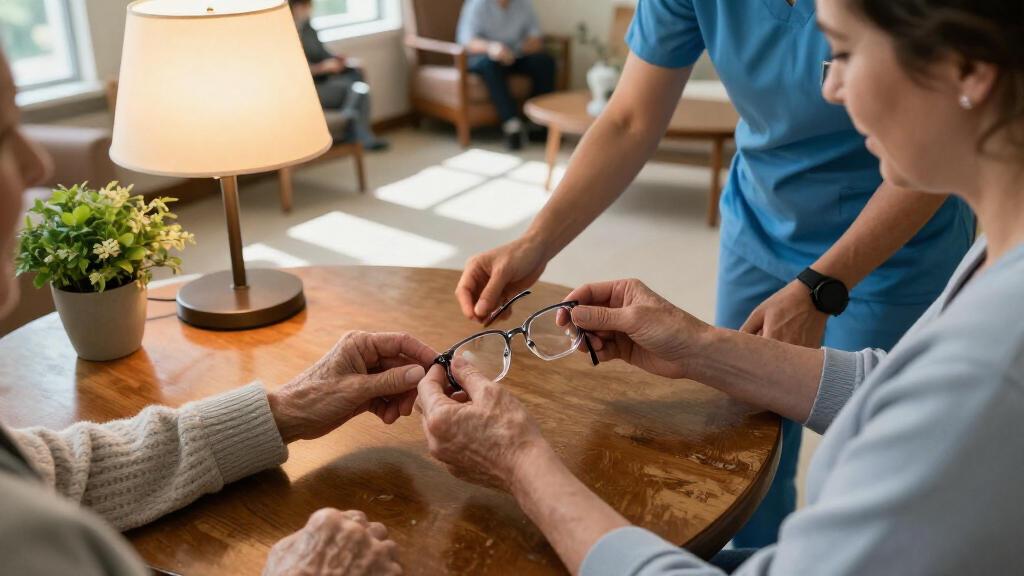
According to the report in Skilled Nursing News, most studies in the analysis found significant visual-acuity improvements after refractive correction. The researchers recommended routine comprehensive examinations, free or subsidized eyeglasses, timely referrals for cataract surgery and nutritional interventions to support eye health.
Access to Eye Care in Nursing Homes
The gap between presenting and best-corrected vision suggests that some residents may see better with appropriate correction. It does not mean every case can be resolved with glasses: cataracts and other eye diseases may require clinical evaluation and, in some cases, further treatment. The review’s findings support attention to routine eye care and updated prescriptions in facilities where residents may face barriers to appointments.
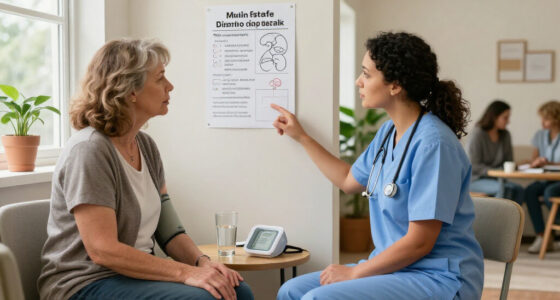
The researchers said advanced age, frailty, multiple health conditions and cognitive impairment can make it harder for residents to access care, explain vision problems or receive treatment. Poor vision may affect daily activities and a resident’s ability to engage with others, but the supplied report does not quantify those effects. The study highlights a service issue for nursing homes and care providers: residents may need regular checks and support to act on the results.
Products Worth Considering

Philips Sonicare 5950 Rechargeable Electric Toothbrush with 2 Brush Heads, Pink

Garmin Forerunner 55 GPS Running Smartwatch, Black

Withings Body Scan Smart Scale with Segmental Body Composition and ECG, Black
As an affiliate, we earn on qualifying purchases.
What the Review Measured
The findings come from a meta-analysis published in the Journal of the College of Optometrists, as described by Skilled Nursing News. Researchers examined 29 published studies covering 7,090 nursing home residents to assess visual impairment, blindness and common eye diseases. The review looked at a global picture rather than reporting results from a single facility or country.
Two measures in the report should be kept distinct. Presenting visual acuity reflects vision before best correction, while best-corrected vision records acuity after correction. The reported differences between those measures indicate that correction may improve vision for some residents; they do not establish that all impairment or blindness is preventable. The article also reports that cataracts were the leading preventable cause of vision loss across regions, while identifying several other common conditions.
“Advanced age, frailty, multiple health conditions and cognitive impairment may make it more difficult for residents to access eye care, communicate vision concerns and receive appropriate treatment.”
— Researchers, as summarized by Skilled Nursing News
Limits of the Available Findings
The supplied report does not provide study-by-study details, including how the studies were distributed across countries, how residents were selected or how differences in testing methods were handled. It also does not give confidence intervals or a breakdown of results by age, health status or facility. The pooled percentages should therefore be read as estimates from the reviewed studies, not as precise rates for every nursing home population.
The findings show differences in vision measures after correction but do not establish how many residents would benefit from glasses, cataract surgery or another intervention in a particular facility. The report also does not say how many nursing homes currently provide regular eye examinations, how often residents receive them, or what barriers are most common in specific locations.
Recommended Care Steps
The researchers recommend comprehensive eye examinations before nursing home admission and annual examinations or evaluations afterward. They also call for access to affordable eyeglasses, timely referrals for cataract surgery and nutritional interventions. These are recommendations described in the report, not confirmed requirements or programs adopted across nursing homes.
Whether facilities or health systems will put those measures in place, and how implementation would affect residents’ vision, remains unknown from the supplied material. Further reporting on local screening practices, access to eye specialists and treatment outcomes could show how the review’s recommendations are being addressed.
Key Questions
How common was visual impairment in the review?
The meta-analysis found visual impairment in 46.4% of residents before correction and 24.3% after best-corrected vision. These are pooled estimates from the studies reviewed.
Which eye condition was most common?
Cataracts were the most common eye condition reported, affecting 55.6% of residents in the analysis. The review also identified cataracts as the leading preventable cause of vision loss across the regions studied.
Did correction reduce the reported rate of blindness?
Yes. Blindness was reported in 8.7% based on presenting visual acuity and 3.9% after best correction. The comparison does not show that correction can address every cause of blindness.
What care did researchers recommend?
They recommended comprehensive eye examinations before admission and annually afterward, access to free or subsidized eyeglasses, timely cataract-surgery referrals and nutritional interventions to support eye health.
Source: skillednursingnews.com