
TL;DR

Get health and wellness essentials delivered free with Prime
- Fast, free delivery on millions of items
- Prime Video, Amazon Music and more included
- Member-only deals all year
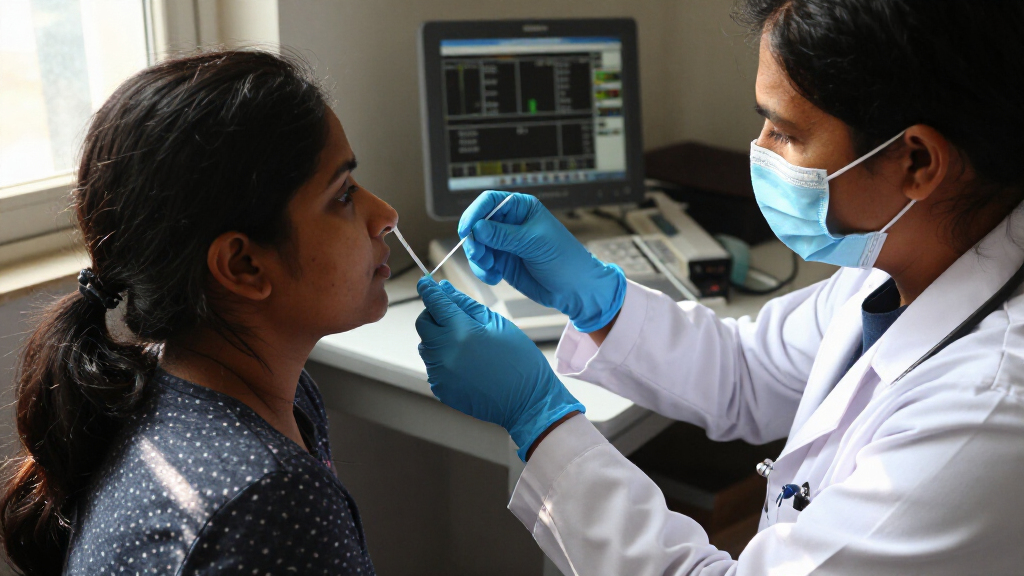
Delhi reports a surge in swine flu cases, now totaling 1,777. Health officials and doctors are observing increased hospitalizations and symptoms, raising public health concerns.
Swine flu cases in Delhi have increased to 1,777, according to official health data, marking a significant rise that has prompted concern among medical professionals and authorities. This surge underscores the need for heightened awareness and preparedness as the flu spreads across the city.
The Delhi government’s health department confirmed that the number of swine flu cases has reached 1,777 as of the latest reporting period. Hospitals across the city are seeing increased admissions, with doctors noting a rise in patients exhibiting symptoms such as fever, cough, and respiratory distress. The surge is believed to be driven by seasonal factors and increased transmission among vulnerable populations.
Medical experts and doctors working in Delhi’s hospitals have described the situation as concerning but manageable. Dr. Anil Kumar, a senior infectious disease specialist at AIIMS Delhi, stated, “We are seeing more cases than usual for this time of year, but most patients are responding well to treatment. It’s important for people to remain vigilant and seek medical attention early.” The health authorities have issued advisories urging the public to maintain hygiene and get vaccinated if eligible.
Implications of the Swine Flu Surge for Public Health in Delhi
The rising number of swine flu cases in Delhi highlights the ongoing threat of influenza outbreaks during seasonal changes. An increase to 1,777 cases indicates a potential strain on healthcare resources and underscores the importance of early diagnosis and treatment. The surge also raises concerns about vulnerable groups, including the elderly and those with pre-existing conditions, who are at higher risk of severe illness.
This situation emphasizes the need for continued public health measures, vaccination campaigns, and awareness to prevent further spread. The outbreak could also impact hospital capacity and healthcare staffing, making preparedness critical for authorities.
As an affiliate, we earn on qualifying purchases.
Recent Trends and Response to Swine Flu in Delhi
Swine flu, caused by the H1N1 influenza virus, has periodically affected India, with seasonal surges observed in recent years. Delhi experienced a notable rise in cases during the winter months of 2023, prompting health authorities to reinforce surveillance and vaccination efforts. The current surge, with cases reaching 1,777, follows a pattern of increased transmission during the colder months, when respiratory illnesses tend to spread more rapidly.
Prior to this surge, Delhi’s health department had ramped up vaccination drives and public awareness campaigns. Experts note that despite these efforts, the virus continues to circulate, especially among unvaccinated populations and crowded settings. The government has also increased the availability of antiviral medications and hospital preparedness to handle potential increases in severe cases.
“We are seeing more cases than usual for this time of year, but most patients are responding well to treatment. It’s important for people to remain vigilant and seek medical attention early.”
— Dr. Anil Kumar, Senior Infectious Disease Specialist at AIIMS Delhi
As an affiliate, we earn on qualifying purchases.
Unclear Factors Behind the Rapid Case Increase
It is not yet confirmed what specific factors are driving the sharp increase in cases, such as new viral mutations, changes in public behavior, or gaps in vaccination coverage. The exact impact of seasonal variations versus other influences remains under investigation. Additionally, data on the severity of cases and hospitalization rates are still being compiled, making it difficult to assess the full impact of the surge.
As an affiliate, we earn on qualifying purchases.
Next Steps in Monitoring and Controlling the Outbreak
Health authorities are expected to continue enhanced surveillance, expand vaccination campaigns, and issue further public advisories. Hospitals are preparing for potential increases in severe cases, and officials are monitoring the situation closely. Further data on transmission dynamics and case severity will inform future public health strategies. The government may also consider implementing additional containment measures if the trend continues.
vitamin C supplements for immunity
As an affiliate, we earn on qualifying purchases.
As an affiliate, we earn on qualifying purchases.
Key Questions
How dangerous is swine flu compared to other influenza viruses?
Swine flu, caused by the H1N1 virus, can cause severe illness in vulnerable populations but is generally manageable with prompt treatment. It shares similarities with seasonal flu but can sometimes lead to complications, especially in high-risk groups.
What symptoms should I watch for to suspect swine flu?
Common symptoms include high fever, cough, sore throat, body aches, fatigue, and respiratory distress. If you experience these, especially during a surge, seek medical advice early.
Are vaccines available for swine flu in Delhi?
Yes, vaccines for H1N1 are available and are part of the seasonal influenza vaccination programs. Health officials recommend vaccination for high-risk groups and healthcare workers.
What precautions can I take to avoid infection?
Maintain good hygiene, wash hands regularly, wear masks in crowded places, and avoid close contact with infected individuals. Vaccination remains a key preventive measure.
Source: local
Cold & flu season Picks
humidifiers
As an affiliate, we earn on qualifying purchases.