
TL;DR

Get health and wellness essentials delivered free with Prime
- Fast, free delivery on millions of items
- Prime Video, Amazon Music and more included
- Member-only deals all year
Recent observations indicate that using HEPA air purifiers may lead to measurable improvements in brain function after just one month. While the trend is gaining attention, scientific confirmation is still pending, and experts urge caution.
Emerging online interest suggests that using HEPA air purifiers may boost brain function within one month. While no peer-reviewed studies have yet confirmed this effect, the trend is prompting increased attention from consumers and health enthusiasts alike.
Recent reports and online searches indicate a surge in interest around the potential cognitive benefits of HEPA air purifiers. Some anecdotal accounts and preliminary observations suggest that individuals using these devices experienced noticeable improvements in focus, memory, and mental clarity after approximately four weeks of consistent use.
Experts caution that these claims are largely anecdotal, and scientific research is still in early stages. No peer-reviewed studies have definitively established a causal link between air purification and enhanced brain function. The trend appears to be driven by a combination of increased awareness of indoor air quality and unverified user reports.
Potential Impact of Rapid Cognitive Improvements
If confirmed, the idea that HEPA air purifiers can enhance brain function in a short period could influence public health recommendations and consumer choices. Improved indoor air quality has long been associated with respiratory and cardiovascular health, but cognitive benefits would expand the scope of potential advantages. This could lead to more widespread adoption of air purification devices among students, remote workers, and vulnerable populations.
However, experts emphasize the importance of scientific validation before drawing conclusions. Misinterpretation of anecdotal reports could lead to false expectations or misuse of devices. The current trend underscores the need for rigorous research to substantiate any cognitive claims.
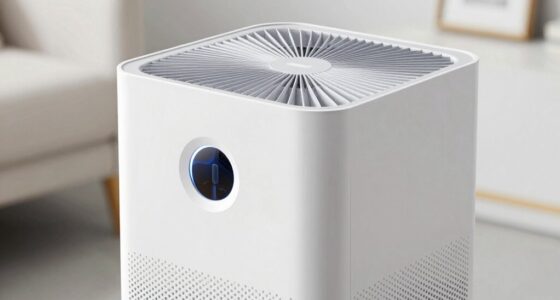
HEPA air purifier for cognitive health
As an affiliate, we earn on qualifying purchases.
As an affiliate, we earn on qualifying purchases.
Rising Interest in Air Purifiers and Cognitive Health
HEPA (High-Efficiency Particulate Air) filters have been used for decades to improve indoor air quality by trapping airborne particles, including allergens, pollutants, and viruses. Their role in reducing respiratory illnesses is well-established. Recently, however, consumer interest has shifted toward potential secondary benefits, including mental health and cognitive performance.
This trend coincides with increased public awareness of indoor air quality, especially following the COVID-19 pandemic, which heightened attention to airborne contaminants. Online searches and social media discussions about the cognitive effects of air purifiers have surged, though scientific evidence remains limited. The current wave of interest appears to be driven more by anecdotal reports and preliminary studies than by conclusive research findings.
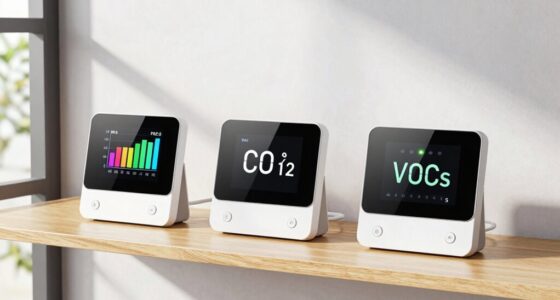
air purifier with high-efficiency particulate air filters
As an affiliate, we earn on qualifying purchases.
As an affiliate, we earn on qualifying purchases.
Unverified Nature of Cognitive Benefits Claims
It remains unclear whether the reported improvements in brain function are directly caused by HEPA air purifiers or are due to placebo effects, lifestyle changes, or other factors. No peer-reviewed research has yet confirmed a causal relationship, and current observations are anecdotal or preliminary.
Scientists warn that more rigorous, controlled studies are necessary to substantiate these claims and determine the mechanisms involved. The current trend is based on unverified reports, and the scientific community urges caution in interpreting these findings.
portable HEPA air purifier for home
As an affiliate, we earn on qualifying purchases.
As an affiliate, we earn on qualifying purchases.
Ongoing Research and Future Studies on Air Purifiers and Cognition
Researchers are beginning to design controlled clinical trials to investigate the potential cognitive effects of HEPA air purifiers. These studies aim to measure changes in brain function using standardized neuropsychological tests over periods of one to three months.
In the meantime, experts recommend consumers continue to use air purifiers for established health benefits, while awaiting scientific confirmation of any additional cognitive advantages. Public interest is likely to grow as more preliminary data emerge, but definitive conclusions are still pending.
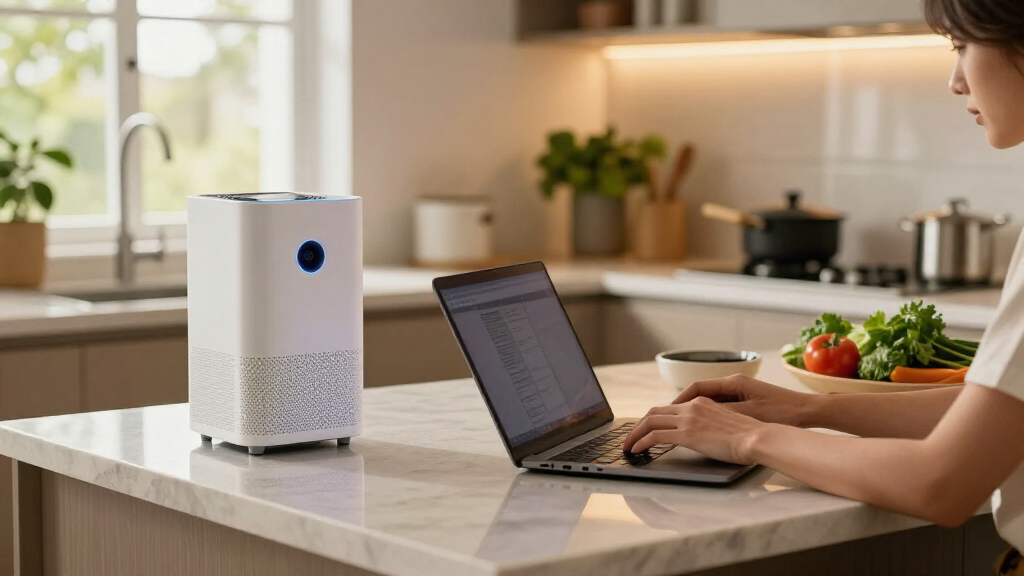
air purifier for improved focus and mental clarity
As an affiliate, we earn on qualifying purchases.
As an affiliate, we earn on qualifying purchases.
Key Questions
Can HEPA air purifiers really improve brain function in just one month?
Currently, there is no scientific consensus or peer-reviewed evidence confirming that HEPA air purifiers can improve brain function within a month. Most reports are anecdotal, and further research is needed.
What is the basis for the recent trend claiming cognitive benefits?
The trend is driven by increased online interest, anecdotal reports, and preliminary observations, rather than confirmed scientific studies. Experts urge caution until more rigorous research is conducted.
Are there known health benefits of HEPA air purifiers besides potential cognitive effects?
Yes, HEPA filters are well-established in reducing airborne allergens, pollutants, and viruses, which can improve respiratory and cardiovascular health.
Should I start using a HEPA air purifier to boost my mental performance?
While using a HEPA air purifier can improve indoor air quality, claims of cognitive enhancement are unproven at this stage. Consult health professionals for personalized advice.
When will scientific studies confirm or refute these claims?
Researchers are planning controlled studies, but results may take several months to years to produce definitive evidence. Stay tuned for updates from the scientific community.
Source: rss
Halloween Picks
halloween
As an affiliate, we earn on qualifying purchases.