To improve indoor air fast, start by boosting ventilation through simple habits like opening windows during cooler parts of the day or using exhaust fans in kitchens and bathrooms. Proper airflow helps remove pollutants, humidity, and odors. You can also combine natural methods with mechanical systems for better results. Keep vents clear, maintain equipment, and watch signs like odors or condensation. Want to learn more about creating healthier, fresher air in your home? Keep going for helpful tips.
Key Takeaways
- Opening windows during cooler parts of the day promotes natural cross-ventilation for quick fresh air exchange.
- Using exhaust fans in kitchens and bathrooms efficiently removes indoor pollutants and humidity.
- Regularly maintaining vents, filters, and ensuring unobstructed airflow prevents stale indoor air.
- Combining natural ventilation with mechanical systems like HRVs optimizes air quality and energy efficiency.
- Simple daily habits, such as keeping interior doors open and timing window openings, significantly improve indoor air freshness.
Why Proper Home Ventilation Is So Important for Indoor Air Quality

Proper home ventilation is essential because it directly impacts the air you breathe every day. Good ventilation improves air quality by removing pollutants, excess humidity, and odors, creating a healthier living environment. Many ventilation myths suggest that simply opening windows is enough, but this isn’t always effective or consistent. Proper ventilation systems ensure a steady exchange of indoor and outdoor air, reducing allergens, mold, and airborne toxins. Without adequate ventilation, indoor air can become stale and contaminated, affecting your health and comfort. Additionally, ventilation efficiency plays a crucial role in maintaining consistent air quality throughout your home. Understanding indoor air contaminants can help you better address potential sources of pollution and improve overall air health. Recognizing the signs of poor ventilation can prompt timely improvements to your system and prevent health issues. Ensuring proper air exchange rates is vital for maintaining optimal indoor air quality and preventing issues like mold growth. Implementing well-designed ventilation strategies can significantly enhance your home’s air quality and energy efficiency. Don’t fall for misconceptions—effective ventilation is a key part of maintaining clean, breathable air inside your home. Knowing the truth about ventilation helps you make smarter choices for a healthier living space.
How Do Home Ventilation Systems Work? An Easy Explanation
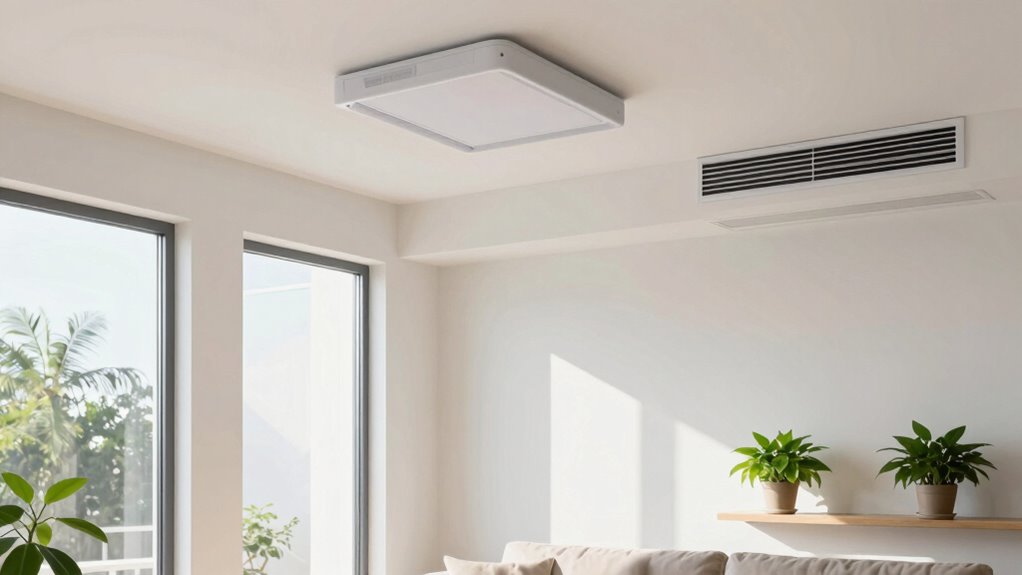
Understanding how home ventilation systems work can help you better appreciate how they keep your indoor air fresh and healthy. At their core, these systems facilitate air exchange, replacing stale indoor air with fresh outdoor air. There are different ventilation types, such as natural, mechanical exhaust, supply, and balanced systems. Natural ventilation relies on windows and vents to let air flow freely, while mechanical systems use fans and ducts to control air movement. For example, exhaust fans remove indoor pollutants, and supply systems introduce fresh air. Balanced systems combine both processes, ensuring a steady flow of clean air without losing temperature control. Proper airflow regulation is essential for maintaining indoor comfort and air quality. By understanding these mechanisms, you can choose the right system to improve your home’s air quality and comfort effectively. Additionally, selecting the appropriate ventilation technology can optimize energy efficiency and ensure consistent air quality throughout your home. Knowing the air exchange process can help you better assess which ventilation system suits your specific needs, especially when considering indoor air quality improvements. Understanding airflow dynamics can further assist in designing or selecting the most effective ventilation solutions for your space.
Signs Your Home Needs Better Ventilation (And What to Do About It)
If your home feels stuffy or you notice persistent odors, it’s a clear sign that your ventilation might be inadequate. Poor air quality can lead to health issues and discomfort, so recognizing these signs is vital. You might also see condensation on windows or mold growth, indicating excess humidity caused by insufficient ventilation. If you experience allergies or respiratory problems, your home’s air quality could be compromised. To address these issues, consider ventilation upgrades like installing exhaust fans, air purifiers, or improving existing systems. These improvements help circulate fresh air, remove pollutants, and reduce moisture buildup. proper airflow is essential for maintaining a safe and healthy home. Additionally, ensuring effective soundproofing can prevent outdoor noise from affecting your indoor environment, further enhancing overall comfort. Regularly evaluating your home’s air quality and making targeted ventilation upgrades ensures a healthier, more comfortable living environment. Incorporating ventilation best practices can further optimize airflow and indoor air quality over time, especially when combined with air quality monitoring to keep track of improvements.
Simple Daily Habits to Improve Your Home’s Ventilation
Simple Daily Habits to Improve Your Home’s Ventilation
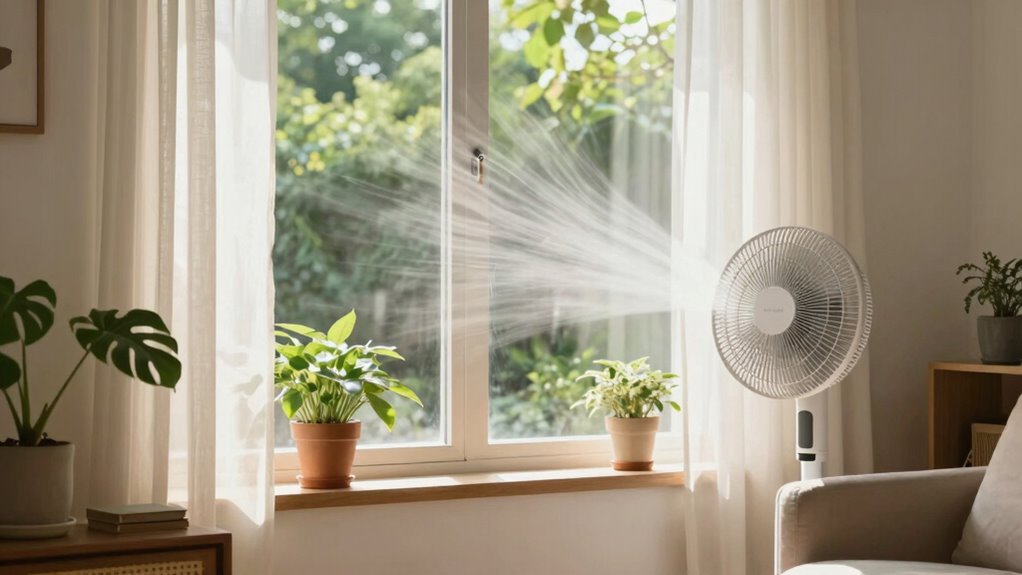
Incorporating simple daily habits can substantially improve your home’s ventilation without the need for major upgrades. Opening windows for a few minutes each day allows fresh air to circulate, boosting air quality and reducing indoor pollutants. Using exhaust fans in your kitchen and bathroom helps remove excess humidity and odors, aiding humidity control. Keep interior doors open to promote airflow between rooms, preventing stale air pockets. Regularly cleaning air vents and filters ensures they operate efficiently, maintaining good air quality. Additionally, controlling indoor humidity levels with dehumidifiers or moisture absorbers prevents mold growth and improves comfort. Proper air filtration and ventilation practices can further enhance indoor air quality during daily routines. Implementing airless paint spraying tips and proper gear maintenance can also enhance indoor air quality during DIY projects. Maintaining air quality standards and ensuring proper ventilation are essential for a healthier living environment. Being mindful of air exchange rates can help optimize airflow and ventilation effectiveness. Understanding the importance of ventilation efficiency can guide you in optimizing your home’s airflow. These small, consistent practices make a significant difference, creating a healthier environment and supporting better air quality inside your home.
What Are the Best Ventilation Methods for Your Home?
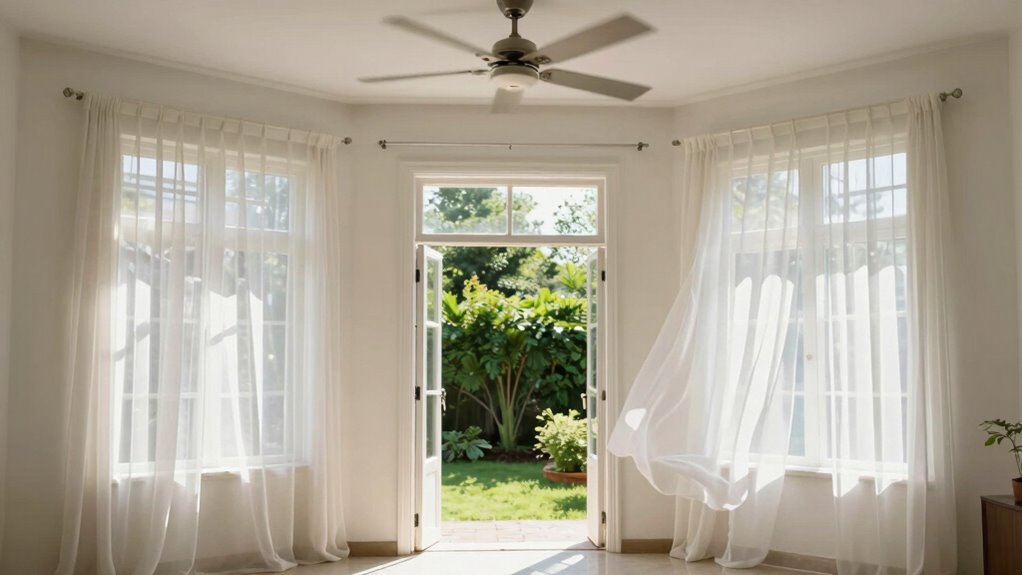
To achieve ideal indoor air quality, selecting the right ventilation methods is essential. You want to maximize air exchange while maintaining high ventilation efficiency. Mechanical ventilation systems, like exhaust fans and heat recovery ventilators, actively remove stale air and bring in fresh air, ensuring consistent airflow. Natural ventilation methods, such as opening windows and vents, promote air exchange without energy costs, but depend on weather conditions and home layout for effectiveness. Controlled ventilation strategies combine these approaches, optimizing air quality and energy use. Consider your home’s size, climate, and occupancy when choosing the best method. Properly implemented, these methods improve air exchange rates, reduce indoor pollutants, and create a healthier living environment. Additionally, understanding airflow dynamics can help optimize your home’s ventilation system for better indoor air quality. Recognizing the impact of airflow patterns can further enhance ventilation efficiency and indoor comfort. Exploring ventilation system design principles can also help you tailor solutions to your specific space and needs. Being aware of ventilation system maintenance is equally important to ensure long-term effectiveness and indoor air health.
How Can You Use Natural Ventilation Effectively? Tips and Tricks
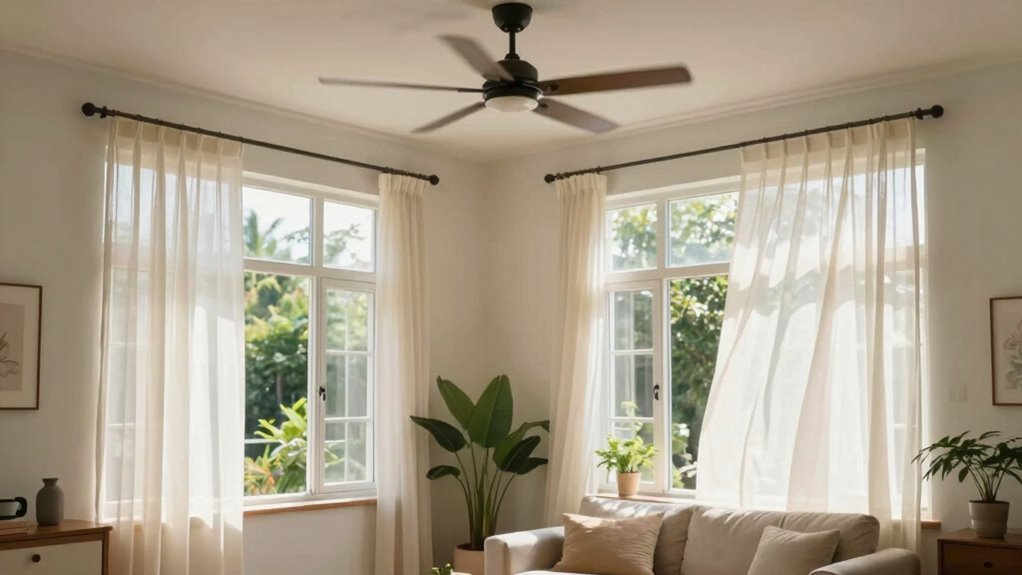
To make the most of natural ventilation, you should focus on maximizing cross-ventilation by opening windows on opposite sides of your space. Timing your window openings during cooler parts of the day can also enhance airflow and comfort. Additionally, strategic placement of vents and windows ensures fresh air flows efficiently through your home. Implementing air circulation techniques can further improve ventilation effectiveness and maintain indoor air quality. Using airflow patterns to guide window placement can help optimize the movement of fresh air. Incorporating the use of essential oils for respiratory health in your home can also support a healthier indoor environment by reducing airborne pathogens and improving overall air quality.
Maximize Cross-Ventilation Strategies
Maximizing cross-ventilation relies on strategic placement and opening of windows and doors to create a natural airflow that cools your space efficiently. To improve airflow optimization, position openings on opposite sides of a room or building to encourage a steady draft. Remove ventilation barriers like heavy curtains or furniture that block air movement. Keep windows and doors open during the right times, especially when outdoor air is cooler or less polluted. Use screens to prevent bugs while allowing airflow. Remember, the size and placement of openings matter—larger, well-placed windows boost circulation. By eliminating obstacles and thoughtfully opening spaces, you enhance natural ventilation and reduce reliance on mechanical systems, making your home fresher and more comfortable naturally.
Time and Placement Tips
Timing and placement are key to making natural ventilation work effectively. To optimize air exchange, open windows during cooler parts of the day, such as mornings and evenings, when outside air is fresher. Use ventilation timing to match these periods with your home’s indoor needs, ensuring stale air exits and fresh air enters at the right moments. Place windows on opposite sides of your space to encourage cross-ventilation, which accelerates air exchange. Avoid opening windows during extreme weather or high pollution times, as this can hinder air quality. Consider the prevailing wind direction when choosing window placement, maximizing airflow. By paying attention to ventilation timing and strategic placement, you’ll enhance natural airflow, improving indoor air quality quickly and efficiently.
Mechanical Ventilation Options: Which One Is Right for You?
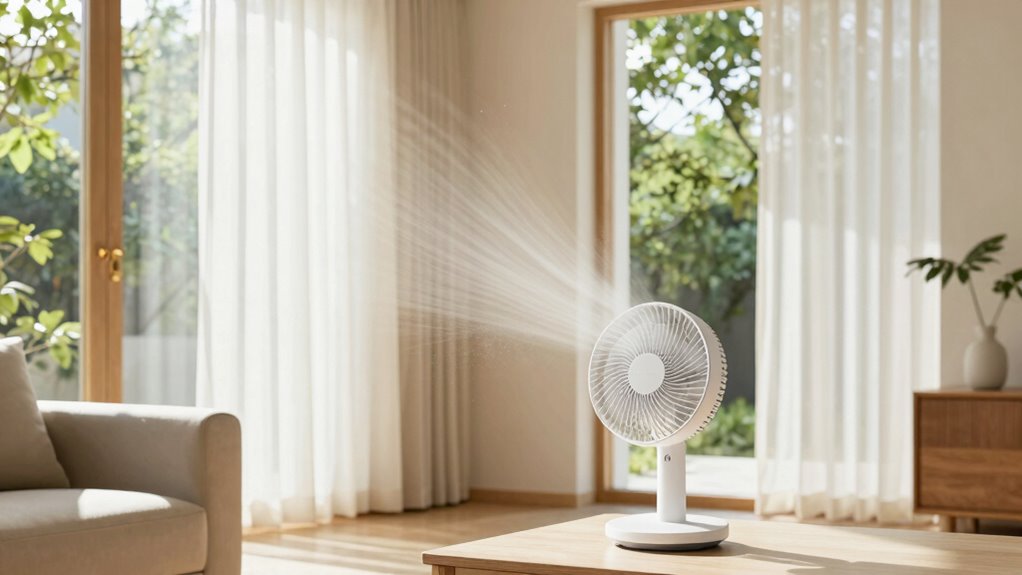
Choosing the right mechanical ventilation option depends on your specific health needs and lifestyle. You’ll want to contemplate how different systems integrate with your HVAC setup and the latest ventilation technology. Here are four options to evaluate:
Selecting the ideal ventilation system depends on your health needs, lifestyle, and HVAC compatibility.
- Exhaust fans – Ideal for removing stale air in kitchens and bathrooms.
- Supply ventilation – Brings fresh air in, perfect for maintaining air quality.
- Balanced ventilation systems – Use heat exchangers to improve efficiency and control humidity.
- Energy Recovery Ventilators (ERVs) – Combine fresh air intake with energy-efficient heat transfer, compatible with most HVAC systems.
Common Mistakes That Reduce Your Home’s Ventilation and How to Avoid Them
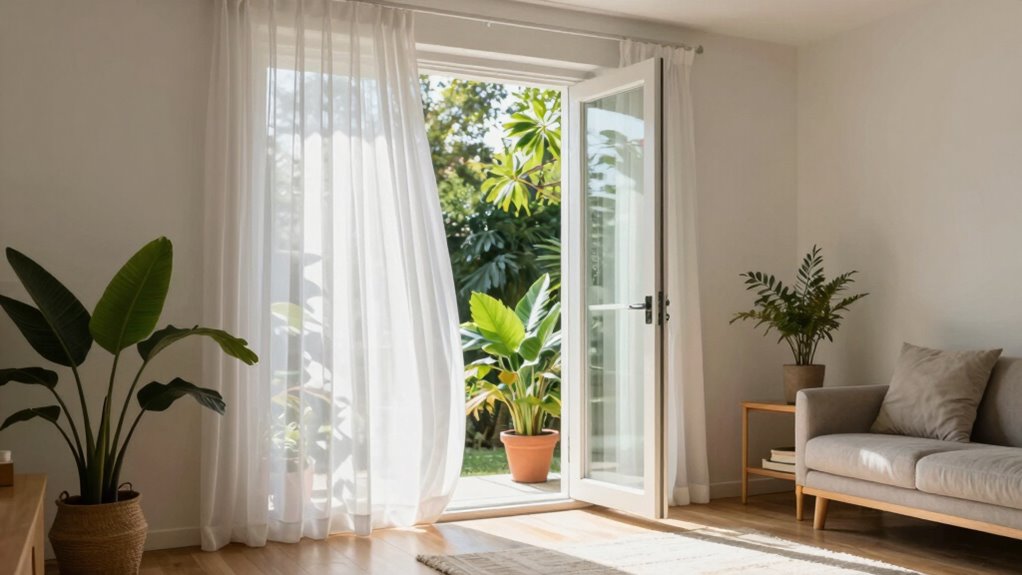
Blocked vents and exhausts can stop fresh air from circulating properly in your home. Poor window practices, like leaving them closed or improperly ventilating, can also limit airflow. To keep your home well-ventilated, make sure vents are clear and windows are used correctly.
Blocked Vents and Exhausts
Even if you have vents and exhausts installed, they can become blocked by debris, dust, or furniture, considerably reducing your home’s ventilation. A vent blocked can prevent fresh air from entering and stale air from escaping, leading to poor indoor air quality. Similarly, a blocked vent exhaust can trap humidity and pollutants inside, causing mold growth and odors. To avoid these issues:
- Regularly inspect vents and exhausts for dust and debris buildup.
- Keep furniture and household items away from vent openings.
- Ensure vents aren’t obstructed by curtains or drapes.
- Schedule routine maintenance to clear any hidden obstructions.
Poor Window Practices
Many homeowners unintentionally reduce their home’s ventilation by making common window mistakes. Poor window practices, like neglecting proper window insulation, can trap stale air inside and block fresh airflow. If you don’t insulate your windows well, temperature differences may cause drafts that hinder ventilation rather than improve it. Additionally, curtain placement plays a vital role; hanging heavy or closed curtains can block cross-ventilation, limiting airflow. To avoid these issues, make certain your windows are properly insulated to allow for better air exchange. Keep curtains open during the day to maximize natural airflow, especially when windows are open. These simple adjustments can notably improve ventilation, helping fresh air circulate and indoor air quality stay healthy.
How to Maintain Good Ventilation for Long-Term Indoor Air Quality
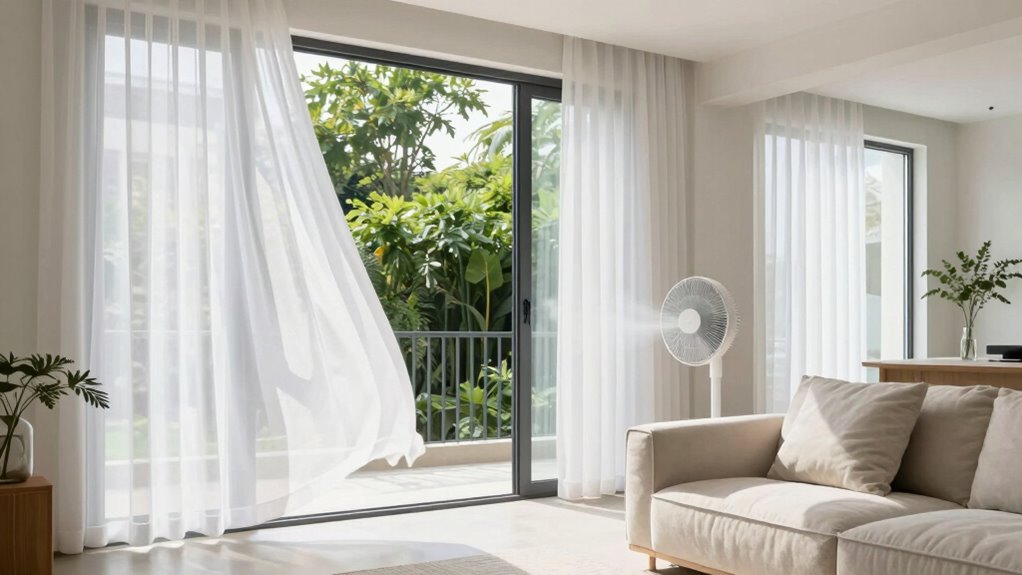
Maintaining good ventilation over the long term requires consistent effort and attention to your home’s airflow. To guarantee lasting indoor air quality, follow these steps:
- Regularly open windows and doors to promote fresh air exchange.
- Use air purifiers to remove airborne pollutants and allergens.
- Incorporate indoor plants, which naturally filter air and boost humidity.
- Schedule routine maintenance of HVAC systems and filters to keep airflow unobstructed.
Frequently Asked Questions
How Often Should I Open Windows for Optimal Air Exchange?
You should open your windows at least twice a day for about 10 minutes each time to maximize air exchange. This window timing helps refresh indoor air, reducing pollutants and humidity. During colder months, open windows briefly to avoid heat loss while still improving ventilation. Consistently practicing this habit keeps your indoor environment healthier and more comfortable, ensuring fresh air circulates regularly without significant energy loss.
Can Plants Improve Indoor Air Quality Through Ventilation?
Indoor plants can considerably improve air quality through natural air purification. They absorb toxins and release oxygen, enhancing ventilation passively. When you place indoor plants in your space, they help filter pollutants and increase humidity, making the air healthier to breathe. To maximize their benefits, combine plant placement with regular window opening, ensuring fresh air circulation and creating a cleaner, more breathable environment for you.
What Is the Ideal Humidity Level for Good Ventilation?
You should aim for a humidity level between 30-50% for good ventilation. Proper humidity control helps maintain balanced air moisture, preventing mold growth and dryness. When air moisture is too high or low, it can hinder air quality and circulation. Use a hygrometer to monitor humidity, and adjust with dehumidifiers or humidifiers as needed. Keeping your indoor environment within this range promotes healthier, more efficient ventilation.
Are There Smart Devices to Monitor Home Ventilation Effectiveness?
Did you know that smart devices can help you monitor your home’s ventilation effectiveness? Many smart home systems now include air quality sensors that track pollutants, humidity, and airflow, giving you real-time data. With these devices, you can easily optimize ventilation, ensuring fresh, healthy air. Investing in a smart monitor not only improves your home’s air quality but also creates a more comfortable living environment effortlessly.
How Does Outdoor Air Pollution Affect Natural Ventilation Choices?
Outdoor air pollution can considerably impact your natural ventilation choices by creating ventilation barriers, making it harder to guarantee good indoor air quality. To mitigate this, you should consider air pollution mitigation strategies like avoiding open windows during high pollution times or using air purifiers. These steps help you maintain fresh air inside without letting outdoor pollutants enter, ensuring a healthier living environment even when pollution levels are high outside.
Conclusion
By making simple ventilation habits part of your daily routine, you’ll breathe easier and create a healthier home. Sometimes, just opening a window or switching on a fan can make all the difference. It’s funny how such small actions can improve your air quality and brighten your day. Remember, a well-ventilated home isn’t just about air—it’s about feeling truly comfortable and safe in your space. Keep it simple, and breathe easier every day.