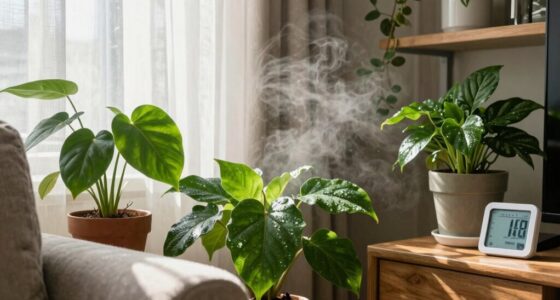
If you notice persistent headaches, allergies, or fatigue that improve when you’re away, your indoor air might be the culprit. Unusual odors, visible mold, dust buildup, or water stains are also signs that your home has poor air quality. Breathing issues, sore throat, or worsening asthma symptoms indicate pollutants like mold, dust, or chemicals are present. To protect your health, it’s important to identify these signs early—keep exploring to learn how to improve your indoor environment.
Key Takeaways
- Persistent headaches, fatigue, or allergy symptoms that improve outside your home may indicate poor indoor air quality.
- Musty odors, mold growth, or water stains signal biological pollutants and inadequate ventilation issues.
- Visible dust buildup and particle accumulation suggest filtration problems and airborne pollutant buildup.
- Water damage signs like stains, soft spots, or peeling paint often point to hidden mold and moisture problems.
- Symptoms worsening indoors but improving when away indicate indoor air pollutants are affecting your health.
How to Recognize Symptoms of Poor Indoor Air Quality
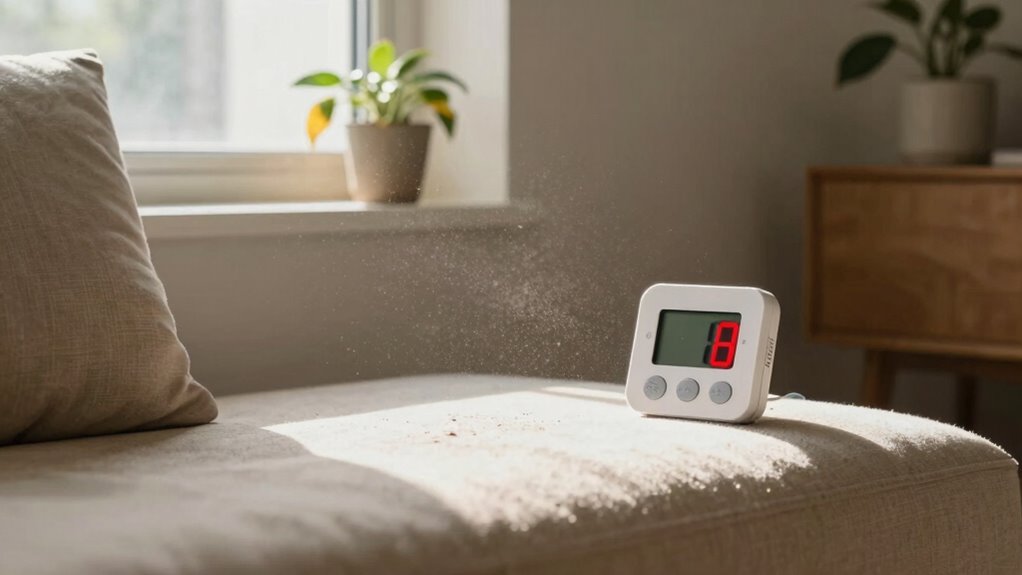
Have you noticed persistent issues like headaches, allergies, or fatigue that don’t seem to go away? These could be signs of poor indoor air quality. One key indicator is stuffy or stale air, which suggests your ventilation systems aren’t working effectively. If your home lacks proper air purification, airborne pollutants can build up, triggering allergies or respiratory issues. Pay attention to any unusual odors or a constant feeling of being unwell, as these often point to inadequate ventilation. Regularly check if your ventilation systems are functioning properly and consider adding air purification devices to improve air circulation. Additionally, microplastics in dust can contribute to indoor pollution and impact health. Recognizing these symptoms early helps you address potential air quality problems before they worsen, ensuring a healthier, more comfortable home environment. Proper ventilation and air quality monitoring are essential steps in maintaining a safe indoor environment. Moreover, maintaining your air purifier maintenance can significantly improve overall air quality and reduce health risks. Being aware of indoor pollutant sources can help you take proactive steps to minimize exposure.
Identify Indoor Air Pollutants Like Musty Odors and Chemicals
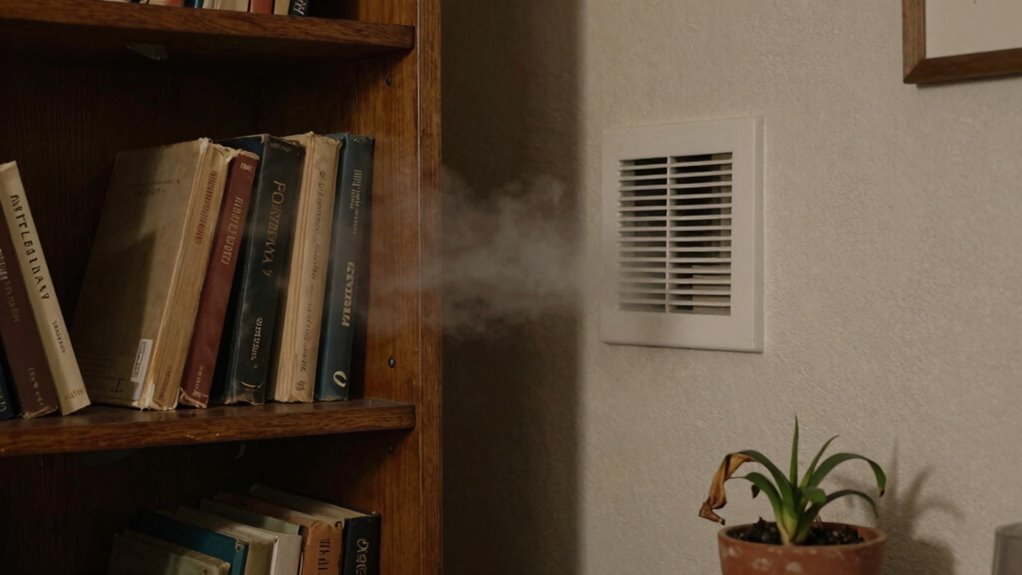
Unusual odors or visible signs of mold often point to specific indoor air pollutants that can compromise your home’s air quality. Musty smells are a common indicator of mold growth, which releases spores into the air and can cause health problems. Chemical odors from cleaning chemicals and air fresheners also signal potential hazards; these products often contain volatile organic compounds (VOCs) that linger in the air. If you notice persistent chemical smells or a damp, musty odor, it’s a sign to investigate further. Regularly evaluate your home for visible mold, and use air purifiers to reduce airborne pollutants. Additionally, understanding the Mammography Guidelines can help you make informed decisions about health screenings and early detection practices. To better manage indoor air quality, familiarize yourself with effective ventilation strategies to reduce pollutant buildup.
Watch for Allergies and Breathing Issues That Won’t Improve
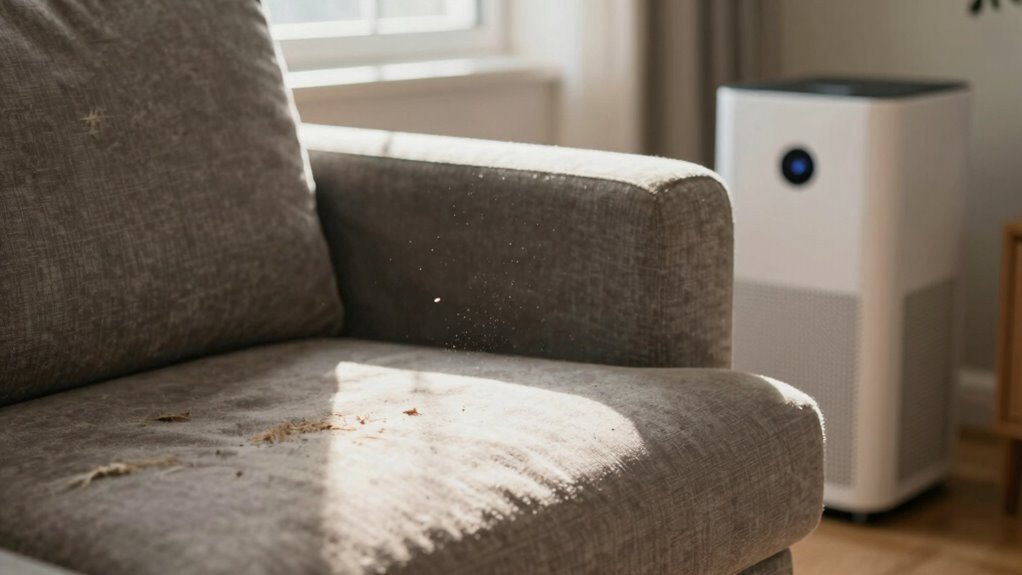
If your allergies or breathing problems persist despite taking usual precautions, your home’s indoor air quality might be be to blame. Poor air can irritate your respiratory system and worsen allergies. Ensuring regular HVAC maintenance is essential; clogged filters and dirty ducts reduce air quality. Consider upgrading your system with an effective air purifier, but first, research your options carefully—air purifier selection can make a significant difference. Look for models that target allergens like pollen, pet dander, and dust particles. Additionally, ventilation systems can help improve indoor air circulation and quality. Incorporating air quality testing can identify specific pollutants and guide effective solutions. Regular filter changes are crucial to maintain optimal air purity and prevent buildup of irritants. Implementing air circulation improvements can further enhance indoor air freshness and reduce stagnant air. If symptoms continue despite these efforts, it’s a clear sign that your indoor air needs attention. Addressing these issues promptly can improve your comfort and health, making your home a safer, healthier place to breathe. Improving indoor air quality can significantly reduce allergens and airborne irritants in your home.
Detect Dust, Mold, and Particles in Your Home

Persistent allergy and breathing issues despite improvements often indicate hidden indoor pollutants like dust, mold, or airborne particles. To detect these, start by inspecting your home’s air quality. Air purifiers with HEPA filters can trap dust, mold spores, and other particles, providing immediate relief and identifying problem areas. Additionally, check your ventilation systems—they should circulate fresh air and remove contaminants. If your system is outdated or poorly maintained, it can circulate pollutants instead of eliminating them. Regularly replace filters and ensure proper airflow. Using air purifiers and maintaining effective ventilation systems helps you identify and reduce airborne allergens, making your home safer. Ensuring proper air circulation is vital for preventing the buildup of indoor pollutants. Staying proactive with these tools is essential to improving indoor air quality and safeguarding your health. Indoor air quality is a crucial factor in maintaining a healthy living environment. Proper ventilation ensures that pollutants are expelled and fresh air is introduced, which is vital for your overall well-being.
Spot Moisture Problems and Water Damage
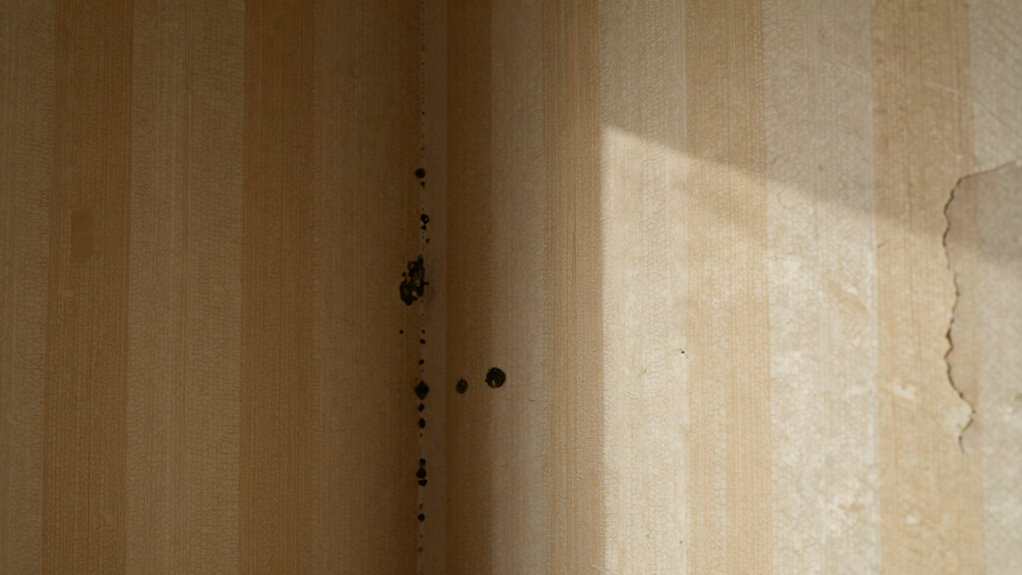
Water intrusion often leaves subtle signs that can lead to costly damage if overlooked. Look for areas where moisture intrusion or water seepage occurs, such as stained walls, peeling paint, or warped flooring. Check around windows, doors, and pipes for dampness or discoloration. Moisture problems can also hide behind walls or under floors, so keep an eye out for musty odors or soft spots that indicate hidden water damage. Ignoring these signs can result in mold growth and structural issues. Regularly inspect your home’s vulnerable spots and address any moisture intrusion promptly. Catching water seepage early helps prevent long-term damage and maintains the health of your indoor air. Being aware of early water damage detection methods can further assist in preventing extensive repairs and health hazards. Utilizing proper water damage and rug cleaning techniques can help mitigate further issues and preserve indoor air quality. Incorporating moisture sensors or home moisture monitoring devices can provide real-time alerts and enhance your home’s protection against hidden water problems. Additionally, understanding the importance of preventative maintenance can save you money and stress in the long run. Staying vigilant about moisture problems is a key step in protecting your home and your well-being, especially since floating on water concepts like water safety and maintenance play a role in overall home care.
Learn How Poor Air Quality Affects Your Sleep and Energy
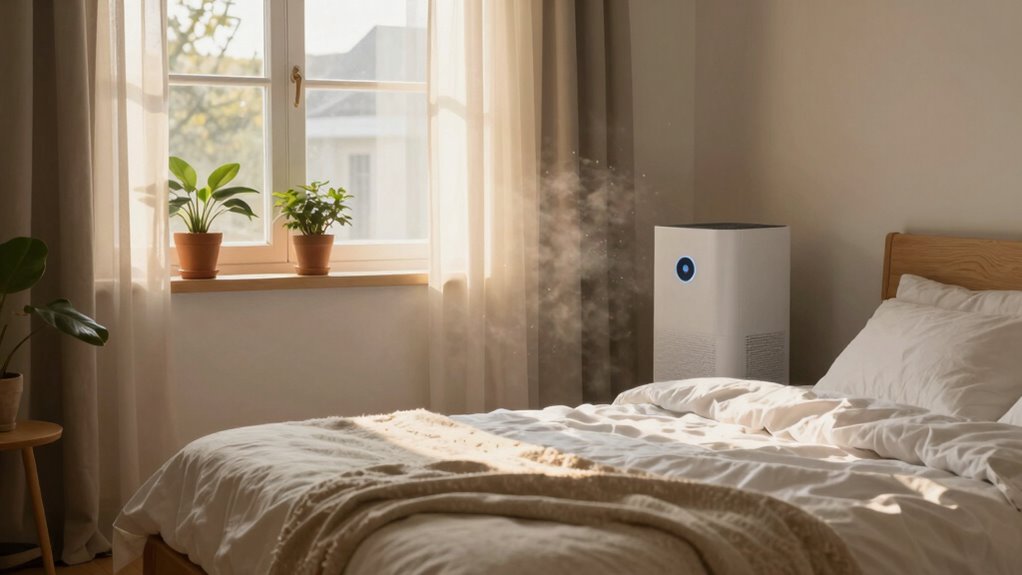
Poor air quality can disrupt your sleep by causing allergies or respiratory issues, making it hard to rest soundly. When your sleep suffers, your energy levels drop, leaving you feeling fatigued throughout the day. Over time, this lack of quality rest and low energy can impact your overall productivity and well-being. Additionally, air quality directly influences the presence of indoor pollutants that can exacerbate health problems. Maintaining good ventilation can help improve indoor air and support better sleep and energy levels. Regularly updating your home’s air filtration system can further reduce harmful particles and improve overall air quality, which is essential for maintaining healthy indoor environments. Proper air circulation is also crucial in dispersing pollutants and preventing stagnation, thereby enhancing overall air quality for better health.
Sleep Disruptions Caused by Pollutants
Since your home’s air quality can directly impact your sleep, even small amounts of pollutants might be disrupting your rest without you realizing it. Indoor pollutants like dust, mold spores, and volatile organic compounds (VOCs) can cause breathing issues and irritation that wake you during the night. Using air purifiers helps remove airborne toxins, promoting cleaner, healthier air. Additionally, proper ventilation systems ensure fresh air flows in, reducing indoor pollutant buildup. When pollutants linger, they can trigger allergies, asthma, or respiratory discomfort, all of which interfere with your sleep quality. If you notice frequent waking, restless nights, or difficulty falling asleep, poor air quality might be a contributing factor. Addressing these issues with effective air purifiers and ventilation can help improve your sleep and overall well-being.
Fatigue From Poor Air Quality
Have you ever felt exhausted even after a full night’s sleep? Poor indoor air quality could be the culprit. Contaminants like dust, mold, and allergens linger in your home, sapping your energy. Using air purifiers can help remove these irritants, but they work best when your HVAC system is properly maintained. Regular HVAC maintenance ensures filters are clean and functioning efficiently, reducing airborne pollutants. Without it, pollutants accumulate, making your sleep less restful and leaving you drained during the day. Poor air quality doesn’t just affect breathing; it impacts your overall energy levels. Investing in air purifiers and keeping your HVAC system in top shape can markedly improve your indoor environment, helping you wake up refreshed and stay energized throughout the day.
Reduced Energy Levels Daily
If the air inside your home is filled with pollutants, you might notice a drop in your daily energy levels. Poor indoor air quality can cause fatigue, making it harder to stay active and alert. Using an air purifier benefits your home by removing allergens, dust, and toxins that drain your energy. Additionally, applying proper ventilation techniques helps refresh indoor air and reduce pollutant buildup. When fresh air circulates effectively, you’ll feel more energized and less sluggish throughout the day. Investing in these strategies can profoundly improve your overall vitality, sleep quality, and productivity. Don’t underestimate how much cleaner, better-ventilated air can boost your daily energy—your body will thank you.
Signs of Mold Growth and Its Impact on Your Health

Mold growth often manifests through visible signs like dark spots on walls, ceilings, or around windows, but it can also be hidden behind furniture or in less accessible areas. If you notice musty odors, increased allergy symptoms, or respiratory issues, mold might be the culprit. Signs of mold growth can severely impact your health, causing coughing, sneezing, or skin irritation. To confirm, consider a professional mold inspection. Using an air purifier equipped with HEPA filters helps reduce airborne mold spores and improves indoor air quality. Keep an eye out for:
- Persistent musty smell
- Visible mold patches
- Increased allergy or asthma symptoms
- Water stains or discoloration
- Hidden mold behind furniture or drywall
Addressing these signs promptly can protect your health and ensure better indoor air quality.
Check Your Home for Common Indoor Pollutants
You need to check your home for common indoor pollutants like dust, pet dander, and volatile organic compounds. Hidden sources, such as household cleaners or new furniture, can contribute to poor air quality without you realizing it. Breathing in these pollutants can cause health issues, including allergies, asthma, and respiratory problems.
Common Indoor Pollutants List
Many common indoor pollutants quietly accumulate in your home, posing potential health risks. These substances can come from everyday items or outdoor air quality issues that seep inside. To protect yourself, be aware of these key pollutants:
- Volatile organic compounds (VOCs) from cleaning products and paints
- Pet dander and dust mites
- Tobacco smoke and indoor combustion fumes
- Mold and mildew spores
- Radon gas seeping from the ground
Indoor air can be more polluted than outdoor air, especially if your home lacks proper ventilation. Using air purification systems can help reduce these pollutants, improving your indoor air quality. Regularly checking for these common pollutants is essential to creating a healthier living environment and minimizing health risks.
Identifying Hidden Sources
To effectively identify hidden sources of indoor pollutants, start by thoroughly inspecting your home for common problem areas. Check your ventilation systems; poorly maintained filters can trap dust, mold spores, and other contaminants. Ensure vents are clean and functioning properly to promote proper airflow. Look for hidden mold in damp areas like bathrooms and basements, as mold releases spores that pollute indoor air. Also, examine your air purifier efficiency—if your purifier isn’t capturing particles effectively, it may need replacement or a better model. Pay attention to sources like cleaning supplies, fragrances, and indoor smoking, which can contribute to indoor pollution. Regularly inspecting these areas helps you spot pollutants early, improving your home’s air quality and supporting healthier living conditions.
Health Effects of Pollutants
Indoor pollutants can pose serious health risks if left unchecked, as they can irritate your respiratory system, trigger allergies, and even cause long-term illnesses. Poor air filtration allows these pollutants to linger, increasing exposure. Common pollutant sources include tobacco smoke, mold, pet dander, cleaning chemicals, and volatile organic compounds (VOCs) from household products. Without proper air filtration, these harmful particles remain airborne, affecting your health over time. Regularly checking for pollutant sources and improving air filtration can reduce risks. Be alert for symptoms like coughing, sneezing, shortness of breath, headaches, or unexplained fatigue. Addressing indoor pollutants promptly can considerably improve your home’s air quality and protect your long-term health. Staying vigilant about pollutant sources is essential for a healthier living environment.
Simple Steps to Improve Your Indoor Air Quality
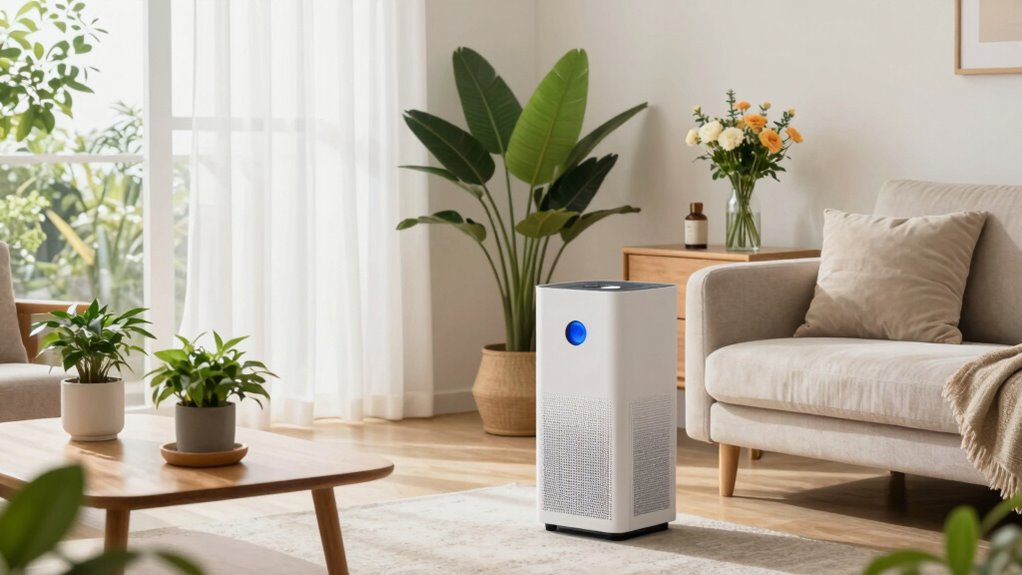
Improving your indoor air quality doesn’t have to be complicated. Start by using an air purifier to remove dust, allergens, and pollutants from the air you breathe daily. Make sure your ventilation system is functioning properly, allowing fresh air to circulate and stale air to escape. Regularly change filters in your HVAC system to maintain efficiency. Keep your home clean by dusting and vacuuming frequently, especially carpets and upholstery that trap allergens. Open windows whenever weather permits to introduce natural ventilation. Consider adding plants known for air-purifying qualities, but don’t rely solely on them. These simple steps can markedly reduce indoor pollutants, creating a healthier environment for you and your family. Consistent effort makes a noticeable difference in indoor air quality over time.
Frequently Asked Questions
How Often Should I Test My Home’s Indoor Air Quality?
You should test your home’s indoor air quality at least once a year using air quality testing and indoor air monitoring. If you notice signs like persistent odors, allergies, or respiratory issues, consider testing more frequently—every few months. Regular air quality checks help catch pollutants early and guarantee your indoor environment remains safe and healthy. Staying proactive keeps your home’s air clean and your family healthy.
Can Pets Significantly Affect Indoor Air Pollution Levels?
Yes, pets can substantially affect indoor air pollution levels. Pet dander, allergens, and even hair can accumulate in your home, triggering allergies or asthma. These particles become airborne, especially if your ventilation isn’t adequate. Regular cleaning, vacuuming with a HEPA filter, and grooming your pets can help reduce these pollutants, improving your indoor air quality and creating a healthier environment for everyone.
Are Air Purifiers Effective Against All Indoor Pollutants?
Air purifiers aren’t effective against all indoor pollutants due to their limitations in pollutant removal efficiency. They work well on airborne particles like dust and pet dander, but struggle with gases, odors, and volatile organic compounds. You should understand these air purifier limitations and choose models with high-efficiency filters suited for your specific needs. Using multiple methods, like ventilation and source control, can also help improve your indoor air quality.
How Does Ventilation Influence Indoor Air Quality?
Imagine your home’s air as a steady river, constantly flowing and invigorating. Ventilation plays an essential role by increasing air exchange and enhancing indoor airflow, which helps remove indoor pollutants and bring in fresh air. Without proper ventilation, stale air accumulates, affecting your health and comfort. You’ll notice clearer, healthier indoor air when you prioritize good ventilation, turning your home into a breath of fresh air.
What Are the Long-Term Health Risks of Poor Indoor Air Quality?
If you ignore poor indoor air quality, you risk long-term health issues like respiratory problems, allergies, and asthma. Indoor allergens such as dust, pet dander, and mold growth can worsen these conditions over time. Mold can cause chronic coughing, headaches, and immune system issues. Regular ventilation helps reduce these risks by keeping indoor air fresh and limiting the buildup of indoor allergens and mold.
Conclusion
If you ignore the signs, your home’s air could be making you sick faster than you can blink. Pay attention to odors, allergies, and moisture issues—these are your home’s warning signals. Improving your indoor air quality isn’t just a good idea; it’s your best shot at keeping your health in top shape. Don’t let poor air turn your cozy home into a danger zone—act now before it’s too late!