The ideal indoor humidity range for comfort and home protection is between 40-60%. Staying within this range prevents issues like mold, wood warping, and dry skin while promoting better breathing and overall health. Too dry or too humid air can cause damage and discomfort, so monitoring your home’s moisture levels is key. Keep it steady with the right devices and tips, and you’ll create a healthier, more comfortable space—discover how to find and maintain your perfect balance.

Get health and wellness essentials delivered free — and shop member deals
- Fast, free delivery on millions of items
- Access to Prime Big Deal Days deals on October 6–7
- Prime Video, Amazon Music and more included
Key Takeaways
- The ideal indoor humidity range is 40-60%, balancing comfort, health, and property protection.
- Maintaining this range prevents mold, mildew, and wood damage, while reducing static electricity.
- Proper humidity levels support respiratory health and prevent dry skin and irritated eyes.
- Use hygrometers and smart sensors to monitor humidity and adjust humidifiers or dehumidifiers accordingly.
- Seasonal adjustments and regular maintenance ensure consistent comfort and safeguard your home.
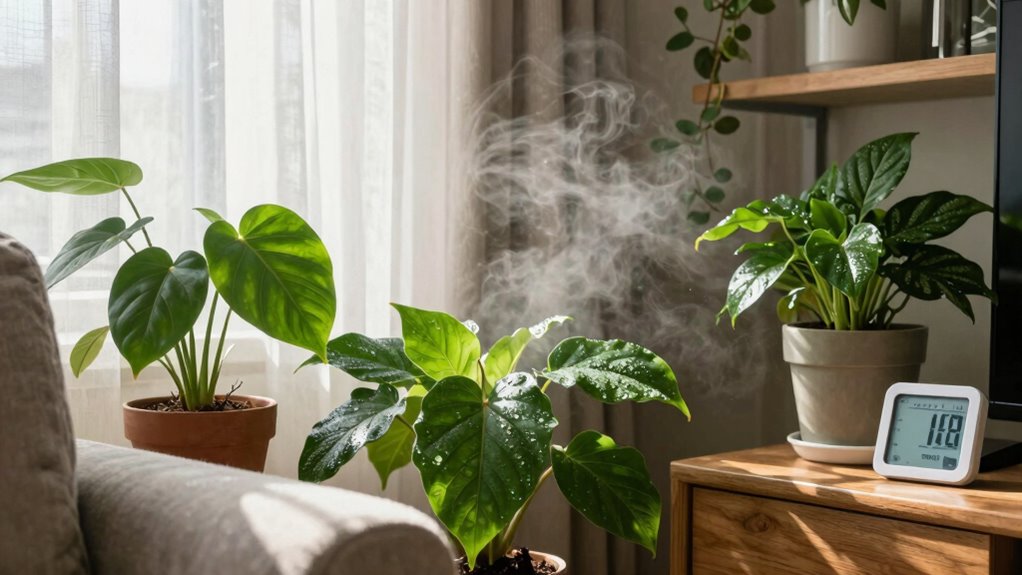
digital hygrometer for indoor humidity
As an affiliate, we earn on qualifying purchases.
As an affiliate, we earn on qualifying purchases.
What Is the Ideal Indoor Humidity Range for Comfort and Protection
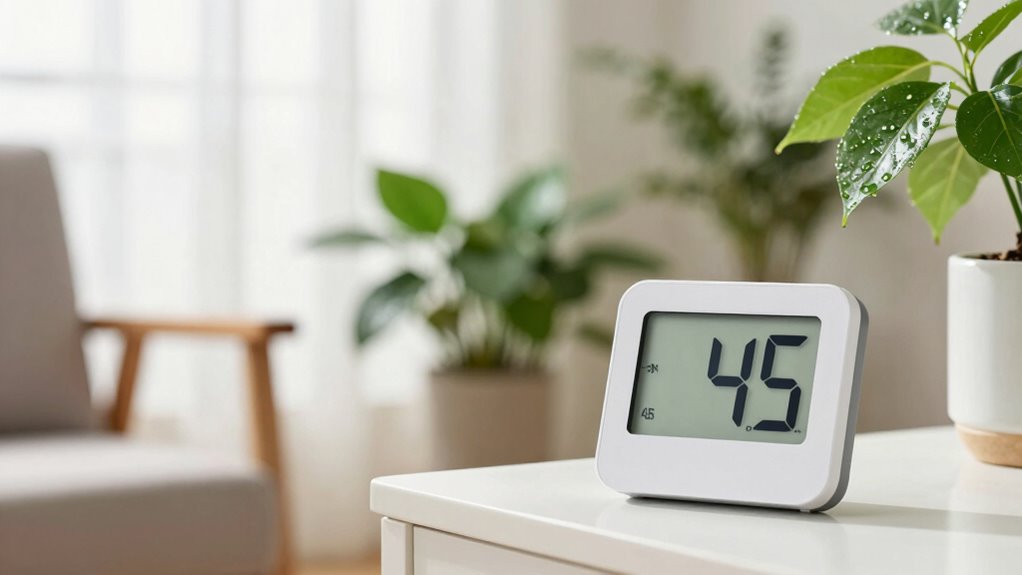
Maintaining the right indoor humidity level is essential for both comfort and protection. When you keep humidity between 40-60%, you create an environment that’s comfortable and healthy. This range supports indoor plant care, as many houseplants thrive within these levels, enhancing your space’s aesthetics. Proper humidity prevents issues like dry skin, irritated eyes, and respiratory discomfort, making your environment more pleasant. It also helps preserve furniture, artwork, and wooden fixtures by reducing cracking and warping. Balancing humidity not only boosts your comfort but also protects your home’s interior. Additionally, managing humidity levels can help mitigate the presence of microplastics in dust, which can impact indoor air quality. Controlling humidity within this ideal range can also influence the air quality, promoting a more inviting atmosphere that benefits both your health and the visual appeal of your living space. Maintaining optimal humidity levels can also support HVAC system efficiency, reducing energy costs and ensuring consistent comfort throughout your home.
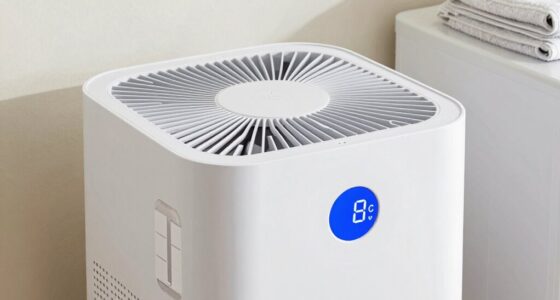
automatic humidifier and dehumidifier combo
As an affiliate, we earn on qualifying purchases.
As an affiliate, we earn on qualifying purchases.
How Can You Tell if Your Indoor Humidity Is Too Low or Too High?
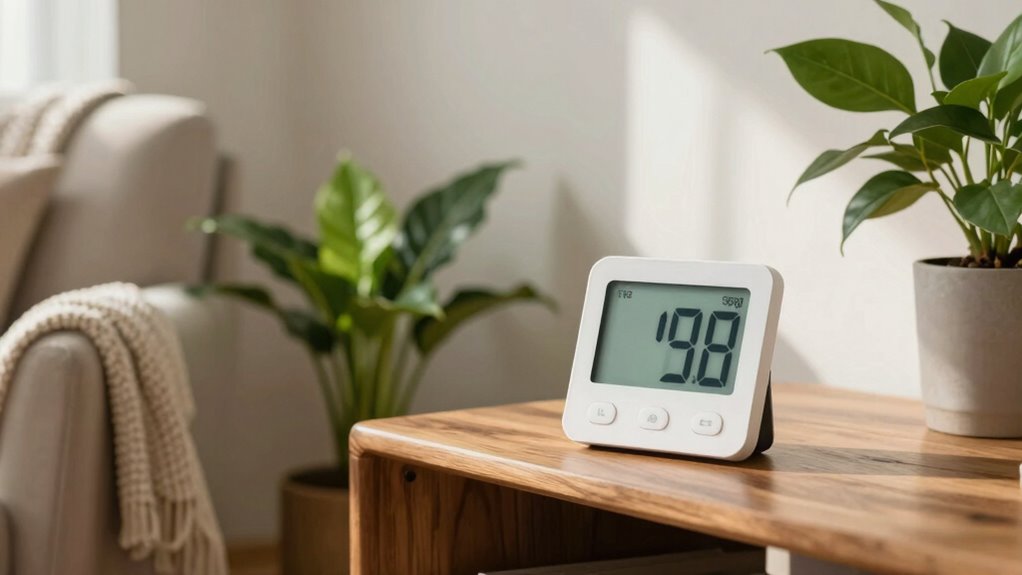
You can often tell if your indoor humidity is too low or too high by paying attention to your environment and how it makes you feel. Low humidity can cause dry skin, irritated eyes, and breathing discomfort, while high humidity may lead to a musty smell and condensation on windows. Additionally, incorporating modern interactive murals or digital frames that monitor environmental conditions can help you stay aware of humidity levels in real-time. To detect humidity issues, look for these signs:
- Dry or cracked skin and lips
- Frequent colds or respiratory discomfort
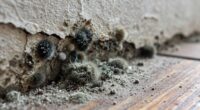
- Condensation or mold growth on walls and ceilings
- Persistent musty odors
- Proper humidity levels are essential for maintaining a healthy indoor environment and preventing issues like mold and bacteria growth. When humidity is out of the optimal range, it can also impact home theater projector performance, leading to image quality issues or device malfunctions. Regularly measuring humidity with a reliable hygrometer can provide more accurate insights into your indoor conditions. Monitoring these signs helps you maintain proper breathing comfort and prevent mold. If you notice these symptoms or issues, it’s a good indication your humidity levels need adjustment to stay within the ideal range. Regular use of dehumidifiers or humidifiers can help maintain the humidity sweet spot and ensure a comfortable, healthy home environment.
As an affiliate, we earn on qualifying purchases.
How Do You Measure Indoor Humidity Levels at Home?
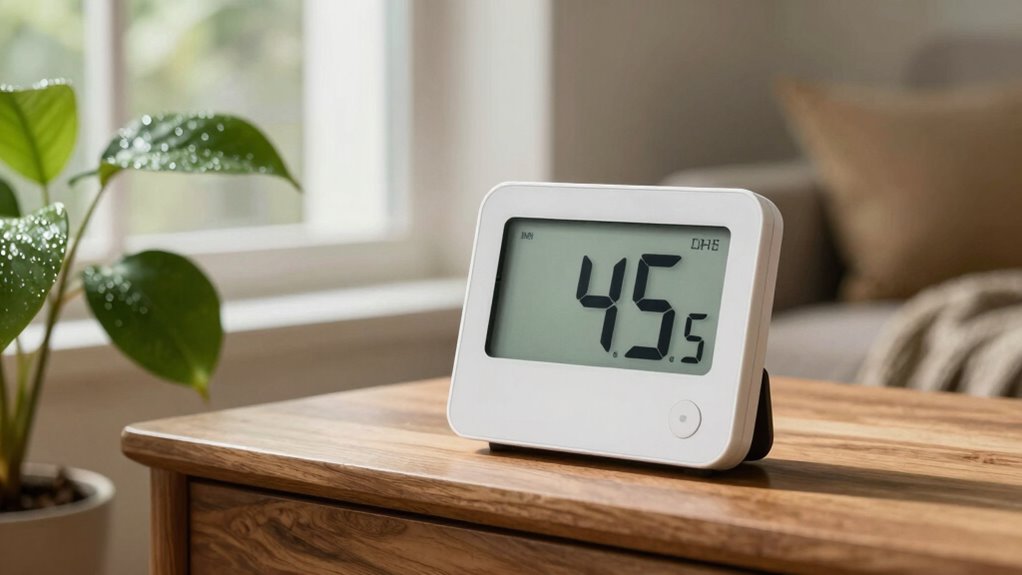
To accurately gauge your indoor humidity, you can use a hygrometer, which provides instant readings of moisture levels. These devices are easy to set up and read, helping you maintain the ideal range. Alternatively, monitoring with mobile devices or smart sensors offers convenient, real-time updates on your home’s humidity. Understanding humidity levels is essential for protecting your home and ensuring a comfortable environment. Additionally, incorporating Indonesian decor masks or other cultural artifacts can enhance the aesthetic appeal while maintaining a balanced indoor atmosphere. Being aware of family photoshoot fails can help you prepare your space to avoid unexpected disruptions during photos. Proper ventilation and humidity control techniques further contribute to maintaining an optimal indoor climate. Regularly checking your hygrometer ensures that your measurements stay accurate and your environment remains comfortable.
Using Hygrometers Effectively
Measuring indoor humidity accurately is essential for maintaining a comfortable and healthy home environment, and hygrometers are the go-to tools for this task. To use them effectively, you should:
- Place your hygrometer in a central location, away from direct sunlight or drafts.
- Regularly calibrate your hygrometer to ensure accurate readings, especially if it’s an analog model.
- Use your hygrometer to monitor humidity levels before adjusting your dehumidifier or humidifier.
- Check readings daily and note any fluctuations, which may indicate the need for dehumidifier maintenance or calibration adjustments.
Proper use helps keep humidity within the ideal range, protecting your home from mold or damage. Consistent monitoring ensures your hygrometer provides reliable data.
Monitoring With Mobile Devices
Ever wonder how to check your home’s humidity levels without bulky equipment? Modern technology makes it easy with smartphones integration and wireless sensors. You can place small sensors in different rooms to monitor humidity continuously. These sensors transmit data wirelessly to your phone, giving you real-time updates through dedicated apps. This seamless integration simplifies recovery routines by providing accurate, timely humidity data. Additionally, many systems now incorporate smart home integration, allowing you to automate adjustments based on current humidity levels. Some devices also feature automatic alerts** that notify you when humidity fluctuates outside your desired range, making maintenance even more effortless. This setup allows you to track fluctuations and maintain ideal humidity levels effortlessly. No need for manual readings or complicated devices—just check your phone to see current conditions. Some systems even send alerts if humidity drops too low or rises too high, helping you respond promptly. With wireless sensors, smartphone integration, and real-time monitoring**, monitoring indoor humidity becomes simple, convenient, and precise, empowering you to create a healthier, more comfortable home environment.
As an affiliate, we earn on qualifying purchases.
How Does Humidity Affect Your Furniture, Walls, and Home Environment?
Humidity levels directly impact the condition of your furniture, walls, and overall home environment. Too high or low humidity can cause issues like mold growth and attract dust mites. When humidity exceeds 60%, moisture encourages mold growth on walls, wood furniture, and fabric. Conversely, low humidity can cause wood to crack, paint to peel, and dust mites to thrive, aggravating allergies. Maintaining the right humidity range helps protect your home. Here’s how humidity affects your space:
- Excess moisture promotes mold and mildew on surfaces.
- Low humidity leads to cracking and warping of wooden furniture.
- Dust mites flourish in humid conditions, worsening allergies.
- Proper humidity prevents paint and wallpaper deterioration.
- Using performance parts like humidifiers or dehumidifiers can optimize your indoor climate.
- Regularly monitoring indoor humidity levels ensures your environment stays within the ideal range, protecting your home and health. Additionally, consistent management of humidity control systems can prevent sudden fluctuations that may harm household items.
- Controlling humidity with the right equipment also helps prevent moisture buildup, reducing potential damage.
- Maintaining optimal humidity levels supports energy efficiency by reducing the need for excessive heating or cooling.
What Are the Health Benefits of Maintaining the Right Indoor Humidity?
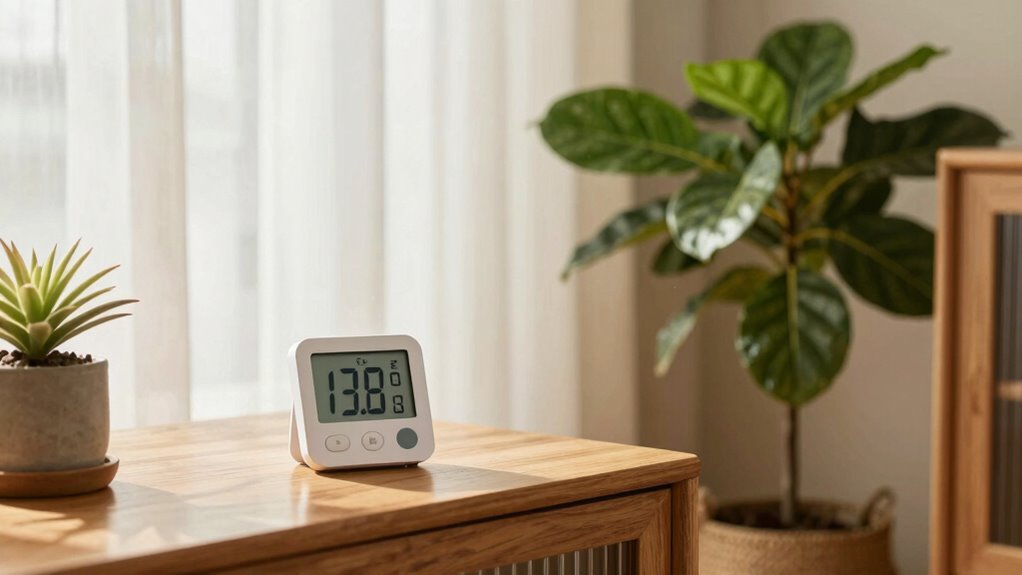
Maintaining the right indoor humidity level can considerably boost your overall health and well-being. When humidity stays within the *ideal* range, it reduces airborne allergens like dust mites, mold spores, and pet dander, making the air cleaner and safer to breathe. Proper humidity supports your respiratory health by preventing dryness that can irritate your throat and nasal passages. It also helps keep mucus membranes moist, which improves your body’s ability to filter out harmful particles. Additionally, balanced humidity minimizes the risk of respiratory infections and alleviates symptoms of asthma and allergies. By controlling indoor moisture levels, you create a healthier environment that promotes better sleep, enhances immune function, and reduces discomfort caused by dry or overly humid air. Research indicates that vetted humidity levels can also prevent the growth of mold and bacteria, further supporting a healthier indoor environment. Maintaining optimal humidity also promotes comfort and can help prevent issues like static electricity and wood warping. Proper humidity levels can also support air filtration systems in your home, making them more effective at removing airborne contaminants.
How Can You Keep Humidity Levels Steady Year-Round?
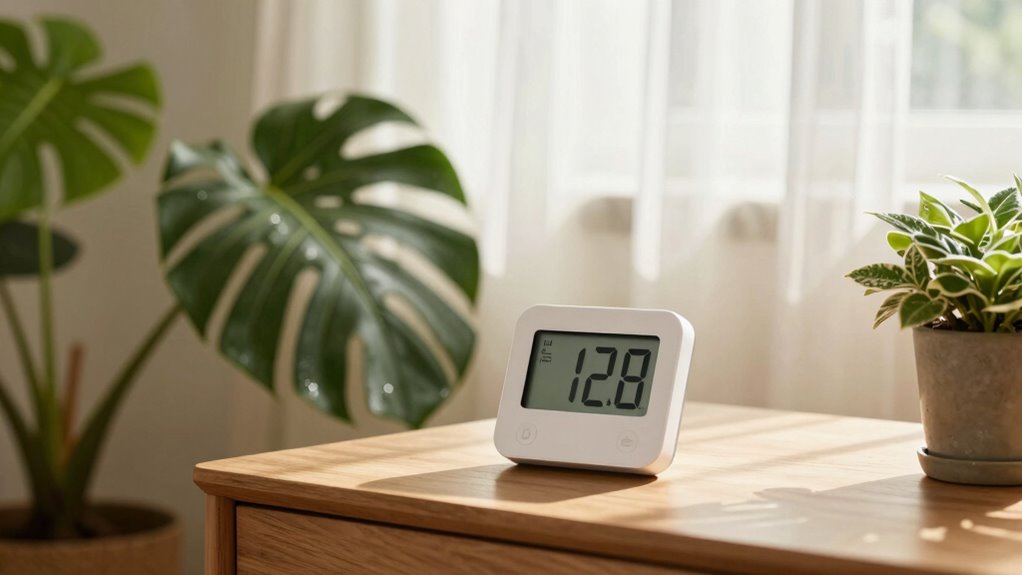
To keep humidity levels steady all year, you can use a humidifier or dehumidifier to add or remove moisture as needed. Sealing drafts and leaks helps maintain consistent humidity and saves energy. Regularly monitor indoor humidity levels so you can adjust your methods and stay within the ideal range.
Use a Humidifier or Dehumidifier
Using a humidifier or dehumidifier is one of the most effective ways to keep your indoor humidity levels steady throughout the year. Portable humidifiers can add moisture when air is dry, especially in winter, while dehumidifiers remove excess moisture during humid months. To guarantee ideal performance, regularly perform dehumidifier maintenance, such as cleaning filters and emptying tanks. Here are some tips to keep humidity in check:
- Use a humidifier during dry seasons to prevent dryness.
- Employ a dehumidifier when humidity rises above 60%.
- Choose the right size unit for your space.
- Monitor humidity levels with a hygrometer for consistent comfort and protection.
Seal Drafts and Leaks
Sealing drafts and leaks is essential for maintaining steady indoor humidity levels year-round. Air leaks allow outdoor moisture or dry air to enter your home, causing fluctuations that make it hard to keep a consistent humidity level. To prevent this, identify areas where drafts are common, such as around windows, doors, or utility penetrations. Seal drafts with weatherstripping, caulk, or foam insulation to block unwanted air movement. By sealing air leaks, you reduce the influx of outside humidity or dry air, helping your indoor environment stay stable. This not only improves comfort but also protects your home’s structure and improves energy efficiency. Taking these steps ensures your indoor humidity remains within the ideal range, regardless of seasonal changes outside.
Monitor Indoor Humidity Levels
Keeping indoor humidity levels steady throughout the year requires regular monitoring. To do this effectively, track your home’s dew point and relative humidity with a hygrometer. This helps you understand how moist the air truly is, preventing mold and damage. Here are four tips:
- Check humidity levels daily, especially during seasonal changes.
- Use a hygrometer to monitor both dew point and relative humidity.
- Adjust your humidifier or dehumidifier based on readings.
- Keep indoor humidity between 40-60% for comfort and protection.
Consistently measuring these factors guarantees you maintain a humidity “sweet spot” that feels better and safeguards your home. Staying on top of humidity levels minimizes the risk of mold, condensation, and wood warping, keeping your environment healthy year-round.
Which Devices Help Control and Monitor Indoor Humidity?
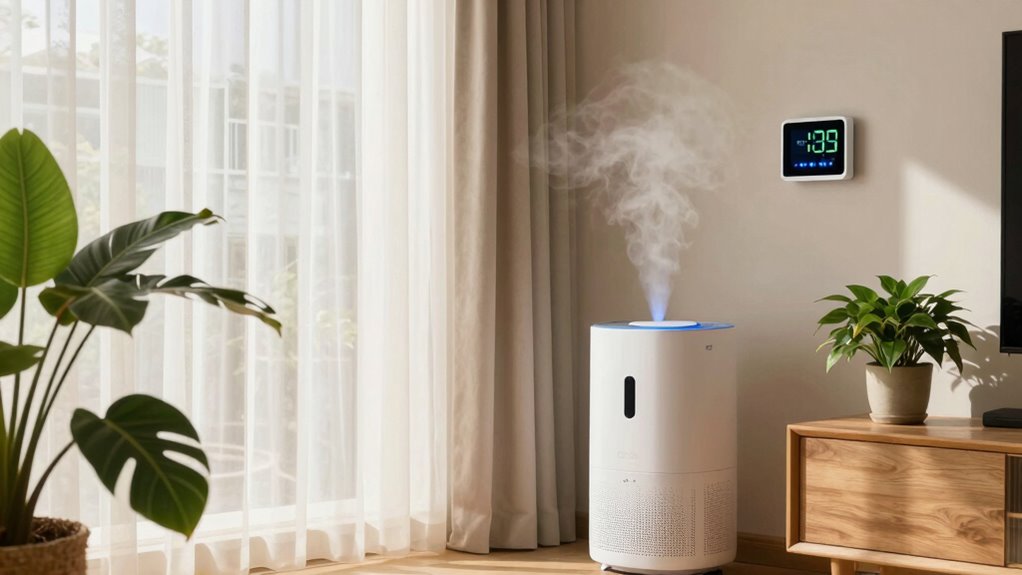
To effectively manage indoor humidity levels, you’ll want devices that both monitor and control moisture. Smart sensors are key—they provide real-time data on humidity levels, allowing you to track changes easily. These sensors can be integrated into smart home systems, giving you remote access and automation capabilities. Humidity controllers work alongside sensors to automatically adjust moisture levels, turning on humidifiers or dehumidifiers as needed. Some advanced controllers even learn your preferences over time for improved comfort. Portable options are available if you prefer flexibility, while fixed units are ideal for larger spaces. Using these devices together helps maintain the most suitable humidity range, preventing issues like mold or dry skin while keeping your home comfortable and protected.
Common Mistakes That Disrupt Your Humidity Balance
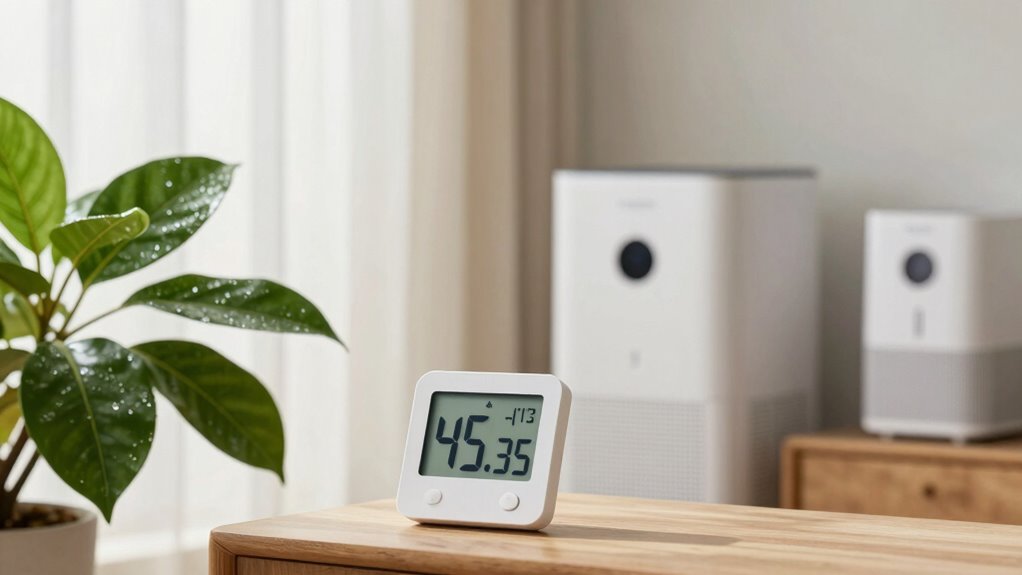
One common mistake that can throw off your humidity balance is neglecting regular maintenance of your humidifiers and dehumidifiers. This often leads to issues like mold growth or equipment failure, disrupting your ideal humidity range. Many people fall for common misconceptions and humidity myths, believing that setting devices to maximum is always best. To avoid mistakes, consider these points:
- Ignoring filter and sensor cleaning
- Overusing or underusing devices based on humidity myths
- Not adjusting settings seasonally
- Disregarding signs of equipment malfunction
When Should You Call a Professional for Humidity Problems
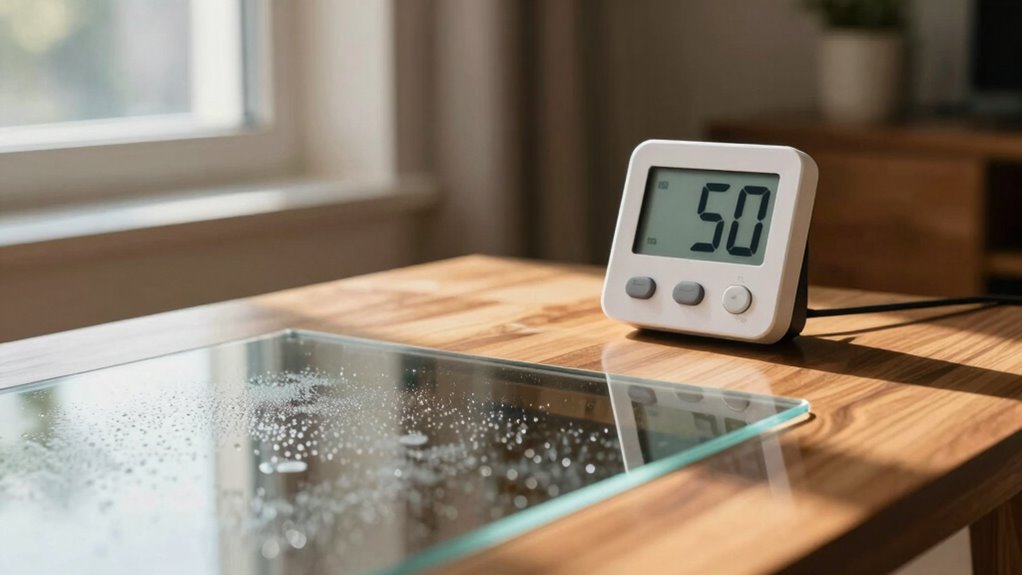
When your efforts to adjust humidity levels don’t produce the expected results, it’s time to call in a professional. Many people fall for humidity myths, believing simple fixes will solve complex issues, but some problems require expert diagnosis. If you’ve made seasonal adjustments but still experience persistent dryness or excess moisture, a specialist can identify underlying causes like faulty equipment or insulation issues. Don’t ignore ongoing problems, especially if your home feels uncomfortable or shows signs of mold, condensation, or wood damage. Professionals can accurately assess your home’s humidity and recommend solutions tailored to seasonal changes. Recognizing when to seek expert help ensures you maintain a healthy, comfortable environment while avoiding costly mistakes.
Frequently Asked Questions
What Signs Indicate Mold Growth Due to Improper Humidity Levels?
If you notice a musty smell, visible mold spots, or water stains on walls and ceilings, it’s a sign that humidity levels are too high, risking mold growth. Proper humidity control helps prevent mold by keeping moisture in check. Keep an eye out for condensation on windows or surfaces, which also indicates you need to adjust your humidity settings to protect your home and maintain a healthy environment.
Can Adjusting Indoor Humidity Help Reduce Allergy Symptoms?
Adjusting indoor humidity can substantially reduce allergy symptoms, as high humidity fosters mold and dust mites. Did you know that maintaining humidity between 40-60% can decrease airborne allergens? Using humidity control devices and air purifier benefits, like filtering out pollen and mold spores, helps create a healthier environment. By optimizing humidity levels, you make breathing easier and lessen allergy flare-ups, leading to a more comfortable home for you.
How Does Indoor Humidity Influence Energy Efficiency?
Indoor humidity crucially impacts your energy efficiency. When you use humidity sensors, you can maintain ideal levels, reducing strain on your HVAC system. Proper dehumidifier placement ensures moisture control without overcooling or overheating your space, saving energy. Keeping humidity in the perfect range prevents excessive heating or cooling costs, helping you cut down on energy bills while making your home more comfortable and efficient year-round.
Are There Seasonal Variations in Optimal Humidity Levels?
Seasonal humidity shifts do impact your comfort and home health, so adapting your environment is key. During colder months, lower humidity prevents mold and frost, while summer’s higher levels help cool and prevent static. Climate adaptation means adjusting your humidity levels to match seasonal needs, ensuring comfort, saving energy, and protecting your property. Stay proactive by monitoring and modifying humidity to optimize your home’s harmony year-round.
What Are the Long-Term Effects of Consistently High or Low Humidity?
Consistently high or low humidity can cause long-term issues for you and your home. Poor humidity regulation leads to excess air moisture, which promotes mold growth and wood damage, or dry air that irritates your skin and respiratory system. Over time, these conditions weaken your home’s structure and affect your health. Maintaining the right humidity level helps prevent these problems, ensuring a healthier environment and preserving your home’s integrity.
Conclusion
Maintaining the right humidity is like tending a delicate garden—you need the right balance to thrive. When you keep your indoor humidity within the ideal range, your home feels more comfortable, and your belongings stay protected. Think of it as finding that sweet spot on a musical instrument, where everything resonates perfectly. With awareness and the right tools, you can create a harmonious environment that benefits both your health and your home’s longevity.
Fall Picks
fall essentials
As an affiliate, we earn on qualifying purchases.