

Even after cleaning, your home can still feel dusty because dust hides in unseen spots like behind furniture, inside vents, or within fabrics, and dust from outside keeps entering. Poor ventilation and high humidity can make dust stick around longer. Using outdated cleaning tools or neglecting regular maintenance can also spread dust rather than remove it. If you want to clear up the dust for good, there’s more to learn about effective strategies and hidden sources.
Key Takeaways
- Dust hides behind furniture, inside vents, and in folds, requiring targeted cleaning of these overlooked areas.
- Ineffective or unmaintained air purifiers and filters fail to remove airborne dust properly.
- Poor ventilation and airflow cause dust to settle and linger in stagnant air zones.
- High humidity levels increase dust adhesion and dust mite growth, making dust harder to eliminate.
- Clutter and unsealed gaps allow continuous dust entry, necessitating sealing and decluttering routines.
Why Does My Home Still Feel Dusty After Cleaning?
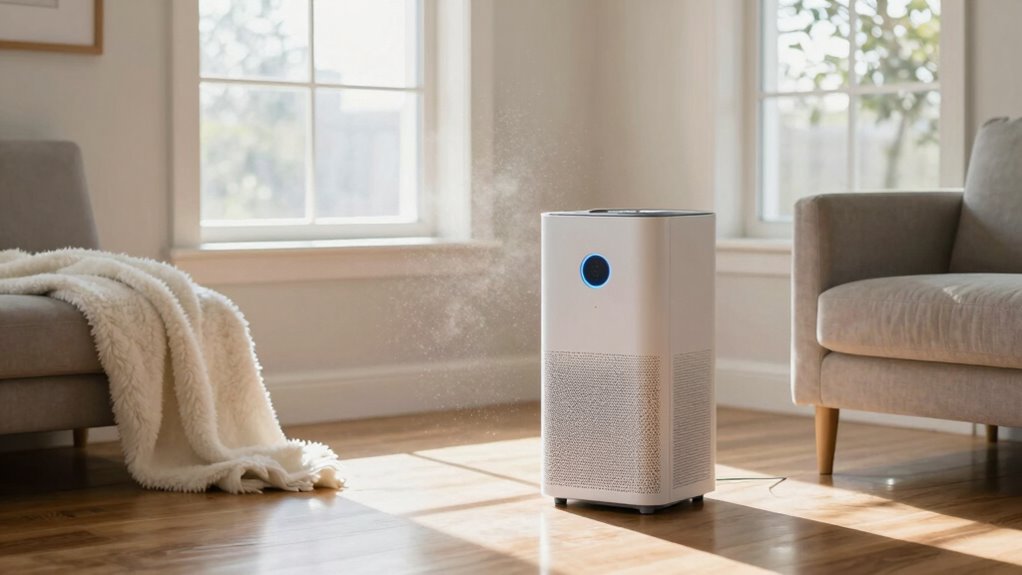
Even after you’ve spent time cleaning, your home can still feel dusty for several reasons. One common factor is the limited effectiveness of your air purifier. Not all air purifiers are equal; some struggle to filter out microscopic dust particles and allergens, making your home feel dusty even after cleaning. Additionally, dust mite control plays a significant role. Dust mites thrive in fabrics, carpets, and bedding, releasing waste that contributes to persistent dustiness. If these sources aren’t addressed, dust can quickly reaccumulate. Ensuring your air purifier maintenance is up to date and choosing models with HEPA filters can greatly improve air quality. Properly maintaining your air purifier, choosing models with HEPA filters, and focusing on dust mite control by washing bedding regularly and reducing fabric surfaces can make a noticeable difference. Incorporating air quality improvement practices such as using humidifiers to maintain optimal humidity levels can help reduce dust circulation. Maintaining proper ventilation and creating a cleaner environment by regularly dusting and vacuuming also contribute to reducing airborne particles. Implementing energetic alignment practices such as decluttering and creating a positive environment can also help reduce dust accumulation over time. Raising awareness about the importance of air quality can motivate ongoing maintenance and healthier habits. These steps help improve air quality and reduce lingering dust in your home.
Common Causes of Persistent Dust in Your Home
Persistent dust in your home often results from sources that continuously release particles into the air. Common culprits include pet dander, fabric fibers, and unsealed gaps. These particles settle quickly but are also stirred up easily, making it seem like dust never disappears. An air purifier benefits your efforts by capturing airborne dust and allergens, helping with dust mite control and improving overall air quality. Incorporating color accuracy and proper airflow management can further reduce dust circulation and improve indoor conditions. Additionally, utilizing appropriate storage solutions can also prevent dust accumulation on clutter and surfaces. Using pet training and tracking gear such as GPS trackers can help manage pet movement, reducing the spread of pet dander and fibers throughout your home. Regularly inspecting and sealing unsealed gaps can prevent the continual entry of dust and outdoor debris into your living space. Ensuring proper ventilation and airflow management can also help mitigate dust build-up over time.
How Air Quality and Ventilation Affect Dust Buildup
Your home’s air circulation plays a key role in how quickly dust settles. A high-quality ventilation system and good indoor air filtration can reduce dust buildup considerably. Proper maintenance of cycling gear and clothes can also prevent the redistribution of dust and dirt within your home. Regularly inspecting and replacing air filters helps maintain optimal airflow and dust removal. Improving these aspects helps keep your indoor air cleaner and your home dust-free longer.
Air Circulation Efficiency
Good air circulation plays a crucial role in controlling dust buildup in your home. Efficient air exchange ensures that dust particles don’t settle and accumulate in stagnant air. Proper duct design helps facilitate smooth airflow, reducing areas where dust can settle or circulate repeatedly. When ducts are poorly designed or blocked, airflow becomes uneven, causing dust to settle in certain spots and making your cleaning efforts less effective. Improving circulation involves ensuring your vents are unobstructed and ducts are appropriately sized for your space. This airflow efficiency helps keep dust from lingering and promotes healthier indoor air. Good airflow also prevents dust from becoming trapped in hidden corners, making your entire cleaning routine more effective and your home feeling fresher. Additionally, ventilation maintenance is essential to keep air quality high and dust levels low over time. Regularly inspecting and cleaning your ventilation system can prevent dust buildup and improve overall indoor air quality. Ensuring proper airflow management is vital for maintaining a dust-free environment and enhancing your home’s comfort. Regularly upgrading your ventilation system components can further optimize airflow and reduce dust accumulation.
Ventilation System Quality
A high-quality ventilation system substantially impacts indoor air cleanliness by filtering out dust and pollutants before they settle. If your air vents aren’t well-maintained, dust can circulate continuously, making your home feel dusty despite regular cleaning. Upgrading your filtration system can trap smaller particles, improving air quality and reducing buildup. Regular air vent maintenance ensures filters don’t become clogged and airflow remains efficient. Consider the following factors:
| Factor | Impact |
|---|---|
| Regular maintenance | Prevents dust recirculation and improves airflow |
| Filtration upgrades | Traps finer dust particles for cleaner air |
Additionally, choosing a high-performance fan can further enhance airflow and dust removal efficiency. Regularly inspecting and cleaning your vents can significantly reduce dust circulation and improve overall air quality. Using proper ventilation techniques can also help maintain a fresher indoor environment. Ensuring your ventilation system is properly designed and maintained is crucial for optimal air quality. Investing in these upgrades and maintenance routines can help improve air circulation and curb dust accumulation, making your home feel fresher and cleaner.
Indoor Air Filtration
Since indoor air quality directly influences dust buildup, maintaining effective air filtration is essential for a cleaner home. An air purifier can considerably reduce airborne dust particles, preventing them from settling on surfaces. Good air filtration captures dust, pet dander, pollen, and other allergens, improving overall air quality. To maximize its effectiveness, choose an air purifier with a high-efficiency filter, such as HEPA, and run it continuously in common areas. Regularly replacing filters guarantees top performance. Proper air filtration not only improves your home’s air quality but also reduces the amount of dust that settles after cleaning. By actively filtering the air, you can lessen dust accumulation, making your home feel fresher and cleaner with less effort. Ensure proper airflow around the unit to enhance performance and maintain system efficiency.
Hidden Indoor Dust Sources You Might Not Know About

Many homeowners overlook sources of indoor dust that aren’t immediately obvious, but these hidden culprits can substantially contribute to dust buildup. These hidden dust reservoirs often reside in overlooked cleaning areas, slowly releasing dust into your living space. Common examples include behind heavy furniture, inside vents, and within the folds of curtains. These spots tend to collect dust over time and aren’t part of your regular cleaning routine. Ignoring these areas allows dust to accumulate and persist, making your home feel dusty even after cleaning. Additionally, poor ventilation can trap airborne dust particles, exacerbating the problem. Improving air circulation can help reduce dust levels and prevent buildup. Proper ventilation systems are essential for maintaining a healthier indoor environment. By addressing these overlooked cleaning areas and regularly targeting hidden dust reservoirs, you can greatly reduce dust buildup. A thorough approach ensures your home stays cleaner and dust-free longer, improving air quality and comfort.
Does Humidity Make Dust Stick Around Longer?

When indoor humidity rises, dust particles tend to stick more easily to surfaces, making cleaning less effective. Higher moisture levels can also slow air circulation, allowing dust to settle and linger longer. Understanding how humidity impacts dust adhesion helps you manage your home’s cleanliness more effectively.
Increased Dust Adhesion
Humidity levels substantially influence how dust particles stick to surfaces in your home. Higher humidity enhances dust particle dynamics, making particles more likely to adhere through surface adhesion. When moisture is present, dust clings more firmly, complicating cleaning efforts. This increased adhesion means dust isn’t easily swept or vacuumed away and can resettle quickly after cleaning. To understand this better, consider how humidity affects:
- The electrostatic charge of dust particles, making them more attracted to surfaces
- The formation of tiny water droplets that trap dust on surfaces
- The increased stickiness of dust to fabrics and upholstery
Higher Indoor Humidity
Higher indoor humidity levels can substantially extend how long dust particles linger in your home. When the air feels moist, dust tends to stick more easily to surfaces, making it harder to keep your space dust-free. Indoor plants naturally increase humidity, which can contribute to this issue if not managed properly. To prevent dust buildup, humidity control is essential; using a dehumidifier or ventilation can help maintain *ideal* moisture levels. Proper humidity reduces dust adhesion, making it easier to clean and keep surfaces dust-free. Keep an eye on indoor humidity, especially if you have many indoor plants, and adjust accordingly. Maintaining balanced humidity not only minimizes dust but also promotes a healthier, more comfortable living environment.
Reduced Air Circulation
Reduced air circulation often causes dust particles to settle and linger longer in your home. Without proper airflow, dust isn’t moved out efficiently, making your space feel dusty even after cleaning. To fix this, focus on airflow optimization by upgrading ventilation systems and ensuring vents are unobstructed. Improved ventilation promotes better air exchange, reducing dust buildup. You can also consider adding exhaust fans or air purifiers to enhance airflow. These upgrades help disperse dust particles more quickly and prevent them from settling in corners or on surfaces. Additionally, regular maintenance of your HVAC system keeps airflow steady and contaminants minimized. By prioritizing ventilation upgrades, you’ll create a cleaner, fresher environment with less dust lingering around.
Are Your Vacuum and Cleaning Tools Cutting It?
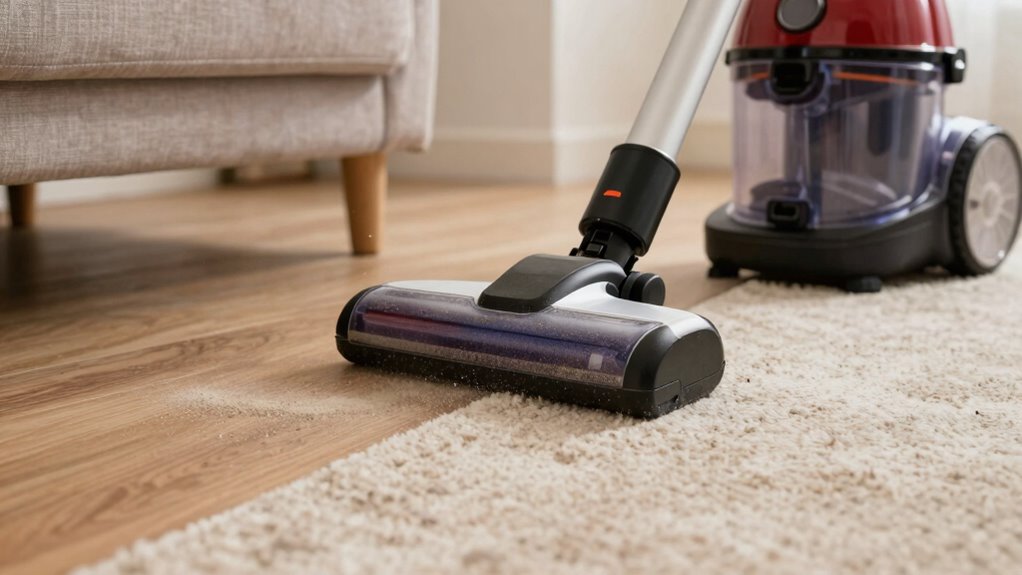
Are your vacuum and cleaning tools truly up to the task of keeping your home dust-free? If not, dust may persist despite your efforts. Regular vacuum maintenance guarantees your machine functions at peak performance, preventing dust from lingering. Outdated or ineffective cleaning tools can also spread dust rather than remove it. Using the right tools for different surfaces and replacing worn-out filters makes a big difference. Here’s a quick comparison:
| Vacuum & Cleaning Tools | Key Features |
|---|---|
| Upright Vacuum | Strong suction, easy to store |
| Canister Vacuum | Better for stairs and upholstery |
| Microfiber Cloths | Trap dust effectively |
| HEPA Filters | Capture small particles |
| Dust Mops | Cover large areas quickly |
Invest in quality tools and keep up with vacuum maintenance to banish dust for good.
Smart Strategies to Keep Dust Away for Good
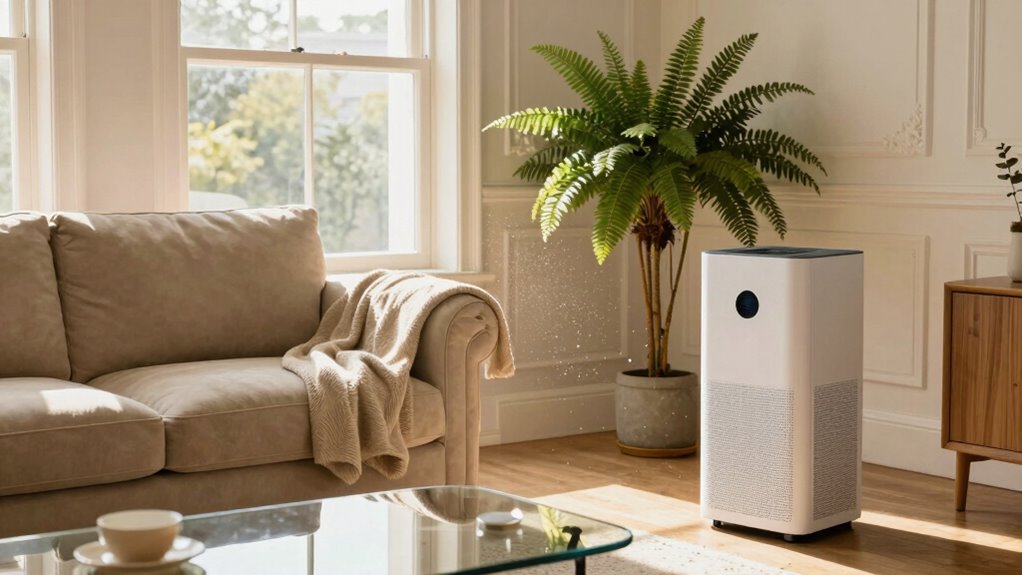
Maintaining clean surfaces with quality tools is just the start; adopting smart habits can considerably reduce dust buildup over time. Using air purifiers helps trap airborne dust and dust mites, improving indoor air quality. Regularly washing bedding and curtains limits dust mites that thrive in fabrics. Keep humidity levels between 40-50% to hinder dust mite growth and prevent mold, which can attract more dust. Additionally, consider sealing cracks and gaps around windows and doors to prevent dust from entering. These simple but effective strategies create a cleaner environment and make ongoing dust control easier. Incorporating air purifiers and managing humidity are key steps in keeping dust away for good. Consistency is essential to maintaining a dust-free home and reducing allergy triggers.
Daily Habits That Help Maintain a Dust-Free Home
Incorporating simple daily habits can substantially reduce dust accumulation and keep your home cleaner. Establishing consistent cleaning routines prevents dust from settling and becoming ingrained. For example, wipe down surfaces daily with a damp cloth to trap dust instead of spreading it around. Regularly vacuum carpets and rugs to prevent dust buildup, and don’t forget to dust off furniture and electronics frequently. Implement dust prevention tips like changing bedding weekly and using doormats to reduce dirt tracked inside. Keeping clutter to a minimum also makes cleaning easier and more effective. These habits not only cut down on dust but also improve air quality. By making dust prevention a daily priority, you’ll maintain a fresher, healthier home with less effort over time.
Frequently Asked Questions
Can Air Purifiers Effectively Eliminate Dust Buildup?
Yes, air purifiers can effectively reduce dust buildup if they have high air purifier efficiency and are capable of capturing small dust particle size. Look for models with HEPA filters, which trap particles as tiny as 0.3 microns, including dust, pollen, and pet dander. Regularly changing filters and choosing the right size purifier for your space will maximize their ability to keep your home cleaner and dust-free.
How Often Should I Replace HVAC Filters for Optimal Dust Control?
You should replace your HVAC filters every 1 to 3 months for ideal dust control. Regular HVAC maintenance ensures your system runs efficiently and helps extend the filter lifespan. If you notice increased dust or allergies, change the filter sooner. Keep an eye on the filter’s condition and follow manufacturer recommendations. Doing so keeps indoor air cleaner and reduces dust buildup, making your home more comfortable and healthier.
Do Houseplants Help Reduce Indoor Dust Levels?
Think of houseplants as your home’s gentle air filters. They can help reduce indoor dust levels by trapping particles, but only if indoor humidity stays balanced and air circulation is good. When humidity is too low, dust particles float freely, making your home feel dustier. Adding plants, along with proper ventilation, improves air quality, creating a healthier, fresher space where dust doesn’t settle as easily.
What Cleaning Products Are Best for Reducing Dust Residue?
You should choose eco-friendly options like microfiber cloths and natural, DIY cleaning solutions such as vinegar and baking soda for reducing dust residue. These products effectively trap dust without leaving chemical residues behind. Regularly dust with damp cloths and avoid harsh chemicals to keep your home cleaner longer. Eco-friendly options not only improve air quality but also protect your family’s health, making your space feel fresher and less dusty.
Is It Better to Dust Before or After Vacuuming?
You should dust before vacuuming to maximize cleanliness. Studies show that a consistent vacuuming schedule reduces dust by 60%, but if you dust afterward, you risk spreading dust into the air. Use effective dusting techniques, like microfiber cloths, to trap particles. Dust first, then vacuum, to remove loosened dust and prevent it from settling again. This approach guarantees your home feels fresher and cleaner longer.
Conclusion
To truly keep your home dust-free, consistency is key. For instance, Sarah started using an air purifier and upgraded her vacuum, noticing her living room stayed cleaner longer. Regular dusting, improving ventilation, and mindful habits make a big difference. By addressing hidden sources and maintaining good airflow, you can enjoy a fresher, healthier home. Small changes, like Sarah’s, show that persistent dust can be managed effectively with the right strategies.