
Even a single drink can boost your hunger and make you crave high-calorie foods, because alcohol stimulates your brain’s reward system and overrides self-control. It sends signals that your energy needs aren’t met, encouraging more eating. As your blood alcohol levels rise, resisting tempting foods becomes harder, and your impulses weaken. Understanding how alcohol impacts your appetite can help you make smarter choices—if you want to learn more about managing this effect, keep exploring.
Key Takeaways
- Even small amounts of alcohol can increase hunger and cravings, leading to altered food choices.
- Alcohol stimulates dopamine release, boosting reward signals that favor high-calorie, palatable foods.
- Drinking impairs impulse control, making it harder to resist tempting, calorie-dense foods.
- Alcohol’s calories disrupt normal hunger cues, prompting overeating despite not feeling physically hungry.
- Social drinking environments often promote overeating due to combined alcohol effects and available tempting foods.
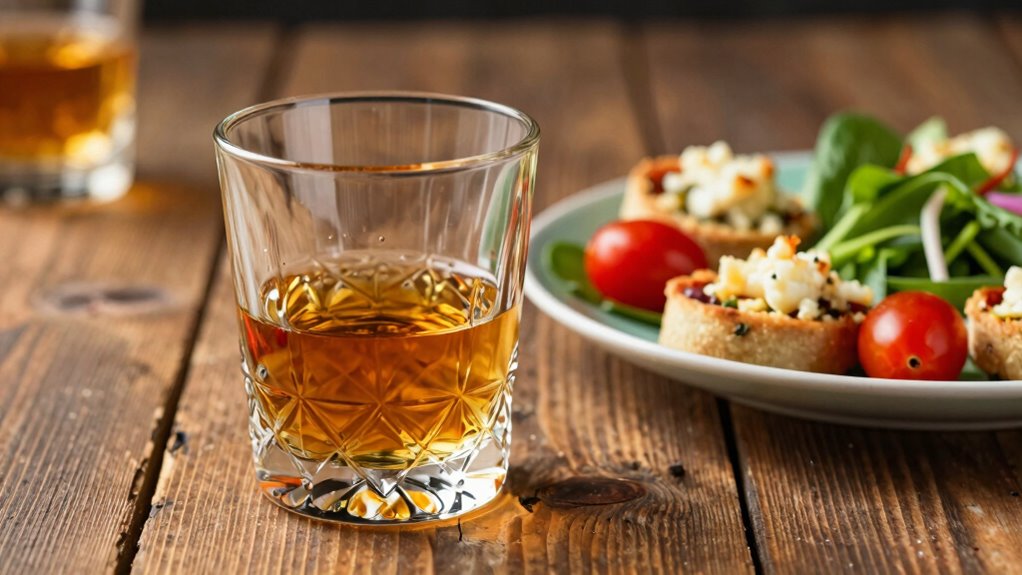
Alcohol can considerably influence your appetite, often leading to increased hunger even when you’re not physically hungry. You might find yourself reaching for extra snacks or indulging in more food than you initially planned, and this isn’t just a coincidence. Alcohol’s caloric impact plays a significant role in this behavior, as drinking adds extra calories that can disrupt your normal hunger cues. When you consume alcohol, your body doesn’t immediately recognize these calories as coming from food, so it may signal your brain that your energy needs aren’t met, prompting you to eat more.
Alcohol increases hunger by disrupting normal energy cues and adding extra calories.
Additionally, alcohol stimulates cravings in a way that can override your usual self-control. It affects the brain’s reward system, especially the release of dopamine, which heightens the desire for high-calorie, palatable foods. This craving stimulation makes it easier to justify eating foods that you might normally pass on, like chips, fries, or desserts, even if you’re not genuinely hungry. The combination of craving stimulation and a decreased ability to regulate impulses creates a perfect storm for overeating.
The more you drink, the more these effects compound. Small amounts of alcohol can still influence your appetite, but larger quantities tend to amplify these tendencies. As your blood alcohol concentration rises, your inhibitory controls weaken, making it harder to resist tempting foods. You may find yourself making impulsive food choices that are more calorie-dense and less nutritious. This is especially true when socializing or at gatherings where tempting foods are abundant, and alcohol flows freely.
It’s also important to recognize that alcohol’s caloric impact isn’t just about the drinks themselves. The additional calories from alcohol can contribute to weight gain if consumed regularly, especially when combined with increased food intake. These extra calories can add up quickly, and because alcohol lowers your inhibitions around food, you might not even realize how much you’re consuming in total. Recognizing the caloric content of alcohol can help you make more informed choices about drinking and eating habits.
Frequently Asked Questions
How Quickly Does Alcohol Influence Appetite After Consumption?
You’ll notice alcohol influences your appetite within minutes of consumption. Its immediate effects stem from alcohol metabolism, which quickly alters your brain chemistry and hormone levels. This can increase hunger and cravings, often leading you to eat more than usual. As your body processes the alcohol, these effects intensify, making it harder to resist tempting foods. So, even a single drink can markedly change your food choices shortly after drinking.
Does Alcohol Affect Appetite Differently in Men and Women?
Think of your appetite like a delicate dance, and alcohol as a tricky partner. For men and women, it influences this dance differently due to hormonal differences and metabolic variations. Men might experience a more subdued appetite change, while women’s hormones can amplify the effect, making them more susceptible to increased hunger after drinking. Your body’s unique hormonal and metabolic makeup shapes how alcohol impacts your food choices.
Can Moderate Drinking Still Significantly Alter Food Choices?
Yes, moderate drinking can still substantially alter your food choices. When you have a drink, social cues often encourage you to indulge in more calorie-dense foods, even if you’re calorie counting. Alcohol can impair judgment, leading you to select less healthy options or eat more than planned. So, even a small amount can influence your eating habits by affecting your impulses and perceptions of portion sizes.
Are There Long-Term Effects of Alcohol on Eating Habits?
Yes, long-term alcohol consumption can alter your eating habits. Habitual drinking may impact your long-term metabolic health, leading to changes in appetite regulation. Over time, these effects can cause you to crave less nutritious foods or overconsume high-calorie options, disrupting your balanced diet. If you regularly drink alcohol, you might find your food choices shift, potentially affecting your overall health and metabolism in the long run.
How Does Alcohol Interact With Different Types of Foods?
Ever wonder how alcohol turns your food pairing into chaos? It interacts with foods by amplifying flavors, often leading you to crave salty snacks or sweet desserts. While it can enhance certain dishes, it also muddles others, making taste buds confused. So, next time you sip, realize your drink’s not just an accessory—it’s actively tweaking your flavor experience, for better or worse. Cheers to unpredictable culinary adventures!
Conclusion
So, next time you reach for that drink, remember it’s like adding fuel to a fire—your appetite can flare unexpectedly. Alcohol doesn’t just relax your inhibitions; it rewires your cravings, turning a simple sip into a catalyst for change. By understanding this delicate dance, you can better navigate your choices, steering your passions with awareness. After all, your appetite is a garden—tend it wisely, for even a single drink can plant unexpected seeds.