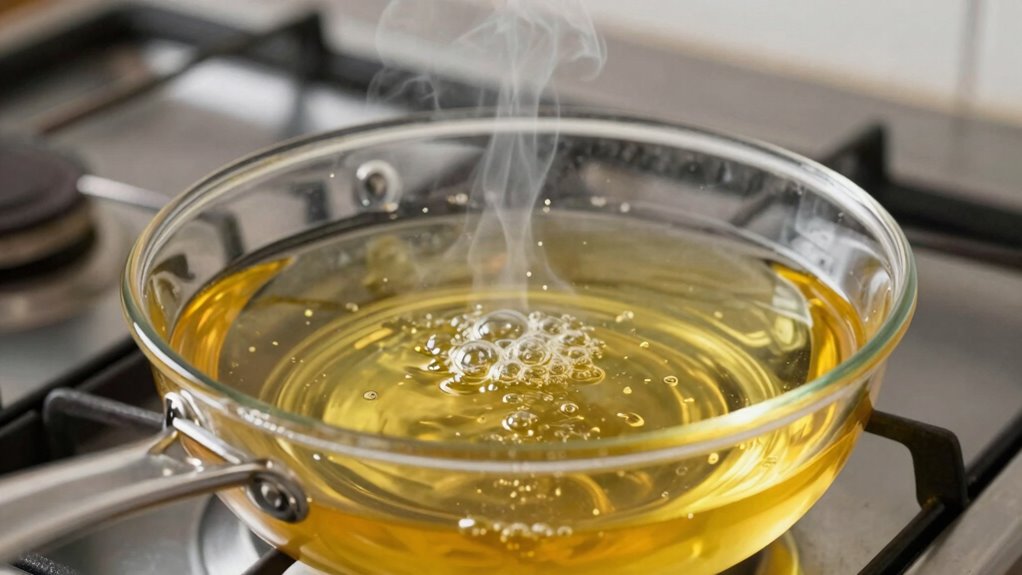

When choosing cooking oils, understanding smoke points helps you cook safely without fear. Olive oil, especially extra virgin, has a smoke point around 375-410°F, making it perfect for sautés, dressings, and low to medium heat cooking. It’s rich in healthy fats and antioxidants, supporting your overall health. For higher temperatures, oils like avocado or refined coconut work better. Keep exploring to discover more about cooking oils and how they can enhance your meals safely.
Key Takeaways
- Smoke point indicates when an oil begins to break down and produce harmful compounds, not necessarily when it’s unsafe to cook with.
- Extra virgin olive oil has a smoke point around 375-410°F, suitable for most medium-heat cooking methods.
- Oils like avocado or refined coconut oil have higher smoke points for high-temperature cooking like frying.
- Choosing an oil depends on cooking method, temperature, and flavor preference, rather than fear of smoke points alone.
- Proper use of oils at appropriate temperatures preserves flavor and nutrients, promoting healthier cooking without unnecessary worry.
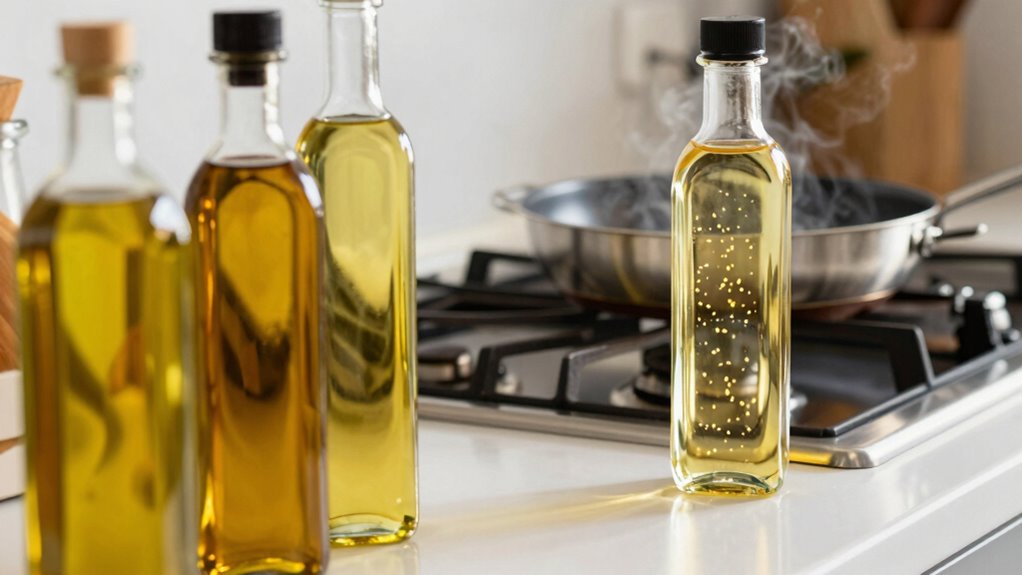
Have you ever wondered which cooking oil is best for your meals? Choosing the right oil can seem overwhelming with so many options and conflicting information about health and safety. One popular choice is olive oil, renowned for its numerous benefits. Olive oil benefits include being rich in monounsaturated fats, which are considered healthy fat sources. These fats can help improve your cholesterol levels, reduce inflammation, and support heart health. Plus, extra virgin olive oil contains antioxidants and anti-inflammatory compounds that may contribute to overall wellness. When you’re cooking, especially at medium heat, olive oil’s smoke point is usually sufficient, making it a versatile option for sautéing, dressings, and finishing dishes. Its flavor adds a distinct, pleasant taste that elevates many recipes.
Olive oil is a versatile, heart-healthy option perfect for medium-heat cooking and dressings.
Beyond flavor, olive oil’s health benefits make it a smart staple in your kitchen. Its healthy fat sources provide a more stable and heart-friendly alternative to saturated fats found in animal products. Incorporating olive oil into your diet can help you maintain balanced cholesterol levels and lower your risk of cardiovascular disease. Many health professionals recommend using olive oil as your go-to oil because of these benefits. It’s also packed with polyphenols, which are antioxidants that help combat oxidative stress and may reduce the risk of chronic illnesses.
When contemplating cooking oils, think about how you plan to use them. Olive oil is excellent for low to medium heat cooking, salad dressings, and drizzling over finished dishes. For higher heat applications, such as frying or searing, you might want to consider oils with higher smoke points, like avocado or refined coconut oil. But don’t dismiss olive oil entirely; extra virgin olive oil’s smoke point is generally around 375-410°F, making it suitable for many cooking methods.
Using olive oil benefits your health by providing healthy fats that support your body’s functions. Unlike trans fats or heavily processed oils, olive oil is minimally processed, preserving its natural antioxidants and nutrients. Its role as a healthy fat source makes it a more nutritious choice than many other cooking oils. Plus, its versatility means you don’t have to sacrifice flavor for health. You can cook, dress, and finish your dishes with olive oil, ensuring you enjoy both taste and health benefits. So, next time you’re shopping for cooking oils, remember that choosing olive oil isn’t just about flavor—it’s a smart move toward better health, thanks to its unique combo of healthy fats and beneficial compounds.
Frequently Asked Questions
How Does Oil Refining Affect Smoke Points and Health?
Refining increases oil purity, raising the smoke point, which helps you cook at higher temperatures without burning. The refining process removes impurities, impurities, and free fatty acids, making the oil more stable and less likely to produce harmful compounds. However, it may also strip away beneficial nutrients. So, while refined oils offer higher smoke points, consider your health priorities and cooking needs when choosing between refined and unrefined oils.
Are There Eco-Friendly Options for Cooking Oils?
Yes, eco-friendly cooking oils are available. Did you know that sustainably sourced oils, like avocado and sunflower, reduce environmental impact by supporting sustainable sourcing practices? Look for brands that use biodegradable packaging to further lessen waste. These options not only help protect the environment but also promote healthier consumption habits. By choosing eco-conscious oils, you support sustainable agriculture and reduce your carbon footprint while enjoying delicious meals.
Can Mixing Oils Alter Their Smoke Points?
Yes, mixing oils can alter their smoke points through oil blending, which can modify the overall smoke point. When you blend oils with different smoke points, the resulting mixture’s smoke point may be higher or lower depending on the ratios and types of oils used. This allows you to customize your cooking oils for specific needs, but be mindful that blending can sometimes produce unpredictable smoke point changes.
What Are the Best Oils for High-Temperature Stir-Frying?
Ever wonder what oils stand up best to high-temperature stir-frying? Choose oils with high smoke points like avocado, refined safflower, or peanut oil, which handle heat well without burning. They also have mild flavor profiles that won’t overpower your dish. When comparing nutritional benefits, consider that some oils offer healthier fats, but all perform well at high heat. Wouldn’t you prefer oils that balance flavor, heat stability, and nutrition?
How Should Cooking Oils Be Stored to Maintain Quality?
You should store cooking oils in a cool, dark place to preserve their quality and extend their oil shelf life. Use airtight storage containers, preferably glass or metal, to prevent exposure to light and air that can cause rancidity. Keep oils away from heat sources like stoves or ovens, and make sure containers are tightly sealed after each use. Proper storage helps maintain flavor, freshness, and nutritional value longer.
Conclusion
Now that you know the secrets of smoke points, cooking oils become your trusty compass in the kitchen. No more panic storms or smoke signals—just a smooth sailing journey through flavors and textures. Think of oils as your culinary partners, each with its own story and purpose. With this knowledge, you’ll navigate your cooking adventures confidently, turning everyday ingredients into a symphony of deliciousness. So, go ahead, stir the pot and let your culinary creativity shine!