
Body odor varies because of changes in your sweat, bacteria, diet, stress, and hormones. Eccrine glands produce watery sweat for cooling, while apocrine glands in key areas release thicker sweat that bacteria break down into smelly molecules. Factors like spicy foods, stress, and health can make odor stronger or different. Understanding these processes helps you manage scent better—stay with us to discover what really helps keep body odor in check.

Get health and wellness essentials delivered free with Prime
- Fast, free delivery on millions of items
- Prime Video, Amazon Music and more included
- Member-only deals all year
Key Takeaways
- Body odor varies due to differences in sweat composition, bacterial activity, diet, hormones, and stress levels.
- Apocrine sweat contains proteins and lipids that bacteria break down into volatile odor molecules.
- Factors like spicy foods, stress, health conditions, and medications can alter scent chemistry.
- Scientific advances target odor-causing molecules or skin bacteria to effectively reduce body odor.
- Managing diet, hygiene, and stress naturally influences body scent, while personalized treatments improve odor control.
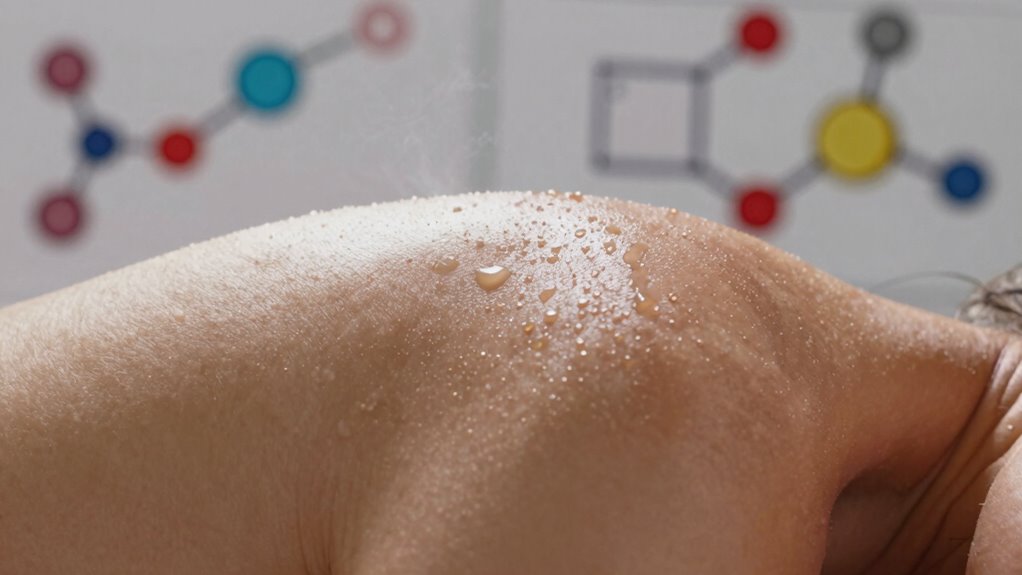
Have you ever wondered what causes body odor and how science is unraveling its mysteries? It turns out that understanding the science behind body odor involves exploring the complex world of scent chemistry and how your sweat glands function. Your sweat glands are tiny but essential players in this process. There are two types: eccrine and apocrine glands. Eccrine glands are found all over your body and produce a mostly watery sweat to help regulate temperature. Apocrine glands, on the other hand, are concentrated in areas like your armpits and groin, and they produce a thicker, milky sweat that contains proteins and lipids. It’s this latter type of sweat, combined with bacteria on your skin, that creates the distinctive body odor we all recognize.
Body odor results from apocrine sweat mixing with skin bacteria, producing distinctive smells.
Scent chemistry is at the heart of body odor formation. When your sweat from apocrine glands mixes with bacteria that naturally reside on your skin, the bacteria break down the sweat’s organic compounds. This breakdown produces volatile molecules—small enough to evaporate into the air—that give off the characteristic smell. Different people have different compositions of sweat and bacteria, which is why body odor varies from person to person. Factors like genetics, diet, hygiene, and even stress influence this process. For example, certain foods like garlic or spicy dishes can alter the chemical makeup of your sweat, intensifying or changing your scent.
Science is also revealing how the composition of sweat and bacteria can be manipulated to control body odor. Researchers examine how specific compounds in sweat interact with bacteria to produce particular smells. By understanding scent chemistry at a molecular level, scientists develop targeted deodorants and treatments that can neutralize or alter these compounds more effectively than traditional products. Some experimental approaches include enzymes that break down odor-causing molecules or probiotics designed to shift the skin’s bacterial community toward less odorous strains. Advances in microbiome science are opening new avenues for personalized odor management and healthier approaches to hygiene.
Your body’s natural scent can also change due to hormonal fluctuations, health conditions, or medication, all of which impact the activity of sweat glands and the bacteria present. During stressful situations, for instance, your apocrine glands become more active, often resulting in a stronger or more pungent odor. This dynamic interplay between sweat production and bacterial activity is what makes body odor so variable and sometimes unpredictable.
Understanding the science behind scent chemistry and sweat gland function illuminates why body odor changes and what you can do about it. Instead of relying solely on deodorants that mask smells, future solutions may involve targeting the biological processes that produce odor in the first place. This knowledge empowers you to make smarter choices about hygiene, diet, and personal care, ultimately helping you manage your body’s natural scent more effectively.
As an affiliate, we earn on qualifying purchases.
Frequently Asked Questions
Can Diet Influence Body Odor Significantly?
Yes, your diet impact can markedly influence your body odor. Certain foods, like spicy dishes, garlic, and processed foods, can cause odor variation by releasing strong compounds through sweat. You might notice a more pungent smell after consuming these. Staying mindful of your diet helps manage body odor, as what you eat directly affects the scent your body produces. Adjusting your diet can lead to noticeable improvements in odor.
Do Genetics Determine Individual Body Odor Profiles?
Think of your body odor as a unique fingerprint, etched by your genetic markers. Yes, genetics help shape your odor profiles, acting like an artist’s signature on your scent. Your genes influence sweat glands and how they produce compounds, making your smell distinct. While lifestyle matters, your genetic makeup sets the baseline, determining the natural aroma your body consistently emits. Embrace this individuality as part of your biological story.
How Do Hormonal Changes Affect Body Odor Over Time?
Hormonal fluctuations cause noticeable odor shifts over time, affecting your body odor. When your hormones change, like during puberty, menstruation, or menopause, they influence sweat gland activity and bacteria on your skin. These changes can make your odor more intense or different in scent. You might notice these shifts happen gradually, but staying clean, wearing breathable fabrics, and managing stress can help you stay fresh despite hormonal changes.
Are Natural Remedies Effective Against Persistent Body Odor?
Yes, natural remedies can be effective against persistent body odor. Herbal remedies like sage, witch hazel, and tea tree oil help neutralize odors and reduce bacteria. Using natural scents such as lemon or lavender can also mask and combat odor naturally. Keep good hygiene, stay dry, and incorporate these remedies into your routine, and you’ll notice a fresher feeling without relying solely on synthetic deodorants.
Does Body Odor Differ Across Cultures and Regions?
Yes, body odor varies across cultures and regions due to different cultural scent norms and regional hygiene practices. You might notice stronger or milder scents depending on local traditions, diet, and bathing habits. In some areas, natural body scent is embraced, while others emphasize frequent washing and perfumes. These differences influence how body odor is perceived and managed, reflecting diverse cultural attitudes toward cleanliness and personal scent management.
probiotic skin bacteria supplement
As an affiliate, we earn on qualifying purchases.
As an affiliate, we earn on qualifying purchases.
Conclusion
Understanding why your body odor changes helps you take better care of yourself, but sometimes, it’s the small habits—like your diet or stress levels—that make the biggest difference. Coincidentally, the moment you start paying attention to these changes, you might notice a boost in confidence and comfort you didn’t realize you’d been missing. So, keep exploring what works for you. Sometimes, the tiniest adjustments create the most meaningful, unexpected improvements in how you feel every day.
As an affiliate, we earn on qualifying purchases.
natural deodorant for sensitive skin
As an affiliate, we earn on qualifying purchases.
As an affiliate, we earn on qualifying purchases.
Fall Picks
fall essentials
As an affiliate, we earn on qualifying purchases.