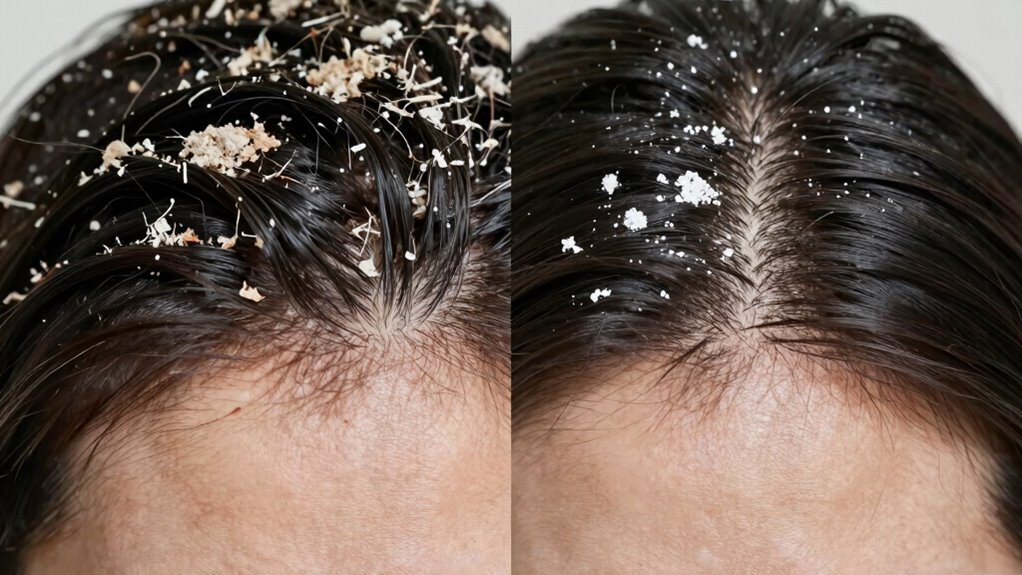

Understanding the difference between dandruff and a dry scalp helps you choose the right treatment. Dandruff causes greasy, white or yellow flakes with itchiness, often from Malassezia yeast overgrowth. A dry scalp results in smaller, dry flakes, less oil, and tightness or discomfort. To keep your scalp healthy, use targeted shampoos and gentle exfoliation. Keep exploring to discover more tips on maintaining a balanced, healthy scalp and vibrant hair.

Get health and wellness essentials delivered free — and shop member deals
- Fast, free delivery on millions of items
- Access to Prime Big Deal Days deals on October 6–7
- Prime Video, Amazon Music and more included
Key Takeaways
- Dandruff appears as greasy, white or yellow flakes often accompanied by itchiness, caused by Malassezia yeast overgrowth and inflammation.
- Dry scalp features smaller, dry, non-oily flakes, with symptoms like tightness, discomfort, and less visible flakes.
- Dandruff is typically oily and greasy, while dry scalp is characterized by dryness and dehydration.
- Treatment for dandruff involves medicated shampoos with zinc pyrithione or ketoconazole; dry scalp benefits from gentle cleansing and moisturizing.
- Proper scalp exfoliation helps prevent buildup, supporting scalp health and distinguishing between oily and dry scalp conditions.
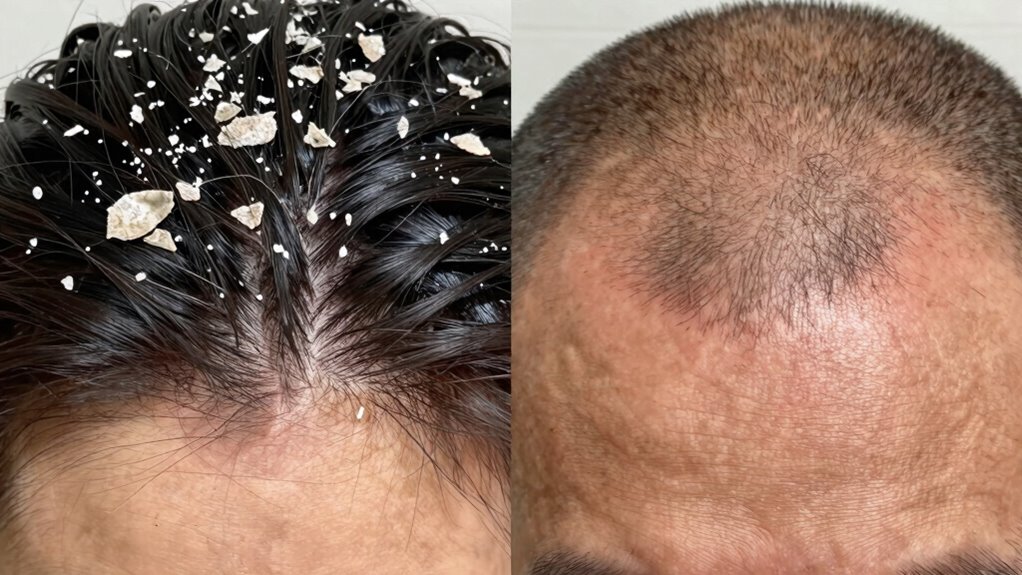
Your scalp is the foundation for healthy hair, yet it often gets overlooked. When you think about hair care, you probably focus on the strands themselves, but maintaining scalp health is just as crucial. A healthy scalp provides the right environment for strong, shiny hair, and understanding the differences between issues like dandruff and a dry scalp can help you address problems more effectively. One key aspect to consider is how your scalp’s sebaceous glands function. These small glands produce sebum, an oily substance that keeps your scalp moisturized and your hair shiny. If these glands overproduce, your scalp may become greasy, which can lead to dandruff, or at least flakes that are oily and yellowish. Conversely, if they underproduce, your scalp may become dry and flaky, creating a different set of challenges. To manage both conditions, scalp exfoliation becomes an essential tool. Regular exfoliation helps remove dead skin cells, excess oil, and product buildup, which can clog sebaceous glands and throw off your scalp’s balance. When your scalp is properly exfoliated, it encourages healthy cell turnover and reduces the likelihood of buildup that can lead to dandruff or dryness. Additionally, maintaining a balanced scalp environment supports overall skin health and contributes to more resilient hair. If you’re dealing with dandruff, you might notice flaky, white or yellowish patches that often seem greasy or oily. These flakes are typically accompanied by itching and irritation. Dandruff usually results from an overgrowth of Malassezia yeast on the scalp, which causes inflammation and excess skin cell production. In contrast, a dry scalp presents with smaller, dry flakes that are usually less oily and don’t have the greasy appearance associated with dandruff. Your scalp might feel tight, itchy, or uncomfortable, especially in colder weather or after using harsh hair products. Recognizing these differences is essential because treating them requires different approaches. For dandruff, medicated shampoos containing ingredients like zinc pyrithione or ketoconazole can help control yeast growth. For a dry scalp, gentle cleansing, moisturizing treatments, and scalp hydration are more effective.
Beyond choosing the right products, focus on scalp exfoliation to keep your scalp clean and healthy. Use gentle exfoliants designed for the scalp or natural remedies like sugar scrubs or brushes that stimulate blood flow and remove buildup. Regular exfoliation prevents the clogged pores and excess oil buildup that exacerbate dandruff, while also helping dry scalp flakes shed more easily. Remember, your scalp’s health hinges on balancing oil production and maintaining cleanliness. When you pay attention to these details and incorporate proper scalp care routines, you’re more likely to enjoy a flake-free, comfortable scalp—and ultimately, healthier hair.
medicated dandruff shampoo zinc pyrithione
As an affiliate, we earn on qualifying purchases.
As an affiliate, we earn on qualifying purchases.
Frequently Asked Questions
Can Dandruff Cause Hair Loss?
Yes, dandruff can cause hair loss, especially if it leads to scalp infections or persistent irritation. When dandruff is severe, it can weaken hair follicles, resulting in hair thinning or shedding. Scratching irritated scalp areas may also damage hair roots, increasing hair loss risk. To prevent this, keep your scalp clean and treat dandruff promptly, reducing inflammation and avoiding long-term damage to your hair and scalp health.
How Can I Distinguish Dry Scalp From Dandruff Visually?
A picture is worth a thousand words, so look closely. To distinguish dry scalp from dandruff, examine the scalp texture and flake color. Dry scalp often appears rough and flaky with smaller, white, or grayish flakes, while dandruff tends to have greasy, larger, yellowish flakes. Dandruff flakes usually fall easily, whereas dry scalp flakes are drier and may cling more. Spotting these differences helps you identify the root cause.
Are Natural Remedies Effective for Both Conditions?
Natural remedies can be effective for both dandruff and dry scalp when used consistently. Herbal treatments like tea tree oil and neem help reduce flakiness and soothe irritation, while oil massages with coconut or olive oil nourish your scalp and improve moisture. Keep in mind, though, that results vary; if your condition persists, consider consulting a dermatologist for tailored advice.
Does Diet Impact Scalp Health?
Absolutely, your diet influences scalp health more than you think. Neglecting nutritional deficiencies from poor dietary habits can lead to dry, flaky scalps or dandruff. If you’re skipping omega-3s, zinc, or B-vitamins, don’t be surprised when your scalp screams for help. So, eating a balanced diet isn’t just for your waistline—it’s your scalp’s secret weapon against irritation and flakiness.
When Should I See a Dermatologist?
You should see a dermatologist if you notice persistent scalp sensitivity or signs of hair follicle inflammation, such as redness, swelling, or pain. If over-the-counter treatments don’t improve your scalp condition within a few weeks, or if your symptoms worsen, seeking professional help is essential. A dermatologist can diagnose underlying issues like psoriasis or dermatitis and recommend targeted treatments to restore your scalp’s health effectively.
moisturizing scalp treatment for dry scalp
As an affiliate, we earn on qualifying purchases.
As an affiliate, we earn on qualifying purchases.
Conclusion
So, now that you’re a scalp expert, go forth and conquer dandruff and dry scalp like a pro—because who knew your head could be such a drama queen? Whether it’s flakes or dryness, just remember, your scalp’s got your back… or maybe it doesn’t. Keep those scalp secrets safe, and don’t let the scalp drama steal your shine. After all, a healthy scalp is just a shampoo away from stealing the spotlight—literally.
As an affiliate, we earn on qualifying purchases.
As an affiliate, we earn on qualifying purchases.
Fall Picks
fall essentials
As an affiliate, we earn on qualifying purchases.