
To stop guessing your skin type, observe how your skin feels and looks throughout the day. Check for excess oil, shine, dryness, tightness, or breakouts. Reassess your skin regularly since factors like climate, age, and products change your skin’s needs. Knowing your skin type helps you choose the right products and avoid irritation. Keep paying attention, and you’ll discover how to tailor your skincare for healthier, better-looking skin.

Get health and wellness essentials delivered free with Prime
- Fast, free delivery on millions of items
- Prime Video, Amazon Music and more included
- Member-only deals all year
Key Takeaways
- Observe your skin’s oiliness, dryness, or combination in different areas for a more accurate assessment.
- Conduct a simple patch test after cleansing to see how your skin feels and reacts throughout the day.
- Reassess your skin type periodically, as factors like climate or age can cause changes.
- Learn key signs: tightness indicates dry skin, shine suggests oily, and balanced feel points to normal skin.
- Choose skincare products tailored to your confirmed skin type to achieve better results and avoid guessing.
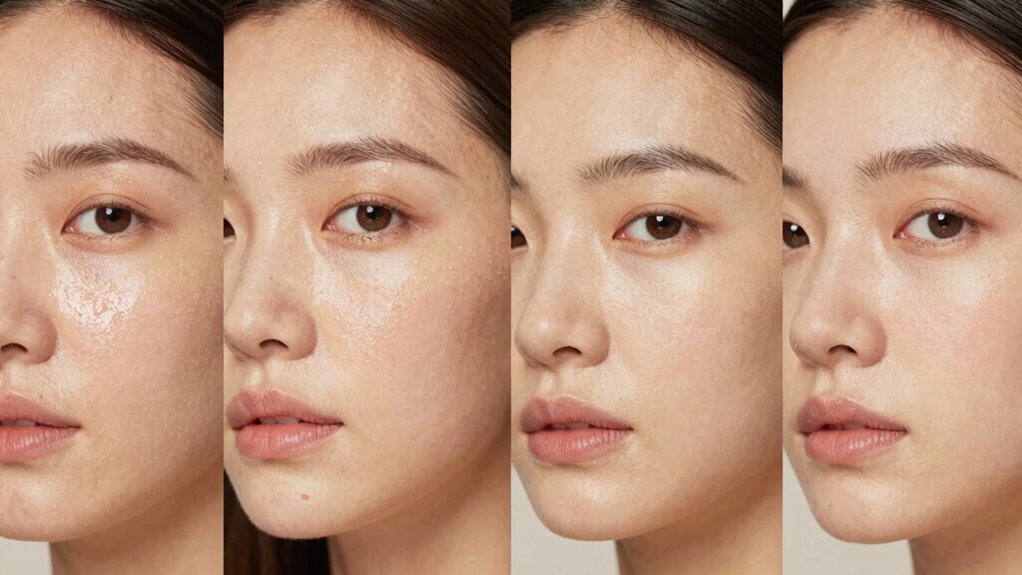
Have you ever wondered why your skin reacts differently to skincare products or weather changes? It’s a common experience, and understanding your skin type can make a huge difference in how you care for it. Instead of guesswork, identifying your skin type helps you develop effective skincare routines that suit your needs and ensure ingredient suitability. When you know what your skin truly needs, you avoid wasting money on products that might cause breakouts, irritation, or dryness.
First, you should observe how your skin feels and looks throughout the day. Is it oily, dry, or a mix of both? Oily skin tends to produce excess sebum, making your face look shiny, especially in the T-zone (forehead, nose, chin). Dry skin feels tight, flaky, or rough, with a dull appearance. Combination skin features oiliness in some areas and dryness in others. Normal skin is well-balanced, with no excessive oiliness or dryness, and generally feels comfortable. Recognizing these signs helps you tailor your skincare routines accordingly. For example, oily skin benefits from lightweight, oil-controlling products, while dry skin needs more hydrating, nourishing ingredients.
Next, consider how your skin reacts after cleansing or during the day. If your skin feels tight and uncomfortable shortly after washing, it might be dry or sensitive. If it becomes greasy or appears shiny by midday, you likely have oily skin. If your skin feels comfortable and looks fresh throughout the day, you probably have normal skin. These observations help you confirm your skin type and guide your choices. Remember, your skin type can change over time due to factors like climate, age, or lifestyle. That’s why it’s important to reassess periodically. Additionally, understanding your skin type is supported by Vetted products and kits designed for specific skin needs, helping you choose the right tools and ingredients.
Knowing your skin type also makes it easier to pick the right products based on ingredient suitability. For example, oily skin benefits from salicylic acid and oil-free formulas that help control excess sebum. Dry skin responds better to nourishing oils, hyaluronic acid, and gentle cleansers that don’t strip moisture. Sensitive skin requires soothing ingredients like aloe vera and chamomile, avoiding harsh chemicals. By matching your skincare routines to your skin type, you’ll maximize benefits and minimize adverse reactions.
As an affiliate, we earn on qualifying purchases.
Frequently Asked Questions
How Often Should I Re-Evaluate My Skin Type?
You should re-evaluate your skin type every few months, especially during seasonal skincare shifts. Changes in weather, humidity, or your environment can impact your skin’s needs, prompting product adjustments. Regular check-ins help you understand if your skin’s oiliness, dryness, or sensitivity has shifted, so you can tailor your routine. Pay attention to how your skin reacts and adjust your skincare products accordingly to keep it healthy and balanced year-round.
Can My Skin Type Change Over Time?
Imagine your skin as a flowing river, constantly shifting with the seasons and your lifestyle. Yes, your skin type can change over time due to hormonal influences, environmental factors, and age. While skin type stability is common, it’s wise to re-evaluate periodically. As your body’s needs evolve, so does your skin, so stay attentive and adjust your skincare routine accordingly to keep your skin glowing and healthy.
Is There a Test to Determine My Skin Type at Home?
Yes, you can do a DIY skin test at home to help identify your skin type. One simple method is the blotting paper test—press a paper on different areas of your face and observe oil absorption. For more accuracy, consider booking a professional skin analysis, which uses specialized tools to give you a detailed assessment. Combining both approaches guarantees you understand your skin’s needs better.
How Do Climate and Seasons Affect Skin Type?
Climate impacts and seasonal effects can change your skin’s needs. In dry, cold weather, your skin might become more dehydrated or irritated, while hot, humid seasons can cause excess oil and breakouts. You’ll notice shifts like increased oiliness in summer or dryness in winter. Adjust your skincare routine accordingly—using more moisturizer in winter or oil-control products in summer—to keep your skin balanced throughout the year.
Can Skin Type Influence the Best Skincare Ingredients for Me?
Yes, your skin type influences the best skincare ingredients for you. For example, if you have oily skin, look for ingredients like salicylic acid to control breakouts, while dry skin benefits from hyaluronic acid for hydration. Understanding your skin type considerations helps you choose products that address your specific needs, avoid irritation, and improve your skin’s health. Always tailor your skincare ingredients to your skin type for ideal results.
As an affiliate, we earn on qualifying purchases.
Conclusion
Now that you know your skin type, you can care for it like a tailored suit—perfectly fitting and comfortable. No more guessing games or wasted products. Understanding your skin is the key to a glowing, healthy complexion. Remember, just as every flower needs the right sunlight, your skin needs the right care. Take this knowledge and make informed choices; your skin will thank you with a radiant, confident glow.
hydrating face serum for dry skin
As an affiliate, we earn on qualifying purchases.
As an affiliate, we earn on qualifying purchases.
sensitive skin soothing aloe vera gel
As an affiliate, we earn on qualifying purchases.
As an affiliate, we earn on qualifying purchases.
Halloween Picks
halloween
As an affiliate, we earn on qualifying purchases.