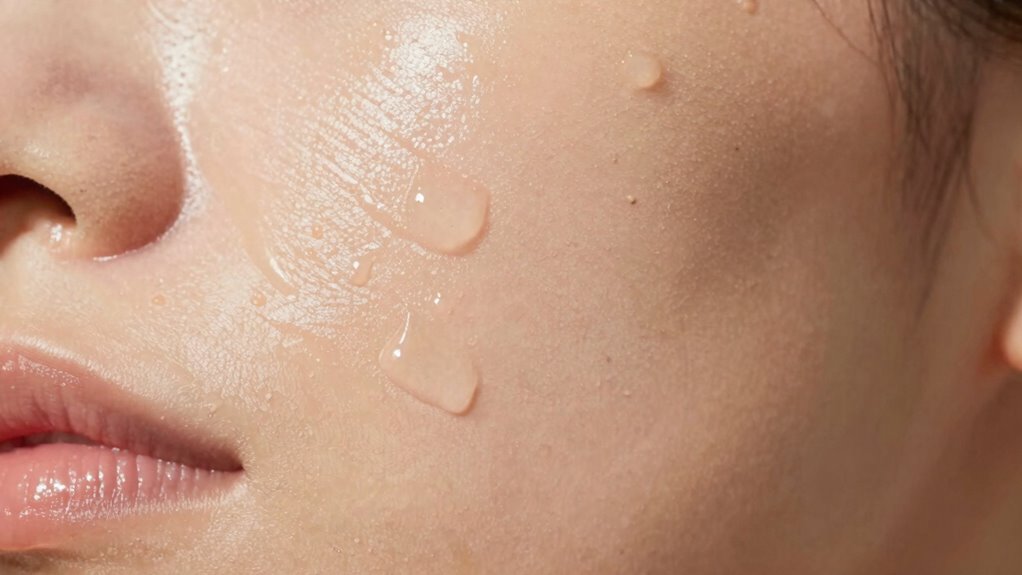

Most skincare routines overlook how essential your skin barrier is to overall health. Your barrier protects against environmental damage, locks in moisture, and prevents irritation. When it’s weakened, you might notice redness, dryness, or sensitivity. To keep it strong, focus on gentle cleansing, hydration, and barrier-repair ingredients like ceramides and hyaluronic acid. Ignoring this key step can lead to ongoing issues. Keep going to discover simple ways to support and restore your skin’s natural defenses.
Key Takeaways
- Most routines neglect to prioritize barrier repair, risking increased sensitivity and dryness.
- Proper pH balancing products help maintain the skin’s natural protective environment.
- Over-exfoliation weakens the barrier, making gentle cleansing essential.
- Incorporating barrier-supportive ingredients like ceramides and hyaluronic acid is often overlooked.
- Consistent hydration and avoiding harsh chemicals are key to maintaining barrier integrity.
What Is Your Skin Barrier and Why Is It Important?
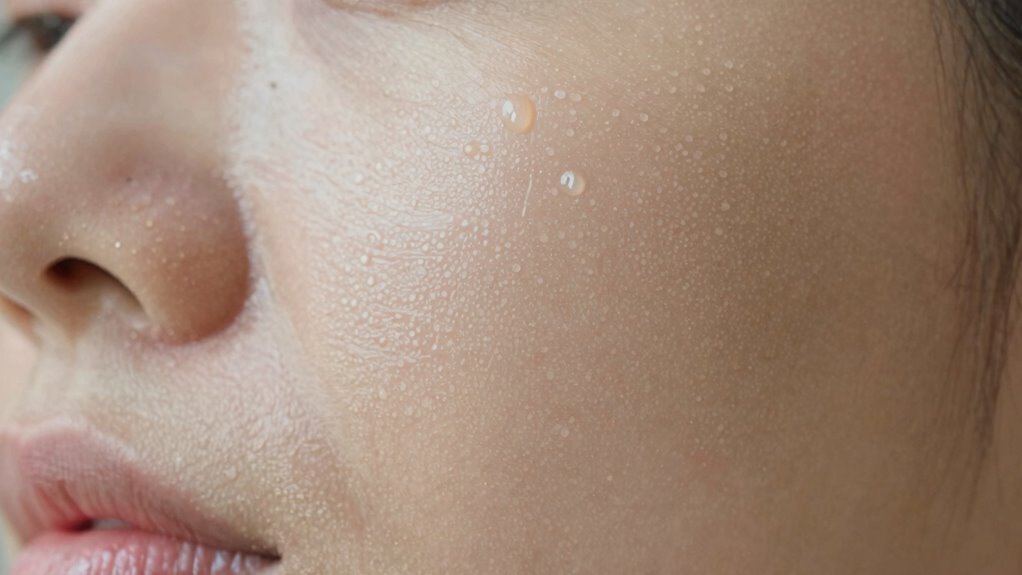
Your skin barrier is the outermost layer of your skin that acts as a protective shield. Its primary function is to maintain skin hydration and prevent harmful substances from entering. When your skin barrier functions properly, your skin stays healthy, resilient, and smooth. However, factors like harsh cleansers, environmental stressors, or over-exfoliation can weaken this barrier. To keep it intact, you need effective barrier repair techniques, such as using gentle cleansers, hydrating ingredients, and moisturizers that support barrier health. A strong skin barrier reduces irritation, redness, and sensitivity. Incorporating digital wall art trends like interactive murals can also promote a calming environment that benefits your skin’s health. Understanding how your skin barrier works helps you make better skincare choices. Protecting and repairing it ensures your skin remains strong and balanced, preventing issues before they start. Regularly avoiding overexposure to harsh skincare ingredients can significantly contribute to maintaining a healthy barrier. Additionally, maintaining a balanced skincare routine that includes barrier-repairing ingredients can further enhance your skin’s resilience and overall health. Engaging in lifestyle practices such as managing stress and maintaining proper hydration can also support your skin’s barrier function.
How Does Your Skin Barrier Protect Against Environmental Damage?

A healthy skin barrier acts as a frontline defender against environmental damage, shielding your skin from pollutants, UV rays, and harsh weather conditions. It does this by forming a protective layer that limits the entry of environmental toxins, which can cause inflammation and damage. When your barrier functions well, it reduces oxidative stress, a process where free radicals damage skin cells. This oxidative stress accelerates aging and weakens skin’s resilience. Your skin’s natural oils and lipids help trap moisture and block harmful particles. Additionally, the barrier’s outermost layer contains antioxidants that neutralize free radicals. Maintaining a clean indoor environment can also reduce the presence of airborne pollutants that compromise your skin’s health. Furthermore, skin barrier strength can be supported by appropriate skincare routines that reinforce its protective function. Implementing proper cleansing techniques removes excess dirt and pollutants without stripping essential oils, further supporting barrier health. Regular use of moisturizers that help restore lipids and hydration is crucial to maintaining the barrier’s integrity. Proper hydration practices also play a vital role in supporting the barrier’s function. By maintaining a strong barrier, you minimize the impact of environmental aggressors, supporting healthier, more resilient skin that’s better equipped to handle daily environmental challenges.
What Signs Indicate Your Skin Barrier Is Damaged or Weak?
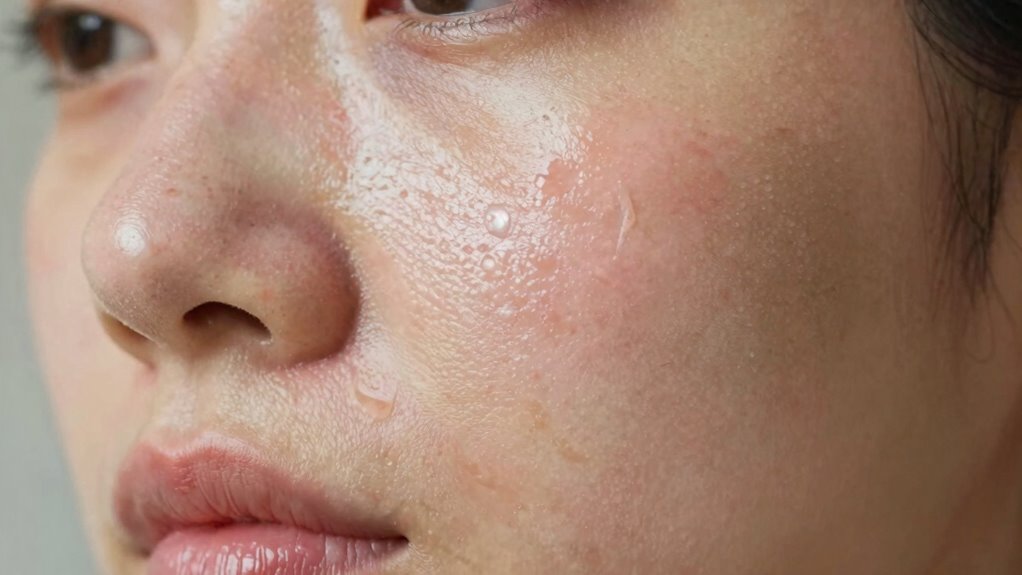
When the skin barrier weakens, you might notice increased sensitivity, redness, and irritation after simple exposures or skincare routines. These signs often indicate you need skin barrier testing to confirm damage. You may also experience dryness, flaky patches, or a stinging sensation when applying products. Your skin might feel more reactive to environmental factors like wind or pollution. If you suspect a compromised barrier, using barrier repair creams can help restore health and resilience. These creams contain ingredients that support barrier recovery and soothe irritation. Recognizing these signs early allows you to adapt your routine and prioritize barrier repair, preventing further damage and promoting healthier skin. Paying attention to your skin’s reactivity to environmental factors can help identify early signs of barrier compromise. Proper skincare practices can also minimize further damage and support the healing process. Additionally, understanding the importance of contrast ratio can guide you in choosing the right products and routines to protect your skin from environmental stressors. Being mindful of skincare ingredients that are gentle and nourishing is essential for maintaining a healthy skin barrier. Incorporating skin barrier health into your skincare routine ensures long-term skin resilience and comfort.
What Are the Key Components of a Healthy Skin Barrier?

A healthy skin barrier relies on a proper balance of lipids and fats, which help lock in moisture and protect against irritants. Your skin’s microbiome and pH levels also play vital roles in maintaining resilience and preventing infections. When these components stay balanced, your skin stays stronger and better able to defend itself. Additionally, incorporating essential oils for skin health can support the barrier’s integrity by soothing irritation and providing antimicrobial benefits. Maintaining a skin barrier involves consistent care and understanding how environmental factors can impact its function. Understanding the composition of skin lipids is essential for barrier repair and overall skin health. For example, oil production naturally decreases with age, which can compromise the barrier’s effectiveness.
Lipids and Fats Balance
The health of your skin barrier heavily depends on a careful balance of lipids and fats, which work together to lock in moisture and defend against environmental irritants. Maintaining proper lipids balance is essential for effective fat regulation, preventing your skin from becoming too dry or overly oily. When this balance is disrupted, your skin’s barrier weakens, leading to increased sensitivity, irritation, and dehydration. Healthy lipids—such as ceramides, fatty acids, and cholesterol—fill in the spaces between skin cells, sealing in hydration and blocking harmful particles. To support this balance, use products that replenish these key fats and avoid harsh ingredients that strip your skin of its natural oils. Proper fat regulation ensures your skin remains resilient, smooth, and well-hydrated. Lipid balance is crucial for maintaining the overall health of your skin’s barrier. Additionally, understanding how lipid composition impacts skin health can help you choose the most effective skincare routine. Maintaining a healthy skin barrier also involves protecting it from external stressors that can disrupt this delicate lipid balance.
Microbiome and pH Levels
Maintaining a balanced skin barrier goes beyond lipids and fats, extending into the domain of the skin’s microbiome and pH levels. A diverse microbiome helps protect against harmful bacteria, supports immune function, and maintains overall skin health. When your microbiome diversity is disrupted, it can lead to issues like dryness, irritation, or breakouts. Equally important is pH balance; your skin’s natural pH should be slightly acidic, around 4.5 to 5.5. This acidity inhibits harmful bacteria and supports barrier function. Using harsh cleansers or over-exfoliating can disturb this balance, making your skin more vulnerable. To keep your skin resilient, focus on products that respect your skin’s microbiome and maintain ideal pH levels, fostering a healthy, strong barrier. microbiome diversity plays a crucial role in overall skin health and resilience.
Which Habits and Products Can Harm Your Skin Barrier?
Certain habits and products can directly damage your skin barrier, making your skin more vulnerable to irritation and environmental stressors. Using expired products or those with a short product shelf life risks introducing unstable ingredients that can upset your skin’s balance. Additionally, ignoring ingredient safety may expose you to harsh chemicals that weaken your barrier over time. Being aware of product safety and choosing reputable brands can help protect your skin’s health. Regularly checking product expiration dates is essential for maintaining healthy skin. Understanding skin barrier function can further guide you in selecting the most gentle and effective skincare routines.
How Can You Strengthen and Repair Your Skin Barrier?

To strengthen and repair your skin barrier, start by using gentle cleansing methods that don’t strip away natural oils. Make sure you stay well-hydrated with nourishing hydration strategies to keep your skin resilient. These simple steps can help restore your skin’s protective function and keep it healthy.
Gentle Cleansing Methods
Gentle cleansing is essential for strengthening and repairing your skin barrier because harsh soaps and aggressive scrubbing can strip away natural oils, leaving your skin vulnerable. To maintain your skin’s health, choose a gentle cleanser that respects your skin’s pH balance. This helps prevent irritation and preserves your protective barrier.
Here are three powerful tips:
- Use lukewarm water instead of hot, which can dry out your skin.
- Opt for gentle, sulfate-free cleansers designed for sensitive skin.
- Pat your skin dry softly—don’t rub—so you avoid damaging your barrier.
Prioritizing gentle cleansing ensures your skin retains its natural oils and pH balance, creating a resilient, healthier barrier that defends against environmental stressors.
Nourishing Hydration Strategies
How can you effectively strengthen and repair your skin barrier? The key lies in nourishing hydration strategies. Incorporate hydration techniques like using a humidifier, drinking plenty of water, and applying hydrating serums to boost moisture levels. Establish moisturizing habits that focus on sealing in hydration, such as applying a rich moisturizer immediately after cleansing to lock in moisture. Look for products with ingredients like hyaluronic acid, glycerin, and ceramides, which help replenish your skin’s natural barrier. Avoid harsh or drying formulas that strip moisture. Consistency is essential—make moisturizing a daily routine. Proper hydration supports your skin’s ability to repair itself, reduces sensitivity, and strengthens the barrier, leading to healthier, more resilient skin over time.
What Ingredients Support or Damage Your Skin Barrier?
Certain ingredients can either strengthen or weaken your skin barrier, making it essential to choose products wisely. To support barrier repair and guarantee ingredient safety, avoid harsh substances that can cause damage. Here are three key offenders:
- Alcohols and Fragrances: These can strip your skin’s natural oils, compromising barrier integrity and increasing sensitivity.
- Sulfates: Common in cleansers, sulfates can disrupt the skin’s lipid layer, leading to dryness and irritation.
- Overly Exfoliating Agents: Excessive use of acids or scrubs can damage the barrier, hindering its ability to protect and heal.
Sticking with gentle, barrier-supportive ingredients helps maintain skin health and resilience. Always prioritize ingredient safety for long-term barrier repair.
How Should You Adjust Your Skincare Routine for a Resilient Barrier?

To build a resilient skin barrier, you should tailor your skincare routine by prioritizing products that support repair and protect your skin. Consider climate considerations; in dry or cold weather, opt for richer moisturizers, while in humid climates, lighter formulas work best. Age-related changes also influence your needs: as you age, your skin produces less oil and regenerates slower, so incorporate gentle, barrier-repair ingredients like ceramides and hyaluronic acid. Avoid harsh cleansers that strip moisture. Here’s how to adjust:
| Climate | Age-related Change | Routine Focus |
|---|---|---|
| Cold | Reduced oil production | Hydration, barrier repair |
| Hot | Increased moisture loss | Lightweight, soothing products |
| All | Skin sensitivity increases | Gentle, nourishing ingredients |
When Should You See a Dermatologist About Your Skin Barrier Concerns?
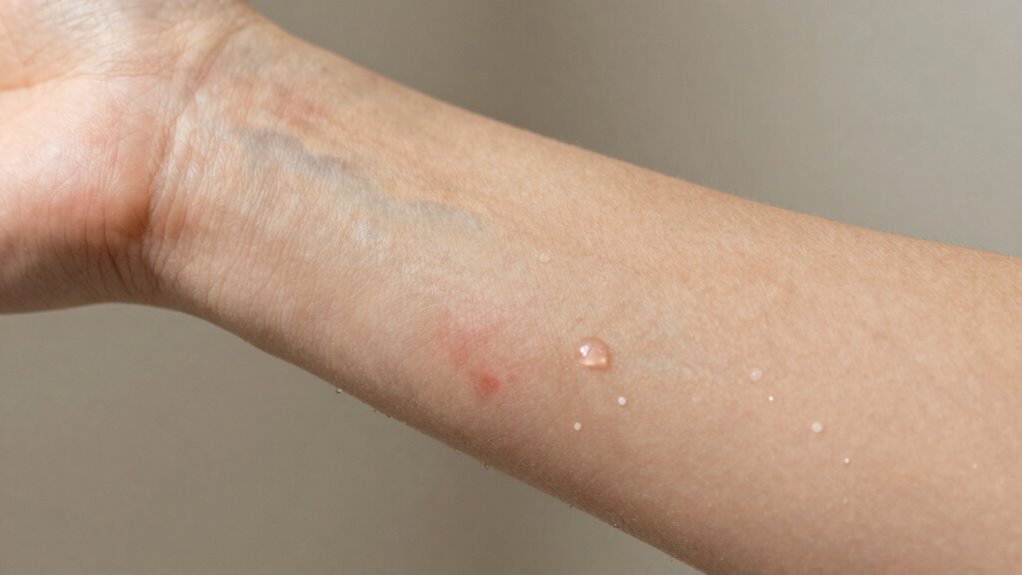
Are you unsure if your skin barrier needs professional attention? Sometimes, persistent issues aren’t just skin barrier myths—they’re signs that a dermatologist’s expertise is needed. Consider seeing a dermatologist if:
If persistent skin issues linger, consulting a dermatologist is essential for proper care and diagnosis.
- Your skin feels constantly inflamed, painful, or raw, despite following a gentle routine.
- You notice severe redness, swelling, or signs of infection that don’t improve.
- Over-the-counter treatments haven’t resolved persistent issues, and concerns grow worse.
Ignoring these signs can lead to long-term damage or misdiagnosis. A dermatologist can accurately assess whether your concerns stem from a compromised skin barrier or other underlying conditions. Don’t hesitate—your skin’s health deserves expert care when routine fixes aren’t enough.
Frequently Asked Questions
Can Diet Influence the Health of My Skin Barrier?
Your diet can considerably impact your skin barrier health. Nutrients like omega-3 fatty acids, vitamins A, C, and E, and zinc support the barrier’s strength and repair. A balanced diet influences skin resilience, hydration, and healing, reducing dryness and irritation. By choosing nutrient-rich foods, you give your skin the essential nutrients it needs to stay healthy and protected, ultimately improving your overall skin barrier function.
How Does Climate Change Affect My Skin Barrier?
Climate change impacts your skin barrier by exposing you to increased environmental pollutants and UV radiation. These elements damage the barrier’s lipids and proteins, leading to dryness, irritation, and sensitivity. You might notice your skin becomes more prone to inflammation and faster aging. To protect your skin, use broad-spectrum sunscreen, stay hydrated, and incorporate antioxidants into your routine. Staying mindful of environmental factors helps maintain a resilient, healthy skin barrier.
Are There Specific Age Groups More Prone to Barrier Damage?
You’re more prone to barrier damage if you’re over 50, as age-related changes weaken your skin’s resilience. Hormonal influences, especially during menopause, reduce oil production and impair healing, making your skin more vulnerable. Younger adults generally have a stronger barrier, but stress, skincare habits, and environmental factors can still cause damage. Understanding these age-related shifts helps you tailor your routine to protect and repair your skin effectively.
Can Stress Impact the Strength of My Skin Barrier?
Yes, stress effects your skin barrier by weakening it over time. When you’re stressed, hormonal impact triggers the release of cortisol, which can reduce your skin’s ability to retain moisture and repair itself. This makes your skin more vulnerable to irritants and damage. Managing stress through relaxation techniques, adequate sleep, and a healthy routine helps maintain your skin’s strength and resilience, protecting your barrier from unnecessary harm.
What Are Common Misconceptions About Skin Barrier Repair?
Many believe you can fix your skin barrier with just one ingredient, but myth busting shows it’s more complex. People often misunderstand which ingredients truly support barrier repair—like overhyping products with only one active. In reality, a balanced approach with ceramides, fatty acids, and gentle cleansing supports healing. Don’t fall for misconceptions that quick fixes or single ingredients can fully restore your skin’s protective layer. Consistency and proper formulation matter most.
Conclusion
To keep your skin barrier strong, prioritize gentle habits and nourishing ingredients. Avoid over-scrubbing and harsh products, and listen to your skin’s signals—like a wise old sage warning you. With consistent care and patience, you’ll build resilience, much like a knight fortifying their castle. Remember, your skin’s health is a journey, not a quest for a quick fix. Treat it with kindness, and your skin will thank you in the days to come.