
Your circadian rhythm is your body’s internal clock that guides when you feel awake or sleepy, mainly triggered by daily signals like light. When sunlight enters your eyes, it signals your brain to stay alert and suppress melatonin, the sleep hormone. As daylight fades, melatonin rises, making you feel sleepy. Managing your light exposure helps keep this cycle aligned with nature. Keep exploring to understand how to optimize your daily routines and sleep habits.

Get health and wellness essentials delivered free with Prime
- Fast, free delivery on millions of items
- Prime Video, Amazon Music and more included
- Member-only deals all year
Key Takeaways
- Light exposure, especially natural sunlight, is the primary cue that resets and synchronizes your internal circadian clock.
- Morning bright light suppresses melatonin and increases alertness, helping set your sleep-wake cycle.
- Diminishing daylight in the evening triggers melatonin production, signaling your body to prepare for sleep.
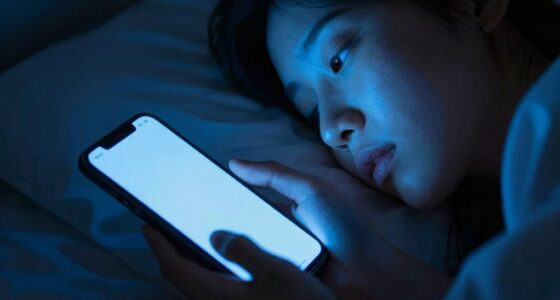
- Blue light from screens can delay melatonin release, disrupting your natural sleep timing.
- Consistent daily light cues help maintain a healthy circadian rhythm aligned with the environment.
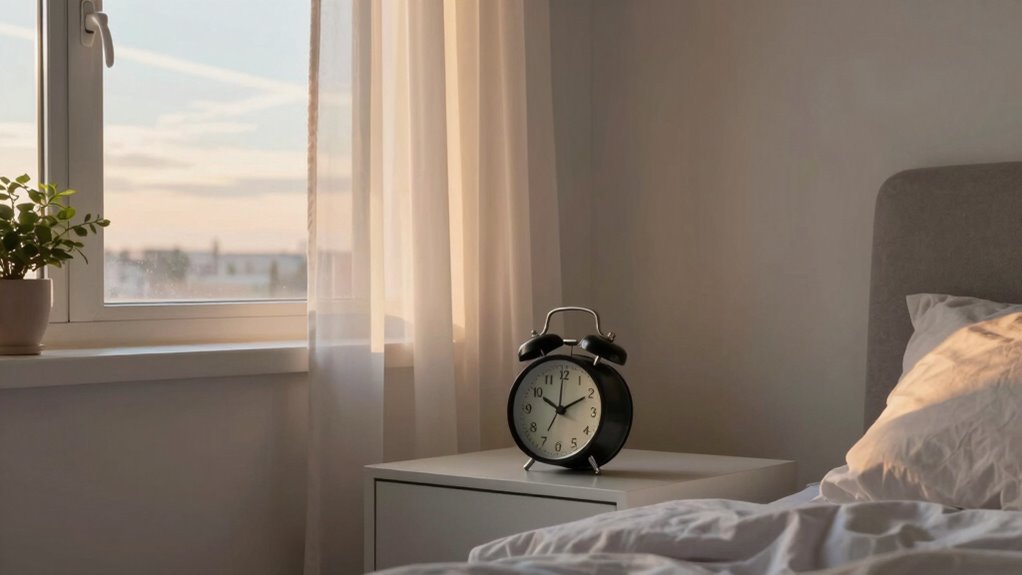
Have you ever wondered why you feel sleepy at night and alert during the day? The answer lies in your circadian rhythm, a natural internal clock that controls your sleep-wake cycle. This rhythm is primarily influenced by external cues, especially light exposure, which signals your brain to regulate hormones that keep you alert or ready to rest. When you wake up in the morning, sunlight enters your eyes and triggers a series of responses that help reset your internal clock. This process is essential because it helps synchronize your body’s functions with the environment, ensuring you’re awake when it’s daytime and sleepy when night falls.
Light exposure plays a key role in hormone regulation, particularly in the production of melatonin, often called the sleep hormone. As daylight diminishes, your brain receives signals to increase melatonin production, making you feel sleepy and preparing your body for rest. Conversely, exposure to bright light in the morning suppresses melatonin, boosting alertness and energy levels. This delicate balance ensures your sleep-wake cycle stays aligned with the natural day-night cycle. If your light exposure is inconsistent or disrupted—like staying indoors with artificial lighting or working night shifts—your hormone regulation can become out of sync, leading to sleep problems or feeling groggy during the day.
Inconsistent light exposure can disrupt melatonin production, causing sleep issues and daytime grogginess.
Your circadian rhythm is also influenced by other factors, such as meal times, physical activity, and social interactions, but light exposure remains the most powerful cue. When your eyes detect light, especially blue light from screens or sunlight, it signals your brain to stay awake and alert through hormone regulation. This is why many people find it challenging to fall asleep after extended screen time or exposure to artificial lighting late at night. Your body’s internal clock relies heavily on these signals to determine when to produce or suppress hormones that regulate sleep and wakefulness. Moreover, artificial light exposure can interfere with the natural cues that keep your circadian rhythm synchronized, highlighting the importance of managing light environments for better sleep health.
Understanding how light exposure influences your circadian rhythm can help you optimize your daily routine. Getting natural sunlight during the day, especially in the morning, reinforces your body’s natural timing. Conversely, reducing exposure to blue light in the evening by dimming screens or using night mode can help your body produce more melatonin, making it easier to fall asleep. Recognizing the connection between light exposure and hormone regulation allows you to take control of your sleep health, aligning your internal clock with the natural rhythms of the environment for better rest and greater daytime alertness.
blue light blocking glasses for sleep
As an affiliate, we earn on qualifying purchases.
As an affiliate, we earn on qualifying purchases.
Frequently Asked Questions
How Do Age and Genetics Influence Circadian Rhythm?
Your age and genetics influence your circadian rhythm through genetic variations and age-related changes. As you get older, your internal clock shifts, often causing earlier bedtimes and wake times. Genetic variations can make your rhythm more or less flexible, affecting sleep quality and alertness. These factors shape how your body responds to daily signals, making it essential to adapt your sleep habits to maintain good health and well-being.
Can Circadian Rhythms Be Reset After Jet Lag?
In the blink of an eye, you can reset your circadian rhythms after jet lag. You should use melatonin supplements and stick to solid sleep hygiene practices like consistent sleep times and avoiding screens before bed. Exposure to natural light during the day helps adjust your internal clock. With patience and these strategies, your sleep patterns can realign, helping you feel rested and alert again.
What Are Common Signs of Circadian Rhythm Disruption?
You may notice sleep disturbances, feeling like you can’t fall asleep or stay asleep, and waking up feeling unrefreshed. Fatigue and drowsiness during the day are common signs that your circadian rhythm is disrupted. You might also experience mood swings, difficulty concentrating, and changes in appetite. These symptoms occur because your internal clock isn’t aligned with your environment, affecting your overall sleep quality and daytime alertness.
How Does Light Therapy Affect the Circadian Clock?
Light therapy leverages the power of purposeful light exposure to reset your circadian clock. By shining bright light at strategic times, it influences melatonin regulation, helping you wake up feeling refreshed and fall asleep easily. This targeted treatment adjusts your internal timing, combating disorders like jet lag or shift work fatigue. As you expose yourself to specific light, you synchronize your sleep-wake cycle and restore natural rhythms.
Are There Long-Term Health Effects of Disturbed Circadian Rhythms?
Disturbed circadian rhythms can negatively impact your long-term health, leading to issues with metabolic health like obesity and diabetes, and affecting mental well-being by increasing your risk of depression and anxiety. When your sleep-wake cycle is irregular, your body struggles to regulate hormones and energy levels properly. Over time, these disruptions can cause serious health problems, making it vital to maintain a consistent routine for your overall well-being.
light therapy lamp for circadian rhythm
As an affiliate, we earn on qualifying purchases.
As an affiliate, we earn on qualifying purchases.
Conclusion
Understanding your circadian rhythm is like tuning a delicate instrument; when in harmony, it guides your body through the symphony of sleep and wakefulness. By paying attention to these daily signals, you become the conductor of your own well-being, orchestrating restful nights and energized days. When you honor this internal clock, you’re not just surviving—you’re dancing in tune with nature’s timeless rhythm, allowing life’s melody to flow effortlessly through your every moment.
alarm clock with sunrise simulation
As an affiliate, we earn on qualifying purchases.
As an affiliate, we earn on qualifying purchases.
As an affiliate, we earn on qualifying purchases.
Cold & flu season Picks
humidifiers
As an affiliate, we earn on qualifying purchases.