
To use sleep tracking without obsession, focus on the overall trends and trust your gut feelings instead of fixating on daily numbers. Avoid comparing your data to others or chasing perfect results, and instead, set realistic goals that promote gradual improvement. Keep in mind external factors like stress or caffeine that can influence your sleep. If you want practical tips on balancing tech with intuition, you’ll find helpful strategies below.
Key Takeaways
- Use sleep data as a trend guide, not a measure of perfection, to prevent unnecessary stress.
- Trust your body’s signals and intuition alongside data to maintain a balanced perspective.
- Focus on small, consistent improvements and celebrate progress rather than obsessing over nightly numbers.
- Limit tracking frequency and avoid over-monitoring to reduce data anxiety and promote restful awareness.
- Incorporate relaxing bedtime routines and seek professional help if sleep issues persist or worsen.
Why Overdoing Sleep Tracking Can Cause Anxiety and Disrupt Rest
While tracking your sleep can seem helpful, doing it excessively often leads to anxiety that can actually make your sleep worse. This sleep obsession often results in data anxiety, where you become hyper-focused on every detail of your sleep patterns. Instead of gaining insight, you might start to worry about not getting enough rest or misinterpret normal variations as problems. Constantly checking your sleep data can create a cycle of stress, making it harder to fall asleep or stay asleep. The more you fixate on numbers, the more you may feel frustrated or anxious, which disrupts your natural sleep rhythms. Additionally, research indicates that vetted sleep monitoring devices may sometimes provide inaccurate data, leading to unnecessary concern. It’s important to remember that sleep cycles naturally fluctuate and are not always indicative of poor rest. Over-tracking can also diminish the value of restful awareness, which is essential for healthy sleep patterns. Developing a balanced approach to sleep data can help prevent obsession and promote more relaxed sleep habits. Recognizing the difference between helpful data and overanalysis is key to maintaining healthy sleep habits. Ultimately, over-tracking can turn a helpful tool into a source of unnecessary stress, sabotaging the very rest you’re trying to improve.
Finding the Right Balance Between Sleep Data and Your Gut Feelings
Trust your intuition when evaluating your sleep quality, but don’t ignore valuable data. Use sleep trackers as a guide, not a rule, to better understand your body’s signals. Recognizing the importance of balanced fitness routines, including elements like Bosu balance training and motivation, can further support your overall well-being and sleep health. Incorporating personal health priorities and future economic considerations can also help you understand how shifts in society might influence personal health priorities over time. Being aware of the research‑backed insights behind sleep patterns can help you interpret data more effectively, rather than relying solely on numbers. Understanding sleep cycle patterns can enhance your ability to make informed decisions about your rest.
Trust Your Intuition
Balancing sleep data with your gut feelings requires you to listen carefully to how you actually feel each day. Trusting your intuition means recognizing when your body signals that something’s off, even if the data says otherwise. An intuitive decision often involves tuning into your gut instincts—those subtle feelings that guide you toward what’s best for your well-being. Don’t dismiss these sensations as mere emotions; they’re valuable insights rooted in your body’s signals. While sleep trackers provide useful information, they shouldn’t override how you feel physically and mentally. Incorporating self-awareness techniques can help support a restful environment that aligns with your body’s needs, fostering healthier sleep habits without becoming obsessed with numbers. This approach helps you stay connected to your body’s needs, fostering healthier sleep habits without becoming obsessed with numbers.
Use Data Wisely
Using sleep data wisely involves integrating it as a helpful tool rather than letting it dominate your perception of a good night’s rest. Focus on accurate data interpretation to identify patterns that can improve your sleep hygiene without obsessing over every detail. Remember, numbers don’t tell the whole story; your gut feelings and daily habits matter too. When reviewing your sleep data, look for trends rather than perfection. If your tracker shows occasional poor sleep, consider whether stress, caffeine, or screen time might be influencing your nights. Use the information to make small, intentional adjustments, but avoid overreacting to minor fluctuations. Balancing data with your intuition helps you stay motivated and mindful, fostering healthier sleep habits without anxiety or obsession. Additionally, keep in mind that vetted tools can provide reliable insights without causing undue concern. Being aware of time zone differences can also help you interpret your sleep patterns more accurately, especially if you travel or have a varied schedule. Incorporating sleep environment factors into your assessment can further enhance your understanding of sleep quality and help you make more holistic improvements. Moreover, understanding how natural light exposure influences your circadian rhythm can optimize your sleep-wake cycle. Paying attention to consistent sleep schedules can also support more stable and restful sleep patterns.
How to Choose the Best Sleep Tracking Tools for Your Needs
Choosing the right sleep tracking tools starts with understanding your specific needs and goals. Focus on sleep tracker accuracy to guarantee the data you get is reliable, especially if you’re making health decisions based on it. Look for devices that offer consistent, precise readings, and consider whether the technology suits your sleep patterns and lifestyle. Device compatibility is also essential; make sure the tracker works seamlessly with your smartphone or other health apps. Some tools sync easily, providing a thorough view of your sleep data, while others may require more effort to integrate. By prioritizing accuracy and compatibility, you can select a device that supports your sleep journey without adding unnecessary stress or confusion. Additionally, being mindful of data overload can help prevent anxiety, ensuring you use sleep tracking as a helpful tool rather than a source of obsession. Managing data complexity can make the information more accessible and less overwhelming. Recognizing the importance of ethical data handling in sleep technology can also help you choose brands committed to safeguarding your privacy and trust. Incorporating user feedback and reviews can further guide you in selecting a trustworthy and effective device tailored to your needs. Moreover, staying informed about AI-driven discoveries in health technology can inspire confidence in the tools you choose.
Set Realistic Goals and Expectations for Your Sleep Data

While tracking your sleep can offer valuable insights, it’s important to set realistic goals and expectations to avoid frustration or disappointment. Your sleep expectations shouldn’t be perfect, but rather focus on gradual improvement. Establish data goals that are achievable and meaningful for your lifestyle. Remember, progress is rarely linear, and setbacks are normal. To keep your mindset healthy, consider these tips: 1. Celebrate small victories, like consistent bedtimes. 2. Understand that sleep varies from night to night. 3. Avoid comparing your data to others’ standards. 4. Focus on overall trends, not isolated numbers. 5. Be aware of media literacy to interpret sleep data accurately and avoid misinformation. Recognizing that data interpretation skills are essential can help you make informed decisions without undue anxiety. Developing sleep pattern recognition can further support your understanding of your sleep health and prevent unnecessary worry.
Applying Sleep Insights Without Overthinking Them
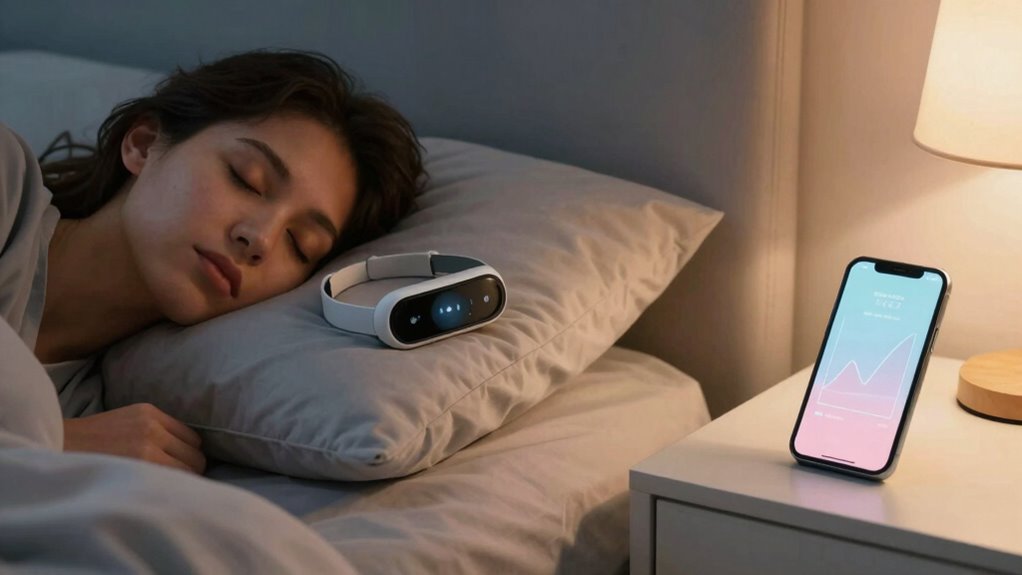
When you review your sleep data, try to see it as helpful information rather than a source of stress. Keep an open mind and focus on patterns rather than obsessing over every detail. By setting realistic goals, you can use your insights to improve your sleep without overthinking each change.
Embrace Data Objectively
Even though tracking your sleep can provide valuable insights, it’s important not to let the data dominate your mindset. Approach your sleep data with emotional detachment and focus on accurate data interpretation. This helps you stay objective rather than overwhelmed by fluctuations. Here are four ways to embrace data objectively:
- Recognize that minor variations are normal and don’t define your overall health.
- Avoid jumping to conclusions based on a single night’s data.
- Use insights as guidance, not as labels of success or failure.
- Remind yourself that sleep data is just one piece of your well-being puzzle.
Set Realistic Goals
Setting realistic goals based on your sleep data helps you make meaningful progress without overthinking every fluctuation. Focus on establishing achievable sleep goals that reflect your natural patterns rather than chasing perfect numbers. When tracking habits, avoid setting overly strict targets that can lead to frustration. Instead, aim for gradual improvements, such as consistent bedtimes or increasing sleep duration by small increments. Remember, data is a tool to guide your habits, not a source of pressure. Celebrate progress, no matter how minor, and adjust your goals as needed. This approach keeps you motivated without obsessing over every wake-up or fluctuation. By setting practical goals, you build sustainable habits that support better sleep without adding stress.
Tips to Keep Your Sleep Data From Causing Stress
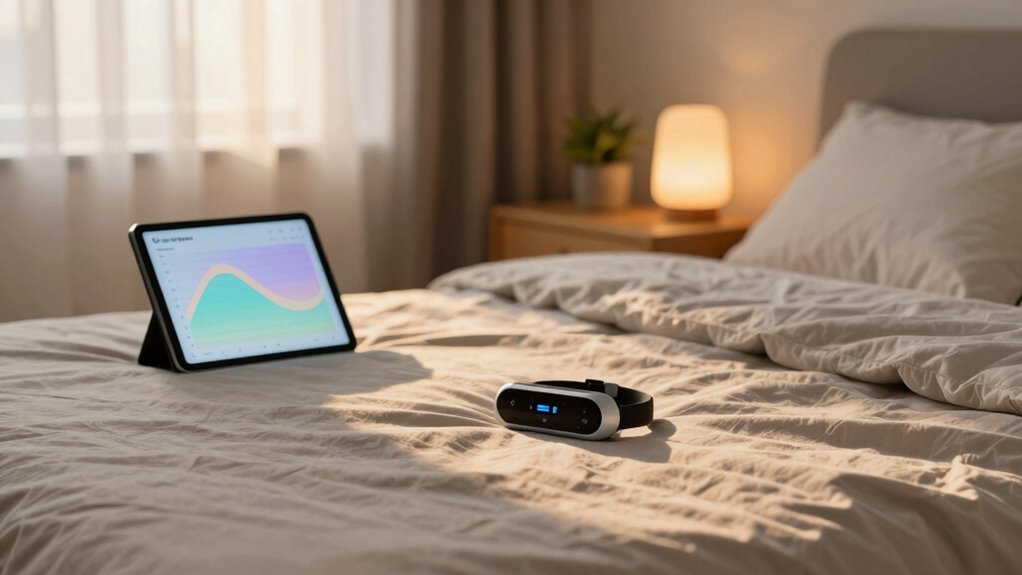
To prevent sleep data from causing unnecessary stress, it’s important to approach tracking with a balanced mindset. Focus on mindful measurement, paying attention to how your data makes you feel rather than obsessing over every number. Cultivate emotional awareness by recognizing when data triggers anxiety and gently shifting your perspective. Here are four tips to help you stay calm:
Focus on mindful sleep tracking, prioritize how data makes you feel, and stay calm with small, positive adjustments.
- View data as a guide, not a judgment.
- Set realistic expectations and avoid perfectionism.
- Take breaks from tracking to reset your mindset.
- Celebrate small improvements without overanalyzing.
Common Sleep Tracking Mistakes and How to Avoid Them

Many people make common mistakes when tracking their sleep, which can lead to inaccurate insights or unnecessary frustration. One mistake is relying solely on a sleep diary without considering context—failing to note factors like stress or caffeine intake can skew your understanding of sleep habits. Another is obsessing over perfect data rather than viewing trends over time; focusing on isolated nights can cause unnecessary worry. Additionally, inconsistent tracking methods, such as switching devices or neglecting to log details, reduce accuracy. Avoid these pitfalls by maintaining a steady sleep diary, noting lifestyle habits, and viewing data as a guide rather than a strict rule. Remember, the goal is to understand patterns, not perfection.
When to See a Sleep Specialist Instead of Relying on Devices
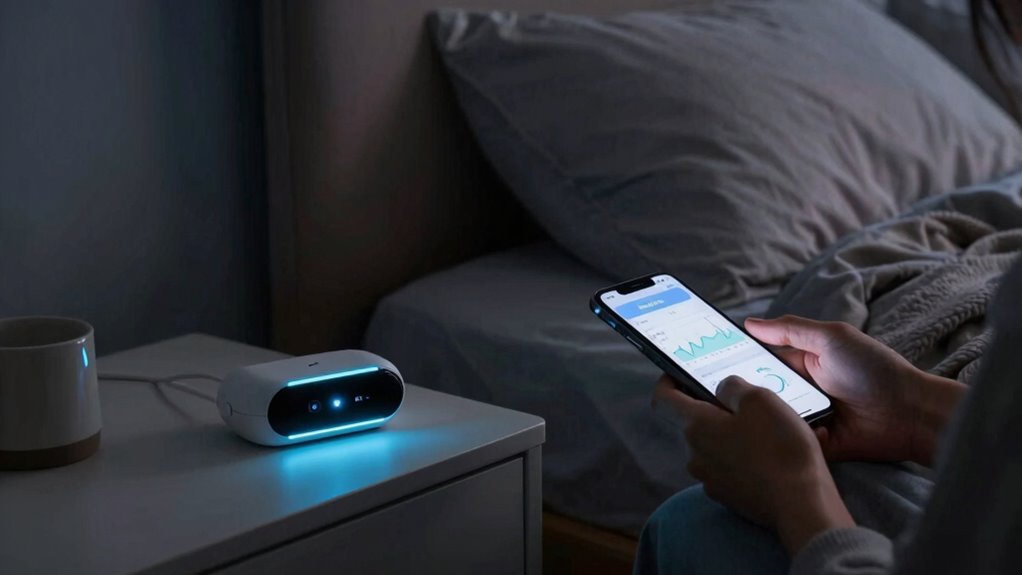
While sleep tracking devices can provide useful insights, they aren’t a substitute for professional evaluation when sleep issues persist, worsen, or substantially impact your daily life. Recognizing signs of sleep disorders is vital for timely intervention. You should consider seeing a sleep specialist if:
- You often feel exhausted despite enough sleep.
- Your sleep is interrupted frequently, causing daytime drowsiness.
- You notice irregular breathing or choking during sleep.
- Your sleep problems cause anxiety or affect your mood and productivity.
Knowing when to seek professional help ensures you don’t ignore serious issues. Sleep disorders can have significant health implications if left untreated. Trust your instincts and consult a specialist if your sleep concerns are ongoing or worsening, rather than relying solely on device data.
Create a Relaxing Bedtime Routine That Supports Your Data Approach
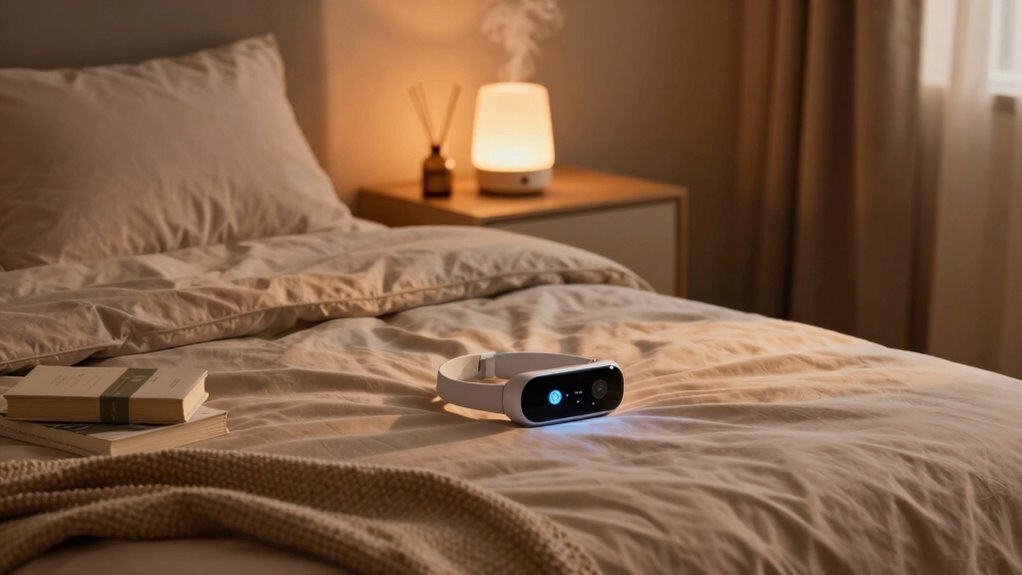
Establishing a relaxing bedtime routine can substantially enhance your sleep quality and make your data tracking more meaningful. Focus on calming bedtime rituals and relaxation techniques that signal your body it’s time to unwind. Consider activities like reading, gentle stretching, or listening to soothing music. These routines create a peaceful passage from day to night. Visualize your calming space:
| Soft lighting | Aromatherapy | Gentle stretches |
|---|---|---|
| Warm tea | Diffuser | Deep breathing |
| Comfortable pajamas | Silence or white noise | Mindful meditation |
Incorporate these elements into your nightly habits to support your data approach without obsession. This way, sleep becomes a positive ritual, reinforcing healthy habits while easing anxiety around tracking.
Frequently Asked Questions
Can Sleep Tracking Improve Sleep Quality Over Time?
Yes, sleep tracking can improve your sleep quality over time. By monitoring sleep consistency and understanding your sleep patterns, you can identify habits that disrupt rest. Improving your sleep environment—like reducing noise and light—can enhance sleep quality. Use the data as a helpful guide rather than a source of anxiety, making small adjustments gradually to achieve better sleep health without feeling overwhelmed.
How Accurate Are Consumer Sleep Trackers Compared to Professional Assessments?
Consumer sleep trackers vary in device accuracy, but they generally provide a good overview rather than precise data. Compared to professional assessments, they often underestimate or overestimate sleep stages and quality. While useful for spotting patterns, don’t rely solely on them for detailed analysis. Use the data as a guide, but consult a professional for thorough sleep evaluations. Remember, consistency and context matter more than perfect accuracy.
What Are Signs That My Sleep Data May Be Unreliable?
You might notice your sleep data is unreliable if you see inconsistent readings night after night. Research shows consumer sleep trackers can have up to 30% inaccuracies. Signs include sensor malfunctions, such as the device not syncing properly, or sudden, unexplained changes in your sleep patterns. These issues often stem from poor placement or technical glitches. Trust your overall sleep experience more than isolated data points to avoid unnecessary anxiety.
Is It Beneficial to Track Sleep Variations on Weekends and Weekdays?
Tracking sleep variations between weekends and weekdays can be beneficial if you focus on weekend consistency and understand weekday variation. It helps you identify patterns, like how your sleep schedule shifts and its impact on your rest. But don’t obsess over minor differences. Use the data to make small adjustments, aiming for a balanced routine. This approach keeps you informed without creating anxiety about perfect sleep every night.
How Can I Prevent Obsession With Daily Sleep Scores?
To prevent obsession with daily sleep scores, practice mindful monitoring by focusing on overall trends rather than daily fluctuations. Cultivate emotional detachment by reminding yourself that sleep data is just one part of your well-being, not a measure of self-worth. Set specific goals for improvement, but avoid overanalyzing each score. Keep a balanced perspective, and prioritize restful sleep over perfect numbers to maintain a healthy relationship with your data.
Conclusion
So, you’ve mastered the art of sleep tracking without losing sleep over it. Ironically, the best way to improve your rest is to stop obsessing over every data point. Embrace the insights, but don’t let them steal your peace. After all, the goal isn’t to become a sleep scientist overnight, but to find a balance that lets you actually enjoy better, more restful nights—without turning your bedroom into a data lab.