

Many believe melatonin is a quick fix or a sleep miracle, but it’s actually a natural hormone that signals your body to wind down. It’s not a sedative or a magic pill, and taking too much can cause grogginess or hormonal disruption. Using it improperly can even worsen your sleep issues. If you want to understand what melatonin truly is—and what it isn’t—there’s more to discover below.
Key Takeaways
- Melatonin is a natural hormone signaling sleep time, not an instant sleep cure or sedative.
- It’s not a safe, universal solution; improper use can cause side effects and hormonal disruption.
- Higher doses do not necessarily improve sleep and may lead to grogginess or imbalance.
- Melatonin supports natural circadian rhythms but shouldn’t override healthy sleep habits or underlying issues.
- Always consult a healthcare professional before using melatonin, especially during pregnancy or medication use.
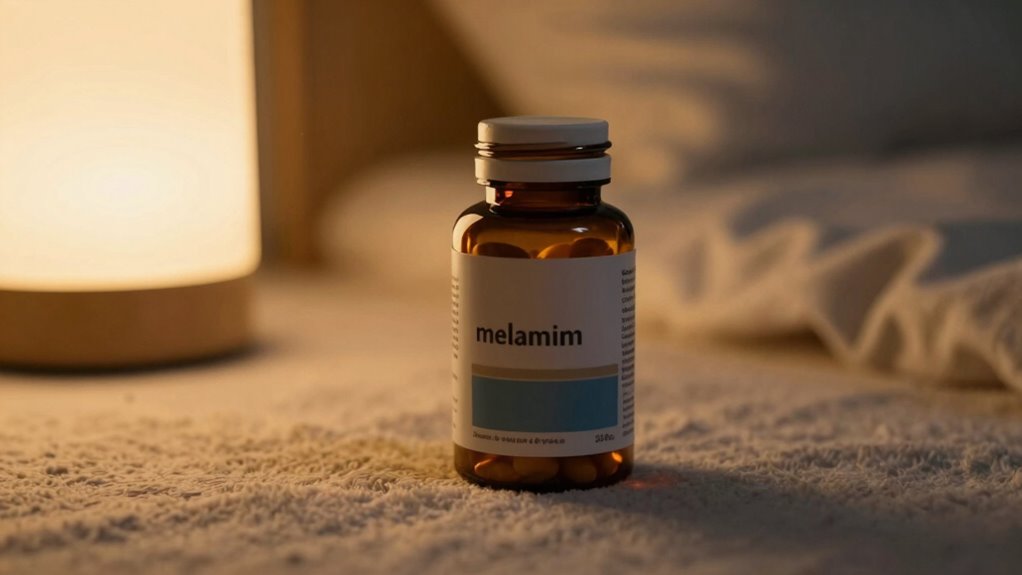
Have you ever wondered if taking melatonin supplements is truly safe or if there are hidden risks? Many people turn to melatonin as a quick fix for sleep troubles, but understanding what it does—and what it doesn’t—is essential. Melatonin is a hormone naturally produced by your pineal gland, signaling to your body that it’s time to wind down. When you take supplements, you’re fundamentally adding extra hormone to influence your sleep cycle, but it’s not a magic pill. Instead, it acts as a cue, helping your body recognize when it’s time to sleep, especially in situations like jet lag or shift work. However, it’s important to realize that melatonin’s primary role is in hormone regulation related to sleep, not as a sedative.
Many myths surround melatonin, with some claiming it’s completely safe for everyone or that it can cure sleep disorders instantly. While generally considered safe for short-term use, taking high doses or using it regularly without medical guidance can disrupt your natural hormone regulation. Your sleep cycle is finely tuned by your body’s internal clock, which responds to light and darkness cues. Introducing supplemental melatonin can sometimes interfere with this delicate balance, especially if used improperly or for extended periods. You might think that more melatonin equals better sleep, but excess amounts can lead to side effects like grogginess, dizziness, or even hormonal imbalances over time.
It’s also a common misconception that melatonin works the same for everyone. The truth is, individual responses vary, influenced by factors like age, existing health conditions, and timing of intake. If you take melatonin at the wrong time, it can actually shift your circadian rhythm further out of sync, making sleep problems worse rather than better. Additionally, relying solely on supplements without addressing underlying causes—such as stress, poor sleep hygiene, or medical conditions—can be unproductive. Recognizing the importance of circadian rhythm regulation can help you understand how melatonin interacts with your body’s natural processes.
Understanding what melatonin is and isn’t helps you make informed choices. It’s not a sedative or a cure-all, but a hormone that can help regulate your sleep cycle when used correctly. Always consult a healthcare professional before starting any supplement, especially if you’re pregnant, breastfeeding, or on medication. Using melatonin responsibly means respecting your body’s natural hormone regulation and recognizing that it’s just one tool among many for achieving better sleep. Ultimately, the key is to support your natural rhythms rather than override them with unregulated supplementation.
Frequently Asked Questions
Can Melatonin Improve Athletic Performance or Increase Energy?
Melatonin doesn’t boost sports performance or increase energy directly. Its main role is regulating sleep, which can indirectly improve your athletic performance by enhancing rest and recovery. Better sleep might make you feel more energized and focused during workouts, but melatonin itself isn’t a stimulant or energy enhancer. If you’re seeking better energy for sports, focus on proper sleep, nutrition, and training instead of relying on melatonin supplements.
Is Melatonin Safe for Long-Term Use Without Side Effects?
You might think long-term melatonin use is a walk in the park, but it’s wise to be cautious. While generally considered safe short-term, its long-term safety and side effect profile aren’t fully understood yet. You should consult with a healthcare professional before relying on it for extended periods. Keep in mind, even natural supplements can have unforeseen effects, so staying informed is your best bet to avoid any surprises down the road.
Does Melatonin Cause Dependency or Addiction?
You don’t need to worry about dependence concerns or addiction risks with melatonin. It’s not habit-forming like some sleep medications, so it won’t cause dependency even with long-term use. Melatonin works as a hormone supplement rather than a drug that creates cravings. However, it’s still wise to use it responsibly and consult a healthcare professional if you have ongoing sleep issues, to guarantee safe, effective use.
Can Melatonin Be Used as a Sleep Aid for Children?
Think of melatonin as a gentle nudge for a child’s sleep cycle. You can use it for pediatric sleep safety, but only under a doctor’s guidance. It’s vital to follow the proper children’s melatonin dosage, as too much can cause side effects. Always consult a healthcare professional to guarantee safe use, as every child’s needs are different. Proper guidance helps your child enjoy peaceful nights without unnecessary risks.
Are There Natural Foods That Contain Effective Amounts of Melatonin?
You can find natural melatonin in certain food sources like cherries, grapes, tomatoes, and oats. Eating these foods may help boost your body’s natural melatonin levels, promoting better sleep. However, the amounts vary and are generally lower than supplements, so they might not produce immediate or significant effects. Incorporate these foods into your diet regularly for potential sleep benefits and overall health.
Conclusion
So, while melatonin might seem like a quick fix for sleep issues, don’t forget it’s not a magic pill. It’s a natural hormone, not a cure-all, and relying solely on it can mask underlying problems. Think of it as a helpful guide rather than the destination itself. By understanding what melatonin truly is—and what it isn’t—you empower yourself to make smarter choices for restful nights, balancing hope with realism in a world full of sleep myths.