
To wake up refreshed and avoid grogginess, keep your naps brief—about 10-20 minutes for a quick boost or 90 minutes for a full sleep cycle. Nap early in the afternoon, in a quiet, dark, cool space, and avoid late naps that can disrupt nighttime sleep. Use gentle alarm sounds or natural light to wake up calmly, and stretch or hydrate afterward. Stick with these tips, and you’ll discover more ways to nap effectively.
Key Takeaways
- Keep naps brief, around 10-20 minutes, to prevent sleep inertia and ensure quick, refreshing wake-ups.
- Use gentle alarms that mimic natural light or soothing sounds to wake gradually and reduce grogginess.
- Create a comfortable, dark, and quiet environment with eye masks and earplugs to optimize nap quality.
- Incorporate light stretching and hydration immediately after waking to boost alertness and energy.
- Avoid napping late in the day to prevent interference with nighttime sleep and lingering grogginess.
Why Rest Matters and How Napping Boosts Your Energy

Getting enough rest is essential because it helps your body and mind recover from daily stress and fatigue. Good sleep hygiene improves your overall rest quality, ensuring you fall asleep faster and stay asleep longer. When you prioritize consistent sleep routines, you set the stage for more restorative naps, boosting your energy levels throughout the day. Napping complements your nightly sleep by filling in gaps and reducing tiredness, especially when your sleep quality isn’t ideal. Well-rested individuals tend to think more clearly, stay focused, and feel more motivated. Recognizing the importance of rest helps you make smarter choices about when and how to nap. Incorporating sleep optimization techniques can also enhance your overall rest and recovery. Additionally, understanding your natural sleep rhythms can help you time naps more effectively. Paying attention to water-based activities can also promote relaxation and improve sleep quality, making your naps even more effective. Engaging in calming relaxation methods before napping can further improve your rest quality. Ultimately, better sleep hygiene and enhanced rest quality support your physical health and mental resilience.
What’s the Best Time of Day to Nap for Maximum Benefits
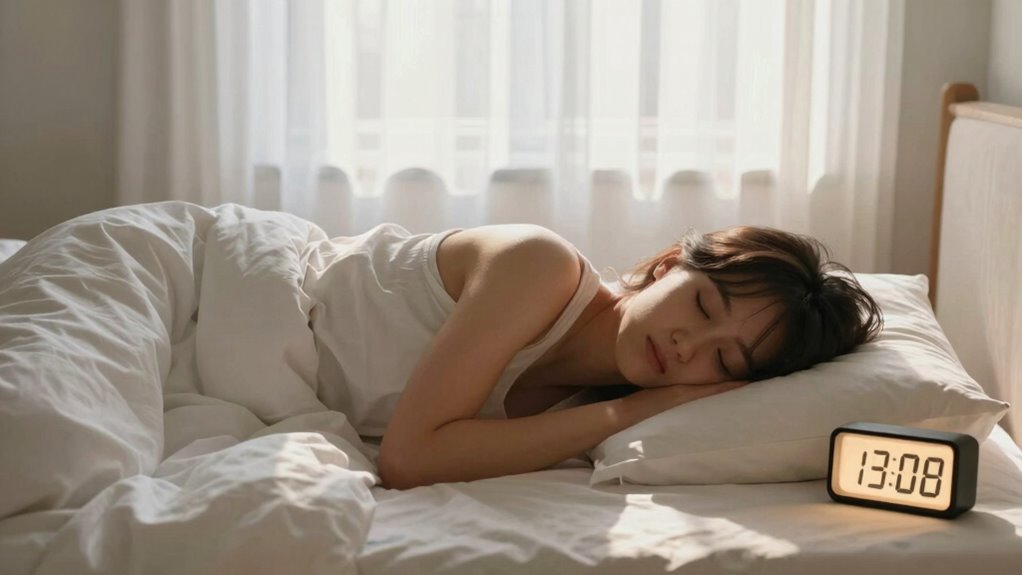
Choosing the right time for a nap can boost your energy and focus. Power naps are most effective in the early afternoon, typically between 1 and 3 pm. Keep your rest short—around 10 to 20 minutes—to wake up feeling refreshed and alert. Incorporating relaxation techniques such as deep breathing can further enhance the quality of your nap and help you wake up more rejuvenated. Understanding the circadian rhythm can help you optimize your sleep schedule and avoid grogginess after waking. Being aware of your natural sleep patterns can also help you decide the best timing for rest, especially when aligned with your biological clock. Additionally, setting a consistent napping routine can improve overall sleep quality and help you wake up more energized.
Best Time for Power Naps
The timing of your power nap can considerably influence how refreshed and alert you feel afterward. According to sleep science, early afternoon—around 1 to 3 pm—is generally ideal, as your body’s circadian rhythms naturally dip during this period. Napping during this window aligns with your rest habits, making it easier to fall asleep quickly and wake up feeling energized. Napping too late in the day can interfere with nighttime sleep, leaving you groggy or disrupting your sleep cycle. The key is to choose a time that avoids your body’s natural low points and fits seamlessly into your daily schedule. By doing so, you maximize the benefits of your power nap, feeling more alert and productive for the rest of your day. Proper sleep timing ensures you wake up feeling truly refreshed and ready to tackle your tasks. Additionally, understanding your individual sleep cycle can help tailor nap times for even better results.
Ideal Duration for Rest
To maximize the benefits of your power nap, keeping it short—around 10 to 20 minutes—is generally ideal. Short naps prevent you from entering deep sleep cycles, reducing grogginess and boosting alertness. Good sleep hygiene supports consistent, effective naps, so aim for a regular schedule. Using nap accessories like eye masks or noise-canceling headphones can enhance your rest environment, making it easier to fall asleep quickly and wake up refreshed. The timing of your nap also matters; early afternoon is *preferable* for most people, avoiding interference with nighttime sleep. Remember, the goal is to recharge without disrupting your overall sleep pattern. Incorporating sleep-friendly accessories can further improve your nap quality, helping you wake up feeling more energized. Additionally, creating a restful environment free from distractions can significantly enhance your ability to fall asleep quickly. Being mindful of light exposure during your naps can also influence how quickly you fall asleep and how rested you feel afterward. Implementing sleep techniques that promote relaxation can accelerate your transition into restful sleep and maximize your refreshment. By keeping naps brief and utilizing accessories that promote restful sleep, you’ll enjoy maximum benefits without feeling groggy afterward.
How Long Should Your Naps Be to Feel Refreshed

To wake up feeling refreshed, the length of your nap matters. Power naps typically last around 10 to 20 minutes, giving you a quick boost without grogginess. Longer naps, like 30 to 60 minutes, can provide deeper rest but may leave you feeling groggy afterward. To optimize your nap, understanding sleep cycles can help you choose the ideal duration for rejuvenation. Being aware of vetted techniques for floating on water can also inspire relaxation strategies that enhance your overall rest and recovery.
Power Nap Duration
Finding the right duration for your power nap can make all the difference in how refreshed you feel afterward. Typically, a nap lasting about 10 to 20 minutes is ideal because it keeps you in lighter sleep stages, preventing grogginess. Staying within this window helps you complete a full sleep cycle or avoid entering deep sleep, which can leave you feeling groggy upon waking. Your napping environment also plays an essential role—keep it quiet, dark, and comfortable to maximize the benefits of your short rest. If you nap too long, you risk entering deeper sleep stages, making it harder to wake up feeling refreshed. Additionally, sleep hygiene practices like maintaining a consistent nap schedule can enhance overall nap effectiveness. Creating a healthy sleep environment, such as using breathable bedding and minimizing noise, can further improve your rest quality. Using guided relaxation techniques before napping can help you fall asleep faster and improve sleep quality during your short rest. By keeping your nap brief and your environment perfect, you set yourself up for a quick, energizing break. Proper yarn selection for your sleep accessories, like weighted blankets or sleep masks, can also enhance your overall rest experience.
Optimal Rest Periods
The ideal rest period for a nap depends on your goals and schedule, but generally, short naps of 10 to 20 minutes are most effective for feeling refreshed. These durations help you avoid waking during deep sleep stages, which can leave you groggy. To maximize benefits, consider your sleep cycles and nap environment. Shorter naps keep you in lighter sleep stages, while longer naps (around 30-90 minutes) may include deep sleep but risk grogginess. Creating a comfortable, quiet, and dark nap environment enhances your rest quality. Here’s a quick guide:
| Nap Duration | Sleep Cycle Stage | Benefits |
|---|---|---|
| 10-20 min | Light sleep | Quick refresh, alertness |
| 30 min | Deep sleep | Memory consolidation |
| 60 min | Full sleep cycle | Creativity, problem-solving |
| 90 min | Complete cycle | Remembrance, recovery |
| Over 90 min | REM sleep | Emotional resilience |
Additionally, understanding your sleep cycles can help you time your naps more effectively. Incorporating sleep cycle awareness into your routine can optimize the restorative effects of napping and prevent grogginess. Being mindful of natural sleep patterns can further improve your overall rest and recovery.
Creating a Calm, Comfortable Space for Better Naps
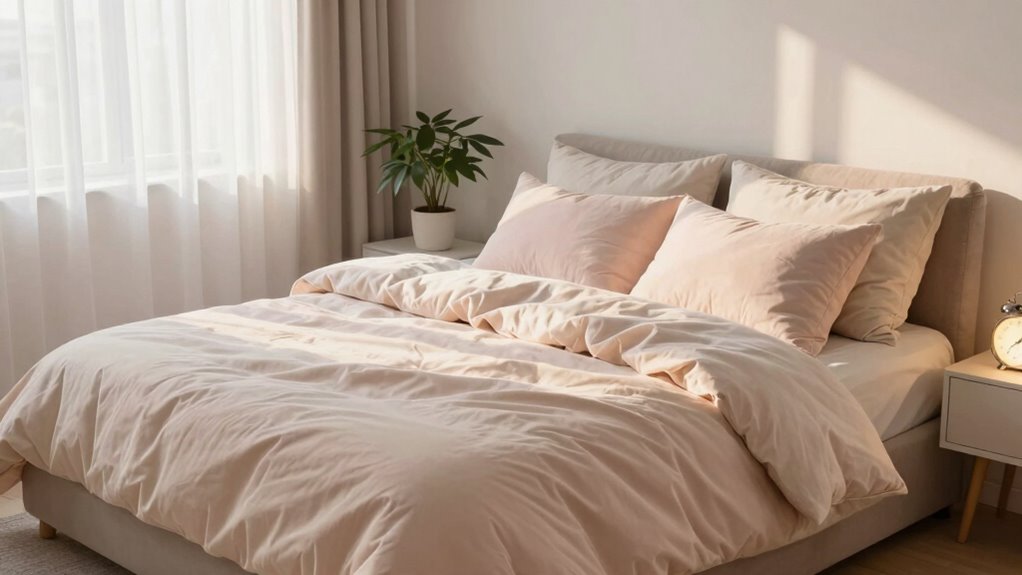
Creating a calm, comfortable space is essential for a restful nap. Your sleep hygiene starts with optimizing your nap environment. Choose a quiet, dark area free from distractions, and keep the temperature cool and comfortable. Use blackout curtains or an eye mask to block out light, and consider earplugs if noise is an issue. A comfortable surface, like a supportive mattress or cushioned chair, helps your body relax fully. Avoid screens and bright lights before your nap, as they can interfere with your sleep hygiene. By creating a dedicated, soothing space, you signal to your body that it’s time to rest. This environment encourages deeper relaxation and makes it easier to wake feeling refreshed instead of groggy.
Tips to Wake Up Gently and Avoid Grogginess
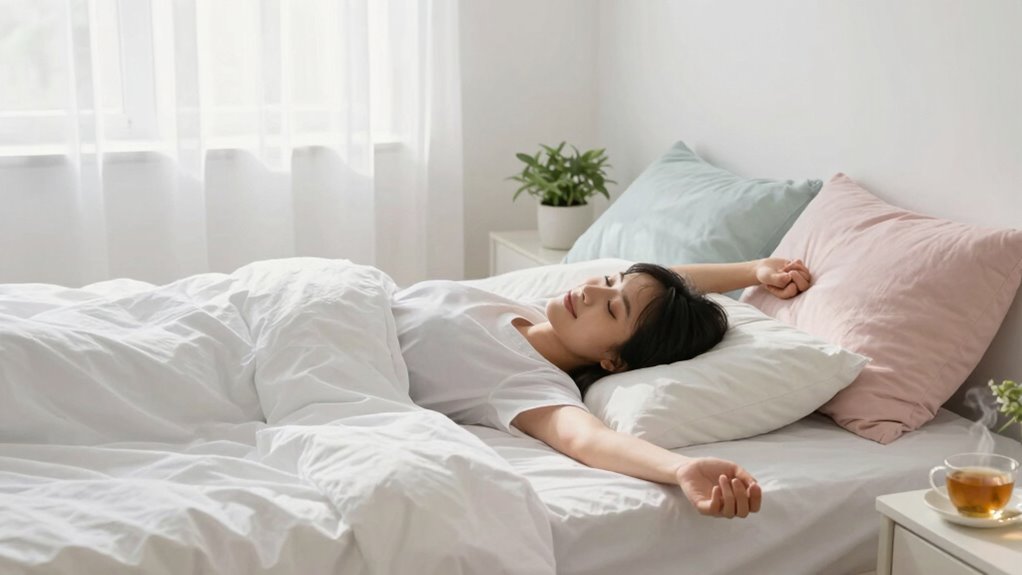
To wake up feeling refreshed rather than groggy, it’s important to give your body a gentle cue that your nap is ending. Good sleep hygiene helps regulate your internal clock, making waking smoother. Try setting an alarm that mimics natural light or soothing sounds to ease you awake. During your nap, pay attention to your dreams—dream analysis can reveal if you’re entering deep sleep stages that cause grogginess upon waking. Use the following table to choose your ideal wake-up method:
| Method | Benefits |
|---|---|
| Light alarm clock | Mimics sunrise, fosters gentle awakening |
| Gentle music | Calm transition, reduces shock |
| Stretching | Promotes circulation, alertness |
| Hydration | Boosts energy, prevents sluggishness |
| Short naps | Prevents deep sleep, avoids grogginess |
Common Napping Mistakes That Leave You Feeling Worse

Many common napping mistakes can leave you feeling groggier than before. Poor sleep hygiene often leads to naps that disrupt your sleep cycle. Additionally, falling for napping myths can cause bad habits, like napping too long or at the wrong time. Here are four mistakes to avoid:
Avoid common napping mistakes that worsen grogginess and disrupt your sleep cycle.
- Napping too late in the day, which interferes with nighttime sleep.
- Sleeping longer than 20-30 minutes, risking sleep inertia.
- Using naps to compensate for poor nighttime sleep instead of fixing sleep hygiene.
- Believing that all naps are beneficial—some can make you feel worse if timed incorrectly or too long.
Making Napping a Regular Part of Your Routine

Incorporating naps into your daily routine can boost your energy and improve focus, but consistency is key. To make napping a regular habit, align your naps with your sleep schedule, ideally taking them at the same time each day. This helps your body anticipate rest and prevents disrupting nighttime sleep. Use nap accessories like a comfortable eye mask or noise-canceling headphones to create a relaxing environment, making it easier to fall asleep quickly. Keep naps brief—around 20 minutes—to avoid grogginess and ensure you wake up refreshed. Consistency trains your body to expect rest at specific times, making naps more effective and easier to incorporate into your daily life. Over time, this routine can substantially enhance your overall energy and productivity.
When to Skip Napping and Alternative Ways to Boost Your Energy
While naps can be a great way to recharge, there are times when skipping them is the best choice—especially if they interfere with your sleep hygiene or leave you feeling groggy. If you notice your nap environment isn’t ideal or if naps disrupt your nighttime sleep, consider alternatives.
Here are four ways to boost your energy without napping:
- Take a brisk walk outdoors to increase alertness.
- Drink a glass of water to stay hydrated.
- Practice deep breathing or quick stretches to energize.
- Use bright light exposure to reset your internal clock.
Skipping naps in these situations helps maintain your sleep hygiene and ensures you wake up refreshed instead of groggy.
Frequently Asked Questions
Can Napping Help Improve My Mood and Mental Clarity?
Yes, napping can boost your mood and mental clarity. When you nap properly, you enhance cognitive benefits like improved focus and memory. It also helps with emotional regulation, making you feel calmer and more balanced. Short, strategic naps prevent grogginess and refresh your mind. By doing this, you support better decision-making and reduce stress, leaving you more energized and clear-headed throughout the day.
Are There Specific Foods or Drinks That Enhance Nap Quality?
Fuel your nap with healthy snacks like nuts or fruit, and sip herbal teas to boost relaxation. These foods and drinks can enhance your nap quality by promoting calmness and stabilizing blood sugar levels. Avoid caffeine or sugary treats before napping, as they can disrupt your rest. Prioritize hydration and light, nutritious options to set the stage for a restorative, invigorating nap.
How Does Sleep Debt Affect My Need for Naps?
When you’re sleep-deprived, your body experiences energy depletion, increasing your need for naps to recover. Sleep debt builds up over time, making you feel more tired and less alert. By taking strategic naps, you can temporarily reduce this energy gap, helping you feel more refreshed. However, consistently catching up on sleep is essential, as relying solely on naps won’t fully restore your energy levels or eliminate sleep deprivation effects.
Can I Nap After Drinking Alcohol or Caffeine?
Research shows that napping after drinking alcohol isn’t ideal because alcohol’s effects can disrupt your sleep cycle, making naps less restorative. Caffeine timing matters too; if you’ve consumed caffeine, wait at least a few hours before napping, as it can delay sleep onset. Drinking alcohol can cause grogginess and reduce nap quality, while caffeine might help you stay alert, but both interfere with deep, invigorating rest.
What Are the Signs I Need a Nap but Shouldn’t Take One?
You should avoid napping if you’re experiencing severe sleep deprivation or intense physical fatigue that leaves you feeling dizzy or disoriented. If you notice difficulty concentrating, irritability, or muscle weakness, it’s a sign your body needs restorative sleep rather than a short nap. Taking a nap in these states can worsen grogginess or disrupt your nighttime sleep. Instead, prioritize a full night’s rest to properly recharge your body.
Conclusion
By mastering the art of napping, you reveal a secret whispered by the ancients—wisdom in rest. When you choose the right time, length, and environment, you awaken with clarity and renewed vigor, as if touching the fountain of youth. Remember, even Socrates knew the power of pause. So, embrace these tips, and let your naps become a timeless ritual that keeps you sharp, refreshed, and ready to face whatever lies ahead.