

Using screen time tools effectively means viewing them as helpful aids rather than restrictions. Set clear boundaries that support your focus and wellbeing, customizing limits based on your needs. Use these tools to promote mindful usage, not guilt or frustration. Remember, they’re designed to empower you, not control you. Balance your digital habits with offline activities and enjoy the benefits without feeling trapped—discover how to make these tools work for you as you explore further.

Get health and wellness essentials delivered free — and shop member deals
- Fast, free delivery on millions of items
- Access to Prime Big Deal Days deals on October 6–7
- Prime Video, Amazon Music and more included
Key Takeaways
- View screen time tools as supportive aids for awareness and balance, rather than restrictions or punishments.
- Personalize settings to align with your needs, making limits feel relevant and manageable.
- Use tools proactively to set boundaries that enhance focus and prevent digital overwhelm.
- Incorporate designated free or flexible periods to enjoy device use without guilt or feeling controlled.
- Focus on maintaining a healthy digital routine that promotes wellbeing, rather than strict deprivation.
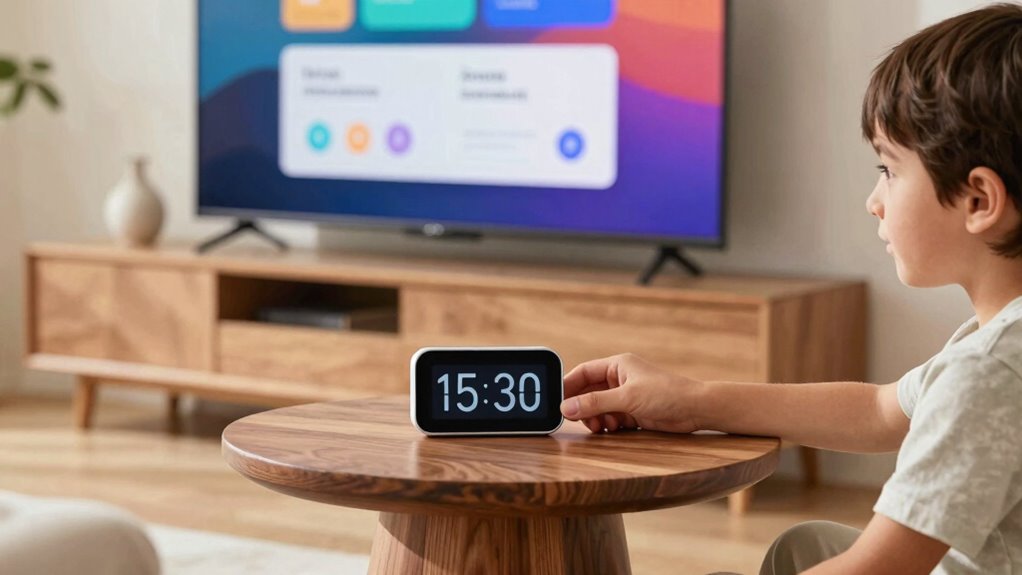
In today’s digital age, managing how much time you spend on screens is more important than ever. With so many apps, notifications, and online distractions vying for your attention, it’s easy to lose track of time and feel overwhelmed. That’s where screen time tools come in—they can help you set healthy habits without making you feel controlled or deprived. The key is to approach these tools with a mindset of establishing digital boundaries and balancing usage, rather than viewing them as restrictions.
Start by understanding that screen time tools are simply aids, not prisons. They’re designed to give you awareness and control over your digital habits. When you set limits on your device or app usage, you’re creating boundaries that serve your wellbeing. For example, you might use a screen time app to restrict social media after a certain hour or to block distracting notifications during work periods. These boundaries aren’t meant to punish you—they’re meant to help you regain focus and be more intentional with your time. When you view these tools as supportive rather than punitive, you’re more likely to stick with them and feel empowered rather than controlled.
Screen time tools are helpful aids that foster awareness and support healthy digital boundaries.
Balancing usage is another essential aspect. Instead of eliminating screens altogether, aim for a balanced approach that allows you to enjoy your devices while also making room for offline activities. Use screen time tools to allocate specific periods for work, relaxation, and social connection. For instance, you might set a daily limit for gaming or social media, but still allow yourself unlimited access during designated “free time.” This way, you maintain control without feeling deprived, and you can enjoy the benefits of technology without letting it dominate your day. Recognizing the importance of digital health can help reinforce positive habits and prevent burnout.
It’s also helpful to customize your settings based on your needs and priorities. Many devices and apps let you tailor limits for different activities or individuals. For example, if you notice you’re spending too much time scrolling on your phone, you can set a daily limit and receive gentle reminders when you’re approaching it. This encourages mindful usage rather than guilt or frustration. Remember, the goal is to create a sustainable routine that supports your mental health, productivity, and relationships.
Incorporating screen time tools into your daily life requires a proactive mindset. Instead of viewing them as restrictions, see them as strategies for maintaining digital boundaries and balancing usage. When used thoughtfully, these tools help you stay in control of your digital habits, making technology work for you rather than against you. Ultimately, the right approach allows you to enjoy the benefits of screens while protecting your well-being, all without feeling like you’re being controlled.
As an affiliate, we earn on qualifying purchases.
Frequently Asked Questions
Can Screen Time Tools Monitor App Usage Accurately?
Yes, screen time tools can monitor app usage accurately, but you should be aware of privacy concerns and data accuracy. While these tools generally track app activity effectively, some may have limitations or bugs that affect precision. It’s important to choose reputable apps that prioritize user privacy and regularly update their software. This way, you can trust the data they provide without feeling your privacy is compromised.
Are Screen Time Tools Compatible With All Devices?
Did you know over 85% of devices now support screen time tools? You’ll find that most major platforms like iOS, Android, and Windows are compatible, but device compatibility can vary. If you encounter troubleshooting issues, check for software updates or consult the app’s support resources. Sometimes, you may need specific settings enabled or additional apps to guarantee seamless monitoring across all your devices.
How Do I Customize Restrictions Without Causing Frustration?
To customize restrictions without causing user frustration, explore the personalization options available in your screen time tools. Adjust settings gradually and involve everyone affected, so they feel part of the process. Clear communication helps set expectations and reduces pushback. Remember, flexibility is key; tweak restrictions as needed, and always explain your reasons. This approach fosters understanding and minimizes resistance, making the experience more positive and less frustrating for everyone involved.
Do Screen Time Tools Track Online Activity Beyond Device Usage?
Yes, screen time tools primarily track device usage, but some also monitor online activity, which raises privacy concerns. As a parent, you can use these tools for parental control, but it’s important to balance monitoring with respecting your child’s privacy. Clearly communicate what is tracked and why, so they understand your intentions. This way, you maintain control without making them feel overly surveilled or distrusted.
Can Screen Time Tools Help Improve Digital Habits Long-Term?
Yes, screen time tools can help improve your digital habits long-term. By promoting digital discipline and encouraging habit formation, these tools make you more aware of your usage patterns. When used consistently, they support setting boundaries and developing healthier routines. You’ll find it easier to stay focused and avoid overuse, turning better digital habits into a natural part of your daily life without feeling controlled or restricted.
As an affiliate, we earn on qualifying purchases.
Conclusion
Using screen time tools can feel overwhelming, but they’re actually designed to help you regain control. Instead of viewing them as restrictions, see them as guides that empower you to balance your digital life. Research shows that setting boundaries improves focus and well-being. When you approach these tools with a positive mindset, you’ll find they support your goals rather than limit them. Embrace them thoughtfully, and you’ll enjoy a healthier, more mindful relationship with your screens.
parental control app for smartphones
As an affiliate, we earn on qualifying purchases.
As an affiliate, we earn on qualifying purchases.
As an affiliate, we earn on qualifying purchases.
Cold & flu season Picks
humidifiers
As an affiliate, we earn on qualifying purchases.