
Many smart home owners skip essential security steps like changing default passwords, updating firmware regularly, and securing their Wi-Fi networks. These oversights make devices vulnerable to hackers and unauthorized access. Ensuring strong, unique passwords, enabling multi-factor authentication, and keeping software up to date are crucial to protect your home’s data and devices. If you want to find out how to keep your smart home safe with simple steps, keep exploring these key security practices.
Key Takeaways
- Many users neglect changing default passwords and use weak credentials, increasing vulnerability.
- People often overlook enabling strong Wi-Fi encryption like WPA3 and network segmentation for added security.
- Regular firmware and software updates are frequently skipped, leaving devices exposed to known security flaws.
- Users frequently disable or ignore device privacy settings, risking data sharing and privacy breaches.
- Remote access features are often left enabled without proper safeguards, exposing devices to unauthorized access.
Why Basic Security Matters for Your Smart Home

Even though smart home devices offer convenience and advanced features, neglecting basic security can leave your home vulnerable. Proper device placement is essential; keep devices away from public view and secure locations to prevent tampering or theft. User awareness is equally important—know what each device does and who has access. Regularly update passwords and avoid default settings to reduce risks. Simple steps like positioning cameras in well-lit areas and ensuring smart locks are installed correctly can make a big difference. Additionally, understanding nail biology and how nails grow and are maintained can serve as a reminder that paying attention to small details—like securing your devices—is crucial for overall security. Device placement plays a critical role in preventing unauthorized access and potential damage. Being mindful of security best practices can significantly decrease your chances of a breach. Implementing security protocols such as two-factor authentication can further enhance your system’s defenses. To stay ahead of potential threats, regularly reviewing your security settings and system updates is essential. By paying attention to device placement and staying informed about your system, you prevent potential security breaches. Remember, neglecting these basics can turn your smart home from a secure haven into an easy target for cybercriminals.
How to Secure Your Wi-Fi Network to Protect Connected Devices
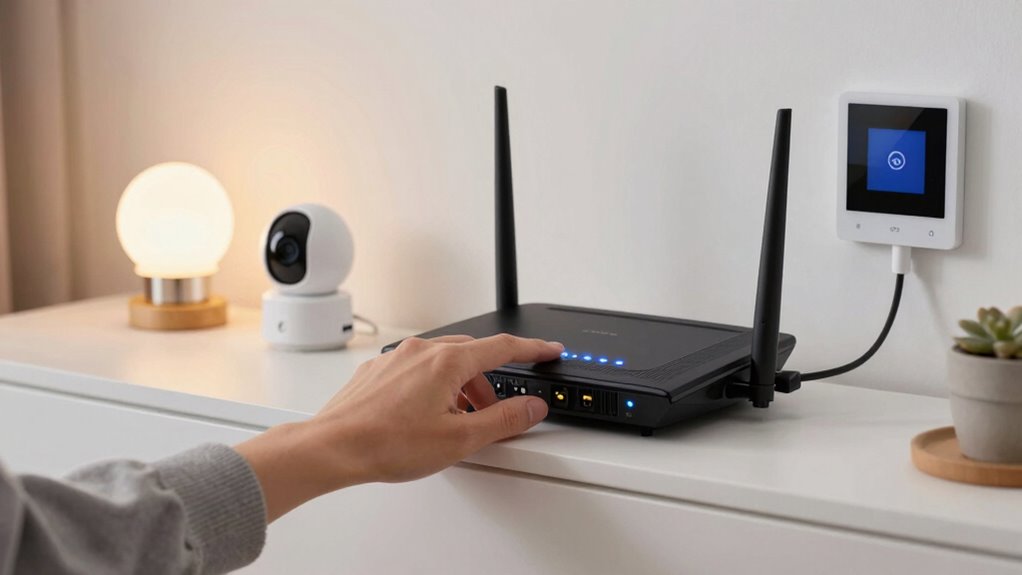
Securing your Wi-Fi network is essential to protect all your connected devices from unauthorized access. Start by enabling strong Wi Fi encryption, like WPA3, to guarantee data transmitted over your network stays private. Consider implementing network segmentation to separate your smart devices from your primary devices, reducing risks if one gets compromised. Additionally, change your router’s default SSID and disable WPS, which can be vulnerable. Regularly update your router’s firmware to patch security flaws. Using a guest network for visitors keeps their devices isolated. These steps help strengthen your Wi-Fi security, making it much harder for hackers to access your smart home devices. Incorporating e-bike charging gear can also enhance your overall smart home setup by ensuring your devices stay powered securely. Remember that network monitoring tools can provide real-time alerts to unusual activity, further defending your network from potential threats. Also, staying informed about security best practices can help you adapt your defenses as new vulnerabilities emerge.
How to Change and Strengthen Default Passwords on Your Devices
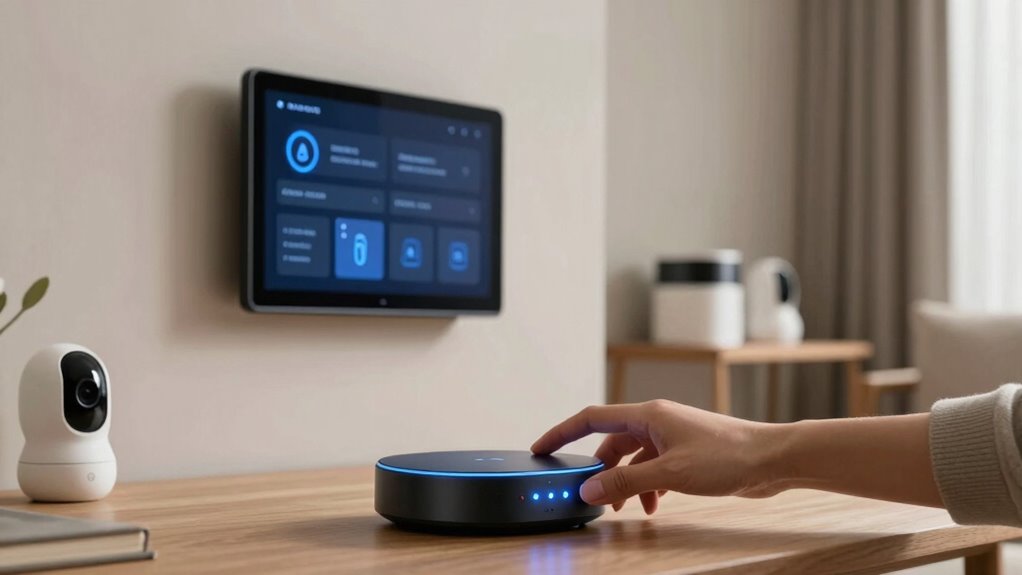
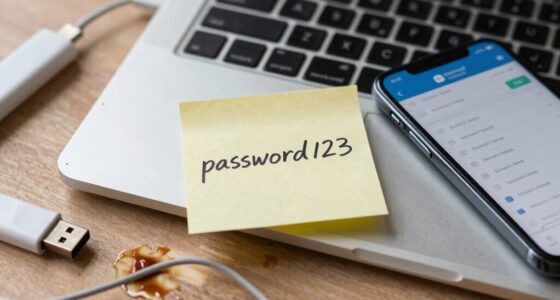
Have you ever thought about how easily default passwords can be guessed or hacked? Many devices come with default passwords that are widely known or simple to find online. To protect your smart home, you need to change these immediately. Start by accessing your device’s settings and replacing the default password with a strong one. A strong password combines uppercase and lowercase letters, numbers, and symbols. Avoid common words or patterns, as they weaken password strength. Make sure each device has a unique password to prevent a single breach from compromising your entire network. Regularly updating passwords adds an extra layer of security. Being aware of side-channel attacks can help you understand potential vulnerabilities exploited by hackers. Implementing multi-factor authentication where available further enhances your device security. Additionally, understanding network segmentation can help contain potential breaches and limit access to sensitive parts of your smart home. Using Indonesian decor masks as home accents can also serve as a reminder to incorporate cultural artifacts that enrich your environment while emphasizing the importance of security. Staying informed about privacy policies can help you make better decisions about your data sharing and device management. Taking these simple steps ensures your devices aren’t vulnerable to easy hacking attempts, keeping your smart home safer.
Why Regular Firmware and Software Updates Are Critical
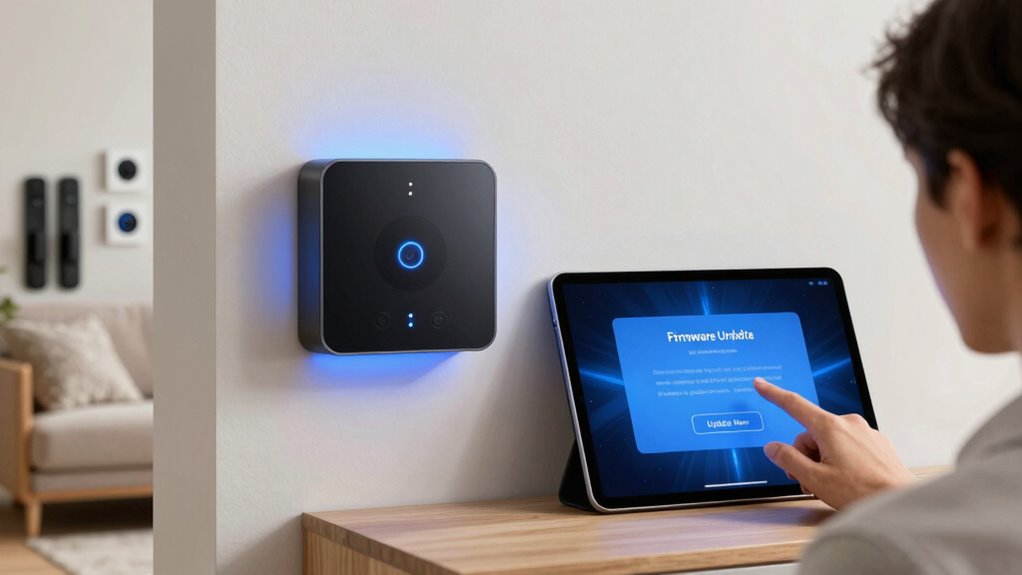
Regular firmware and software updates are essential because they fix security vulnerabilities that hackers often exploit. Firmware vulnerabilities can leave your smart devices open to attacks, so timely updates are vital for protection. When you perform software patching, you close these gaps and strengthen your smart home’s defenses. Keeping software up-to-date can also improve device performance and introduce new features. Skipping updates can leave your devices exposed to malicious actors. Staying current with updates also helps ensure your devices are compatible with other smart home components, reducing potential security risks.
How Two-Factor Authentication Protects Your Smart Devices
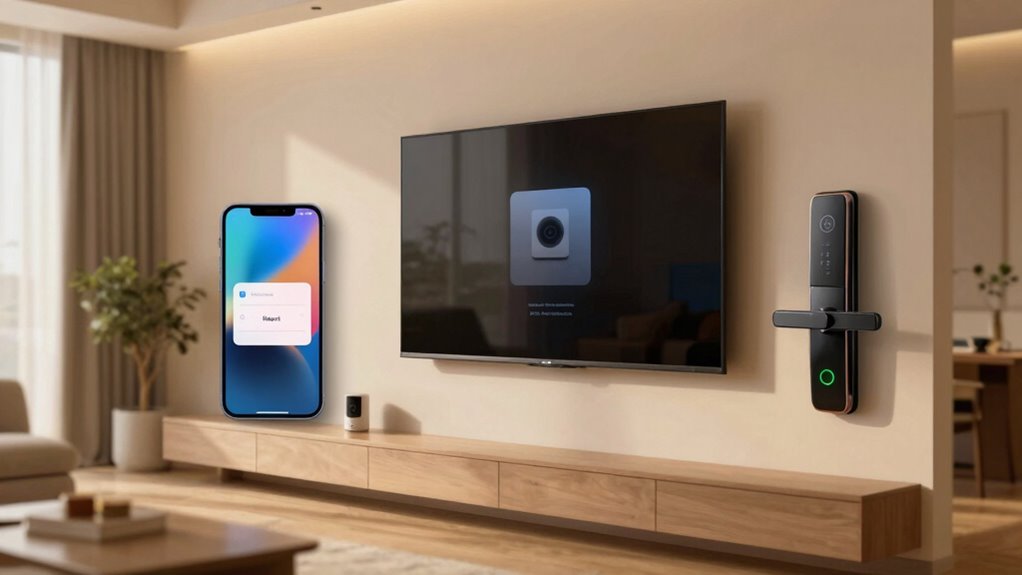
Two-factor authentication (2FA) adds an extra layer of security to your smart devices by requiring a second form of verification beyond just a password. This could be biometric verification, such as fingerprint or facial recognition, making it harder for unauthorized users to gain access. When you enable 2FA, even if someone obtains your password, they still need the second verification step to log in. Additionally, 2FA works alongside device encryption, ensuring that data remains protected during transmission and storage. Implementing secure protocols further enhances your smart home’s defenses by safeguarding data during communication, similar to how performance parts improve vehicle security and performance. Employing encryption standards is essential for protecting your data from interception and tampering during transmission. Using multi-layer security strategies, including 2FA, significantly reduces the risk of cyber threats and unauthorized access. Incorporating security best practices can further fortify your smart home against emerging threats. By implementing 2FA, you make it much more difficult for cybercriminals to compromise your smart home, safeguarding your devices and personal information effectively.
Mistakes That Make Your Smart Devices Vulnerable
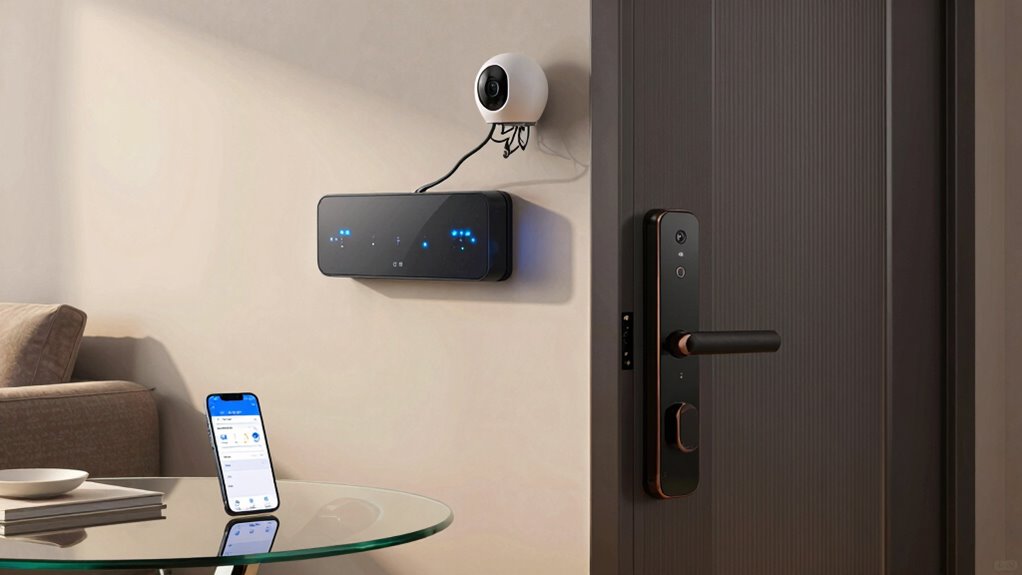
One of the biggest mistakes that leaves your smart devices vulnerable is neglecting to change default passwords. Hackers often exploit these easy-to-guess credentials to access your network. Additionally, ignoring device encryption weakens your security, making data easier to intercept. Lack of user education also leads to risky behaviors, like clicking suspicious links or ignoring firmware updates. To improve security, always change default passwords to strong, unique ones. Enable device encryption whenever possible to protect your data. Staying informed about security best practices helps you recognize potential threats and respond effectively. Educating yourself on device security measures can further enhance your overall protection. Moreover, understanding projector security features can help safeguard your home theater setup from unauthorized access. Familiarizing yourself with smart home protocols can also prevent common vulnerabilities and ensure your entire system remains secure.
How to Manage Who Can Access Your Devices and Their Permissions
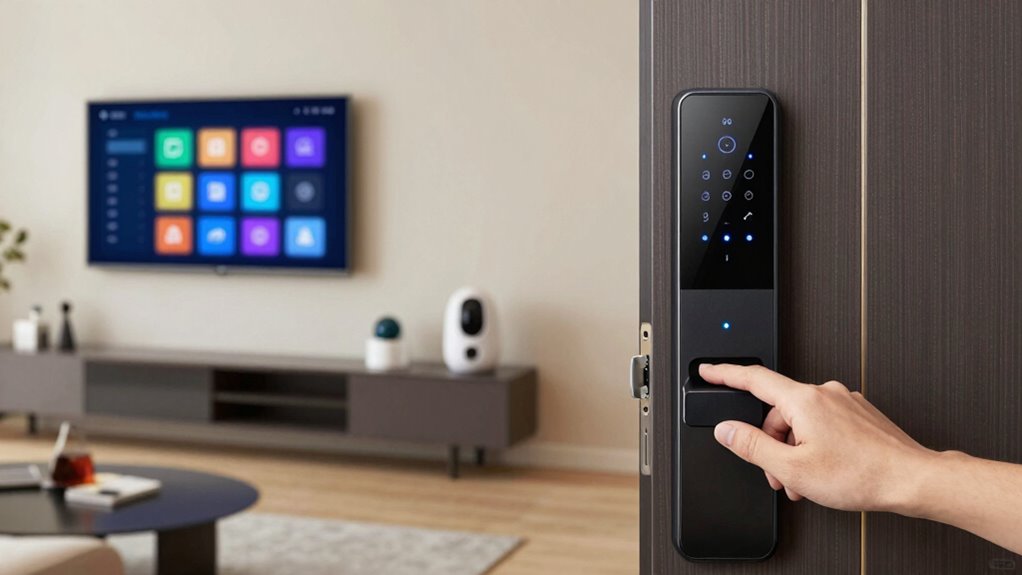
Controlling who can access your smart devices is essential to maintaining their security. Proper user access and permission management help prevent unauthorized use or accidental changes. Start by reviewing the user access list regularly and remove any users who no longer need access. Set specific permissions for each user based on their role—whether they need full control or limited functions. Use strong, unique passwords for each account and enable multi-factor authentication when available. Avoid sharing your login details, and never give out admin access unless necessary. Many devices allow you to assign different permission levels, so take advantage of these features to restrict sensitive controls. Regularly updating permissions guarantees only trusted users maintain access, reducing your risk of security breaches. Additionally, understanding cabling failures and their impact on device security can help you identify potential vulnerabilities and ensure your network remains protected.
Using Privacy Settings to Protect Your Data

You can strengthen your data security by adjusting your privacy settings to control what information your devices share. Limiting data sharing reduces the risk of sensitive information being accessed by unauthorized parties. Take a moment to review and update these settings to keep your smart home data safe.
Adjust Privacy Settings
Adjusting your privacy settings is a crucial step in safeguarding your personal data from unauthorized access or misuse. By fine-tuning these settings, you prevent sensitive information from being inadvertently exposed. Enable device encryption to guarantee your data stays protected if your device is lost or stolen. Use data anonymization features to hide your identity in shared data sets. Review app permissions carefully and restrict access to only necessary functions. Regularly update your privacy preferences to adapt to new threats or device updates. These steps help you maintain control over your data, reducing risks associated with smart home devices. Properly adjusted privacy settings form a strong barrier against potential breaches, keeping your personal information secure and your smart home more private.
Limit Data Sharing
Limiting data sharing is essential to keep your personal information secure in a smart home environment. By adjusting privacy settings, you control who accesses your data and how it’s used. Use user permissions to restrict device access to trusted users only. Enable data encryption to protect information transmitted between devices, preventing unauthorized interception. Regularly review your sharing options to avoid sharing unnecessary data. Be cautious when integrating third-party apps, as they may request access to your data.
| Data Sharing Practice | Benefits |
|---|---|
| Restrict user permissions | Limits access, reducing risk of misuse |
| Use data encryption | Secures data in transit and at rest |
| Review sharing settings | Ensures only trusted sources have access |
| Disable unnecessary sharing | Minimizes exposure to breaches |
| Regularly update privacy settings | Keeps protections current |
Easy Ways to Keep Your Smart Home Safe Without Hassle
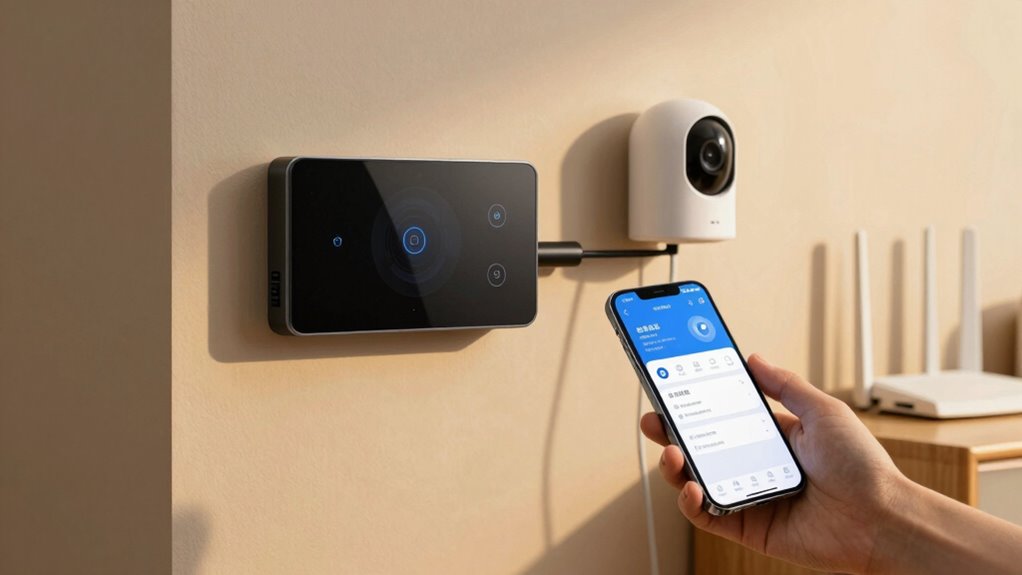
Keeping your smart home safe doesn’t have to be complicated. Make sure your network connections are secure and use strong, unique passwords. Additionally, regularly updating your device software helps protect against the latest threats without any extra hassle.
Secure Network Connections
Are you wondering how to protect your smart home’s network without adding complexity? Securing your connections is key to keeping hackers out. Start by ensuring all devices communicate through encrypted channels—this prevents outsiders from intercepting sensitive data. Using a VPN adds an extra layer of security, encrypting your internet traffic and hiding your IP address. Additionally, consider these quick tips:
- Change default passwords on your Wi-Fi router and smart devices
- Enable WPA3 encryption on your network
- Turn off remote access unless necessary
These steps are simple but effective, making it much harder for intruders to access your smart home. With encrypted channels and VPN usage, you considerably boost your network’s security without hassle or technical headaches.
Regular Software Updates
Regularly updating your smart home devices is one of the simplest and most effective ways to enhance security without adding complexity. Software obsolescence can leave your devices vulnerable to cyber threats, so timely updates are vital. Manufacturers often release patches that fix security flaws and improve performance. If you ignore these updates, your devices may become incompatible with new features or security protocols, risking device compatibility issues. To stay protected, enable automatic updates whenever possible or check regularly for firmware and software releases. Keeping your devices current ensures you benefit from the latest security enhancements and maintain seamless operation. Don’t overlook these updates—they’re a key step in safeguarding your smart home effortlessly.
Frequently Asked Questions
How Can I Detect if My Smart Home Devices Are Hacked?
You can detect if your smart home devices are hacked by monitoring unusual activity, like unexpected device behavior or increased data usage. Check for signs such as unauthorized access or device malfunctions. Confirm device encryption is active and your network uses segmentation to isolate smart devices. Regularly update firmware, change passwords, and monitor your network logs to spot any suspicious activity early and keep your smart home secure.
Are There Specific Security Standards for Smart Home Devices?
Yes, there are specific security standards for smart home devices. You should look for devices with proper device certification and security compliance, which guarantee they meet industry security requirements. Certification programs like UL or FCC verify device safety and security measures. Always choose products from reputable brands that prioritize security, and regularly update your devices’ firmware to maintain their security standards and protect your smart home ecosystem.
How Often Should I Update My Smart Home Device Passwords?
You should change your smart home device passwords at least every three to six months to keep your system secure. Regular password changes are a vital part of security updates, helping prevent unauthorized access. Whenever you notice suspicious activity or after a major security breach, update your passwords immediately. Making it a routine guarantees your smart home remains protected, reducing the risk of hacking or data breaches over time.
Can I Remotely Monitor and Control My Smart Home Security?
Yes, you can remotely monitor and control your smart home security through voice control and device integration. Using apps on your smartphone, you can check camera feeds, lock doors, or adjust alarms from anywhere. Voice assistants like Alexa or Google Assistant seamlessly integrate with your security devices, allowing you to manage settings hands-free. Just make certain your devices are connected to a secure Wi-Fi network and your accounts are protected with strong, updated passwords.
What Signs Indicate My Smart Devices Might Be Compromised?
Your smart devices might be compromised if they start acting strangely—like unresponsive, slow, or displaying unfamiliar activity. Check for signs such as unexpected device reboots or strange network traffic. You should verify device encryption is in place and use network segmentation to isolate smart devices from your main network. These steps act like a fortress guarding your digital life, making it harder for hackers to breach your smart home.
Conclusion
Think of your smart home as a fortress guarding your peace of mind. Skipping security steps is like leaving the gates wide open—inviting trouble inside. But by taking small, deliberate actions, you become the vigilant guardian of your digital sanctuary. Keep your defenses strong, and you’ll create a safe haven where your loved ones and devices can thrive peacefully. Your proactive care is the key to truly securing your smart home’s future.