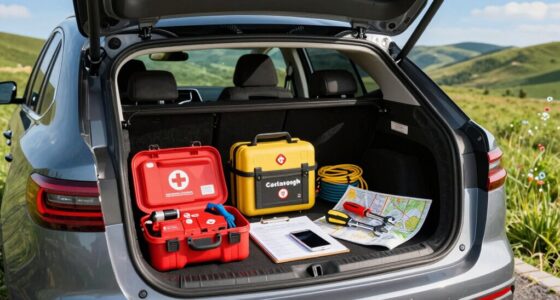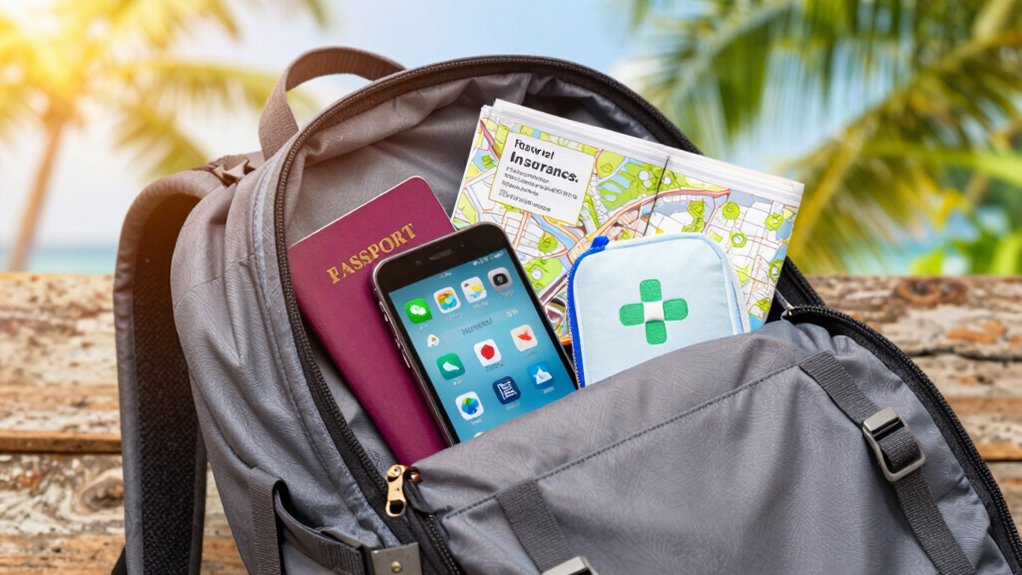

Travel insurance helps protect you from unexpected events like medical emergencies, trip cancellations, and lost belongings. It usually covers emergency care abroad, reimbursements for canceled trips, baggage loss, and some adventure activities. However, it often excludes pre-existing conditions, high-risk sports, and weather-related cancellations. Understanding what’s included and what’s not can save you surprises. Keep exploring to learn how to choose the best plan for your trip and avoid common pitfalls.
Key Takeaways
- Travel insurance typically covers medical emergencies, trip cancellations, lost luggage, and emergency transportation.
- Common exclusions include pre-existing conditions, extreme sports, elective procedures, and certain natural disasters.
- Coverage limits and exclusions vary; always review policy details to understand what is and isn’t covered.
- Optional add-ons may include adventure sports coverage, pandemic-related disruptions, and specific item protection.
- For comprehensive protection, compare policies based on coverage limits, costs, and specific exclusions before purchasing.
What Is Travel Insurance and Why Is It Important?
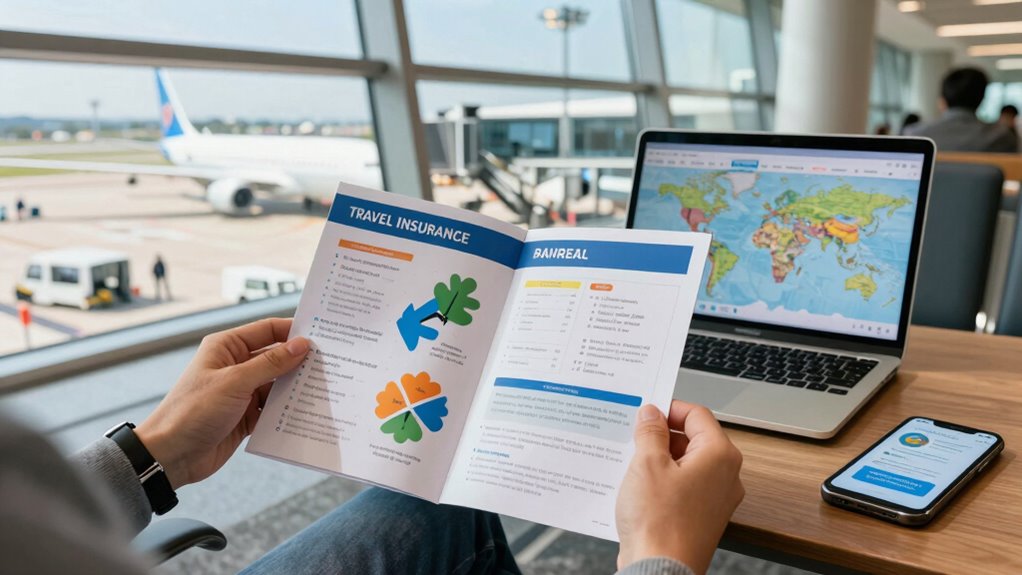
Have you ever wondered what would happen if your trip was suddenly canceled or you got sick abroad? That’s where travel insurance becomes essential. It helps protect your travel safety by covering unexpected events that can disrupt your plans. Good travel planning includes understanding potential risks and having backup options, and travel insurance is a key part of that. It offers peace of mind, ensuring you won’t face hefty medical bills or financial losses if things go wrong. Without it, you could be left to handle emergencies on your own, which can be stressful and costly. In short, travel insurance provides a safety net, making your trips more secure and less stressful, so you can focus on enjoying your travel adventures. Additionally, understanding the limitations boundaries in coverage of your policy can help prevent surprises at critical moments. Being aware of coverage specifics can help you select the right policy for your needs. Knowing the types of coverage included in policies can also guide you in choosing the most suitable plan for your trip. To make informed decisions, it’s helpful to understand policy exclusions that may limit your protection. Familiarity with coverage boundaries can further ensure you’re prepared for unexpected situations during your travels.
Types of Coverage Included in Travel Insurance Policies
Travel insurance policies typically include a range of coverage options designed to protect you from common travel risks. These often cover trip cancellations, medical emergencies, lost luggage, and more. You might also find specialty coverages like adventure sports, which protect you during activities like skiing or scuba diving, and pandemic coverage, which helps if travel plans are disrupted due to health crises. Here’s a quick overview:
| Coverage Type | What It Covers | Notable Exclusions |
|---|---|---|
| Trip Cancellation | Refunds for canceled trips | Weather-related cancellations |
| Medical Emergency | Emergency care abroad | Pre-existing conditions |
| Adventure Sports | Activities like hiking or skiing | High-risk extreme sports |
| Pandemic Coverage | COVID-19 related disruptions | Quarantine costs outside policy scope |
What Does Travel Insurance Cover? Medical Emergencies, Cancellations, and More

Travel insurance can protect you when unexpected medical emergencies occur or your trip gets canceled. You’ll want to understand what coverage is available for these situations. Knowing your options helps you travel with confidence and peace of mind. Additionally, understanding nanotech fabrication challenges can inform you about the complexities involved in developing advanced materials that might improve future travel safety gear or equipment. Recognizing the ethical considerations in emerging technologies involved in innovation can also guide responsible decision-making in adopting new safety solutions. Being aware of potential manipulation tactics used by insurance providers can help you make more informed choices and avoid common pitfalls. Incorporating natural pool designs into your backyard can also offer environmentally friendly alternatives to traditional pools, aligning with sustainable practices. Exploring automated monitoring systems can further enhance your trip safety by providing real-time updates and alerts during your travels.
Medical Emergency Coverage
Medical emergency coverage is a crucial aspect of travel insurance that can save you from unexpected and costly health crises abroad. It typically covers urgent medical treatments, hospital stays, and emergency transportation, ensuring you’re cared for without draining your finances. If you have pre existing conditions, check whether your policy offers coverage or if you’ll need additional plans. pre existing conditions may require special consideration when selecting coverage options. Dental coverage is also often included for emergency dental treatments caused by accidents or sudden pain, which can be a real lifesaver during your trip. Keep in mind, though, that routine dental care or pre existing dental issues usually aren’t covered. Understanding these details helps you choose a policy that truly protects you in case of unforeseen medical emergencies while traveling. Additionally, vehicle protection options like rental car coverage can provide peace of mind when traveling by car.
Trip Cancellation Benefits
Have you ever faced the disappointment of a trip cancellation due to unforeseen events? Travel insurance can help by covering trip cancellation benefits, so you’re not left empty-handed. If you need to cancel your trip because of illness, weather, or other covered reasons, your policy may reimburse your non-refundable expenses. Additionally, if an emergency causes you to cut your trip short, trip interruption coverage can step in. Keep in mind, travel insurance often includes protection for lost baggage, helping you recover the value of your belongings if they go missing during your travels. These benefits provide peace of mind, ensuring you’re financially protected from unexpected cancellations, interruptions, or baggage issues, so you can focus on enjoying your trip without unnecessary stress. Proper understanding of coverage options, such as effective floor scrubber techniques, can also help ensure your safety and comfort during your travels. Moreover, being aware of privacy policies can help you manage your personal information when purchasing insurance online. Additionally, understanding the regional flavors and insights of travel destinations can enhance your overall experience and help you make informed decisions about your coverage options. Knowing about raw food benefits can also be useful if you’re planning to maintain healthy eating habits while traveling, ensuring you stay energized and well-nourished throughout your trip. Recognizing the importance of relationship rewind strategies can also contribute to a smoother travel experience when navigating conflicts or misunderstandings with travel companions.
What Isn’t Covered by Travel Insurance? Exclusions You Should Know

While travel insurance provides valuable protection, it doesn’t cover everything. One common exclusion involves pre-existing conditions; if you have health issues prior to your trip, treatment related to them often isn’t covered unless you purchased specific coverage. Similarly, elective procedures, like cosmetic surgery or non-urgent dental work, are usually excluded. If you plan to undergo any procedures that aren’t medically necessary, travel insurance won’t reimburse those costs. Additionally, injuries or illnesses resulting from risky activities or illegal behaviors are typically not covered. It’s essential to read the policy carefully to understand these exclusions, as assuming coverage for these situations can lead to unexpected expenses. Knowing what’s excluded helps you avoid surprises and ensures you’re adequately protected where it counts. Being aware of traditional Indonesian home decor principles also helps prevent misunderstandings about coverage limitations related to cultural artifacts or specific items. Furthermore, many policies exclude coverage for natural disasters, such as earthquakes or floods, which are common in certain regions.
Another important consideration is water-related incidents, which may be excluded if they occur during certain activities like boating or swimming in unsafe conditions.
How to Evaluate and Compare Travel Insurance Plans
When choosing a travel insurance plan, how can you determine which one offers the best value and coverage for your needs? Start by comparing policies based on coverage limits, exclusions, and costs. Be wary of travel insurance myths, like believing pre-existing conditions are always covered—many plans exclude them or require additional coverage. To evaluate effectively, consider your specific needs, such as trip cancellations or medical emergencies. Use this simple comparison table:
| Feature | Importance |
|---|---|
| Coverage for pre-existing conditions | Essential if you have health issues |
| Trip cancellation and interruption | Protects your investment |
| Medical coverage limits | Ensure they meet your potential needs |
Furthermore, understanding current market trends, such as the impact of macroeconomic factors, can influence the insurance options available and their pricing in the broader crypto and financial landscape.
Do You Need Travel Insurance? When to Skip and What Alternatives Exist
Deciding whether to purchase travel insurance depends on your specific trip and personal circumstances. If your travel budget is tight or your trip is inexpensive, you might consider skipping it. Similarly, if you’re traveling with trusted companions and have flexible plans, the need for insurance lessens. However, if you’re going abroad for an extended period, participating in risky activities, or have valuable belongings, insurance provides valuable peace of mind. Think about potential costs—medical emergencies, trip cancellations, or lost luggage—and weigh them against the price of coverage. Alternatives like credit card benefits or health insurance policies can sometimes cover specific incidents, but they may not be exhaustive. Additionally, understanding the environmental impact of tissue paper used in travel amenities can influence eco-conscious travelers’ decisions, making environmentally friendly supplies an important consideration. Moreover, reviewing coverage limits and exclusions helps ensure that your policy aligns with your needs. It is also important to consider the environmental footprint of the products and services used during travel, which can impact eco-conscious travelers’ choices. It’s also wise to consider trip duration and the likelihood of unforeseen events impacting your plans before deciding whether travel insurance is worth the investment. Ultimately, assess your risk tolerance, trip details, and financial safety net before deciding whether travel insurance is worth the investment.
Tips for Reading and Comparing Travel Insurance Policies
When comparing travel insurance policies, it’s important to understand key terms so you know what’s covered. Look closely at coverage limits to make certain they meet your needs, and watch for any restrictions or exclusions. Also, compare costs carefully to find a plan that offers the best value for your trip. Additionally, reviewing policy features can help ensure you select a plan that aligns with your specific travel activities and concerns.
Key Policy Terms
Understanding key policy terms is essential for comparing travel insurance plans effectively. When reviewing policies, pay close attention to policy jargon, as it can substantially impact your coverage. Terms like “pre-existing condition,” “medical expenses,” and “trip cancellation” have specific meanings that influence what’s covered and what’s not. Recognizing coverage nuances helps you identify gaps or overlaps in protection, ensuring you choose a plan that aligns with your needs. Don’t just skim the headlines—read the fine print and clarify unfamiliar terms. Comparing policies becomes easier when you understand these key phrases, allowing you to make informed decisions and avoid surprises during emergencies. Mastering the language of insurance empowers you to select the best coverage for your trip.
Coverage Limitations Clarified
Coverage limitations are a critical aspect of travel insurance policies that you need to scrutinize carefully. These limitations define the maximum payout for specific situations and help you understand what’s not covered. When reviewing policies, pay close attention to exclusion clarifications, which specify circumstances or conditions that void your coverage. For example, some policies exclude pre-existing conditions or activities like extreme sports. By understanding these coverage limitations, you avoid surprises during an emergency. Always read the fine print to see how exclusions are described and whether they apply to your travel plans. Comparing policies with clear exclusion clarifications ensures you choose one that aligns with your needs, giving you peace of mind while traveling.
Comparing Policy Costs
Comparing the costs of different travel insurance policies helps you find the best coverage for your budget. To do this effectively, look beyond the initial price and examine the pricing strategies each policy uses. Some plans may offer low premiums but have high deductibles, while others include more detailed coverage at a higher cost. Consider how policy customization options impact the price—adding extra coverage or specific protections can increase costs but may better suit your needs. Always read the fine print to understand what’s included and what costs extra. Comparing policies side by side ensures you find a plan that balances affordability with necessary coverage, helping you avoid surprises and make an informed decision.
Real-Life Examples of Travel Insurance Saving the Day

Have you ever wondered how travel insurance can truly make a difference in unexpected situations? Imagine arriving at your destination only to find your luggage lost or delayed. Without insurance, replacing essentials can cost a fortune. Luckily, travel insurance often covers lost luggage, helping you recover some expenses quickly. Another real-life example involves falling victim to a travel scam, such as fake taxi drivers or bogus tour operators. When this happens, insurance can step in to cover the financial loss or help you file claims. These scenarios show how having the right coverage can turn a stressful setback into a manageable inconvenience. Travel insurance isn’t just about peace of mind; it’s a safety net that can save you money and stress when the unexpected happens.
Questions to Ask Your Insurance Provider Before Buying
Before purchasing travel insurance, you should ask about coverage limitations and exclusions to avoid surprises later. It’s also important to clarify what emergency assistance services are included and how to access them. Additionally, understanding the claim process and required documentation helps you prepare for smooth and efficient claims submission.
Coverage Limitations and Exclusions
Understanding the coverage limitations and exclusions in your travel insurance policy is essential to avoid surprises when you need assistance. Many policies contain policy loopholes and coverage gaps that could leave you unprotected in certain situations. To prevent this, ask your provider about specific exclusions, such as pre-existing conditions, adventure activities, or travel to high-risk areas. Clarify limits on medical expenses, trip cancellations, and lost belongings. Being aware of these restrictions helps you choose the right plan and avoid unexpected costs. Here’s a quick overview:
| Coverage Area | Typical Limitations | Common Exclusions |
|---|---|---|
| Medical Expenses | Caps on outpatient/inpatient costs | Pre-existing conditions |
| Trip Cancellation | Certain reasons not covered | Political unrest, pandemics |
| Lost Baggage | Maximum payout limits | Items left unattended or unreported |
| Emergency Evacuations | Geographic restrictions | Non-emergency evacuations |
Emergency Assistance Services
Are you aware of what emergency assistance services your travel insurance covers? It’s vital to understand if help is available during medical emergencies, lost passports, or travel disruptions. Ask if your policy provides multilingual support to overcome language barriers, especially in non-English speaking countries. Clarify how quickly emergency contacts are reachable and whether they operate 24/7. Find out if the insurer offers direct assistance with locating medical facilities or arranging evacuations. Knowing these details ensures you’re prepared for unexpected situations abroad. Also, confirm if there’s a dedicated helpline and how to access it in emergencies. Being proactive about these questions helps you understand the scope of support you’ll receive when you need it most, giving you peace of mind on your trip.
Claim Process and Documentation
Understanding the claim process smoothly starts with knowing what documentation and steps your insurer requires. Before you buy, ask about claim documentation needed to file a claim, such as receipts, medical reports, or police reports. Clarify the reimbursement procedures, including how long it takes to process claims and whether they offer direct deposit or check payments. Find out if there are specific forms to fill out or if claims must be submitted online or by mail. Knowing these details upfront helps you gather the right documents quickly during an emergency, avoiding delays. Also, ask about any deadlines for submitting claims and what evidence is necessary to support your case. Being informed guarantees a smoother process when you need to file a claim abroad or at home.
Summary: Making the Most of Your Travel Insurance
To make the most of your travel insurance, you need to familiarize yourself with its coverage details and procedures. Start by reviewing your policy thoroughly so you understand what’s covered and what’s not. Use travel tips to plan ahead, such as carrying digital copies of important documents and keeping emergency contacts handy. Pack your packing essentials carefully, including any items that might be needed for medical emergencies or trip cancellations. Always keep receipts and documentation of expenses in case you need to file a claim. Knowing how to navigate the claim process smoothly can save you time and stress. Remember, proactive preparation guarantees you’re protected and able to handle unexpected situations confidently, maximizing the value of your travel insurance.
Frequently Asked Questions
How Do I File a Travel Insurance Claim Effectively?
To file a travel insurance claim effectively, gather all claim documentation like receipts, medical reports, and proof of expenses. Contact your insurer promptly, provide clear details, and submit your documentation as required. Follow the reimbursement process carefully, keeping copies of everything you send. Stay organized, respond quickly to any requests from your insurer, and track your claim status online or via phone to ensure a smooth reimbursement experience.
Can I Buy Travel Insurance After My Trip Has Started?
You can’t buy travel insurance after your trip has started, and trying to delay the purchase could leave you unprotected for unexpected events. Don’t risk losing out on post-trip coverage or facing high costs if something goes wrong early on. It’s best to buy a policy before departure to guarantee you’re fully covered from the start. Delayed policies often won’t cover issues that happen before you purchase them, so act promptly.
Are Pre-Existing Medical Conditions Covered Under Standard Policies?
Pre-existing conditions generally aren’t covered under standard travel insurance policies. If you have pre-existing conditions, you need to look for specialized plans or add-ons that include medical coverage for those issues. Always disclose your medical history honestly when purchasing insurance, and read the policy details carefully to understand what’s covered and what’s not. This way, you’re prepared and protected should your pre-existing conditions require medical attention during your trip.
What Additional Coverage Options Are Available Beyond Basic Plans?
You can elevate your travel coverage to superhero levels with luxury upgrades and adventure add-ons. A luxury upgrade might include private medical assistance or trip cancellation benefits, while adventure add-ons cover extreme sports or risky activities. These options transform a basic plan into an all-encompassing shield, ensuring your trip is protected from unexpected twists and turns. Don’t settle for less—maximize your peace of mind with these exciting, tailored coverage choices.
How Does Travel Insurance Work With International Health Insurance?
When you have both travel insurance and international health insurance, they work together to protect you abroad. Your travel insurance typically covers emergency medical benefits, but watch for policy exclusions and coverage limits that might restrict certain treatments. The international health insurance often provides broader, ongoing coverage. Confirm you understand how each plan overlaps and where gaps might exist so you’re fully protected during your trip.
Conclusion
Remember, travel insurance is there when you least expect it—just like that unexpected flight delay or sudden illness. By understanding what’s covered and asking the right questions, you protect yourself from surprises. Sometimes, the small print reveals the biggest relief. So, when planning your trip, double-check your policy—because the right coverage can turn a stressful moment into a minor hiccup, proving that good preparation truly makes all the difference.