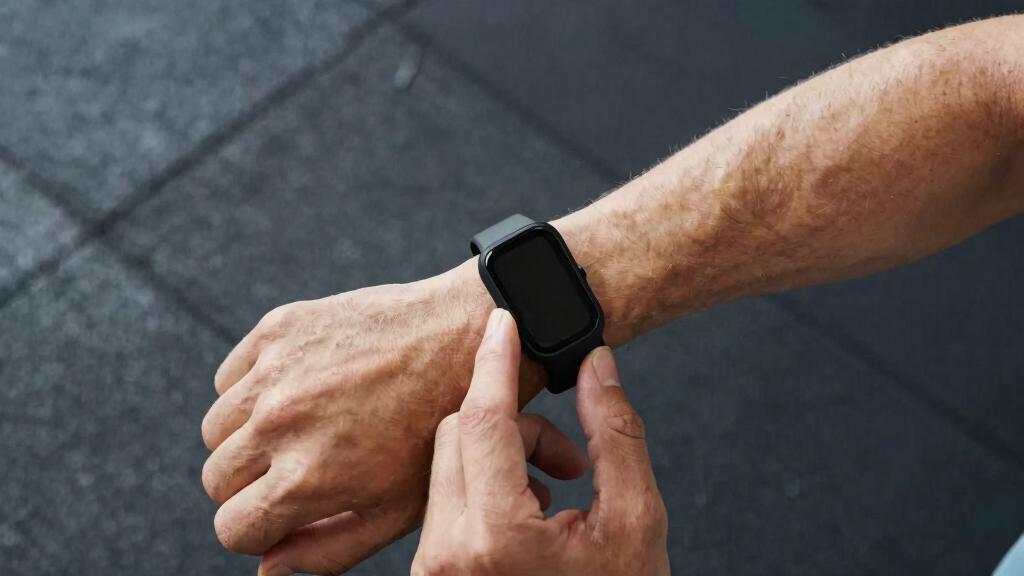

The Google Fitbit Charge 6 earns my top spot among the best fitness trackers for 2026 because it balances accurate daily tracking, built-in GPS, and a familiar app experience in a slim band format that most people will actually keep wearing. If battery life and offline maps matter more than app polish, the Amazfit Bip 6 is the standout value alternative, while the WHOOP 5.0 takes a different approach entirely: no screen, but deeper recovery and strain insights for serious training. The main tradeoff in this category is between screen-based smartwatch-style trackers that do more but need charging every few days, and minimalist bands or screenless options that last far longer but show less. Subscription costs, GPS accuracy, and whether you want smartwatch features also separate these picks sharply. Keep reading for the full breakdown of all ten trackers and who each one suits best.

Get health and wellness essentials delivered free with Prime
- Fast, free delivery on millions of items
- Prime Video, Amazon Music and more included
- Member-only deals all year
Key Takeaways
- The Fitbit Charge 6 and Inspire 3 dominate the classic band category, but the Charge 6’s built-in GPS and physical button make it the stronger pick for anyone who walks or runs without their phone.
- Amazfit‘s Bip 6 and Active Max punch far above their price tier on hardware, with 14- and 25-day batteries, though their app ecosystem and data presentation lag behind Fitbit and Garmin.
- WHOOP 5.0 and the Fitbit Google Air prove screenless tracking is a real category now, not a gimmick, but WHOOP’s mandatory 12-month membership changes the true cost of ownership.
- The generic ‘Smartwatch with Bluetooth Calling’ and the MorePro tracker trail the lineup on sensor reliability and software support, showing why brand ecosystem matters as much as specs.
- This lineup splits cleanly into three buyer paths: wellness-first (Fitbit Air, Inspire 3), training-first (Charge 6, Garmin vivoactive 5, WHOOP), and budget-max features (Amazfit, MorePro).
| Google Fitbit Inspire 3 Fitness Tracker, Lilac Bliss/Black |  | Best Value for Everyday Tracking | Compatibility: iOS 15+; Android 9+ | Battery life: Up to 10 days | Water resistance: 50 meters | VIEW LATEST PRICE | See Our Full Breakdown |
| Amazfit Active Max Smart Watch with 1.5″ AMOLED Display |  | Best Battery Life in a Full Smartwatch | Display: 1.5-inch AMOLED | Battery life: Up to 25 days | Storage: 4GB | VIEW LATEST PRICE | See Our Full Breakdown |
| WHOOP 5.0/MG Activity Tracker with 12-Month Membership |  | Best for Recovery and Training Insights | Battery life: 14+ days | Display: Screenless | Waterproof: Yes | VIEW LATEST PRICE | See Our Full Breakdown |
| Fitbit Google Air – Screenless Activity Tracker – Obsidian |  | Best All-Day Comfort Pick | Model: Fitbit Google Air | Color: Obsidian | Display: Screenless | VIEW LATEST PRICE | See Our Full Breakdown |
| Smartwatch with Bluetooth Calling, 1.83-Inch Display, 140+ Sports Modes |  | Best Budget Feature-Per-Dollar Option | Display: 1.83-inch IPS touchscreen, 240 × 284 | Sports modes: 140+ | Health tracking: Heart rate, sleep, steps, calories, distance, breath rate | VIEW LATEST PRICE | See Our Full Breakdown |
| Garmin vívoactive 5 GPS Health and Fitness Smartwatch, 42 mm, Ivory |  | Best Battery Life | Display: AMOLED | Case size: 42 mm | Battery life: Up to 11 days smartwatch mode; up to 5 days with always-on display | VIEW LATEST PRICE | See Our Full Breakdown |
| MorePro Fitness Tracker with Heart Rate, Blood Pressure, Blood Oxygen, Sleep Monitoring, and Women’s Health Features |  | Best Budget Health Monitor | Heart rate monitoring: 24/7 | Blood pressure monitoring: Yes | Blood oxygen monitoring: Yes | VIEW LATEST PRICE | See Our Full Breakdown |
| Google Fitbit Inspire 3 Fitness Tracker – Midnight Zen/Black (Small and Large Bands) |  | Best Slim Everyday Tracker | Color: Midnight Zen/Black | Included bands: Small and large | Compatibility: iOS 16.4+, Android 11.0+ | VIEW LATEST PRICE | See Our Full Breakdown |
| Amazfit Bip 6 Smartwatch 46mm, 14-Day Battery, AMOLED Display, GPS, Health & Fitness Tracker, Water-Resistant |  | Best Value Smartwatch | Display: 1.97-inch AMOLED | Battery life: Up to 14 days | Water resistance: 50 meters | VIEW LATEST PRICE | See Our Full Breakdown |
| Google Fitbit Charge 6 Fitness Tracker – Obsidian/Black |  | Best for Gym Workouts | Color: Obsidian/Black | Exercise modes: 40+ | GPS: Built-in | VIEW LATEST PRICE | See Our Full Breakdown |
| fitness tracker | Battery life | Compatibility | Display | Water resistance |
|---|---|---|---|---|
| Google Fitbit Inspire 3 Fitnes | Up to 10 days | iOS 15+; Android 9+ | Color touchscreen | 50 meters |
| Amazfit Active Max Smart Watch | Up to 25 days | Android & iPhone | 1.5-inch AMOLED | 5 ATM |
| WHOOP 5.0/MG Activity Tracker | 14+ days | — | Screenless | — |
| Fitbit Google Air | Up to 1 week | — | Screenless | — |
| Smartwatch with Bluetooth Call | 5–7 days typical; up to 30 days standby | Android 5.0+ and iOS 9.0+ | 1.83-inch IPS touchscreen, 240 × 284 | IP68 |
| Garmin vívoactive 5 GPS Health | Up to 11 days smartwatch mode; up to 5 days with always-on display | Spotify, Amazon Music, Deezer, Garmin Connect | AMOLED | — |
| MorePro Fitness Tracker with H | Up to 7 days | Android 7.0+, iOS 13.0+ | — | IP68 |
| Google Fitbit Inspire 3 Fitnes | — | iOS 16.4+, Android 11.0+ | — | — |
| Amazfit Bip 6 Smartwatch 46mm | Up to 14 days | Android 7.0+, iOS 14.0+ | 1.97-inch AMOLED | 50 meters |
| Google Fitbit Charge 6 Fitness | — | — | — | — |
More Details on Our Top Picks
Google Fitbit Inspire 3 Fitness Tracker, Lilac Bliss/Black
The Inspire 3 is the easiest entry point into serious health tracking without paying smartwatch prices. It covers activity, heart rate, sleep, stress, and SpO2 — the same core metrics you get on the pricier Fitbit Charge 6, just in a slimmer band format with fewer pro-oriented extras like built-in GPS. Battery life reaching 10 days beats both the generic 1.83-inch smartwatch in this lineup (5–7 days) and the Amazfit Active Max’s weekly-plus runtimes under heavy screen use. The tradeoff is depth: notifications only work when your phone is nearby, and some insights sit behind a Fitbit Premium paywall. This pick makes the most sense for buyers who want a reliable everyday tracker rather than a wrist computer.
Pros:- Tracks activity, heart rate, sleep, stress, and SpO2 in one slim device
- Up to 10-day battery life outlasts most smartwatches in this roundup
- Water resistant to 50 meters for swimming and showers
- Includes both small and large bands for a better fit out of the box
Cons:- Some features and deeper insights require a Fitbit Premium membership
- Phone notifications only work when the phone is nearby
Best for: Casual users and first-time tracker buyers who want dependable all-day health monitoring on a slim, lightweight band
Not ideal for: Runners and cyclists who train phone-free — there’s no built-in GPS, so pace and distance depend on your phone
- Compatibility:iOS 15+; Android 9+
- Battery life:Up to 10 days
- Water resistance:50 meters
- Exercise modes:20+
- Display:Color touchscreen
- Bands included:Small and large
- Health tracking:Activity, heart rate, sleep, stress, SpO2, menstrual health
Our verdict“A sensible, low-friction tracker for anyone who wants core health metrics and long battery life without smartwatch complexity.”
Amazfit Active Max Smart Watch with 1.5″ AMOLED Display
Where the Inspire 3 trades screen real estate for simplicity, the Amazfit Active Max goes the opposite direction: a 1.5-inch AMOLED display, built-in GPS with offline maps, and 170+ sport modes — all while still lasting up to 25 days per charge, roughly double the stamina of the Amazfit Bip 6 and several times the typical smartwatch. Offline maps are the standout here; at this tier, most competitors force you to keep a phone connected for navigation. The tradeoffs are software-related rather than hardware: calls and message replies depend on a Bluetooth connection to your phone, and the app ecosystem is more closed than what Garmin or Fitbit offer. This model is better suited to outdoor-minded athletes who want navigation and endurance without daily charging.
Pros:- 25-day battery life dramatically outlasts conventional smartwatches
- Built-in GPS with offline maps is rare at this format
- 170+ sport modes cover niche activities most trackers miss
- Bright 1.5-inch AMOLED display stays readable outdoors
Cons:- Bluetooth calling and message replies depend on a connected phone
- Limited third-party app support compared to established ecosystems
Best for: Hikers, trail runners, and multi-sport athletes who want offline maps and GPS on a bright display without charging every few days
Not ideal for: Buyers who want a rich third-party app ecosystem or fully independent cellular-style communication from their watch
- Display:1.5-inch AMOLED
- Battery life:Up to 25 days
- Storage:4GB
- Water resistance:5 ATM
- Sport modes:170+
- GPS:Built-in with offline maps
- Connectivity:Bluetooth calls, message replies
- Compatibility:Android & iPhone
Our verdict“The pick for athletes who prioritize navigation, battery endurance, and a big screen over app flexibility.”
WHOOP 5.0/MG Activity Tracker with 12-Month Membership
The WHOOP 5.0 plays a different game than everything else here: no screen, no notifications, no distractions — just 24/7 biometric tracking across 140+ metrics including strain, recovery, VO2 max, and healthspan scoring. Compared with the Fitbit Google Air, which also goes screenless for comfort, WHOOP is far more analytical, turning raw data into daily coaching on whether to push or rest. The 14+ day battery and waterproof, wear-it-forever design (even with the Wireless PowerPack attached) mean you never lose data to charging gaps. The catch is structural: it requires an ongoing membership to function at all, so the true cost compounds over time, unlike one-time purchases like the Inspire 3. Every stat lives in the smartphone app, which some will find limiting.
Pros:- 14+ day battery with waterproof charging means uninterrupted 24/7 tracking
- Deep recovery, strain, sleep, and healthspan analytics across 140+ metrics
- Screenless design removes notification distraction entirely
- HSA/FSA eligible and syncs with Strava, Apple Health, and Google Health Connect
Cons:- Won’t function without an ongoing paid membership
- All data must be viewed on a smartphone app — nothing on-wrist
- Higher long-term cost than one-time-purchase trackers
Best for: Data-driven athletes and hard-training professionals who want recovery, strain, and sleep analytics with actionable daily coaching
Not ideal for: Buyers who want a one-time purchase or any on-wrist display — the subscription is mandatory and there’s no screen at all
- Battery life:14+ days
- Display:Screenless
- Waterproof:Yes
- Membership:12 months included
- Included accessories:SuperKnit band, Wireless PowerPack
- HSA/FSA eligible:Yes
- Metrics tracked:Heart rate, sleep, strain, recovery, VO2 max, stress, menstrual cycle
- Integrations:Apple Health, Google Health Connect, Strava, Natural Cycles
Our verdict“Choose this if recovery science and coaching matter more to you than a display or ownership without subscriptions.”
Fitbit Google Air – Screenless Activity Tracker – Obsidian
If the WHOOP 5.0 is the screenless tracker for analytics obsessives, the Fitbit Google Air is the screenless tracker for people who simply forget they’re wearing something. Its micro-adjustable 130–210 mm band and featherweight build make 24/7 wear — including sleep — genuinely comfortable, and interchangeable bracelet, workout, and sleep bands let it pass as jewelry. The 5-minute fast charge delivering a full day of use is a practical touch the WHOOP matches with its power pack, but neither offers the glanceable convenience of the Inspire 3’s touchscreen. That’s the central tradeoff: no screen means no notifications or on-wrist stats, and the richest AI coaching sits behind Google Health Premium after the 3-month trial. This option stands out for comfort-first continuous tracking, not wrist-based interaction.
Pros:- Extremely lightweight, micro-adjustable band comfortable for 24/7 wear including sleep
- Up to a week of battery with 5-minute fast charging for a full day
- Interchangeable bracelet, workout, and sleep bands change the look instantly
- Advanced sensors and algorithms deliver accurate continuous tracking
Cons:- No screen for viewing stats or receiving notifications on-wrist
- Full AI coaching features require a paid Google Health Premium subscription
Best for: Comfort-focused users and light sleepers who want continuous health data in a device that doubles as an everyday band
Not ideal for: Anyone who wants to check stats or notifications on their wrist — there’s no display at all
- Model:Fitbit Google Air
- Color:Obsidian
- Display:Screenless
- Band size:One size (130–210 mm)
- Battery life:Up to 1 week
- Fast charging:1 day of battery in 5 minutes
- Subscription:3-month Google Health Premium trial included
Our verdict“The most wearable tracker in this lineup for people who prioritize comfort and discreet tracking over on-wrist information.”
Smartwatch with Bluetooth Calling, 1.83-Inch Display, 140+ Sports Modes
This unnamed-brand smartwatch piles on headline specs — a 1.83-inch display, 140+ sports modes, Bluetooth calling, and heart rate, sleep, and breath-rate tracking — at a price point well below the Amazfit Active Max or Garmin vívoactive 5. For budget buyers, the sheer volume of features is the appeal: you get a bigger screen than the Inspire 3 and calling features the Fitbit band can’t offer. But the compromises are real and consistent with this tier: GPS is phone-dependent, messages can’t be answered from the watch, the IP68 rating handles splashes and sweat but isn’t rated for swimming like the Inspire 3’s 50-meter resistance, and the 5–7 day battery is the least predictable here. This pick makes the most sense as a low-risk first smartwatch for experimenting with wrist tech.
Pros:- 140+ sports modes and multiple health metrics at a budget price
- Bluetooth calling, music control, and notifications on a large 1.83-inch display
- Works with both Android 5.0+ and iOS 9.0+ phones
- Up to 30 days of standby battery
Cons:- No built-in GPS — location tracking requires a connected smartphone
- Messages cannot be replied to from the watch
- Real-world battery life varies noticeably with usage
Best for: Budget-conscious buyers and teens who want a big screen, calls, and tons of sport modes without a brand-name price
Not ideal for: Serious swimmers or outdoor athletes — IP68 isn’t swim-rated and GPS only works through a paired phone
- Display:1.83-inch IPS touchscreen, 240 × 284
- Sports modes:140+
- Health tracking:Heart rate, sleep, steps, calories, distance, breath rate
- Water resistance:IP68
- Battery life:5–7 days typical; up to 30 days standby
- Compatibility:Android 5.0+ and iOS 9.0+
- GPS:Via smartphone
Our verdict“A feature-stuffed starter smartwatch for casual users, as long as you accept phone-dependent GPS and no message replies.”
Garmin vívoactive 5 GPS Health and Fitness Smartwatch, 42 mm, Ivory
This model stands out for up to 11 days of battery life, which puts real distance between it and the Fitbit Charge 6 or Inspire 3 — both of which need charging far more often. That endurance matters if you hate nightly charging or want continuous sleep and HRV tracking without gaps. The AMOLED display is bright and easy to read, and with more than 30 sports apps plus adaptive training plans, it covers everyone from gym regulars to wheelchair athletes. Music storage means runs without a phone. The tradeoff: health metrics are estimates rather than clinical readings, and enabling the always-on display cuts battery life roughly in half. Compared with the Amazfit Bip 6, it offers richer training guidance but a less striking screen-to-size ratio.
Pros:- Up to 11 days of battery life in smartwatch mode
- Broad health tracking including HRV status and stress
- More than 30 sport apps plus wheelchair activity tracking
- Music storage and playlist support for phone-free workouts
Cons:- Health metrics are estimates and not suitable for medical use
- Always-on display drops battery life to about 5 days
Best for: Multi-sport athletes and sleep-tracking devotees who want long battery life and structured training plans without constant charging
Not ideal for: Casual step-counters who would find 30+ sport apps and Garmin’s training ecosystem more complexity than they need
- Display:AMOLED
- Case size:42 mm
- Battery life:Up to 11 days smartwatch mode; up to 5 days with always-on display
- Sports apps:30+ indoor and GPS apps
- Health features:Heart rate, sleep score, HRV status, stress, cycle and pregnancy tracking
- Music playback:Downloaded music and playlists; wireless headphones
- Compatibility:Spotify, Amazon Music, Deezer, Garmin Connect
Our verdict“This pick makes the most sense for serious trackers who prioritize battery endurance and training features over a slim band design.”
MorePro Fitness Tracker with Heart Rate, Blood Pressure, Blood Oxygen, Sleep Monitoring, and Women’s Health Features
For buyers who want the widest range of health readings without paying smartwatch prices, this option covers 24/7 heart rate, blood pressure, and blood oxygen alongside 120+ sport modes. Compared with the Fitbit Inspire 3, it reads more biometrics on paper but lacks Fitbit’s polished app experience and readiness scoring. The menstrual cycle tracking and customizable watch faces give it personality, and a week of battery life is respectable. The honest tradeoff: these readings are wellness estimates, not medical data, so anyone managing a health condition should not rely on them. It also leans heavily on a paired smartphone and won’t sync with tablets or PCs. Still, for casual daily monitoring, it delivers a lot of functionality per dollar.
Pros:- Wide health monitoring including blood pressure and blood oxygen
- Menstrual cycle and women’s health tracking
- Up to 7 days of battery life
- 120+ sport modes with customizable watch faces
Cons:- Not suitable for medical diagnosis or condition management
- Limited compatibility with tablets and PCs
- Requires a paired smartphone for full functionality
Best for: Budget-conscious buyers and women who want broad everyday health monitoring, including cycle tracking, at low cost
Not ideal for: Anyone expecting clinically accurate blood pressure readings or app ecosystems as refined as Fitbit’s
- Heart rate monitoring:24/7
- Blood pressure monitoring:Yes
- Blood oxygen monitoring:Yes
- Sleep tracking:Deep, light, wake-up stages
- Sport modes:120+
- Water resistance:IP68
- Battery life:Up to 7 days
- Compatibility:Android 7.0+, iOS 13.0+
Our verdict“A sensible entry point for casual health monitoring, as long as you treat its readings as trends rather than medical facts.”
Google Fitbit Inspire 3 Fitness Tracker – Midnight Zen/Black (Small and Large Bands)
Where the Garmin vívoactive 5 is a full smartwatch, the Inspire 3 wins on comfort and simplicity — it’s a slim band you forget you’re wearing, yet it still delivers a Daily Readiness Score, automatic sleep scoring, stress management, and 40+ exercise modes. Compared with the MorePro, its app experience and data presentation are far more refined, and it includes both small and large bands in the box for a better fit out of the gate. SpO2 monitoring and irregular heart rhythm notifications add reassurance for general wellness. The catch: the best features sit behind a Fitbit Premium subscription, and it requires iOS 16.4+ or Android 11.0+, which locks out older phones. No built-in GPS means you’ll carry your phone for accurate run tracking.
Pros:- Comprehensive heart rate, sleep, stress, and SpO2 tracking in a slim band
- 40+ exercise modes with automatic exercise recognition
- Both small and large bands included
- Works with iOS and Android
Cons:- Best insights and coaching require a Fitbit Premium subscription
- Requires iOS 16.4+ or Android 11.0+, excluding older devices
- No built-in GPS
Best for: First-time tracker buyers and light-to-moderate exercisers who want a comfortable band with excellent sleep and stress insights
Not ideal for: Runners who want built-in GPS, or anyone unwilling to pay a subscription for deeper insights
- Color:Midnight Zen/Black
- Included bands:Small and large
- Compatibility:iOS 16.4+, Android 11.0+
- Exercise modes:40+
- Heart rate monitoring:24/7
- Sleep tracking:Automatic with daily Sleep Score
- Stress features:Stress Management Score, mindfulness sessions, SpO2, irregular heart rhythm notifications
Our verdict“The easiest wearable to live with day and night, provided you accept a subscription for its richest features.”
Amazfit Bip 6 Smartwatch 46mm, 14-Day Battery, AMOLED Display, GPS, Health & Fitness Tracker, Water-Resistant
This model is the value play of the lineup: a 1.97-inch AMOLED display, built-in GPS with free maps, and up to 14 days of battery — a combination that undercuts most name-brand rivals on capability per dollar. Next to the Garmin vívoactive 5, it actually beats it on battery life and screen brightness, though Garmin’s training plans and health analytics run deeper. With 140+ workout modes and 50-meter water resistance, it handles pool swims and trail runs without complaint. The compromises are real, though: the silicone-only band limits dressier styling, and there’s no onboard music storage, so phone-free workouts mean silence. It also depends on a compatible smartphone for full functionality. For buyers who want a big-screen GPS watch without flagship pricing, it’s hard to beat.
Pros:- Vivid 1.97-inch AMOLED display readable outdoors
- Up to 14 days of battery life
- Built-in GPS with free maps
- 140+ workout modes and 50-meter water resistance
Cons:- Silicone band only, with no premium material options
- No onboard music storage
- Full functionality requires a compatible smartphone
Best for: Value-focused buyers who want a large AMOLED screen, built-in GPS, and two-week battery without paying Garmin or Fitbit prices
Not ideal for: Music lovers who need offline playlists on the watch, or anyone wanting premium band materials
- Display:1.97-inch AMOLED
- Battery life:Up to 14 days
- Water resistance:50 meters
- Workout modes:140+
- GPS:Built-in with free maps
- Compatibility:Android 7.0+, iOS 14.0+
- Supported applications:Camera, GPS, Messages, Multisport Tracker, Voice Assistant
Our verdict“The most capable watch here for the money, trading ecosystem polish and music for screen size and battery life.”
Google Fitbit Charge 6 Fitness Tracker – Obsidian/Black
The Charge 6 occupies a smart middle ground: more capable than the slim Fitbit Inspire 3 thanks to built-in GPS and a broader feature set, yet lighter and more focused than the Garmin vívoactive 5. Its standout trick is real-time heart rate broadcast to compatible gym machines, which no other pick here offers — a genuine plus for treadmill and elliptical regulars. Deep Google integrations (Maps directions, Wallet tap-to-pay, YouTube Music controls) make it feel like a mini smartwatch on a band. Active Zone Minutes and Daily Readiness keep training honest. The main drawback is the paywall: the richest coaching lives behind Google Health Premium after the trial ends, and some features depend on compatible equipment or phones. Still, for connected-fitness fans, it’s the best-equipped band in this lineup.
Pros:- Real-time heart rate display on compatible gym machines
- Built-in GPS with 40+ exercise modes
- Google Maps, Wallet, and YouTube Music integrations
- Comprehensive Daily Readiness, sleep, and stress tracking
Cons:- Full coaching features require a paid Google Health Premium subscription
- Some features depend on compatible equipment or devices
Best for: Gym-goers and cardio regulars who want heart rate on machines, built-in GPS, and Google services on a slim band
Not ideal for: Buyers who object to subscription-based coaching or whose gym equipment lacks compatibility
- Color:Obsidian/Black
- Exercise modes:40+
- GPS:Built-in
- Heart rate monitoring:24/7
- Connectivity:Compatible exercise machines, Google Wallet, Google Maps, YouTube Music
- Subscription:3-month Google Health Premium trial included; sold separately thereafter
Our verdict“The best band-style pick for connected gym training, provided you’re comfortable with a subscription for its deepest insights.”

How We Picked
I evaluated these ten trackers against the criteria that actually change a buying decision: sensor accuracy for heart rate, sleep, and (where present) GPS; wearing comfort and battery life, because a tracker left in a drawer tracks nothing; software and app quality, since data is only useful if it’s presented clearly; and total cost of ownership, including memberships like WHOOP’s. I also weighed versatility, meaning how well each device handles the shift from casual step counting to structured workouts.
The ranking follows a simple logic: devices that deliver dependable core tracking with few compromises sit at the top, feature-rich value picks fill the middle, and options with weaker software, questionable sensor claims, or unclear long-term support land lower. Where two products overlap heavily, like the two Fitbit Inspire 3 colorways, I treat them as one recommendation and note the differences. The goal is that every reader can match a pick to their own habits rather than sort through a list of ten near-identical descriptions.
Factors to Consider When Choosing Best Fitness Trackers
Before settling on a specific tracker, it helps to understand the category’s broader landscape. These are the factors that most often make or break a fitness tracker purchase, and they apply regardless of which of the ten picks catches your eye.Band, Smartwatch, or Screenless?
The biggest structural choice comes down to form factor. Slim bands like the Fitbit Inspire 3 and Charge 6 disappear on the wrist, sleep comfortably, and last over a week per charge, but their small screens limit interaction. Smartwatch-style trackers like the Garmin vivoactive 5 and Amazfit models show maps, take calls, and display rich workout data, at the cost of size and shorter battery life. Screenless options such as WHOOP 5.0 and the Fitbit Google Air push everything to your phone, which some buyers love for the distraction-free experience and others find inconvenient. A common mistake is buying a smartwatch-style device for step counting alone, then resenting the bulk; match the form factor to how you actually live, not to the longest spec sheet.
The Hidden Cost of Memberships
Several trackers in this category, most prominently WHOOP, require an ongoing subscription to unlock their full functionality, which means the sticker price understates what you’ll pay over two or three years. Fitbit also gates some deeper analytics behind a premium tier, though the basics remain usable without it. My advice is to calculate a three-year total before comparing devices: a cheap tracker with a mandatory membership can outcost a premium one without. Buyers who dislike recurring charges should gravitate toward Garmin and Amazfit, whose core features are included outright. This single factor explains much of the ranking spread in this roundup.
GPS: Built-In, Connected, or None
Not every tracker with a running mode has its own GPS. Bands like the Inspire 3 rely on your phone’s GPS, which is accurate but means carrying the phone on every run. The Charge 6, vivoactive 5, and both Amazfits have built-in GPS, letting you leave the phone behind, and the Amazfit Active Max even offers offline maps for trails. If you mostly walk in your neighborhood or train indoors, connected GPS is a perfectly fine compromise and buys you battery life elsewhere. Distance runners, hikers, and cyclists should treat built-in GPS as non-negotiable, because phone-tethered tracking fails exactly when you want to travel light.
Sensor Claims vs. Sensor Reality
Every tracker on this list claims heart rate and sleep monitoring, but the depth of validation behind those claims varies widely. Established brands like Garmin, Fitbit, and WHOOP publish methodology and have years of firmware refinement behind their algorithms, while unbranded or lesser-known devices often bolt on impressive-sounding metrics like continuous blood pressure with little clinical backing. Treat blood pressure and blood oxygen readings from wrist devices as directional trends at best, never as medical data. When a spec list seems too long for the price, as with some generic smartwatches, the sensors are usually the corner being cut. Accuracy you can trust beats a feature list you can’t.
Ecosystem Lock-In and App Quality
A fitness tracker is half hardware, half software, and the app is where you’ll spend most of your time. Fitbit’s app is polished and beginner-friendly but lives inside Google’s ecosystem; Garmin Connect appeals to data-hungry athletes; Amazfit’s Zepp app is capable but less refined; WHOOP’s app is the entire product. Check whether a tracker syncs with the health platforms you already use, like Apple Health or Google Fit, because migrating years of data between ecosystems later is painful. Buyers who switch phones between Android and iPhone should confirm cross-platform support before buying, since a few trackers lean heavily toward one camp.
Battery Life and Charging Habits
Battery life ranges from days to nearly a month across this lineup, and the right answer depends on your tolerance for charging. Short battery life fragments sleep data, since a tracker on the charger overnight isn’t tracking anything, which is why sleep-focused buyers should favor the longer-lived options. The Amazfit Bip 6’s roughly two-week battery and the Active Max’s 25-day claim eliminate charging anxiety almost entirely, while WHOOP’s low-power design achieves similar freedom through its wireless charging pack you wear during charging. A good habit regardless of device: charge during your morning routine or a fixed weekly slot so tracking gaps stay predictable rather than random.
Frequently Asked Questions
Is the Fitbit Charge 6 worth it over the cheaper Inspire 3?
For most people who exercise outdoors, yes. The Charge 6 adds built-in GPS, a physical button that’s easier to use mid-workout, and a larger display for glanceable stats, all of which matter the moment you run, cycle, or hike without your phone. The Inspire 3 remains an excellent choice if your tracking is mostly steps, sleep, and casual workouts where your phone is nearby. There’s also a comfort angle: the Inspire 3 is slimmer and lighter, which some sleepers prefer. If the price gap feels significant and you never leave your phone behind, the Inspire 3 loses little that you’d actually miss.
Does the WHOOP 5.0 work without the membership?
No, and that’s the central fact of owning one. The WHOOP hardware is effectively useless without an active membership because all data processing and the app experience sit behind the subscription, which is bundled as a 12-month commitment with the device. That model makes sense for athletes who genuinely use the recovery, strain, and sleep-coaching insights daily, since the analytics are among the most sophisticated available without a screen. Casual users who mainly want step counts and occasional workout logs will get far more value from a one-time-purchase tracker. Calculate the membership cost across two or three years before deciding, because the total easily exceeds standalone trackers like the Garmin vivoactive 5.
Are budget trackers like the Amazfit Bip 6 accurate enough for serious training?
For most training purposes, the Bip 6 is more capable than its price suggests, with built-in GPS, a bright AMOLED display, and solid heart rate tracking during steady-state efforts. Where it trails premium options is in algorithm refinement: sleep staging, workout detection, and training-load insights are less polished than Garmin’s or Fitbit’s, and the Zepp app organizes data less intuitively. Interval athletes may notice occasional optical heart rate lag during sharp efforts, a limitation shared by nearly all wrist-based sensors to varying degrees. If you follow a structured plan and mainly need reliable pace, distance, and duration, it performs well. If you want the tracker to interpret your training for you, spending more gets you meaningfully better software.
What’s the point of a screenless tracker like the Fitbit Google Air?
Screenless trackers trade glanceable information for comfort, battery life, and fewer distractions, pushing all interaction to your phone. The Fitbit Google Air targets people who found themselves checking their wrist constantly, or being nudged by notifications, and want their health data without the habit loop. It also sleeps better than most watches since there’s no glowing display, and it’s discreet enough to wear with anything. The tradeoff is real-time feedback: mid-workout pace, timers, and caller ID all disappear, so runners who check their splits on the wrist will miss them. It suits wellness-focused and minimalism-leaning buyers far better than anyone training with live metrics.
Can I use these fitness trackers if I switch between iPhone and Android?
Most of the picks here are cross-platform, but the experience isn’t always equal on both sides. Fitbit devices work on both systems and sync with Google Fit, though some features like quick replies are Android-only. Garmin’s Connect app is nearly identical across platforms, making the vivoactive 5 a safe choice for switchers. Amazfit devices support both but occasionally receive feature updates on one platform first. The generic Bluetooth-calling smartwatches in this lineup are the least consistent, with companion apps that vary in quality depending on your phone’s operating system. If you change phones often, Garmin or Fitbit are the safest long-term bets.
Conclusion
For the best overall fitness tracker, the Fitbit Charge 6 is the pick I’d point most buyers toward: accurate, comfortable, GPS-equipped, and backed by a mature app. The best value award goes to the Amazfit Bip 6, which delivers battery life and features that embarrass trackers costing far more, provided you accept a rougher software experience. Best premium is a split decision: the Garmin vivoactive 5 for buyers who want it all upfront, or the WHOOP 5.0 for recovery-focused athletes willing to pay a subscription for superior training intelligence. Beginners should start with the Fitbit Inspire 3, whose simplicity and gentle habit-building make it the easiest entry point, and it’s available in both Lilac Bliss and Midnight Zen colorways. For specific needs: screenless minimalists get the Fitbit Google Air, outdoor adventurers get the Amazfit Active Max with offline maps, and budget-conscious buyers wanting basic vitals tracking can look at the MorePro, provided they temper expectations on sensor precision. Match the pick to how you actually move, sleep, and charge your devices, and the right choice usually becomes obvious.
Halloween Picks
halloween
As an affiliate, we earn on qualifying purchases.