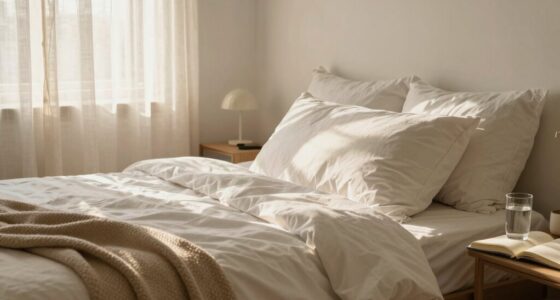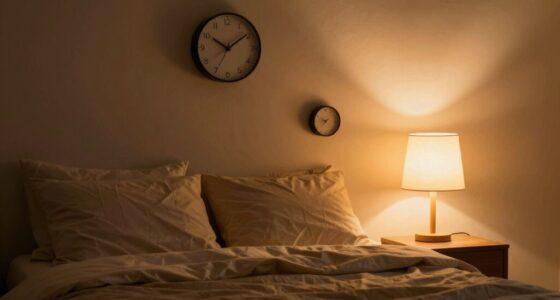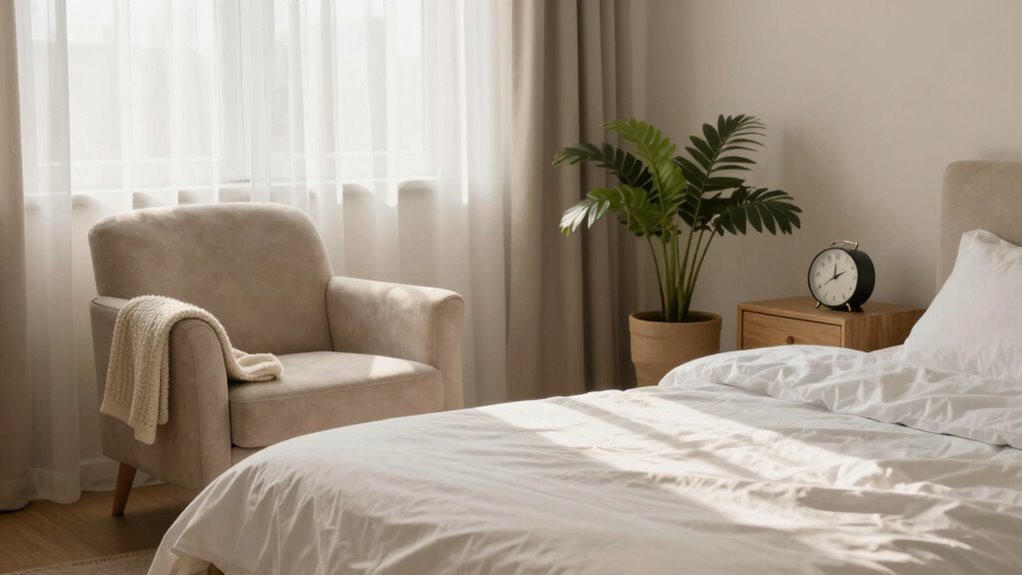
To nap without messing up your night’s sleep, time it during your body’s natural energy lows, usually early to mid-afternoon between 1-3 p.m. When you nap then, you’re less likely to disrupt your nighttime rhythm. Avoid caffeine before your nap because it can linger for hours and interfere with rest. If you follow these tips, you’ll enjoy a quick refresh without sacrificing your night’s sleep—if you keep exploring, you’ll find more ways to optimize your rest.
Key Takeaways
- Schedule naps during the early afternoon, ideally between 1-3 p.m., to align with circadian lows.
- Limit naps to 20-30 minutes to prevent grogginess and avoid interfering with nighttime sleep.
- Avoid napping late in the day, at least 4-6 hours before bedtime, to maintain sleep continuity.
- Refrain from caffeine close to nap time, as it can disrupt sleep cycles and reduce nap benefits.
- Create a relaxing environment with minimal light and noise to enhance nap quality without affecting night sleep.
Have you ever wondered when the best time is to take a nap? Timing your nap correctly can make a huge difference in how refreshed you feel afterward and whether it interferes with your nighttime sleep. To do this effectively, you need to understand your body’s natural clock, known as circadian rhythms. These rhythms regulate your sleep-wake cycle and influence when you feel alert or drowsy. Typically, your energy dips in the early afternoon, usually between 1 and 3 p.m., making this window ideal for a quick nap. During this period, your body’s internal clock signals a natural lull, so a short nap can boost your alertness without throwing off your nighttime sleep schedule. Incorporating high-quality projectors into your home setup can also enhance your relaxation and entertainment after a restful nap.
Being mindful of caffeine influence is also essential when considering nap timing. If you’ve recently consumed caffeine, it can linger in your system for several hours, masking your desire to sleep or making it harder to fall asleep later. Caffeine blocks adenosine, a chemical that promotes sleepiness, so if you nap too late after drinking coffee or tea, you might wake up feeling groggy or find it tough to fall asleep at night. Ideally, give yourself at least four to six hours between your last caffeine intake and your planned nap. This window allows the caffeine to diminish enough so that it doesn’t interfere with your ability to rest during your nap or your sleep later.

MyHalos® Sleep Mask – 3D Blackout Eye Mask for Women & Men, Side Sleepers, Zero Pressure Memory Foam Eyelash Friendly, Breathable,Award-Winning Sleep Aid for Travel (Black, 1 Count (Pack of 1)
Complete Blackout: Innovative contoured design blocks 100% light. Perfect blindfold sleeping eye mask for night shift workers, frequent…
As an affiliate, we earn on qualifying purchases.
As an affiliate, we earn on qualifying purchases.
Frequently Asked Questions
How Long Should a Power Nap Last for Optimal Benefits?
You should aim for a power nap lasting about 10 to 20 minutes to maximize benefits without disrupting your circadian rhythms. This duration helps you avoid sleep inertia, the grogginess that comes from waking during deep sleep stages. Short naps boost alertness and mood without affecting your nighttime sleep, making them ideal for quick energy boosts. Keep it brief, and you’ll feel refreshed without harming your night’s rest.
Is It Better to Nap in the Morning or Afternoon?
Think of your day as a delicate dance. Napping in the morning lets you glide gracefully, avoiding sleep inertia and dream disruption, so you wake refreshed. Afternoon naps, however, can cause your rhythm to stumble, risking grogginess and disrupting your night’s sleep. To stay in harmony, aim for morning naps when your energy dips, helping you stay balanced without interfering with your evening rest.
Can Napping Help Improve Overall Sleep Quality?
Yes, napping can improve your overall sleep quality if you practice good sleep hygiene and align naps with your circadian rhythms. Short naps, ideally 20-30 minutes, boost alertness and mood without disrupting nighttime sleep. By timing your naps wisely—early afternoon works best—you support your body’s natural rhythms, helping you feel more refreshed and ensuring your nighttime sleep remains restorative.
Are There Risks Associated With Long or Late Naps?
Long or late naps can lead to risks like sleep inertia, making you groggy and disoriented upon waking. They might also cause nap dependency, where you rely on naps instead of nighttime sleep, disrupting your overall sleep cycle. To avoid these issues, keep naps short—around 20-30 minutes—and avoid late afternoon or evening naps. This way, you protect your night’s sleep and stay energized during the day.
How Does Age Affect Ideal Nap Timing and Duration?
You’re never too old to catch some Z’s, but age affects your sleep cycle and nap needs. As you age, sleep becomes lighter and naps may need to be shorter, around 20-30 minutes, to boost alertness without messing up nighttime sleep. For younger folks, longer naps might be okay, but everyone should listen to their body and find a timing that restores energy without disrupting their natural sleep rhythms.
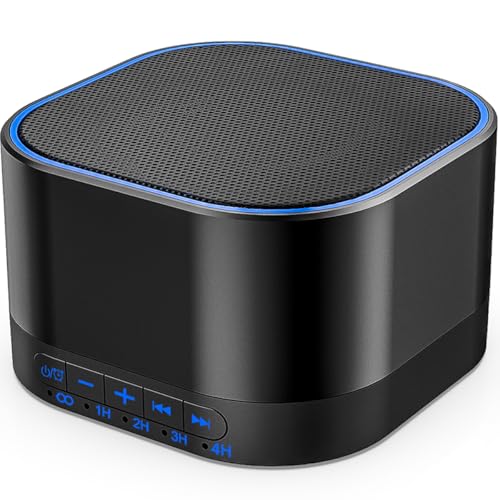
Magicteam Sound White Noise Machine with 20 Non Looping Natural Soothing Sounds and Memory Function 32 Levels of Volume Powered by AC or USB and Sleep Sound Timer Therapy for Baby Kids Adults
❤20 Non-Looping Sleep Sounds: White noise ,Brown noise, pink noise, blue noise, fan,brook, rain, ocean,bird and Bonfire,suitable for…
As an affiliate, we earn on qualifying purchases.
As an affiliate, we earn on qualifying purchases.
Conclusion
By timing your naps just right, you create a gentle ripple in your day, like a soft breeze that refreshes without disturbing the night’s stillness. Imagine slipping into a peaceful harbor, where your body recharges without anchoring you too long. When you wake, the world feels brighter, and your night’s sleep remains deep and undisturbed. Embrace these mindful pauses, and let your restful nights be as sweet and steady as a calm, moonlit sea.
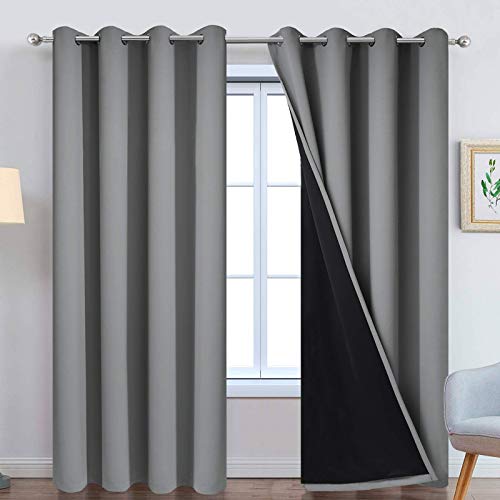
Yakamok 100% Blackout Curtains 84 Inches Long, 2 Thick Layers Heat and Full Light Blocking Soft Thermal Insulated Drapes for Bedroom(52" Wide Each Panel, Grey, 2 Panels)
PACKAGE MADE:2 panels per package. Each Lined Curtain measures 52" wide x 84" long. 8 Silvery Grommets per…
As an affiliate, we earn on qualifying purchases.
As an affiliate, we earn on qualifying purchases.

HAPPRUN Native 1080P Projector, Bluetooth Home Theater Movie Projector with Built-in Speaker, Compatible with Smartphone, HDMI, Fire Stick, PS5, Indoor & Outdoor Use – Without Google TV System
[ Native 1080P Full HD Resolution ] – Enjoy crystal-clear visuals with HAPPRUN H1's native 1920×1080 resolution, delivering…
As an affiliate, we earn on qualifying purchases.
As an affiliate, we earn on qualifying purchases.