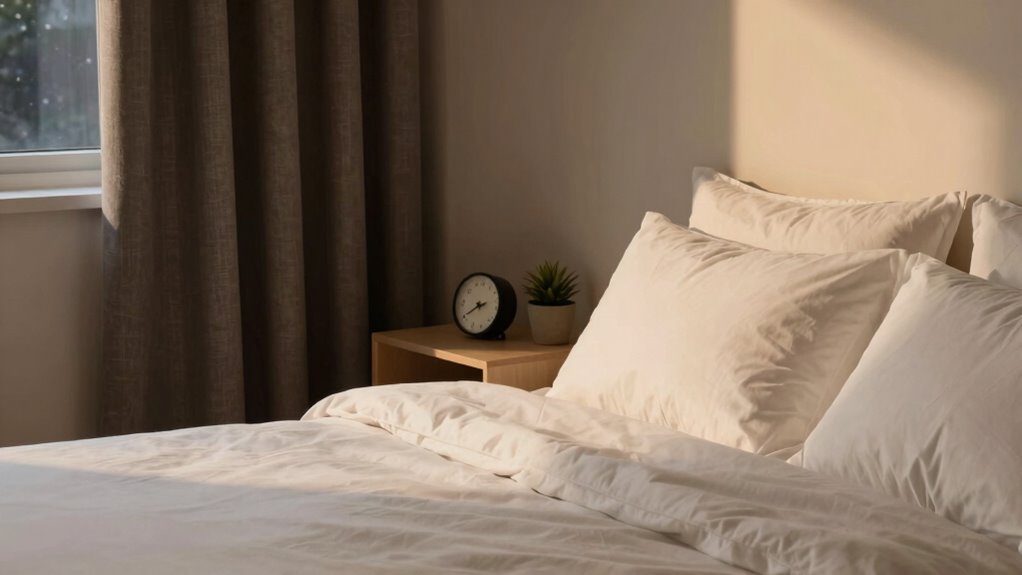

Implementing the “bedroom only” rule helps your brain associate your bed exclusively with sleep, making it easier to fall asleep faster. Keep your bedroom cool, dark, and quiet, and avoid using it for work or screens. Establish calming routines like reading or listening to music before bed, always in the same space. Staying consistent with this approach strengthens your sleep habits and can reduce the time it takes to drift off—learn more to optimize your sleep routine.
Key Takeaways
- Restrict activities like work or screen time to the bedroom to strengthen the mental association with sleep.
- Maintain a consistent, calming pre-sleep routine in the bedroom to signal relaxation and prepare the brain for rest.
- Keep the bedroom cool, dark, and quiet to create an environment conducive to faster sleep onset.
- Use the bed solely for sleep and intimacy, avoiding other distractions that can hinder falling asleep.
- Consistently reinforce the bedroom as a dedicated sleep space to train your brain to associate it with rest, reducing sleep latency.
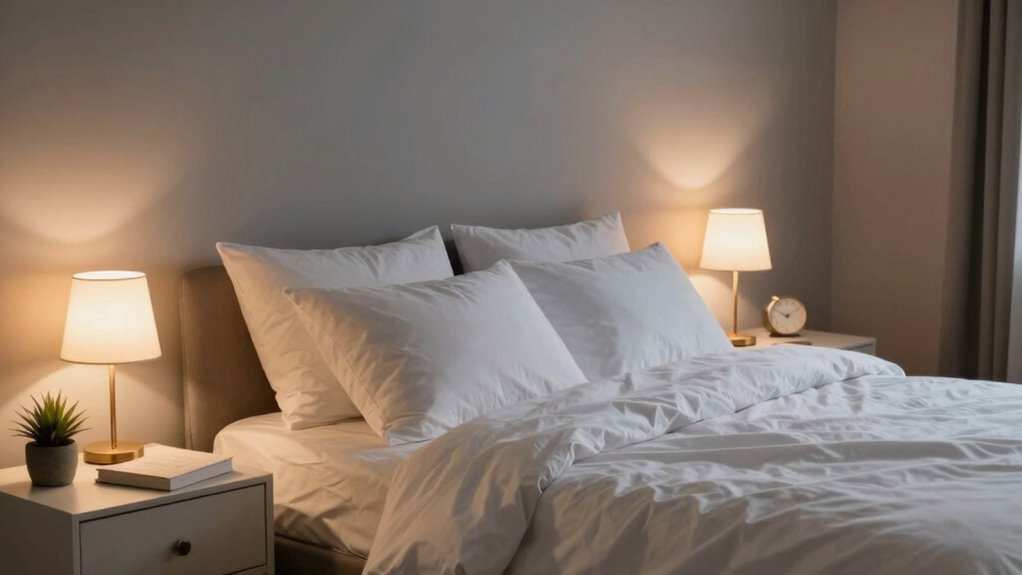
The “Bedroom Only” rule is a common guideline that restricts certain behaviors or activities to the bedroom, often to maintain decorum or privacy. This rule can be a powerful tool in helping your brain associate the bedroom with sleep, making it easier to drift off quickly each night. When you keep your sleep environment dedicated to rest, your mind begins to recognize that the bedroom is a signal for sleep, not work or entertainment. This association is essential for developing effective bedtime routines that reinforce relaxation and sleep readiness.
Creating a consistent sleep environment is essential. Your bedroom should be cool, dark, and quiet—settings that encourage melatonin production and signal to your body that it’s time to wind down. Avoid using your bed for work, screen time, or watching TV. When your brain links the bed solely with sleep, it reduces the likelihood of lying awake because you’re mentally conditioned to see your bed as the sleep zone. Over time, this helps train your brain to shift into sleep faster, especially if you follow a regular bedtime routine. Sleep environment plays a crucial role in establishing these healthy associations.
Create a cool, dark, quiet bedroom to signal your body it’s time to sleep.
Establish a calming pre-sleep routine that you do every night. This could include activities like reading, gentle stretching, or listening to soothing music. Keep these routines consistent and performed in your sleep environment to strengthen the sleep association. Avoid engaging in stimulating activities or using electronic devices in bed, as the blue light can interfere with melatonin levels and make falling asleep harder. Instead, focus on calming activities that signal to your brain it’s time to relax.
The key to training your brain to sleep faster is to reinforce the connection between your sleep environment and restful sleep. The “Bedroom Only” rule helps eliminate distractions and mental associations that could hinder your sleep readiness. When your sleep environment becomes a cue for rest, your body begins to anticipate sleep as soon as you get into bed. Over time, you’ll notice that your sleep onset latency decreases, and you fall asleep quicker. Consistency is essential—stick to your bedtime routines and keep your sleep space dedicated to sleep and intimacy.
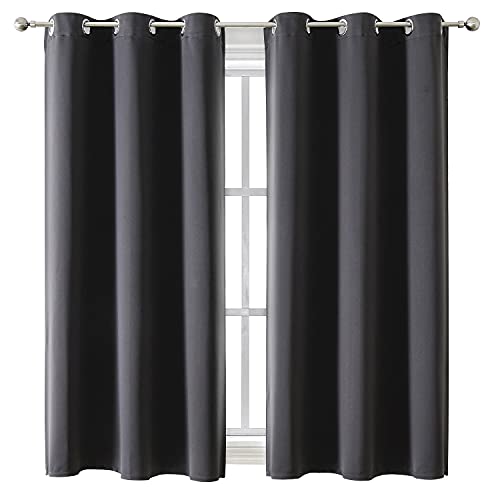
ChrisDowa Grommet Blackout Curtains for Bedroom and Living Room – 2 Panels Set Thermal Insulated Room Darkening Curtains (Dark Grey, 42 x 63 Inch)
SET DETAILS: 2 charcoal gray curtains per package. Each panel measures 42 inch wide by 63 inch long…
As an affiliate, we earn on qualifying purchases.
As an affiliate, we earn on qualifying purchases.
Frequently Asked Questions
How Long Does It Typically Take to See Results From This Rule?
You’ll typically notice sleep improvement within one to two weeks of following the “Bedroom Only” rule. Patience duration varies, but consistency is key. By reserving your bedroom for sleep and intimacy only, your brain starts associating the space with rest, helping you fall asleep faster. Stick with it daily, and you should see gradual improvements in your sleep quality over a couple of weeks.
Can This Method Help With Insomnia Caused by Stress or Anxiety?
About 60% of people find that strict bedroom associations help reduce stress and anxiety, making it easier to fall asleep. This method can be effective for insomnia caused by stress or anxiety by strengthening your brain’s connection between the bedroom and sleep. It encourages stress relief and anxiety reduction, creating a calming environment. By consistently using this rule, you train your mind to associate the bedroom with restful sleep, easing your insomnia.
Is It Effective for All Age Groups and Sleep Patterns?
This method can be effective across age groups, but its success depends on individual sleep patterns and age variability. Younger people may adapt quickly, while older adults might need more time to see results. Maintaining sleep consistency is key, regardless of age. You should tailor this approach to your needs, ensuring your sleep environment stays dedicated to rest, helping your brain associate the bedroom with sleep rather than other activities.
What Should I Do if I Still Can’T Fall Asleep Using This Rule?
If you still can’t fall asleep using this rule, focus on improving your sleep environment by making it dark, quiet, and cool. Incorporate relaxation techniques like deep breathing or progressive muscle relaxation to calm your mind. Avoid screens and stimulating activities before bed. Consistently practicing these habits helps signal to your brain that it’s time to sleep, gradually making it easier to fall asleep faster.
Are There Any Potential Negative Effects of Strictly Following the “Bedroom Only” Rule?
Strictly following the “bedroom only” rule might create a strong bedroom association, making your brain link the space solely with sleep, which usually helps. However, it can also lead to sleep disruption if you start feeling anxious about sleeping or if other worries seep in. This heightened focus might backfire, making it harder to fall asleep. Be mindful, and allow some flexibility to avoid negative effects while still reinforcing good sleep habits.
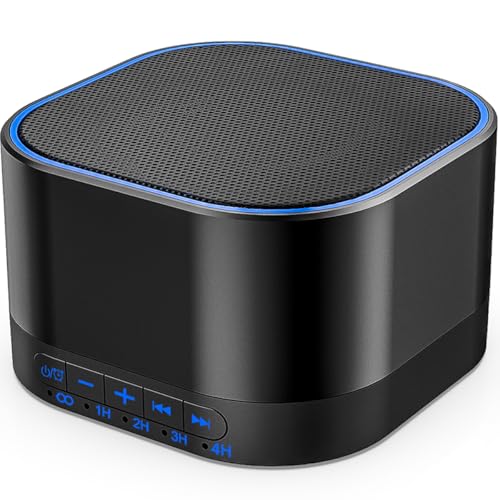
Magicteam Sound White Noise Machine with 20 Non Looping Natural Soothing Sounds and Memory Function 32 Levels of Volume Powered by AC or USB and Sleep Sound Timer Therapy for Baby Kids Adults
❤20 Non-Looping Sleep Sounds: White noise ,Brown noise, pink noise, blue noise, fan,brook, rain, ocean,bird and Bonfire,suitable for…
As an affiliate, we earn on qualifying purchases.
As an affiliate, we earn on qualifying purchases.
Conclusion
By sticking to the “bedroom only” rule, you signal to your brain that it’s time to sleep, making it easier to fall asleep faster. Did you know that your brain forms strong associations between specific environments and activities? That’s why dedicating your bedroom solely for sleep can boost your sleep efficiency by up to 50%. So, keep your bedroom a sleep sanctuary, and you’ll find yourself drifting off more quickly and waking up refreshed.

Niagara Sleep Solution Ultra Soft Queen Size Mattress Topper – Rayon Derived from Bamboo Pillow Top Mattress Pad for Back Pain Relief – Naturally Cooling for Hot Sleepers, Green
ULTRA SOFT: Niagara Queen Mattress Topper is made from rayon derived from bamboo fiber and fits mattresses 8-20…
As an affiliate, we earn on qualifying purchases.
As an affiliate, we earn on qualifying purchases.
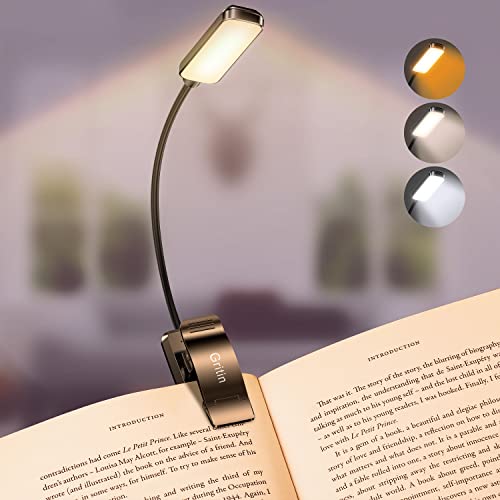
Gritin 9 LED Rechargeable Book Light for Reading in Bed – Eye Caring 3 Color Temperatures,Stepless Dimming Brightness,80 Hrs Runtime Small Lightweight Clip On Book Reading Light for Studying
Stepless Dimming and 3 Color Modes: Adjust the brightness from 100% to 10% by long press button to…
As an affiliate, we earn on qualifying purchases.
As an affiliate, we earn on qualifying purchases.