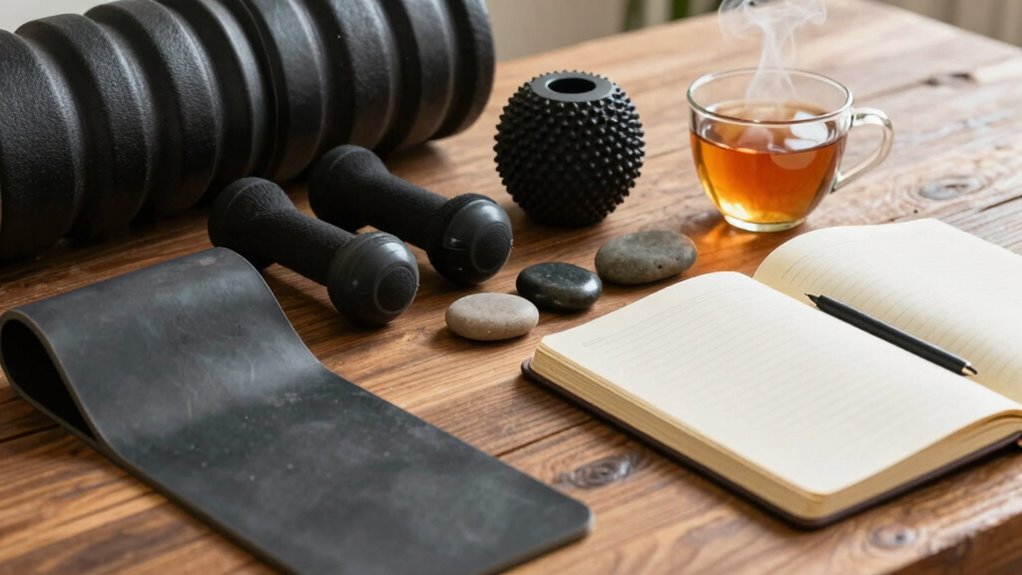

Recovery tools offer quick relief, like meditation apps or energy drinks, but they’re only temporary fixes. To truly build resilience, focus on developing recovery habits such as regular reflection, journaling, or exercise that become part of your routine. These habits strengthen your mental clarity and emotional resilience over time, preparing you better for future challenges. If you want to understand how consistent routines can create lasting growth, keep exploring the difference between short-term fixes and long-term habits.

Get health and wellness essentials delivered free — and shop member deals
- Fast, free delivery on millions of items
- Access to Prime Big Deal Days deals on October 6–7
- Prime Video, Amazon Music and more included
Key Takeaways
- Recovery habits build lasting resilience through consistent routines, while tools provide only temporary relief.
- Habits automate mental clarity and emotional strength, reducing dependence on short-term fixes.
- Quick recovery tools offer immediate comfort but don’t develop long-term capacity for setbacks.
- Embedding resilience routines enhances long-term growth and preparedness over reliance on singular tools.
- True progress stems from cultivating habits that support ongoing mental and emotional strength, not just quick fixes.
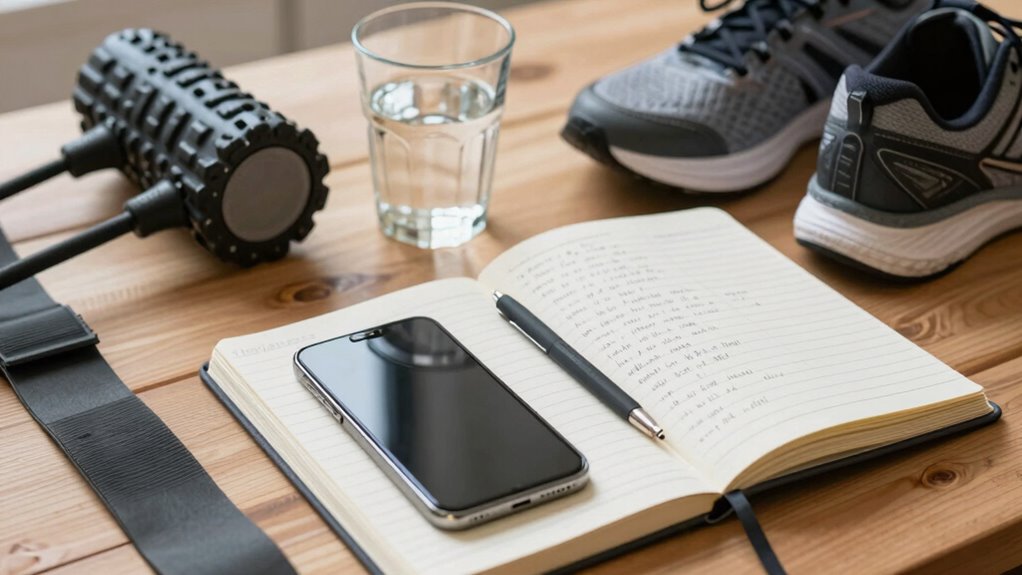
When it comes to bouncing back from setbacks, many people focus on quick fixes like recovery tools, but lasting resilience often depends on developing solid recovery habits. These habits are the foundation that helps you rebuild mental clarity and emotional resilience over time. While recovery tools—like meditation apps, energy drinks, or therapy sessions—offer immediate relief, they are only part of the bigger picture. Relying solely on these quick fixes can give a false sense of progress, leaving you vulnerable when the next challenge arises. Instead, cultivating consistent habits creates a resilient mindset that sustains you long-term.
Building recovery habits means integrating routines that promote mental clarity. For instance, regular mindfulness or journaling helps you process emotions clearly, preventing overwhelm. When you develop these habits, you train your mind to stay focused and calm, even in stressful moments. This mental clarity enables you to assess setbacks objectively rather than reacting impulsively. Over time, these routines become automatic, reducing mental clutter and increasing your capacity to adapt and recover. They also bolster emotional resilience, teaching you to bounce back from setbacks with a sense of purpose and calmness rather than frustration or despair.
Develop routines like mindfulness and journaling to foster clarity and emotional resilience during setbacks.
The key is consistency. Recovery tools might provide a temporary boost, but without habitual practice, their effects fade quickly. For example, you might use a breathing app during a tough day, but if you don’t incorporate breathing exercises into your daily routine, you won’t see sustained benefits. Developing habits like daily reflection, exercise, or gratitude journaling helps embed resilience into your identity. These habits reinforce your ability to manage emotions and maintain mental clarity during tough times, making setbacks feel less overwhelming over time.
Furthermore, habits foster a proactive approach to resilience. Instead of waiting for a crisis to hit before seeking relief, you proactively engage in practices that strengthen your emotional resilience daily. This proactive stance means you’re less likely to be thrown off course by unexpected challenges. Over time, these habits help you build a durable mental framework that supports calm, clarity, and emotional strength—even under pressure. Cultivating growth mindset can also enhance your ability to see setbacks as opportunities for development rather than failures.
In the end, recovery tools are valuable for immediate needs, but lasting resilience hinges on the habits you develop. Consistently practicing routines that boost mental clarity and emotional resilience ensures you’re better prepared for whatever setbacks come your way. These habits become your silent armor, helping you bounce back faster and stronger, turning fleeting recovery moments into long-term growth.
As an affiliate, we earn on qualifying purchases.
Frequently Asked Questions
Can Recovery Tools Replace Healthy Recovery Habits Effectively?
Recovery tools alone can’t replace healthy recovery habits effectively because they lack the accountability strategies and mindset shift needed for lasting change. You need to actively develop consistent routines and mental resilience, making tools a support rather than a substitute. When you focus on building strong habits, you create sustainable progress. Tools enhance your efforts, but true movement comes from your commitment, mindset, and accountability strategies that keep you on track.
How Do I Prioritize Between Using Tools and Developing Habits?
You should prioritize behavior change and habit formation over relying solely on recovery tools. Tools can support your progress, but developing consistent habits creates lasting change. Focus on integrating small, manageable actions into your daily routine, which helps reinforce positive behaviors. By consistently practicing healthy habits, you’ll see more sustainable results than depending only on tools. Balance both, but make habit formation your main strategy for long-term recovery success.
Are There Specific Tools That Complement Good Recovery Habits?
Think of supplemental devices and tech accessories as loyal sidekicks that enhance your recovery habits. Devices like foam rollers, massage guns, or sleep trackers work hand-in-hand with your routines, making recovery smoother and more effective. These tools don’t replace good habits but amplify their impact. When you combine consistent habits with the right accessories, you turn recovery into a well-orchestrated symphony, helping you bounce back faster and stronger.
What Common Mistakes Hinder the Effectiveness of Recovery Tools?
You often hinder recovery tools’ effectiveness through tool misuse or neglecting your habits. Relying on tools without consistent habits limits their impact, while neglecting tools altogether means you miss out on potential benefits. To move the needle, use tools properly and integrate them into your daily routine. Avoid shortcuts or skipping steps, as these mistakes weaken your recovery process and prevent you from achieving lasting progress.
How Long Does It Typically Take to See Results From Habits Versus Tools?
You’re probably expecting instant results, but habit formation takes patience—think weeks, not days. Tools might show quick effects, but their effectiveness fades if habits aren’t built. Typically, you’ll notice progress from new habits in about 3 to 4 weeks, while tools can provide short-term boosts. For lasting change, focus on developing consistent habits; tools are just the shiny accessories. Remember, real progress is a marathon, not a sprint.
As an affiliate, we earn on qualifying purchases.
Conclusion
Ultimately, whether you rely on recovery tools or habits, it’s your daily rhythm that truly moves the needle. Picture your body as a garden—tools are the watering cans, but habits are the soil and sun that nurture growth. When you cultivate consistent, mindful practices, you’re planting seeds for lasting change. So, choose your tools wisely, but remember, it’s your habits that will quietly, steadily, transform your recovery into a flourishing, resilient life.
As an affiliate, we earn on qualifying purchases.
emotional resilience training book
As an affiliate, we earn on qualifying purchases.
As an affiliate, we earn on qualifying purchases.
Fall Picks
fall essentials
As an affiliate, we earn on qualifying purchases.