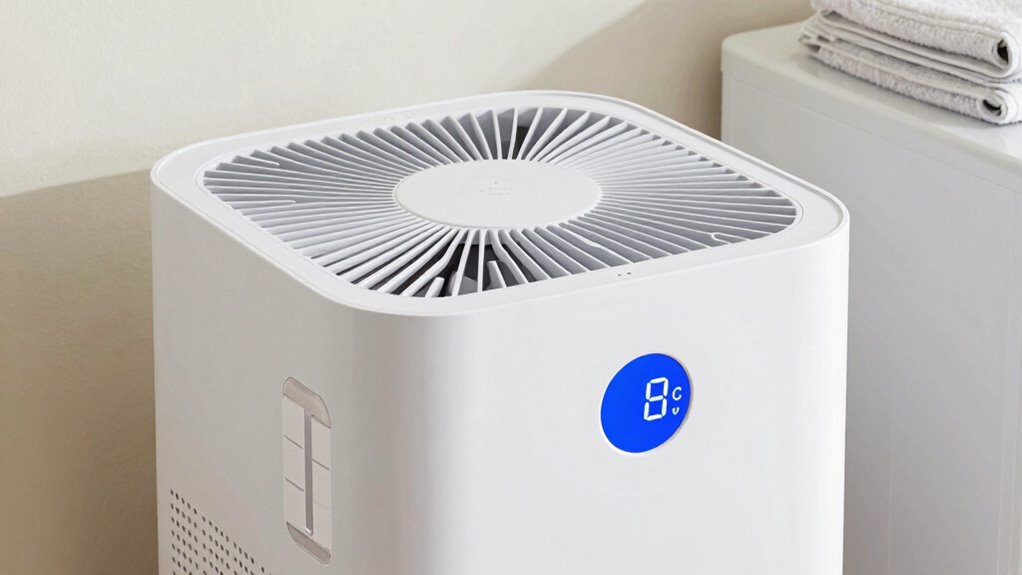
A dehumidifier is a simple device that pulls excess moisture from the air to prevent mold, bad odors, and dampness. It works by cooling the air, causing water to condense and drain away, helping keep your home comfortable. You don’t need to worry about technical details like pints or pumps—just know that placing it in the right spot and setting it correctly makes a big difference. Keep exploring to learn more tips for effective use.
Listen free for 30 days with Audible
Thousands of audiobooks and originals — cancel anytime.
As an affiliate, we earn on qualifying purchases.
Key Takeaways
- A dehumidifier removes excess moisture from the air to prevent mold, musty odors, and dampness.
- Place it in open, central areas away from furniture, maintaining at least 1 foot clearance for proper airflow.
- Use a hygrometer to set and monitor humidity levels between 30% and 50% for comfort and mold prevention.
- Most dehumidifiers have a water tank that needs emptying or a drain hose for continuous use.
- Regularly clean filters and check placement to optimize performance and keep the air dry and healthy.
As an affiliate, we earn on qualifying purchases.
How Do I Know If I Need a Dehumidifier?
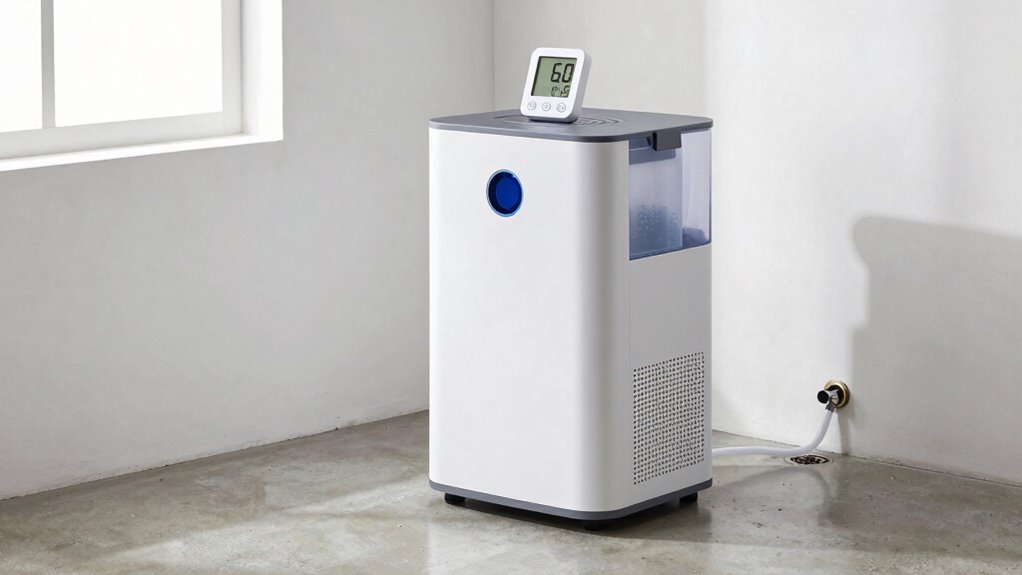
If you notice excess moisture or persistent humidity in your home, it’s a clear sign you might need a dehumidifier. High humidity levels create an ideal environment for mold growth, which can damage your walls and pose health risks. If you see condensation on windows, damp spots on walls, or a damp smell, these are signs humidity is too high. Maintaining proper humidity helps prevent mold and keeps your home comfortable. A dehumidifier helps reduce moisture in the air, balancing humidity levels and stopping mold from forming. If you’re constantly battling dampness or notice a musty odor, it’s time to think about a dehumidifier to improve air quality and protect your home’s structure. Recognizing proper humidity levels can also help you maintain a comfortable and healthy living environment. Being aware of the air quality setup and its contrast ratio can further enhance your overall comfort. Additionally, understanding humidity control methods can help you make informed decisions about maintaining optimal indoor conditions.
portable dehumidifier with water tank
As an affiliate, we earn on qualifying purchases.
As an affiliate, we earn on qualifying purchases.
What Is a Dehumidifier and How Does It Work?
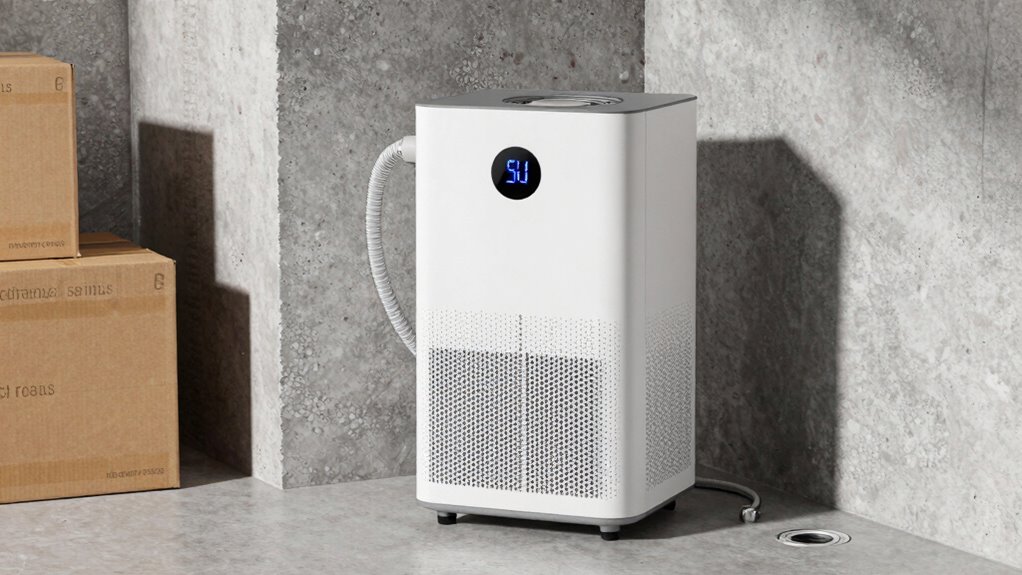
A dehumidifier is a device designed to remove excess moisture from the air, helping to maintain a healthier and more comfortable environment in your home. Unlike a humidifier, which adds moisture, a dehumidifier pulls water out of the air. There are different dehumidifier types, such as compressor, desiccant, and electronic models, each working through distinct mechanisms. Compressor dehumidifiers use refrigeration cycles to condense moisture onto coils, which then drain away. Desiccant types absorb humidity using special materials. Understanding the humidifier difference helps you see that dehumidifiers aim to reduce humidity levels, preventing mold, musty odors, and dampness. By removing moisture efficiently, your dehumidifier improves air quality and protects your home’s structure. Some models also feature humidity sensors that help maintain optimal moisture levels automatically, and knowing about humidification and dehumidification can assist in selecting the right device for your needs. Additionally, being aware of moisture control strategies can further enhance your home’s comfort and safety. Regular maintenance of your dehumidifier ensures it operates at peak efficiency and prolongs its lifespan, making dehumidifier upkeep an important aspect of home maintenance. To ensure effective operation, it’s helpful to understand the importance of proper placement and how it influences moisture removal efficiency.
dehumidifier with humidity sensor
As an affiliate, we earn on qualifying purchases.
As an affiliate, we earn on qualifying purchases.
How Much Moisture Should My Dehumidifier Remove for My Home?
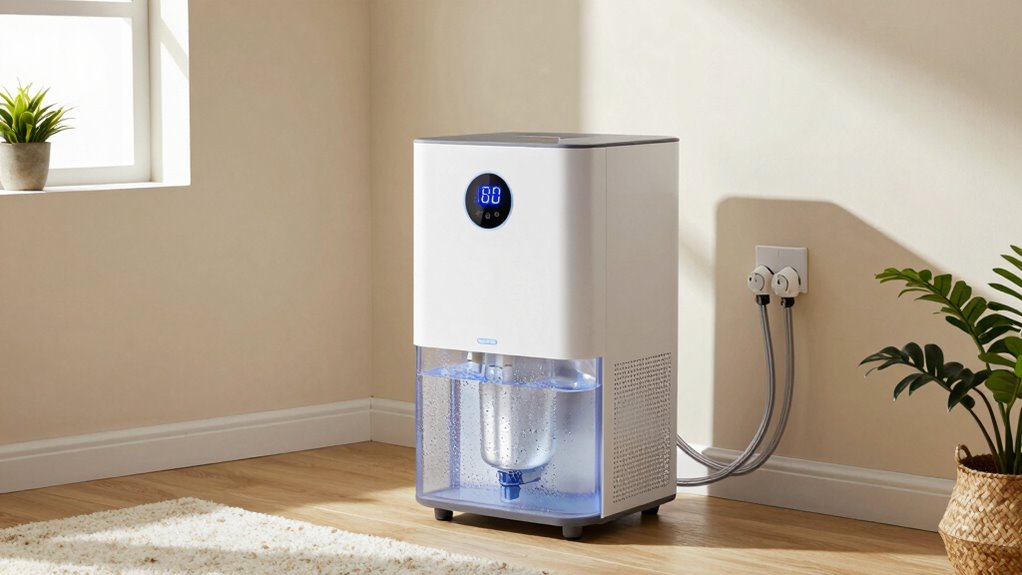
Determining the right amount of moisture your dehumidifier should remove depends on your home’s specific conditions and needs. Monitoring your home’s moisture levels helps you set appropriate humidity targets, usually between 30% and 50%. If the air feels damp or you notice condensation, you’ll want your dehumidifier to remove more moisture. Conversely, if the air is dry, less moisture should be extracted. Aim for consistent humidity levels that prevent mold growth and reduce allergens without over-drying the air. Adjust your dehumidifier’s settings based on seasonal changes or humidity fluctuations. Regularly check your humidity levels with a hygrometer to ensure you’re maintaining ideal moisture balance for comfort and health. Proper dehumidifier placement also plays a crucial role in maximizing efficiency and maintaining a healthy home environment. Understanding air circulation can further enhance your dehumidifier’s performance and overall indoor air quality, ensuring optimal humidity control is achieved across your living space. Additionally, being aware of humidity sensors can help you better track and respond to fluctuations in moisture levels, and choosing a dehumidifier with automatic humidity control can simplify this process further.
compact dehumidifier for basement
As an affiliate, we earn on qualifying purchases.
As an affiliate, we earn on qualifying purchases.
Where’s the Best Place to Put Your Dehumidifier?
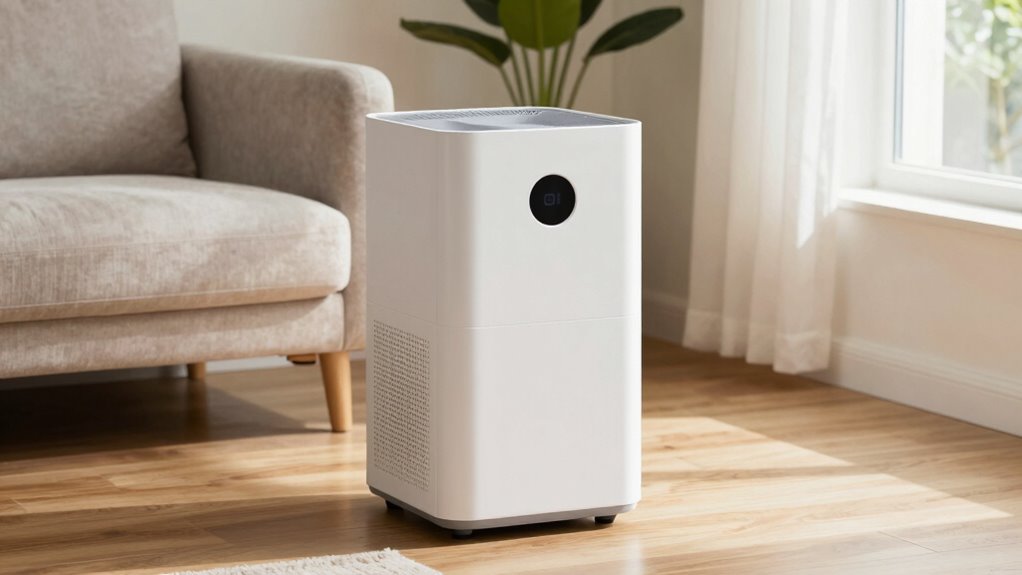
Placing your dehumidifier in a central location helps it work efficiently and evenly across the space. Make sure to prevent areas with furniture or curtains that block airflow, as this can reduce its effectiveness. Proper placement ensures you get the best moisture control without unnecessary hassle. Additionally, airflow optimization can further improve the dehumidifier’s performance by ensuring even moisture removal throughout the area. Creating a comfortable environment supports home wellness, which is an important aspect of work-life harmony and overall quality of life. Utilizing essential DIY tools like fans or vents can help improve device placement and airflow, maximizing efficiency and extending the lifespan of your dehumidifier.
Central Location Advantages
Choosing the right spot for your dehumidifier can make a significant difference in its effectiveness. Placing it in a central location ensures better air circulation, helping to maintain uniform humidity throughout the space. When your dehumidifier is centrally positioned, it can better draw in moist air from all directions, rather than just one area. This placement minimizes hot spots or damp corners, making your entire room or home more comfortable. A central spot also reduces the need to move the unit around constantly. Keep in mind, avoid placing it near walls or furniture that could block airflow. The goal is to maximize coverage and efficiency, so a central location is usually the best choice for consistent dehumidification. Additionally, understanding dehumidifier placement can further optimize its performance and energy efficiency, especially by considering factors like airflow patterns and room layout. Proper air circulation can also help prevent mold growth and musty odors, enhancing overall comfort and health. Ensuring the correct placement can lead to better humidity control and lower energy costs. For optimal results, it’s also helpful to consider humidity levels to ensure your dehumidifier is operating at the most efficient setting.
Avoid Obstructed Areas
To guarantee your dehumidifier works effectively, avoid positioning it where airflow is blocked by walls, furniture, or other obstacles. Obstructions cause airflow obstruction and vent blocking, reducing efficiency. Place your unit in an open area with plenty of space around it. Keep it at least 6-12 inches from walls and furniture to ensure proper airflow. Avoid tight corners or cramped spots. Use the table below to identify ideal placement zones:
| Good Location | Why It Works | What to Avoid |
|---|---|---|
| Central Room | Even humidity control | Corners, behind furniture |
| Open Basement Area | Better air circulation | Cluttered, confined spaces |
| Near Ventilation Sources | Helps distribute moisture | Obstructed vents |
| Living Areas | Easy access and monitoring | Blocking pathways |
Proper placement is essential for airflow efficiency and overall dehumidifier performance. Additionally, selecting the right placement can help prevent moisture buildup in your space.
How Do I Set My Dehumidifier for Best Results?
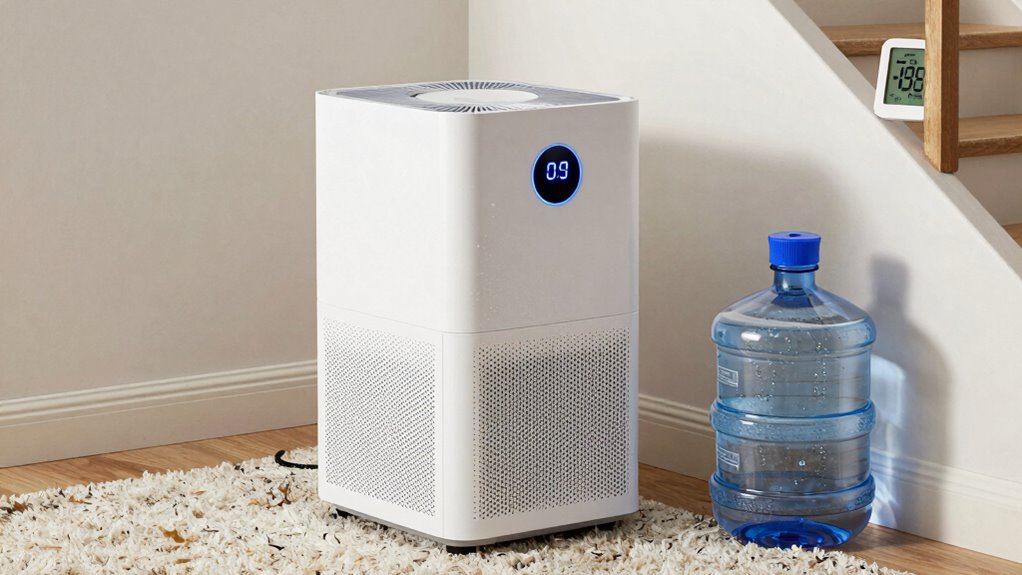
To get the best results, you need to set your dehumidifier to the right humidity level, usually around 30-50%. Make sure it’s placed properly in your space to maximize efficiency and airflow. Adjusting these settings correctly helps keep your environment comfortable and prevents issues like mold or excess moisture.
Optimal Humidity Levels
Maintaining the right humidity level is essential for your dehumidifier to work effectively and keep your home comfortable. For ideal humidity control, aim for a moisture level between 40% and 50%. This range helps prevent mold growth, dust mites, and musty odors while keeping the air comfortable. If your home feels damp or you notice condensation, lower the humidity setting slightly. Conversely, if the air feels too dry or your skin is itchy, increase the humidity. Use a hygrometer to monitor moisture levels accurately. Regularly adjusting your dehumidifier ensures it responds to changing conditions and maintains a consistent, healthy humidity level throughout your space. Proper setting and monitoring are key to maximizing your dehumidifier’s performance.
Proper Placement Strategies
Proper placement of your dehumidifier can considerably improve its efficiency and effectiveness. To optimize airflow patterns, position it away from furniture and walls, allowing air to circulate freely. Avoid placing it in tight corners or behind large objects that block airflow. For the best results, keep it at least a foot from walls and furniture to prevent obstructed airflow. Use the table below to guide your placement:
| Location | Why It Matters | Tips |
|---|---|---|
| Central Room | Even humidity control | Place in open, accessible area |
| Away from Walls | Unobstructed airflow | Keep at least 1 foot distance |
| Near Moisture Sources | Faster moisture removal | Close to bathrooms, laundry areas |
| Elevated Position | Better air circulation | Use a stand or shelf |
| Away from Furniture | Prevent airflow blockages | Avoid behind large furniture |
Signs You Need a Dehumidifier or More Moisture Control?
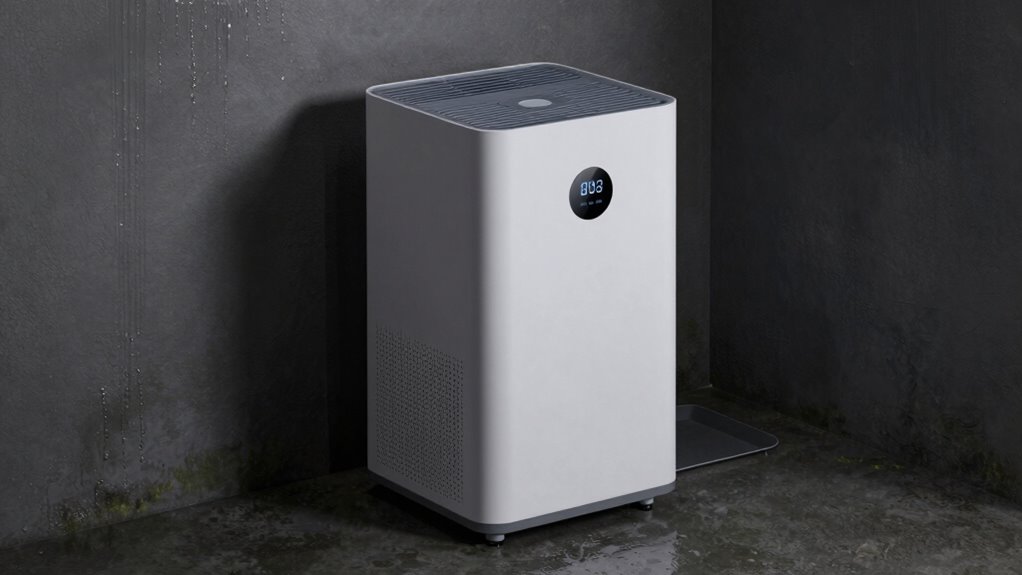
Noticing signs of excess moisture is a clear indicator that you might need a dehumidifier or better moisture control. If you observe:
- Persistent musty odors lingering in your home, which can promote mold growth and hinder mold prevention.
- Visible mold spots on walls, ceilings, or furniture, signaling high humidity levels.
- Condensation on windows or pipes, indicating excess moisture that impacts energy efficiency.
These signs suggest your environment isn’t properly balanced. Addressing high humidity helps prevent mold and improves energy efficiency by reducing the load on your heating and cooling systems. If these issues persist, it’s time to contemplate a dehumidifier or enhanced moisture control measures to keep your space comfortable and safe.
How to Maintain and Troubleshoot Your Dehumidifier?
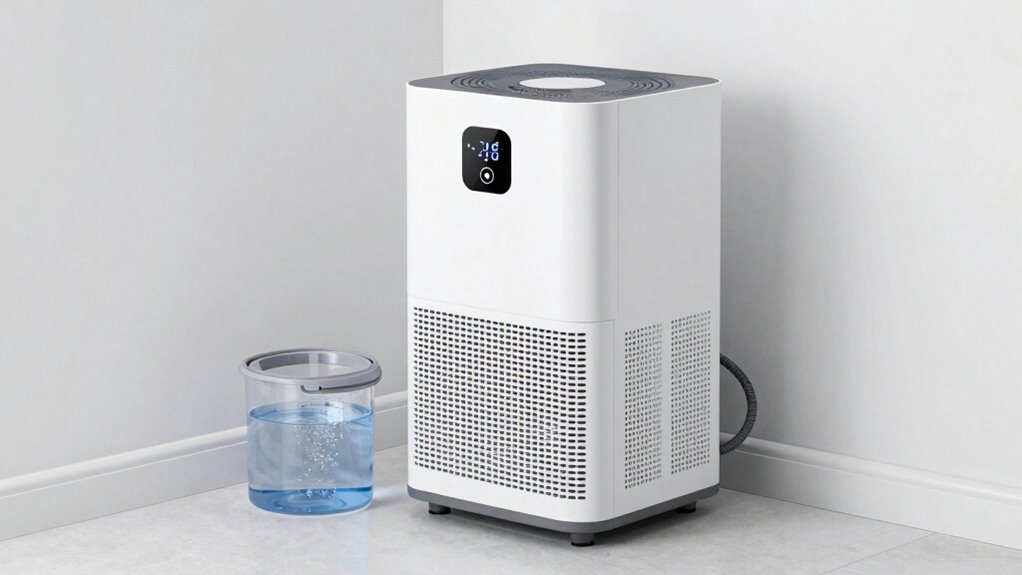
To keep your dehumidifier working effectively, regular maintenance and troubleshooting are essential. Start by checking your drainage options—whether you’re using a condensate pump, gravity drain, or manual emptying—to guarantee water flows smoothly without leaks or blockages. Next, focus on filter maintenance; clean or replace the filter regularly to prevent dust buildup that can hinder performance. If your unit isn’t collecting moisture as it should, inspect the filter and drainage system first. Also, listen for unusual noises or notice if the dehumidifier runs constantly, which can indicate issues like clogged filters or sensor problems. Troubleshooting simple problems promptly keeps your dehumidifier running efficiently and prolongs its lifespan.
Choosing the Right Dehumidifier for Your Space?
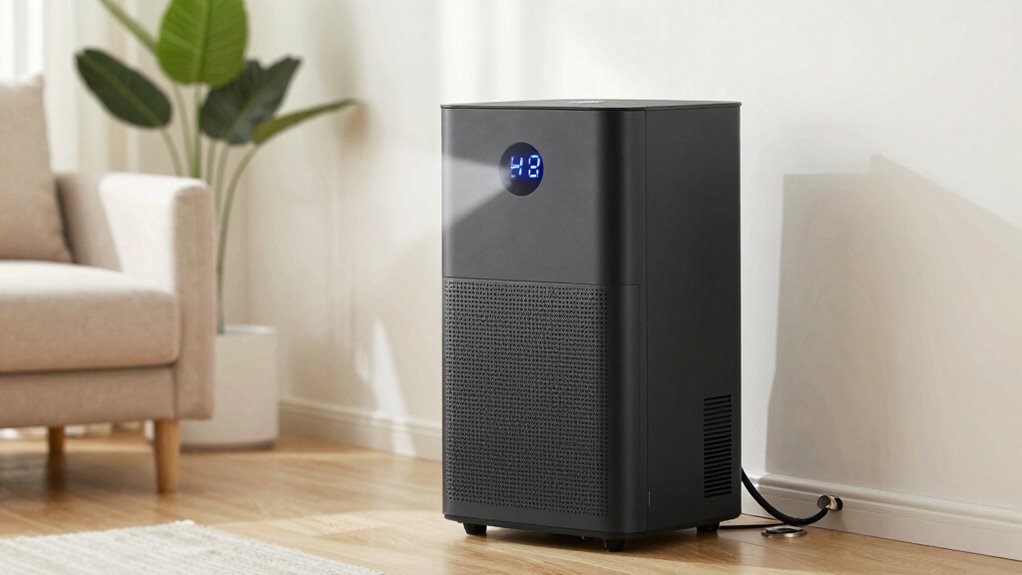
Choosing the right dehumidifier depends on evaluating your space’s size, moisture levels, and specific needs. Consider these factors to get effective humidity control and useful appliance features. First, think about your room’s square footage—larger spaces need higher capacity units. Second, assess how damp the area is—heavily humid rooms require more powerful dehumidifiers. Third, identify your priorities: do you want continuous drainage, quiet operation, or smart controls? Visualize a compact unit fitting into a small closet, a robust machine handling a damp basement, and a sleek, smart-enabled model for a modern living room. By matching these features to your needs, you’ll find a dehumidifier that effectively balances humidity control with ease of use.
Frequently Asked Questions
Can a Dehumidifier Help With Mold and Musty Odors?
Yes, a dehumidifier can help with mold prevention and odor elimination. By reducing moisture levels in your space, it creates an environment less favorable for mold growth and damp odors. You’ll notice fresher air and fewer musty smells as the dehumidifier continuously removes excess humidity. Keep your area well-ventilated and maintain the device regularly to maximize its effectiveness in preventing mold and eliminating odors.
How Noisy Are Dehumidifiers During Operation?
Dehumidifiers can be quite noisy during operation, with noise levels varying depending on the model. You might notice a humming or buzzing sound as the unit runs, which can be more pronounced in larger or less advanced models. If noise bothers you, look for quieter options with lower decibel ratings. Generally, operational sounds are manageable, but some units may be louder, especially when the compressor kicks in.
Do Dehumidifiers Require Regular Filter Replacements?
Yes, dehumidifiers do require regular filter maintenance. You should check the filter every few months and replace it according to the manufacturer’s replacement schedule, usually every 3 to 6 months. Keeping the filter clean and fresh guarantees ideal performance and air quality. Neglecting filter replacement can cause the unit to work harder, increase noise, and reduce its lifespan. Make it a habit to monitor and replace filters as recommended.
Are Portable Dehumidifiers Suitable for Large Areas?
Think of portable units as the Robin Hood of dehumidifiers—they’re great for versatility but may struggle with large spaces. If you’re trying to cover a big area, these units might not keep up with the moisture load. For large spaces, consider a more powerful, stationary dehumidifier designed specifically for bigger areas. Portable units are perfect for small to medium rooms but may need help in extensive spaces.
How Energy-Efficient Are Different Dehumidifier Models?
Different dehumidifier models vary in energy consumption, so some are more eco-friendly than others. You’ll find that energy-efficient units use less power while still effectively reducing humidity. Look for models with eco-friendly features like Energy Star certification, which indicates lower energy use. By choosing these, you save on electricity costs and reduce your environmental impact. Always compare their energy consumption and eco-friendly features to find the best fit for your needs.
Conclusion
Ready to breathe easier? By understanding the basics, you’ll confidently control moisture, curb clutter, and conquer condensation. With simple setup, smart placement, and steady maintenance, your dehumidifier becomes a dependable defender against dampness. Don’t delay—ditch dampness, defeat mold, and delight in a drier, healthier home. Remember, a little knowledge goes a long way—so stay savvy, stay satisfied, and enjoy the fresh, fabulous air you deserve.
Flea & tick season Picks
flea and tick prevention
As an affiliate, we earn on qualifying purchases.