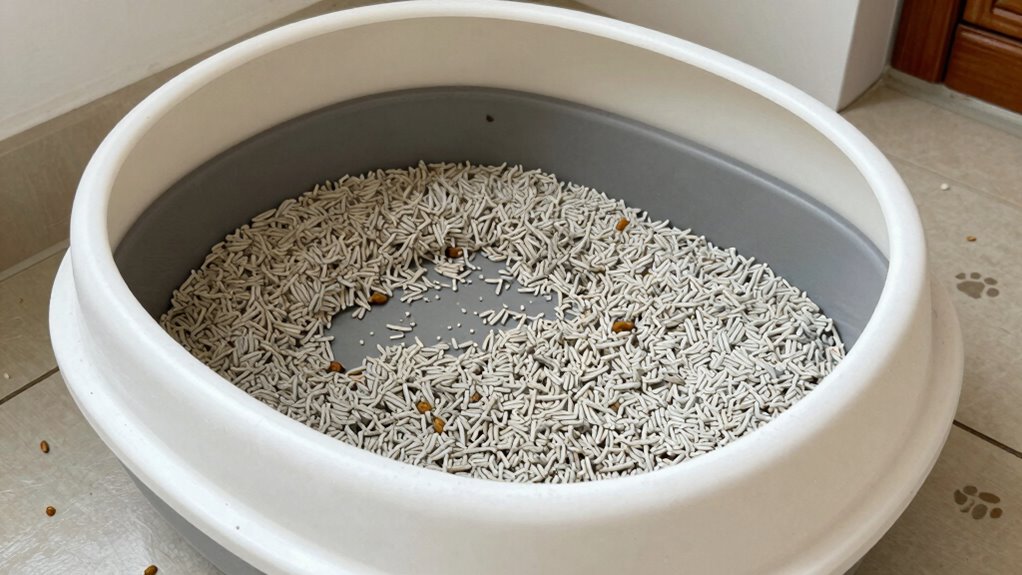

Litter box problems often stem from your cat’s preferences, stress, health issues, or the box’s setup. Cats can be picky about litter texture, scent, and cleanliness, so trying different types may help. Environmental changes, like new visitors or other pets, can cause anxiety and avoidance. Health problems should always be checked by a vet. Making small adjustments to litter box location, style, and routine can promote better habits—keep exploring to find what works best for your kitty.

Get health and wellness essentials delivered free with Prime
- Fast, free delivery on millions of items
- Prime Video, Amazon Music and more included
- Member-only deals all year
Key Takeaways
- Cats may reject litter due to texture, scent, or cleanliness; trying different types can identify preferences.
- Stress from household changes or new pets can lead to litter box avoidance; creating a calm environment helps.
- Health issues like infections cause discomfort; consulting a vet ensures proper diagnosis and treatment.
- Litter box design and placement influence usage; ensure it is spacious, private, and in quiet, accessible areas.
- Routine disruptions and environmental changes affect habits; small adjustments and attentive observation improve compliance.
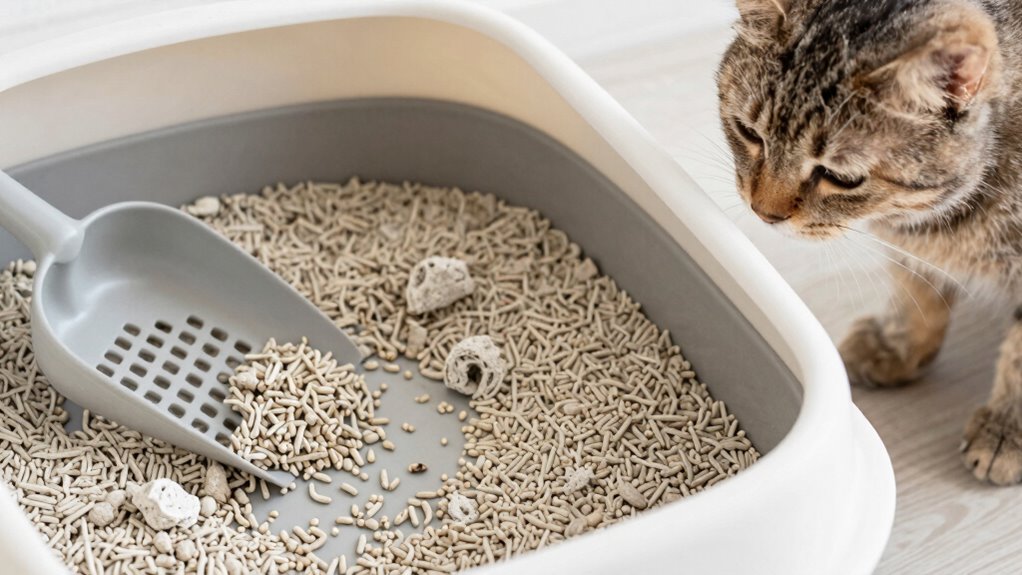
Are you frustrated because your cat suddenly refuses to use the litter box? It’s a common problem that can stem from a variety of causes, often rooted in cat behavior or issues with litter choices. Understanding what might be triggering this change is the first step toward resolving it. Cats are creatures of habit, and any disruption to their routine or environment can cause them to seek alternative spots. Changes in their behavior, whether subtle or obvious, can signal discomfort or stress that leads to litter box avoidance.
One of the most frequent reasons behind litter box problems is the type of litter you’re using. Cats can be very particular about their litter preferences, often influenced by texture, scent, and even the box’s cleanliness. If you’ve recently switched brands or types of litter, your cat might reject the new choice because it doesn’t feel right under their paws. Some cats prefer fine, soft litter to coarse or chunky varieties, and scented litters can sometimes be overwhelming or irritating to their sensitive noses. To reduce this issue, try offering a few different litter options to see which one your cat prefers. Keep the litter box clean by scooping it daily and changing the litter regularly; a dirty box can discourage your cat from using it altogether.
Cat behavior also plays a significant role. Stressors such as new pets, unfamiliar visitors, or changes in your household routine can cause anxiety, leading your cat to avoid the litter box. Sometimes, territorial disputes or conflicts with other cats in the household can make a cat feel unsafe or uncomfortable near their designated spot. Additionally, health problems like urinary tract infections or gastrointestinal issues can cause discomfort when using the litter box, so it’s wise to consult your veterinarian if the problem persists. Creating a calm, quiet environment and providing multiple litter boxes in different locations can help your cat feel secure and encourage proper bathroom habits.
Another aspect to think about is the litter box itself. The size, shape, and placement can all influence your cat’s willingness to use it. Some cats prefer covered boxes for privacy, while others dislike confined spaces. The box should be large enough for your cat to turn around comfortably. Place it in a quiet, accessible location away from noisy appliances or busy areas. If your cat is avoiding the box, it could be because of an aversion to its current location or configuration. Experimenting with different box styles and positions can often resolve the issue. Additionally, understanding feline preferences and environmental needs is essential to fostering good litter box habits.
Ultimately, patience and observation are key. By paying attention to your cat’s behavior, preferences, and environment, you can identify the underlying cause of litter box refusal and make gentle adjustments. Small changes—like switching litter types, cleaning more frequently, or relocating the box—can make a significant difference. Remember, addressing these issues with understanding and care will help restore your cat’s comfort and good litter box habits.
As an affiliate, we earn on qualifying purchases.
Frequently Asked Questions
How Often Should I Clean My Cat’s Litter Box?
You should clean your cat’s litter box at least once a day to maintain good hygiene and prevent odors. Proper litter box placement encourages consistent use, so choose a quiet, accessible spot. Regular cleaning frequency helps your cat feel comfortable and reduces litter box issues. If you notice any changes in your cat’s habits, consider cleaning more often or changing the litter to keep your furry friend happy and healthy.
Can Stress Cause Litter Box Avoidance?
Did you know that research shows stress triggers up to 50% of litter box avoidance cases? Yes, stress causes behavioral signs like hiding, scratching, or avoiding the box altogether. When your cat feels anxious—due to changes or new environments—they may refuse to use the litter box. Recognizing these signs helps you address the root cause, creating a calmer space that encourages your cat to return to proper bathroom habits.
Are Certain Litter Types Better for Sensitive Cats?
Yes, certain litter types are better for sensitive cats. You should choose a litter with a soft texture, as rough textures can irritate their paws. Additionally, pay attention to scent preferences; some cats prefer unscented litter, while others might tolerate mild scents better. Experiment with different options to find what your cat prefers, ensuring the litter is gentle and comfortable, which can encourage consistent use and reduce stress.
When Should I See a Vet for Litter Box Issues?
Think of your cat as a detective; if you notice behavioral signs like avoidance or accidents, it’s time for a medical evaluation. Don’t wait too long—consult a vet if litter box issues persist beyond a day or two, worsen, or if your cat shows signs of pain or discomfort. Early intervention helps identify underlying problems and keeps your feline friend happy and healthy.
How Can I Encourage Older Cats to Use the Litter Box?
To encourage your older cat to use the litter box, start with behavior modification by gently guiding them and rewarding positive behavior. Guarantee the litter box is accessible, clean, and in a quiet, enriching environment to reduce stress. Consider adding more boxes or different types of litter to find what they prefer. Patience and consistency are key; gradually, your cat will feel comfortable returning to their litter box regularly.
As an affiliate, we earn on qualifying purchases.
Conclusion
Addressing litter box issues might seem tricky, but with patience and understanding, you can uncover the root cause and find gentle solutions. By observing your cat’s habits and making small adjustments, you’ll create a more comfortable environment for them. Isn’t it worth the effort to guarantee your feline friend feels safe and happy in their space? Remember, a little attention and care go a long way in resolving litter box problems and strengthening your bond.
automatic self-cleaning cat litter box
As an affiliate, we earn on qualifying purchases.
As an affiliate, we earn on qualifying purchases.
As an affiliate, we earn on qualifying purchases.
Halloween Picks
halloween
As an affiliate, we earn on qualifying purchases.