
TL;DR

Get health and wellness essentials delivered free with Prime
- Fast, free delivery on millions of items
- Prime Video, Amazon Music and more included
- Member-only deals all year
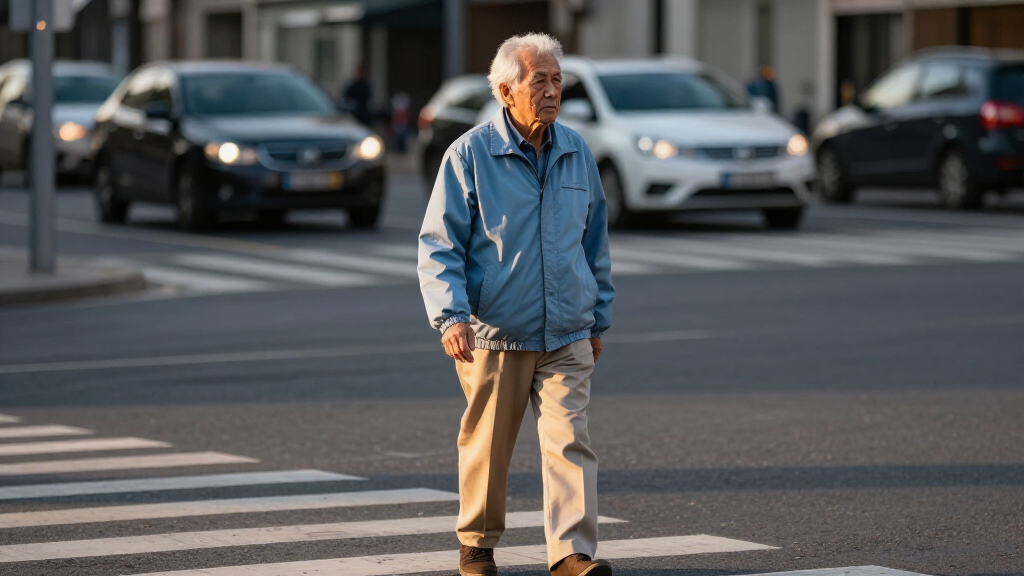
Research indicates that pedestrians aged 65 and older are significantly more likely to die after being struck by vehicles. Experts attribute this to age-related physical vulnerabilities and slower recovery. The findings highlight the need for targeted safety measures for seniors.
Older pedestrians are significantly more likely to die after being hit by a car, according to recent research. The study highlights increased vulnerability among those aged 65 and above, underscoring the importance of targeted safety measures for seniors.
Multiple studies, including data analyzed by transportation safety researchers, show that pedestrians aged 65 and older face a higher fatality rate following vehicle collisions. The research attributes this increased risk to factors such as reduced physical resilience, slower healing processes, and pre-existing health conditions common among older adults.
According to Dr. Lisa Martinez, a public health expert at the National Institute on Aging, “Older individuals tend to have frailer bones, diminished reflexes, and chronic health issues that complicate recovery after accidents.” The data indicates that while the overall number of pedestrian accidents has declined in some regions, the fatality rate for seniors remains disproportionately high.
Transportation safety officials are calling for enhanced pedestrian infrastructure and targeted awareness campaigns to protect vulnerable populations, especially in urban areas where pedestrian traffic is high.
This research matters because it highlights a critical public safety issue: as populations age, the risk of fatal outcomes in pedestrian accidents increases. Recognizing these vulnerabilities can inform policy and infrastructure improvements, such as better crosswalks, longer signal times, and public awareness initiatives tailored to seniors. The findings also underscore the importance of healthcare strategies to improve resilience among older adults.
As an affiliate, we earn on qualifying purchases.
Rising Urban Pedestrian Traffic and Aging Populations
Over the past decade, urban areas have seen an increase in pedestrian activity due to walkable city initiatives and transportation shifts. Simultaneously, the global population aged 65 and older is growing rapidly, leading to a higher proportion of vulnerable pedestrians. Past data from transportation safety agencies show that while overall pedestrian accidents may have decreased, fatalities among seniors have not declined at the same rate, raising concerns about targeted safety measures.
Previous studies have identified physical frailty and slower reaction times as key factors in higher fatality rates among older pedestrians. Experts warn that without specific interventions, this trend could worsen as demographic shifts continue.
“We need to improve pedestrian infrastructure and raise awareness to better protect our most vulnerable populations.”
— Transportation safety official, Jane Liu
As an affiliate, we earn on qualifying purchases.
Unanswered Questions About Specific Risk Factors and Interventions
While the data clearly shows higher fatality rates among older pedestrians, it remains unclear which specific interventions are most effective in reducing these outcomes. The precise impact of infrastructure improvements versus health-based interventions is still under study. Additionally, variations across different regions and urban environments are not fully understood.
high visibility reflective clothing for seniors
As an affiliate, we earn on qualifying purchases.
As an affiliate, we earn on qualifying purchases.
Further Research and Policy Development to Protect Seniors
Researchers plan to conduct more detailed analyses of accident circumstances and evaluate the effectiveness of targeted safety measures. Policymakers are expected to consider new regulations and infrastructure projects aimed at reducing fatalities among older pedestrians. Public health campaigns tailored to seniors are also likely to expand, focusing on awareness and behavioral strategies.
As an affiliate, we earn on qualifying purchases.
Key Questions
Why are older pedestrians more likely to die after being hit by a car?
Older pedestrians often have physical vulnerabilities such as weaker bones, slower reflexes, and pre-existing health conditions that make recovery more difficult and increase the risk of death after accidents.
What safety measures can reduce risks for older pedestrians?
Improving crosswalk visibility, extending signal times, installing pedestrian-friendly infrastructure, and public awareness campaigns can help protect seniors.
Are fatality rates among older pedestrians increasing?
Data indicates that while overall pedestrian accidents may decline, fatalities among seniors remain disproportionately high, highlighting ongoing risks.
What role do health conditions play in pedestrian fatalities?
Pre-existing health issues such as osteoporosis, cardiovascular problems, and diminished mobility contribute to higher mortality rates after accidents.
What is being done to address this issue?
Transportation agencies and public health organizations are working on infrastructure improvements, safety campaigns, and research to better understand and mitigate risks for older pedestrians.
Source: rss
Cold & flu season Picks
humidifiers
As an affiliate, we earn on qualifying purchases.