
TL;DR

Get health and wellness essentials delivered free with Prime
- Fast, free delivery on millions of items
- Prime Video, Amazon Music and more included
- Member-only deals all year
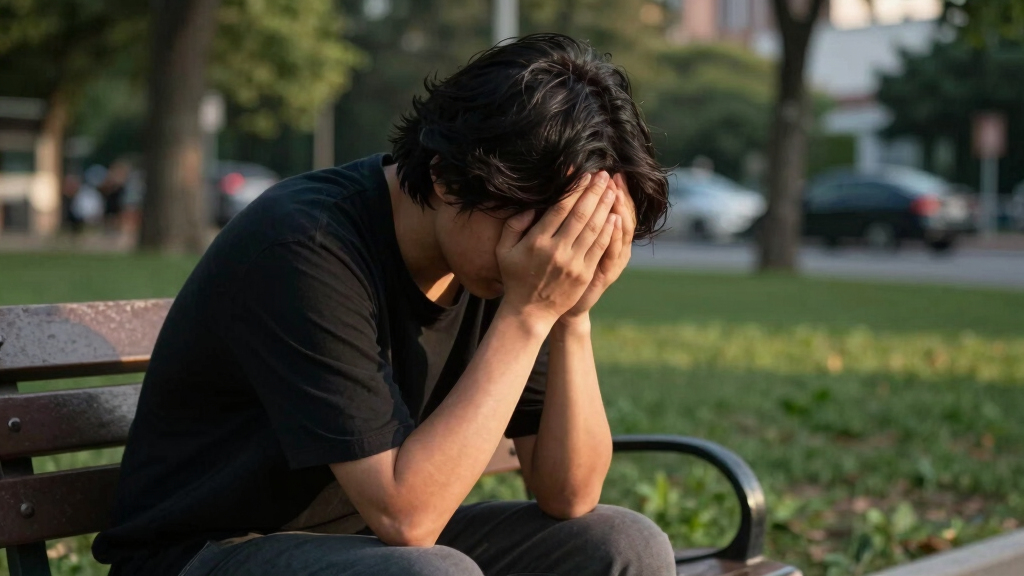
Research shows that being ignored triggers intense emotional pain similar to physical pain, affecting mental health and relationships. This article examines why social rejection is so damaging and what remains uncertain.
Recent psychological research confirms that being ignored or socially excluded causes profound emotional pain, comparable to physical pain, and can have lasting effects on mental health and relationships.
Multiple studies published in 2023 demonstrate that social rejection activates brain regions associated with physical pain, such as the anterior cingulate cortex. Experts explain that humans are wired for social connection, and being ignored triggers a primal distress signal.
Researchers from leading universities report that prolonged social exclusion can lead to increased feelings of depression, anxiety, and lowered self-esteem. The impact is especially significant in adolescents and vulnerable populations, where social bonds are crucial for development.
While the biological and psychological effects are well-documented, the mechanisms behind individual differences in response to being ignored remain under investigation. Some individuals exhibit resilience, while others experience lasting emotional scars.
This research underscores the importance of social connection for mental health. Understanding that being ignored causes real pain can inform mental health treatments and social policies aimed at reducing social isolation. It also highlights why neglect or exclusion can contribute to long-term psychological issues, making this a critical area for intervention and support.
As an affiliate, we earn on qualifying purchases.
Studies from 2023 build on earlier research showing that social exclusion activates brain regions involved in physical pain. The Cyberball experiment, a common method in social psychology, has repeatedly demonstrated that participants who are ignored or excluded report feelings of distress similar to physical discomfort.
Historically, social rejection has been linked to negative mental health outcomes, but recent neuroimaging advances have provided concrete evidence of the brain’s response. Experts like Dr. Lisa Feldman Barrett have emphasized that social pain is a biologically rooted response, not just emotional rumination.
Prior to these findings, some skeptics argued that emotional pain from rejection was purely psychological, but current evidence confirms its biological basis and potential for long-term damage.
“Being ignored activates the same brain pathways as physical pain, which explains why social exclusion hurts so deeply.”
— Dr. Lisa Feldman Barrett, neuroscientist
neurofeedback devices for mental health
As an affiliate, we earn on qualifying purchases.
As an affiliate, we earn on qualifying purchases.
Unanswered Questions About Individual Resilience
It remains unclear why some individuals recover quickly from social rejection while others develop chronic psychological issues. Researchers are still investigating factors such as genetics, personality traits, and social environment that influence resilience or vulnerability.
As an affiliate, we earn on qualifying purchases.
Scientists plan to explore targeted therapies that can mitigate the effects of social rejection, including neurofeedback and social skills training. Policymakers and mental health professionals may also focus on reducing social isolation, especially among vulnerable groups, to prevent long-term damage.
As an affiliate, we earn on qualifying purchases.
Key Questions
Why does being ignored cause such intense pain?
Research shows that social rejection activates brain regions involved in physical pain, making the experience feel deeply distressing because humans are wired for social connection.
Can the effects of being ignored be reversed?
Some evidence suggests that with social support and therapy, individuals can recover from the emotional damage caused by rejection, but the process varies among individuals.
Who is most affected by social exclusion?
Adolescents, vulnerable populations, and those with pre-existing mental health conditions are particularly susceptible to long-lasting effects of being ignored.
What can be done to reduce the impact of social rejection?
Building strong social networks, promoting inclusive environments, and providing mental health support are key strategies to mitigate the damage caused by social exclusion.
What are the next steps for research?
Future studies aim to understand individual differences in resilience and develop targeted interventions to help those most affected by social rejection.
Source: rss
Halloween Picks
halloween
As an affiliate, we earn on qualifying purchases.