

To prevent daily battles over screen time, set clear but flexible rules you and your kids agree on together. Incorporate regular breaks from devices with offline activities like outdoor play or family meals. Introduce educational apps to make screen time meaningful and involve your children in establishing rules to boost their buy-in. By keeping communication open and adjusting rules as needed, you create a balanced routine that fosters responsible use without constant conflicts—keep exploring for more practical tips.

Get health and wellness essentials delivered free with Prime
- Fast, free delivery on millions of items
- Prime Video, Amazon Music and more included
- Member-only deals all year
Key Takeaways
- Involve children in rule-setting to foster ownership and reduce resistance.
- Maintain consistent, clear boundaries for screen time and device use.
- Incorporate regular digital detox periods to prevent conflicts and promote offline activities.
- Use educational apps thoughtfully, balancing learning and entertainment to keep usage meaningful.
- Communicate openly about rules, adjust them as needed, and model balanced device habits yourself.
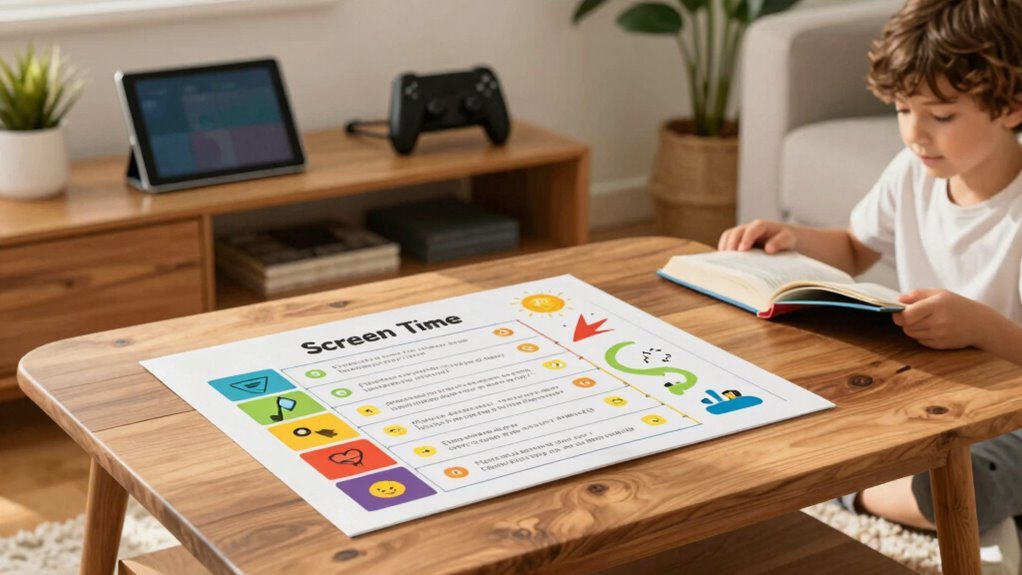
In today’s digital age, managing screen time is essential for maintaining a healthy balance between technology use and other activities. You want to help your family stay connected without letting screens take over every moment. One way to do this is by setting clear, fair rules that encourage responsible use. Instead of turning screen time into constant battles, consider incorporating regular digital detox periods. These are times when everyone disconnects from devices to focus on offline activities, like family meals, outdoor play, or reading. Digital detox doesn’t have to be strict; it simply encourages breaks from screens, helping everyone recharge and reconnect with each other.
You can also make screen time more meaningful by guiding your kids toward educational apps. These apps combine learning with entertainment, making screen time productive and engaging. By choosing high-quality educational apps, you give your children opportunities to develop skills, explore new topics, and satisfy their curiosity in a controlled environment. Establishing designated times for educational apps ensures they’re used intentionally rather than as a default activity. This creates a sense of structure without making screen rules feel overly restrictive or punitive.
Guide kids to educational apps for meaningful, structured, and engaging screen time that fosters learning and curiosity.
To keep screen rules effective and stress-free, involve your kids in the process. Explain why limits are important and listen to their preferences. When children feel included in decision-making, they’re more likely to accept and respect the rules. For example, you could agree on specific hours for recreational screen time, such as after homework or chores are done, and designate certain areas for device use, like the living room or a dedicated tablet station. Clear boundaries help prevent arguments and create consistency, making it easier for everyone to follow through.
It’s also helpful to model good behavior. When you set an example by limiting your own screen time and engaging in offline activities, your children will see that balance is achievable. Encourage family activities that don’t involve screens, like board games, hikes, or cooking together. These shared experiences foster stronger bonds and reduce the temptation to default to devices for entertainment.
Additionally, understanding the importance of proper piercing care and hygiene can serve as a reminder that taking care of physical health is just as vital as managing screen time. Remember that regular cleaning and monitoring for signs of infection are crucial to prevent complications and ensure safety.
Lastly, remember that rules should be flexible enough to adapt as your children grow. What works for a younger child might need adjusting as they develop new interests and responsibilities. Regularly revisit your screen time rules, discuss what’s working or not, and modify them as necessary. This ongoing communication helps prevent conflicts and keeps everyone aligned on the goal of healthy, balanced technology use. By setting thoughtful, consistent rules that include digital detox periods and educational apps, you create a supportive environment where screens enhance learning and connection, not detract from it.
As an affiliate, we earn on qualifying purchases.
Frequently Asked Questions
How Can I Enforce Screen Time Rules With a Stubborn Child?
To enforce screen time rules with a stubborn child, focus on parental communication and setting boundaries. Clearly explain why limits matter, and listen to their concerns. Consistently enforce rules, and involve your child in creating them to foster cooperation. Use positive reinforcement when they follow rules, and stay patient. By establishing firm, fair boundaries and maintaining open dialogue, you can gradually help your child accept and respect screen time limits.
What Are the Signs My Child’s Screen Time Is Excessive?
Your child’s screen time is excessive when digital detox becomes a distant dream, and they seem glued to devices like moths to a flame. Watch for signs like irritability, disrupted sleep, or declining interest in offline activities. Parental monitoring helps you catch these warning signals early. If screens dominate their day, it’s time to reset boundaries, encouraging real-world connections and a healthier balance between digital and personal life.
How Do Screen Time Rules Differ for Teenagers?
For teenagers, your screen time rules should focus on establishing clear digital boundaries and encouraging responsible use. Use parental controls to limit access during certain hours and monitor content, but also involve teens in setting these limits to promote independence. Talk openly about online safety, balance, and expectations. By doing so, you help your teen develop healthy habits while respecting their growing need for autonomy.
Are There Effective Alternatives to Screen Time for Entertainment?
Research shows that kids spend nearly 7 hours daily on screens, so exploring alternatives is smart. You can introduce educational games that challenge their minds or encourage creative hobbies like drawing, writing, or building. These activities provide enriching entertainment, foster skills, and reduce screen time. By offering engaging options, you help your teen develop diverse interests, making it easier to balance screen use without turning it into a daily battle.
How Can I Balance Screen Time With Outdoor Activities?
You can balance screen time with outdoor activities by setting designated family activity times that include outdoor play. Encourage your kids to enjoy outdoor games, nature walks, or sports, making these activities fun and engaging. Limit screen time gradually, replacing it with outdoor adventures. Creating a routine helps kids look forward to outdoor play, fostering a healthy balance between screen use and active family activities.
As an affiliate, we earn on qualifying purchases.
Conclusion
Remember, creating clear, consistent screen time rules can cultivate cooperation and curb conflicts. Keep communication kind and consistent, and don’t forget to celebrate small successes along the way. When boundaries are built with patience and positivity, battles become breezes, not storms. With a little planning and plenty of patience, you’ll find the perfect balance between screen time and real-life adventures. Your efforts will foster a future full of fun, freedom, and family harmony.
As an affiliate, we earn on qualifying purchases.
child-friendly outdoor play equipment
As an affiliate, we earn on qualifying purchases.
As an affiliate, we earn on qualifying purchases.
Cold & flu season Picks
humidifiers
As an affiliate, we earn on qualifying purchases.