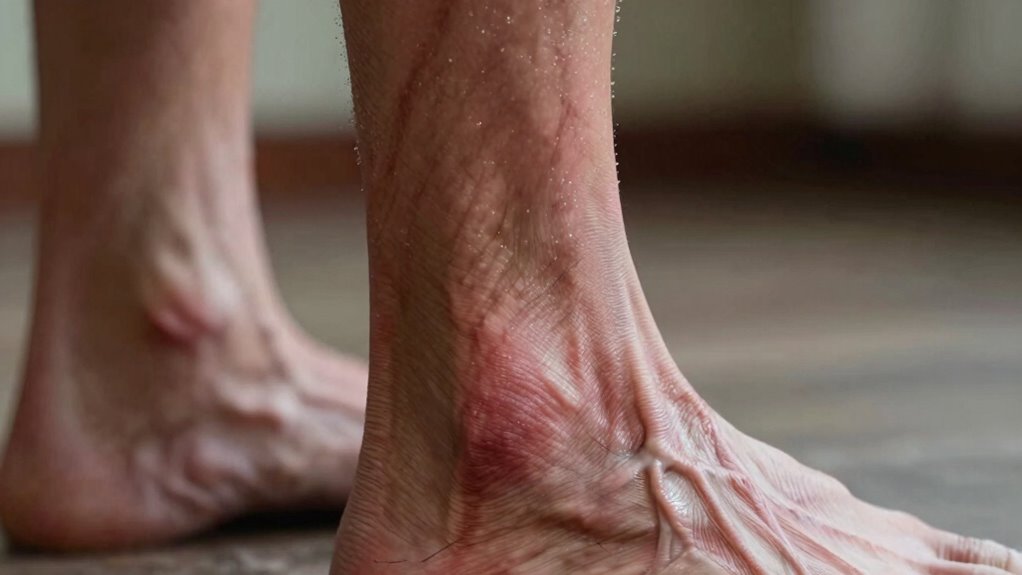

Normal muscle soreness, or DOMS, usually appears 24-48 hours after exercise, feels like dull, aching pain over broad areas, and improves with time and gentle recovery. Sharp, localized pain, swelling, bruising, or persistent discomfort beyond a week may signal an injury like a strain. Knowing how to distinguish these signs helps you stay safe and recover properly. Keep exploring to learn how to manage soreness and prevent injuries effectively.
Key Takeaways
- Normal muscle soreness (DOMS) peaks 24-72 hours after exercise and diminishes with proper recovery; sharp, localized pain may indicate injury.
- Gentle stretching, hydration, and active recovery help manage normal soreness, while persistent or worsening pain requires medical attention.
- Causes of soreness include tiny muscle tears and inflammation; proper warm-up, gradual intensity increase, and rest prevent injuries.
- Signs of injury include sharp pain during activity, swelling, bruising, weakness, or numbness, and pain lasting over a week.
- Rest and listening to your body are essential; pushing through severe pain can worsen injury, while mild soreness is normal.
Is Your Muscle Soreness Normal or a Sign of Injury?
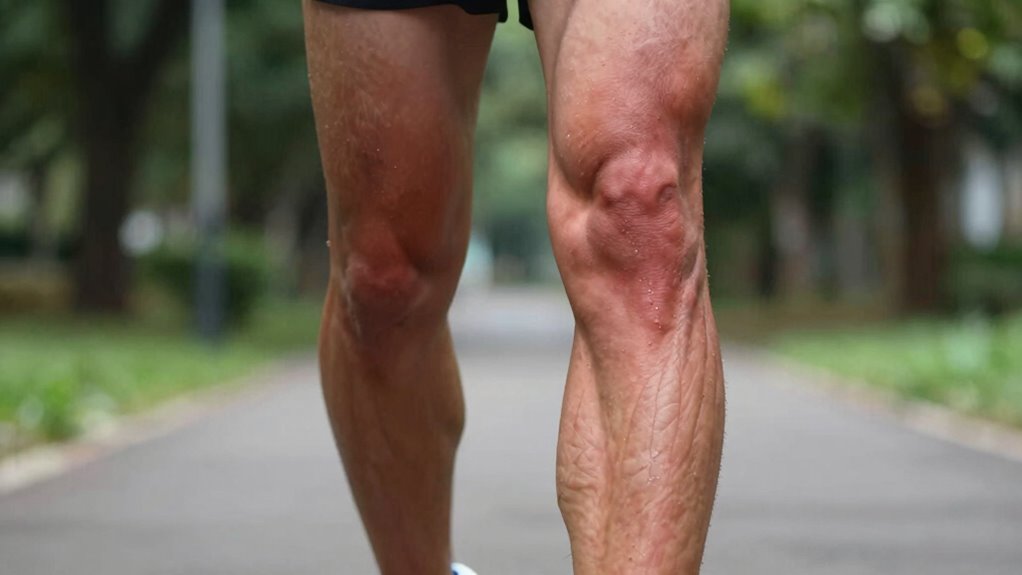
Muscle soreness after exercise is common, but it’s important to recognize when it’s a normal response or a sign of injury. Normal soreness usually appears a day or two after your workout and indicates your muscles are recovering and adapting. To support muscle recovery, focus on soreness management techniques like gentle stretching, staying hydrated, and getting enough rest. Pay attention to the intensity and duration of your soreness—if it gradually lessens, it’s likely part of the natural recovery process. Proper muscle recovery techniques and monitoring your symptoms can help you avoid setbacks and promote healthy soreness management, ensuring your muscles recover properly and stay strong. However, if soreness persists beyond a week, worsens, or is accompanied by swelling or sharp pain, you might be dealing with an injury. Recognizing signs of injury can help you take appropriate action and prevent further damage. Being aware of factors like inflammation and swelling can aid in differentiating between normal soreness and injury. Monitoring post-exercise symptoms closely can further assist in determining whether your soreness is a normal part of recovery or something requiring medical attention. Additionally, understanding the difference between normal muscle pain and injury-related pain can guide your recovery choices.
What Causes Muscle Soreness After Exercise?
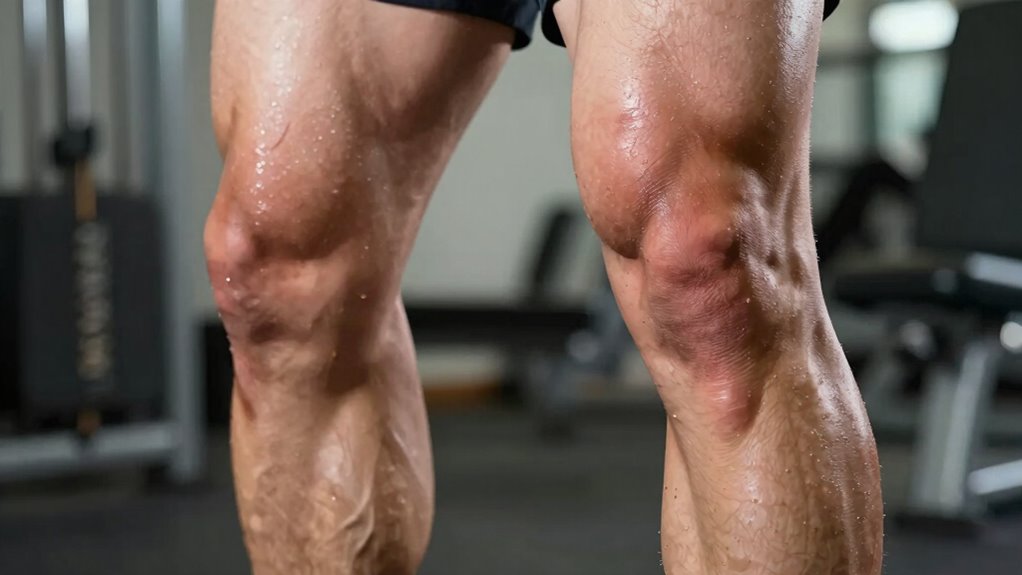
When you exercise intensely or try new workouts, tiny tears occur in your muscle fibers, which trigger soreness. These microscopic injuries signal your body to start the muscle recovery process, leading to inflammation and pain. Over time, this process promotes exercise adaptation, making your muscles stronger and more resilient. The soreness you feel is part of this natural cycle, as your body repairs and rebuilds damaged tissues. Proper muscle recovery is essential to minimize soreness and prevent injury, so giving your muscles time to heal is vital. Incorporating Muscle recovery techniques can help speed up this process and reduce discomfort. Additionally, understanding the importance of rest and recovery can optimize your healing process. Incorporating adequate rest and proper nutrition, such as protein intake, can also support effective recovery. Recognizing the role of inflammation management can further enhance your recovery strategy, especially since inflammation control is a key component of reducing post-exercise soreness.
How to Tell If Your Muscle Pain Is DOMS or an Injury?
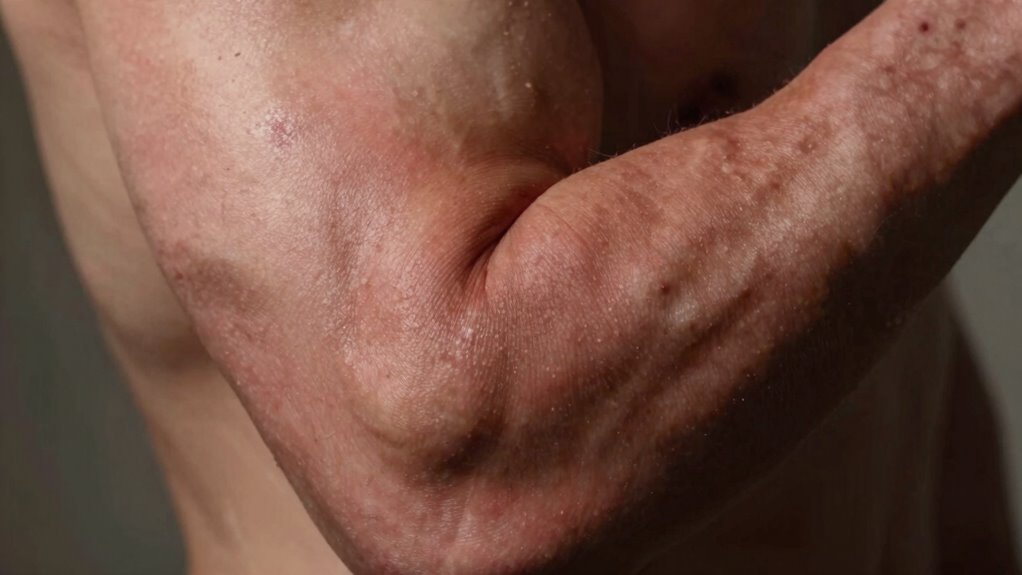
Pay attention to when your pain starts and how long it lasts—DOMS usually hits within 24-48 hours and fades in a few days. Notice where the pain is and how it feels; DOMS tends to be dull and aching, often in a broad area, while injuries may cause sharp, localized pain. Understanding these clues helps you tell if you’re dealing with normal soreness or something more serious. Incorporating protective gear such as motorcycle-style jackets can also help prevent injuries during your activities. Additionally, practicing proper body mechanics and alignment during exercise can reduce the risk of injury and support muscle recovery, especially when engaging in activities like landscaping or backyard projects that involve outdoor setups. Ensuring your equipment maintenance is up to date can also minimize the risk of accidents and injuries during physical activities. Paying attention to muscle recovery strategies can further aid in distinguishing between normal soreness and injury, helping you recover safely and effectively.
Pain Timing and Duration
Understanding the timing and duration of your muscle pain can help you determine whether it’s delayed onset muscle soreness (DOMS) or a more serious injury. Typically, DOMS peaks around 24-72 hours after exercise and gradually subsides as your muscle recovery progresses. If pain follows this soreness timeline, it’s likely normal muscle recovery. However, if pain appears immediately during activity, worsens over time, or persists beyond a week, it could signal an injury requiring attention.
Consider these key points:
- Feelings of stiffness and soreness peaking within 2-3 days are normal and part of the soreness timeline.
- Pain that lingers beyond a week suggests you need to rest and possibly seek medical advice.
- Sudden, sharp pain during activity might indicate structural damage.
- Being aware of muscle recovery can also help prevent skin irritation that might be mistaken for muscle discomfort. Additionally, understanding regional muscle groups can aid in identifying the specific causes of discomfort and proper recovery strategies.
Pain Characteristics and Location
Muscle pain can vary in how it feels and where it occurs, helping you distinguish between normal soreness and injury. With soreness location, normal muscle pain from DOMS tends to be diffuse, affecting a broad area and improving with gentle movement. The pain is usually dull, aching, and localized to muscles used during activity. In contrast, injury-related muscle pain often feels sharp, intense, and pinpointed, often occurring immediately after or during activity. It may be accompanied by swelling, bruising, or weakness. Pay attention to soreness location: widespread, evenly distributed soreness suggests normal recovery, while pain confined to a specific spot or muscle group could indicate injury. Recognizing these pain characteristics can help you decide whether to rest or seek medical advice. Additionally, using an air purifier with proper maintenance can help reduce airborne irritants that might exacerbate muscle pain caused by allergies or pollutants.
Signs That Indicate a Muscle Strain or Injury
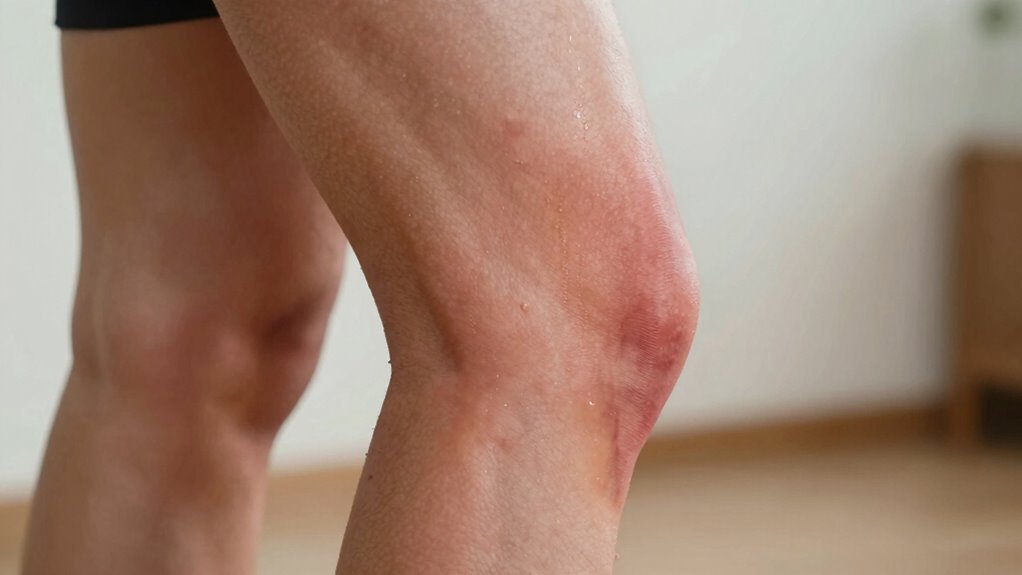
If you notice sudden pain or discomfort during physical activity, it could be a sign of a muscle strain or injury. Pay attention to these warning signs:
- Sharp, intense pain that worsens with movement, indicating a possible tear or overstretch.
- Swelling or bruising appearing quickly, which suggests tissue damage.
- Persistent pain after activity, often caused by muscle fatigue that’s leading to injury, making injury prevention vital. Incorporating proper training techniques can help reduce the risk of such injuries.
- Being aware of regional flavors and cultural influences in your training routine can help you incorporate proper recovery methods and prevent overexertion. Additionally, maintaining good home safety practices ensures your environment supports safe physical activity and injury prevention. Recognizing early warning signs of injury enables timely intervention and reduces the risk of long-term damage. Developing self-awareness about your body’s signals can also empower you to respond appropriately before injury occurs.
Ignoring these signs can worsen your injury and prolong recovery. Recognizing these early symptoms helps you take action before the problem worsens. Always listen to your body, and don’t push through pain—your muscles need proper care to avoid serious injury.
When to See a Doctor for Muscle Pain?
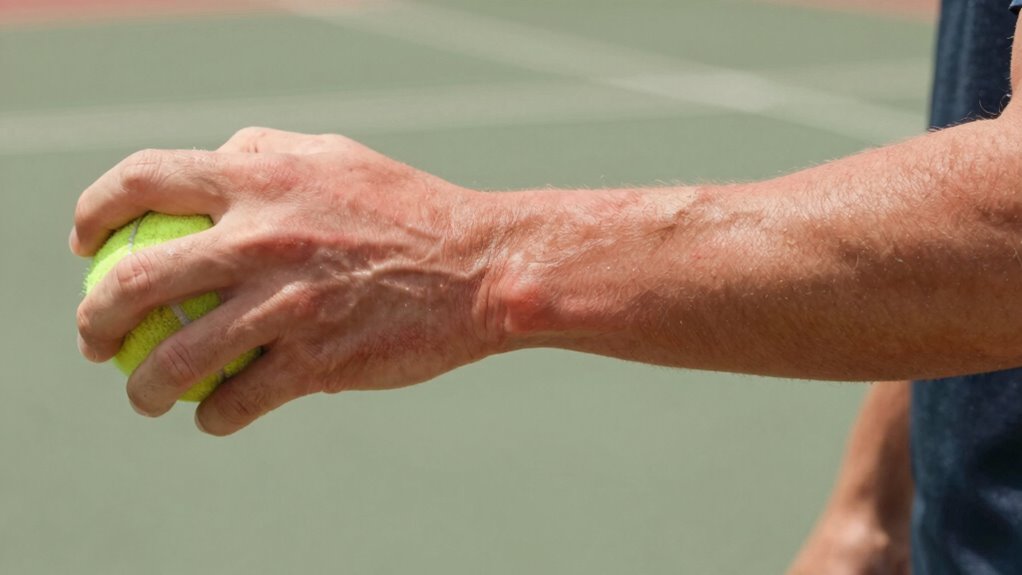
You should see a doctor for muscle pain when it persists for several days despite rest, or if the pain is severe and limits your ability to move or perform daily activities. This could signal that your muscle recovery isn’t progressing normally or that there’s an injury requiring professional treatment. If pain is intense or worsening, it may hinder effective pain management at home. Delaying medical attention can prolong discomfort and delay proper diagnosis, especially if there’s swelling, weakness, or numbness. A healthcare professional can evaluate your condition, recommend appropriate treatments, and help you develop a plan for effective pain management. Prompt care ensures your muscles heal correctly and reduces the risk of further injury. Additionally, being aware of the impact of cookies can help prevent injuries that lead to muscle pain.
How to Manage and Relieve Normal Muscle Soreness

When experiencing normal muscle soreness after exercise or physical activity, managing it effectively can help you recover faster and stay comfortable. To boost muscle recovery and ease discomfort, try these strategies:
- Stay Hydrated: Proper hydration supports muscle repair and reduces stiffness. Drink water consistently throughout the day.
- Active Recovery: Gentle movement, like walking or stretching, increases blood flow, speeding up muscle recovery and decreasing soreness.
- Use Cold or Warm Therapy: Applying ice packs reduces inflammation, while warm baths relax muscles and improve circulation.
These tips can help you manage soreness without overexerting yourself. Remember, listening to your body and keeping hydrated are key to recovering comfortably and preventing further discomfort.
Tips to Prevent Excessive Muscle Soreness in Future Workouts
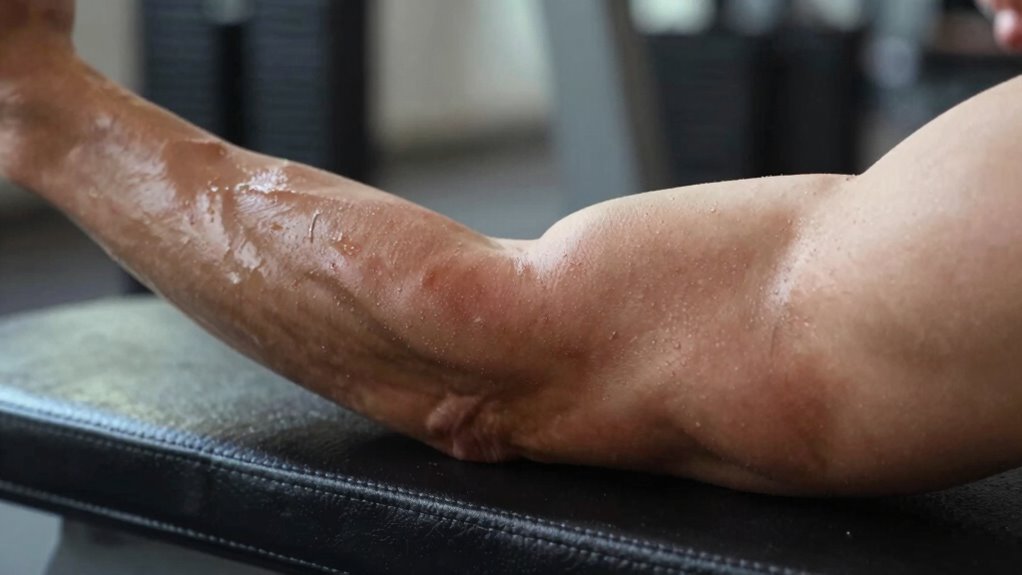
To avoid excessive soreness, start each workout with a proper warm-up to prepare your muscles. Make sure to increase the intensity gradually rather than jumping into intense sessions right away. Don’t forget to schedule rest days, giving your muscles time to recover and grow stronger.
Warm Up Properly
Warming up before exercise is essential to prepare your muscles and reduce the risk of excessive soreness afterward. It primes your body, increases blood flow, and loosens stiff muscles. To get it right:
- Incorporate dynamic stretching to activate your muscles and improve flexibility.
- Use foam rolling to release tight spots and enhance muscle readiness.
- Keep your warm-up brief but effective—aim for 5-10 minutes of movement that mimics your workout.
These steps help your muscles adapt gradually, making soreness less likely and performance better. By warming up properly, you set a solid foundation for a smoother, less painful workout experience. Remember, a good warm-up isn’t just about preventing soreness—it’s about taking care of your body.
Gradually Increase Intensity
After properly warming up, the next step to minimize soreness is gradually increasing the intensity of your workouts. This approach, known as progressive overload, helps your muscles adapt without overwhelming them. Instead of jumping into heavy weights or intense sessions right away, increase your workload in small, manageable steps. This steady progression allows your muscles, tendons, and ligaments to strengthen safely, reducing the risk of injury. By listening to your body and avoiding sudden spikes in intensity, you give your muscles time to recover and adapt. Consistent, gradual increases in workout intensity promote better performance and help prevent excessive soreness that can hinder your progress. Remember, patience and consistency are key to safe, effective training.
Incorporate Rest Days
Incorporating rest days into your workout routine is essential for preventing excessive muscle soreness and promoting recovery. Rest importance can’t be overstated; it allows your muscles to repair and strengthen. Skipping rest can lead to overtraining, increasing soreness and risking injury. To maximize muscle recovery and avoid burnout, consider these tips:
- Schedule at least one or two rest days each week to give your muscles time to heal.
- Use active recovery, like light stretching or walking, to keep blood flowing without overexerting.
- Listen to your body—if soreness persists, take extra rest to prevent setbacks.
Debunking Common Myths About Muscle Soreness
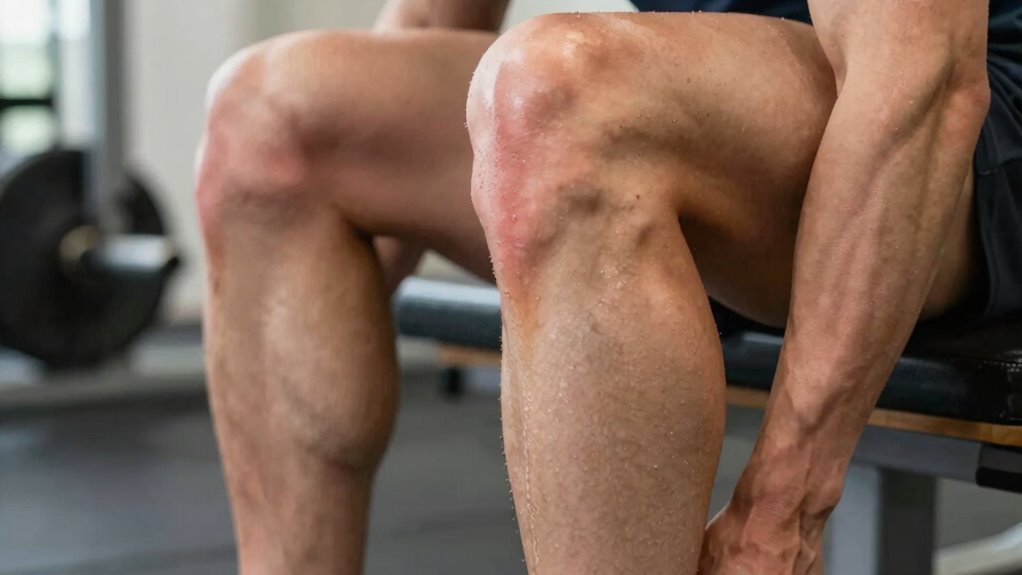
Many common beliefs about muscle soreness are actually myths. As you explore soreness facts, it’s essential to separate fact from fiction. Some think that pain always indicates injury, but mild soreness often signals normal recovery. Others believe you should always push through pain; however, ignoring severe soreness can lead to injury. To clarify, here are some myth busters:
| Myth | Fact | Advice |
|---|---|---|
| You must be sore to build muscle | Not true; progress can happen without pain | Focus on consistent training |
| Soreness means a good workout | Not necessarily; soreness isn’t a performance goal | Prioritize recovery strategies |
| Rest prolongs soreness | Active recovery helps reduce soreness | Listen to your body for optimal results |
Knowing When to Rest or Push Through Muscle Pain
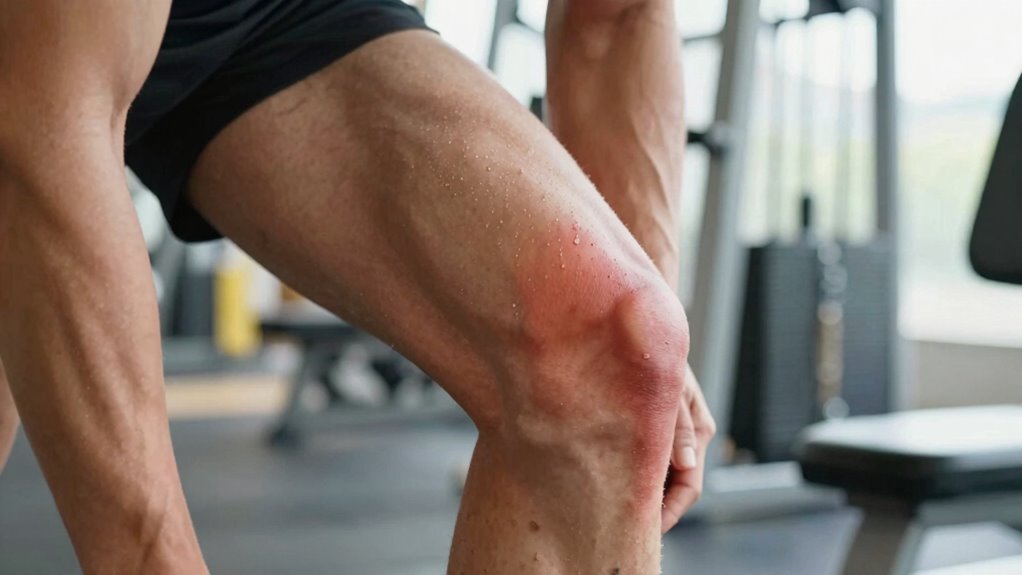
Understanding when to rest or push through muscle pain is crucial for effective training and injury prevention. Recognizing soreness triggers and muscle fatigue helps you make the right choice. If pain is sharp, persistent, or worsens with movement, it’s a sign to rest. Pushing through intense soreness from overexertion can lead to injury. Conversely, mild discomfort or delayed-onset muscle soreness (DOMS) often signals normal recovery.
Ask yourself these:
- Is the pain sharp or dull? Sharp pain needs rest.
- Has soreness been present for days? It’s likely soreness triggers from muscle fatigue.
- Does movement worsen the pain? If yes, take a break.
Listening to your body prevents setbacks and keeps your progress steady.
Frequently Asked Questions
Can Muscle Soreness Be a Sign of a Hidden Medical Condition?
Yes, muscle soreness can sometimes be a sign of a hidden medical condition. If your soreness is persistent, severe, or accompanied by other symptoms like swelling or weakness, it’s important to seek a medical diagnosis. These signs help determine the symptom significance and rule out underlying issues like infections or muscle disorders. Don’t overlook unusual soreness; prompt evaluation ensures you get the right treatment and peace of mind.
Do Certain Supplements Help Reduce Muscle Soreness Faster?
Supplements can act like fuel for your muscle recovery engine, but their efficacy varies. Some, like branched-chain amino acids or omega-3s, may help reduce soreness and speed recovery. However, not all supplements work equally for everyone. To get the best results, choose evidence-based options, stay consistent, and combine them with proper rest and nutrition. Remember, supplements support, but your body’s natural healing process is the main driver.
How Does Hydration Impact Muscle Recovery and Soreness?
Hydration plays a vital role in muscle recovery and soreness by maintaining electrolyte balance, which helps prevent muscle cramps. When you stay well-hydrated, your muscles function properly, reducing the risk of soreness and cramps caused by electrolyte imbalances. Proper hydration also flushes out toxins and supports nutrient delivery, speeding up recovery. So, drink enough water and replenish electrolytes after workouts to keep your muscles healthy and minimize soreness.
Are There Specific Exercises to Prevent Muscle Soreness?
Think of your muscles as a well-oiled machine—regularly maintained with specific exercises. Incorporate gentle stretching routines before and after workouts to improve flexibility and reduce soreness. Foam rolling helps release muscle tension and enhances recovery, making soreness less likely. By consistently including these practices, you create a proactive defense against muscle soreness, ensuring you stay active and pain-free. Remember, consistency is key to preventing discomfort and promoting overall muscle health.
Can Aging Increase the Risk of Severe Muscle Injuries?
Yes, aging can increase your risk of severe muscle injuries because muscle elasticity tends to decrease with age, making muscles less flexible and more prone to tears or strains. To improve injury prevention, incorporate regular stretching and strength training into your routine. Staying active helps maintain muscle elasticity, reducing injury risk as you age. Listen to your body, and don’t push through pain to avoid potential severe muscle injuries.
Conclusion
Think of muscle soreness like a roadmap—some bumps and bruises are just part of the journey, guiding you to stronger fitness. By understanding what’s normal and when to seek help, you can navigate your workout terrain safely. Listen to your body’s signals, rest when needed, and keep pushing forward thoughtfully. With the right care, you’ll turn those aches into stepping stones toward your goals, making every stride a confident march toward better health.