
If you’re under-recovering, you’ll notice persistent muscle soreness, fatigue, and mood swings that don’t improve with rest. You might struggle with focus, sleep disturbances, or decreased performance during workouts. Ignoring these signs can lead to overtraining, increased injury risk, and burnout. Recognizing these signals early helps you adjust your rest and training routines. Stay aware of your body’s responses, and you’ll discover effective ways to optimize recovery and keep progress moving forward.
Key Takeaways
- Persistent fatigue and muscle soreness despite rest indicate incomplete recovery and potential under-recovery.
- Mood swings, irritability, and difficulty concentrating are behavioral signs of inadequate recovery.
- Decreased performance, strength, and endurance signal your body isn’t fully recovered.
- Sleep disturbances and poor nutrition focus can hinder recovery, leading to ongoing fatigue.
- Ignoring signs like increased soreness and fatigue risks overtraining, injury, and stalled progress.
Why Rest Days Are Essential for Progress

Rest days are essential because they allow your muscles to recover and grow stronger. When you push yourself during workouts, muscle soreness can build up, signaling the need for recovery. Taking rest days helps reduce soreness and prevents injury. Proper hydration strategies are also critical during these periods; drinking enough water replenishes lost fluids, flushes out toxins, and supports muscle repair. Without adequate rest, your progress stalls, and overtraining can lead to fatigue or even setbacks. Rest isn’t laziness—it’s a necessary part of your fitness journey. Giving your body time to recover ensures your muscles repair properly, making you stronger and more resilient. Incorporating regular rest days with mindful hydration keeps your progress steady and helps you avoid burnout. Additionally, utilizing luxury recovery products such as premium massage devices or high-end foam rollers can enhance muscle relaxation and accelerate recovery.
How Can You Tell If You’re Not Fully Recovered?

After taking what should be sufficient rest, you might still feel fatigued or off during your workouts. This could be a sign you’re not fully recovered. Pay attention to your nutrition focus—if you’re missing essential nutrients or not fueling properly, recovery stalls. Likewise, hydration strategies are vital; if you’re dehydrated, your energy levels and muscle function suffer. Feeling persistently sluggish, experiencing soreness that doesn’t fade, or noticing decreased performance despite rest are clear indicators. Keep track of how you feel during workouts, and listen to your body’s signals. If recovery isn’t complete, adjusting your nutrition focus and hydration strategies can help speed up the process. Recognizing these signs early allows you to make necessary changes and prevent overtraining. Additionally, incorporating smart home technology such as fitness monitoring devices can provide real-time feedback on your recovery status, helping you optimize your routine more effectively. Monitoring recovery metrics can offer valuable insights into your body’s readiness and assist in tailoring your recovery strategies more precisely. Being aware of recovery indicators can also help you prevent injury and improve overall performance. Paying close attention to signs of overtraining can further support your recovery process and ensure sustainable progress. Integrating proper rest techniques can also significantly enhance your recovery and overall workout effectiveness.
Physical and Behavioral Signs of Under-Recovery

When your body isn’t fully recovered, you might notice clear physical and behavioral signs that indicate fatigue is building up. Persistent muscle soreness that doesn’t improve with rest signals your muscles aren’t recovering properly. You may also experience mood swings, irritability, or difficulty concentrating, which reflect underlying hormonal imbalances caused by inadequate recovery. Sleep disturbances, like trouble falling asleep or waking up feeling unrefreshed, are common behavioral signs. Additionally, you might feel more fatigued during workouts or daily activities, despite not increasing your workload. These signs suggest your recovery process is lagging, and without addressing them, you risk further setbacks. Paying close attention to these cues helps you adjust your rest and training, ensuring you give your body the proper time to heal and regain strength. Incorporating proper rest strategies can significantly improve your recovery process and prevent overtraining. Recognizing physical and behavioral signs of under-recovery enables you to optimize your training and recovery plan effectively, especially considering the importance of training history in recovery.
How Overtraining Affects Your Body and Performance

When you overtrain, your risk of injury goes up because your body doesn’t have enough time to recover. You’ll also notice a drop in your performance levels, making progress harder to achieve. Recognizing these signs early can help you avoid long-term setbacks. Incorporating recovery strategies is essential for maintaining optimal performance and preventing burnout. Additionally, understanding muscle repair processes can help you tailor your rest periods more effectively. Paying attention to training intensity can also prevent overtraining by ensuring your workouts are balanced and appropriate for your recovery capacity. Being aware of your body’s signals can further help you adjust your training and recovery routines promptly, especially considering how water-based activities like aquatic exercise can facilitate gentle recovery without overexertion.
Elevated Injury Risk
Overtraining can considerably increase your risk of injury by pushing your body beyond its limits. When you’re overworked, your muscles remain sore longer, reducing stability and increasing the chance of strains or tears. Dehydration worsens this risk, as inadequate hydration impairs muscle function and recovery. Without proper hydration strategies, your body can’t efficiently repair tissues, making injuries more likely. Additionally, persistent muscle soreness may mask early warning signs of injury, leading you to ignore pain and push through. Proper hydration is essential for optimal tissue repair and muscle recovery, reducing injury risk. Overtraining also hampers coordination and proprioception, raising the chances of missteps and falls. Rest and recovery are critical components of any training program to prevent overuse injuries and ensure long-term progress. Recognizing the importance of training balance helps prevent overtraining and promotes sustainable performance. To minimize injury risk, listen to your body’s signals, prioritize rest, and incorporate effective hydration strategies into your routine. Maintaining balance is essential for safe progress and long-term performance.
Decreased Performance Levels
Overtraining can lead to noticeable declines in your performance, as your body struggles to recover from the excessive fatigue and stress. You might notice increased muscle soreness that lingers longer than usual, and your usual strength or endurance may drop. This happens because your body isn’t fully recovered, impairing muscle repair and energy levels. To combat this, focus on hydration strategies that replenish lost fluids and support recovery. Proper hydration helps reduce muscle soreness and keeps your performance steady. Ignoring these signs can lead to a downward spiral, where your workouts become less effective and fatigue worsens. Recognizing decreased performance levels early allows you to adjust your training and prioritize recovery, ultimately helping you bounce back stronger and avoid long-term setbacks. Additionally, incorporating rest days into your routine is essential for optimal recovery and performance. Being aware of signs of overtraining can help you identify when your body needs more time to recover, as understanding the importance of proper recovery techniques is key to maintaining long-term progress. Incorporating balanced training can help prevent overtraining and promote steady improvements. Moreover, understanding the role of adaptive responses in training can help you tailor your routine to avoid burnout and promote sustainable growth.
How Sleep and Nutrition Help You Recover Faster

Getting enough sleep and proper nutrition are essential for speeding up your recovery process. Good sleep hygiene ensures quality rest, allowing your body to repair tissues and replenish energy. Prioritize consistent sleep schedules and minimize disturbances. Nutritional timing is equally important; consuming protein and carbs post-workout fuels muscle repair and glycogen replenishment. Focus on nutrient-dense foods that support recovery, such as lean proteins, healthy fats, and complex carbs. These habits reduce inflammation and prevent under-recovery. To optimize your efforts:
- Maintain a consistent sleep routine
- Limit screen time before bed
- Time your meals around training sessions
- Include antioxidants and anti-inflammatory foods
- Incorporate recovery-focused products to enhance your process, drawing on traditional practices that emphasize natural remedies and preventive health measures.
Combining sleep hygiene with strategic nutritional timing accelerates recovery, helping you bounce back faster and perform at your best.
Common Mistakes That Lead to Under-Recovery
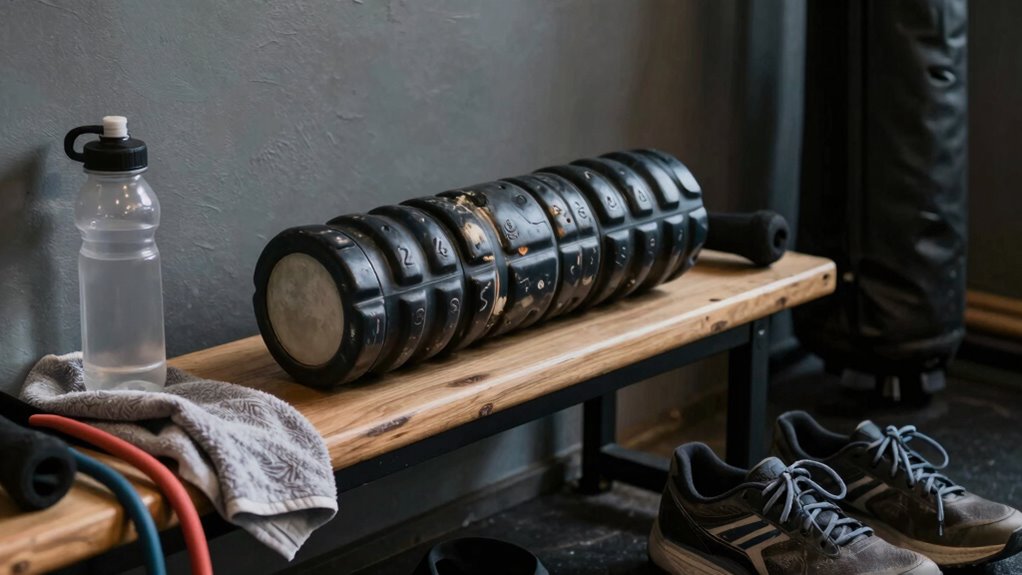
Neglecting common mistakes in your recovery routine can undermine the benefits of good sleep and proper nutrition. One major recovery misconception is believing overtraining myths—that pushing yourself harder always leads to better results. In reality, overtraining can increase fatigue and delay recovery. Many people also fall for recovery misconceptions, such as thinking rest is a sign of weakness or that supplements alone can compensate for inadequate sleep and nutrition. Ignoring these errors can lead to persistent fatigue, increased injury risk, and stalled progress. To avoid these pitfalls, listen to your body, prioritize rest days, and challenge the misconceptions that recovery is lazy or unnecessary. Recognizing and addressing these mistakes is crucial for effective recovery and long-term performance.
How to Adjust Your Workout Schedule for Better Recovery

To improve your recovery, consider adjusting your rest days strategically, giving your body enough time to repair. Incorporate active recovery sessions like light walking or stretching to stay active without overloading your muscles. These tweaks can help you rebalance your workout schedule and promote better overall recovery.
Adjust Rest Days Strategically
Adjusting your rest days is essential for optimizing recovery and preventing overtraining. By incorporating deliberate rest and thoughtful recovery planning, you guarantee your body has enough time to repair and strengthen. Pay attention to signs of fatigue, soreness, or decreased performance, and adapt your schedule accordingly. Consider these strategies:
- Vary rest days based on workout intensity and volume
- Incorporate extra rest after especially demanding sessions
- Schedule periodic deload weeks for mental and physical recovery
- Listen to your body’s signals rather than sticking rigidly to a plan
Strategic rest days help you avoid burnout and improve long-term progress. Remember, recovery isn’t passive; it’s an active component of your fitness journey. Adjust your schedule intelligently to optimize gains and support overall well-being.
Incorporate Active Recovery Sessions
Incorporating active recovery sessions into your workout schedule can considerably enhance your body’s ability to recover without sacrificing progress. Active recovery involves light, low-intensity exercises that promote circulation and help reduce muscle soreness, making recovery techniques more effective. Instead of complete rest days, add activities like walking, gentle cycling, or yoga on rest days. These sessions keep your body moving without overtaxing your muscles, speeding up the repair process. By integrating active recovery, you prevent stagnation and avoid under-recovery, which can lead to fatigue and injury. Listening to your body and scheduling these sessions strategically ensures you’re promoting ideal recovery while maintaining consistency in your training. Active recovery is a simple yet powerful way to support your fitness goals.
Tools and Indicators to Track Your Recovery

Monitoring your recovery effectively requires the right tools and indicators to provide clear, real-time insights. Tracking recovery metrics helps you understand whether your body is truly healing or still under-recovering. To optimize progress tracking, consider using the following tools:
- Heart rate variability (HRV) monitors to assess autonomic nervous system balance
- Resting heart rate (RHR) measurements for early signs of fatigue
- Sleep trackers to evaluate sleep quality and duration
- Subjective wellness scales to gauge perceived recovery and stress levels
These tools enable you to identify patterns and adjust your training accordingly. By focusing on recovery metrics, you gain a clearer picture of your body’s readiness, preventing overtraining and ensuring balanced progress. Consistent tracking helps you stay aligned with your recovery goals effectively.
Rest vs. Lazy Recovery: What’s the Difference?
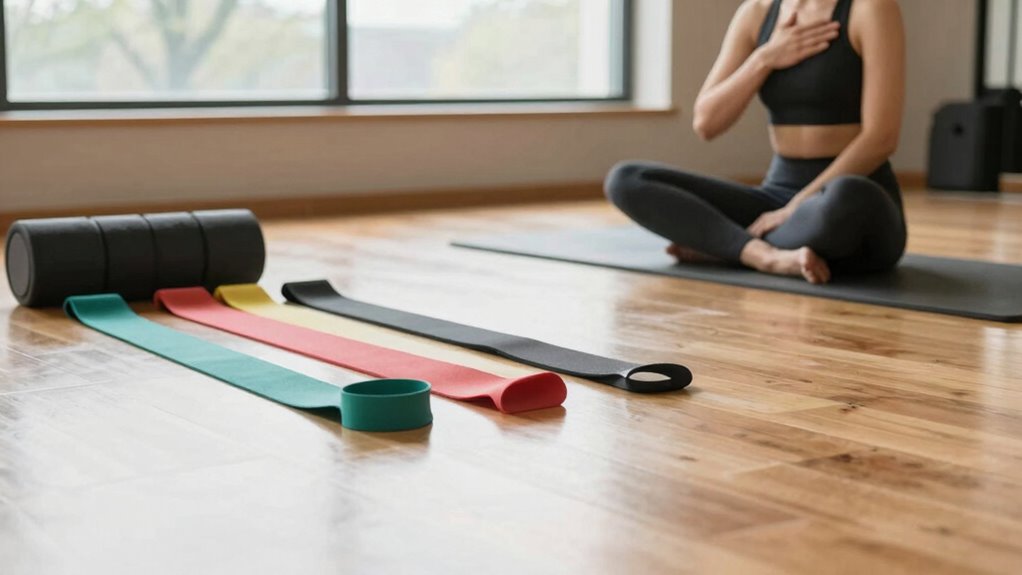
Rest is intentional and helps your body and mind recover effectively, while lazy recovery often means avoiding active efforts to heal. You need a mental and physical reset to truly bounce back, not just passively wait for recovery to happen. Recognizing the difference can make all the difference in your overall progress.
Restorative Practices Differ Significantly
Restorative practices vary greatly depending on whether you’re aiming for genuine recovery or simply going through the motions. True recovery involves intentional actions that support your body’s healing, such as prioritizing sleep hygiene and hydration strategies. Lazy recovery, on the other hand, might look like passive rest without addressing underlying needs or optimizing conditions.
Effective restorative practices include:
- Maintaining consistent sleep schedules to enhance sleep quality
- Staying properly hydrated to facilitate muscle repair and energy restoration
- Incorporating gentle movement or stretching to promote circulation
- Creating a calming environment that minimizes stress and distractions
Mental and Physical Reset Needed
When you’re recovering from physical activity, a mental and physical reset is vital to distinguish genuine progress from lazy recovery. Taking time for mindfulness techniques helps clear your mind and regain mental clarity, which is essential for optimal recovery. Engaging in activities like meditation or deep breathing calms your nervous system and reduces stress, allowing your body to repair more effectively. A true reset involves more than just rest; it’s about resetting your mental state to stay focused and motivated. Without this, you risk mistaking inactivity for recovery when, in reality, your body and mind need revitalization. Prioritizing mental and physical resets ensures you’re not just avoiding effort but actively supporting your body’s natural healing processes and overall progress.
How to Speed Up Recovery and Avoid Burnout

To speed up recovery and prevent burnout, you need to incorporate strategic practices that support your body’s natural healing processes. Prioritize mindfulness techniques to center your mind and reduce stress, which can hinder recovery. Stay consistent with hydration strategies by drinking enough water and electrolytes to optimize cellular repair and energy levels. Incorporate adequate rest periods into your routine, allowing your body to fully recover. Additionally, consider active recovery methods like gentle stretching or walking to enhance circulation and reduce stiffness.
Support recovery through mindfulness, hydration, rest, and gentle activity to prevent burnout and promote healing.
- Practice mindfulness techniques daily to improve mental resilience
- Maintain hydration strategies to support cellular functions
- Schedule regular rest and active recovery sessions
- Incorporate stress management practices for overall well-being
Frequently Asked Questions
Can Mental Stress Impact Physical Recovery?
Mental stress can considerably impact your physical recovery by increasing mental fatigue and hindering your body’s ability to repair itself. When you’re stressed, your cortisol levels rise, which can slow down muscle recovery and immune function. To support ideal recovery, prioritize stress management techniques like mindfulness or deep breathing. Managing mental stress allows your body to focus energy on healing, reducing the risk of overtraining and promoting overall well-being.
How Does Hydration Influence Recovery Speed?
Think of your body as a car engine; hydration is the oil that keeps it running smoothly. When you’re well-hydrated, your electrolyte balance stays steady, helping cells repair quicker. Proper water intake reduces water retention and flushes toxins, speeding your recovery. If you neglect hydration, your recovery slows down, and you risk feeling sluggish. Stay consistent with water, and your body will thank you with faster healing.
Are Supplements Effective for Speeding up Recovery?
Supplements can be effective for speeding up recovery when you consider supplement efficacy and nutrient timing. You’ll see better results if you choose supplements backed by research and take them at ideal times, such as post-workout, to maximize nutrient absorption. However, they shouldn’t replace a balanced diet. Use supplements strategically, focusing on quality and timing, to support your recovery process and avoid under-recovering.
What Role Does Stretching Play in Recovery?
Stretching plays a key role in recovery, offering benefits like improved flexibility and reduced muscle soreness. Did you know that regular stretching can decrease injury risk by up to 50%? By incorporating stretching benefits into your routine, you support your muscles’ recovery process and prevent injuries. Consistent stretching promotes better circulation and muscle relaxation, which are essential for a quicker recovery and overall athletic performance.
How Do Age and Gender Affect Recovery Needs?
Age considerations and gender differences considerably influence your recovery needs. As you age, your body heals more slowly, requiring longer rest periods and tailored workouts to prevent injury. Gender differences affect hormone levels and muscle recovery times; women may need more recovery time post-exercise due to hormonal fluctuations. Recognizing these factors helps you customize your recovery strategies, ensuring ideal results and reducing the risk of overtraining or injury.
Conclusion
Remember, skipping rest isn’t a badge of honor—it’s just your body begging for a timeout. Ignoring signs of under-recovery might boost your ego, but it’ll also tank your progress faster than you can say “overtraining.” So, embrace those rest days, fuel your body right, and stop pretending that pushing through pain is a sign of dedication. After all, even superheroes need a break—trust us, you’re no different.