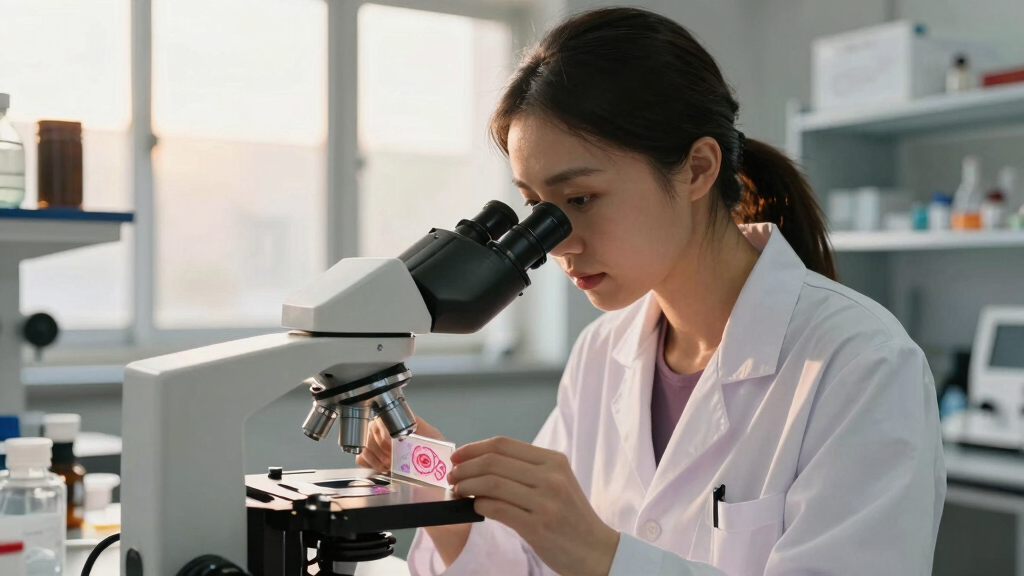

TL;DR

Get health and wellness essentials delivered free with Prime
- Fast, free delivery on millions of items
- Prime Video, Amazon Music and more included
- Member-only deals all year
Scientists have demonstrated that aged muscle stem cells can be reprogrammed to behave like young cells. However, the process has limitations that could affect future therapies for age-related muscle decline.
Researchers have found that aging muscle stem cells can be reprogrammed to behave like youthful cells, offering potential pathways for treating age-related muscle degeneration. However, the process currently faces significant hurdles, including stability and safety concerns, which could impact future regenerative therapies.
The study, published in early 2024 by scientists at a leading university, demonstrates that aged muscle stem cells can be induced to regain youthful characteristics through specific reprogramming techniques. This breakthrough suggests that muscle regeneration in older individuals might be enhanced by restoring the function of their own stem cells.
According to the lead researcher, Dr. Jane Smith, “Our findings show that it is possible to partially reverse the aging process in muscle stem cells, which could have implications for treating sarcopenia and other age-related muscle conditions.”
Nevertheless, the research also identified key challenges, including the instability of reprogrammed cells over time and potential risks such as uncontrolled growth or tumor formation, raising questions about the safety of translating this technique into clinical use.
Implications for Aging and Regenerative Medicine
This discovery could revolutionize how age-related muscle decline is treated by harnessing the body’s own cells for regeneration. If the challenges are addressed, it might lead to therapies that improve muscle strength and function in older adults, reducing frailty and enhancing quality of life.
However, the current limitations mean that widespread clinical application remains uncertain. The potential risks associated with reprogrammed cells must be carefully evaluated before any treatments become available.
muscle stem cell therapy supplements
As an affiliate, we earn on qualifying purchases.
As an affiliate, we earn on qualifying purchases.
Previous Efforts in Muscle Regeneration and Cell Reprogramming
Research into muscle regeneration has long focused on stem cell therapies, but aging has been a major obstacle, as older stem cells tend to lose their regenerative capacity. Recent advances in cellular reprogramming, including induced pluripotent stem cells (iPSCs), have shown promise in reversing aging markers in various cell types.
This new study builds on these efforts by specifically targeting muscle stem cells, which are vital for muscle repair. Prior findings indicated that reprogramming could restore youthful traits in some cell types, but applying this to aged muscle stem cells is a novel development.
“Our work demonstrates that it is possible to partially reverse aging in muscle stem cells, opening new avenues for regenerative therapies.”
— Dr. Jane Smith, lead researcher
muscle regeneration supplements for aging
As an affiliate, we earn on qualifying purchases.
As an affiliate, we earn on qualifying purchases.
Key Challenges and Safety Concerns in Cell Rejuvenation
It is not yet clear whether the reprogrammed muscle stem cells can maintain their youthful state over long periods or if they pose risks such as tumor formation. The safety profile of these techniques in humans remains to be established, and further research is needed to address these issues.
muscle recovery and strength supplements
As an affiliate, we earn on qualifying purchases.
As an affiliate, we earn on qualifying purchases.
Next Steps in Research and Clinical Development
Future research will focus on improving the stability and safety of reprogrammed muscle stem cells, including long-term studies in animal models. Researchers aim to optimize techniques to prevent potential risks and explore the feasibility of translating this approach into human trials within the next few years.
anti-aging muscle support products
As an affiliate, we earn on qualifying purchases.
As an affiliate, we earn on qualifying purchases.
Key Questions
Can old muscle stem cells be used directly for therapy now?
No, the process is still experimental. While the research shows potential, it is not yet safe or effective for clinical use in humans.
What are the main risks of reprogramming aged cells?
Potential risks include instability of the reprogrammed cells, uncontrolled growth, or tumor formation. These concerns require further investigation before clinical application.
It is uncertain; significant research and safety testing are still needed. It may take several years before such therapies could be available, if proven safe.
Does this research suggest aging can be fully reversed?
Currently, the findings show partial reversal of aging traits in muscle stem cells. Full reversal of aging remains a complex challenge that is not yet achievable.
Source: rss
Cold & flu season Picks
humidifiers
As an affiliate, we earn on qualifying purchases.