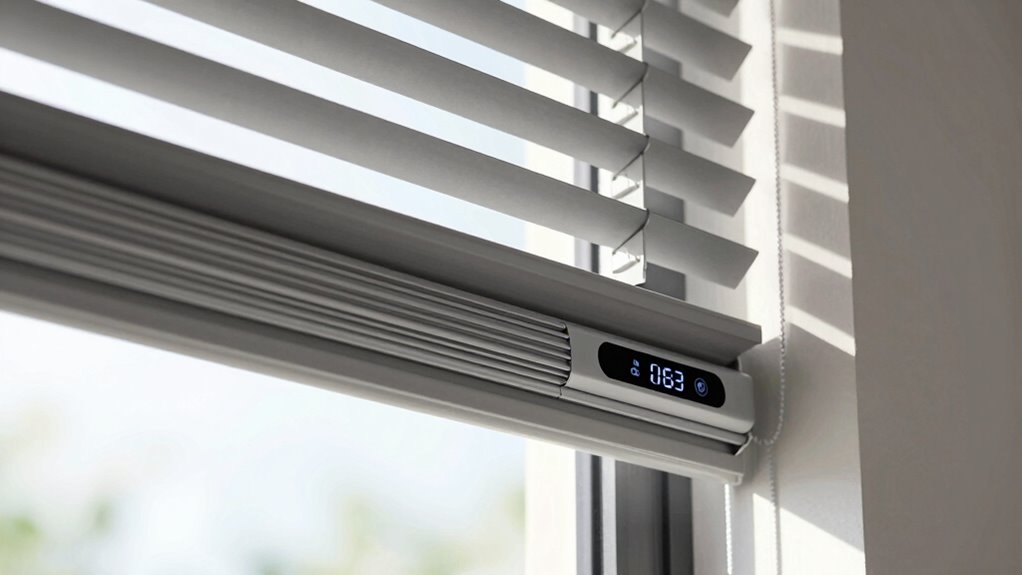

To measure your smart blinds correctly, start by gathering a tape measure, pencil, and level. Measure width at the top, middle, and bottom of the window frame, noting the narrowest size. Do the same for height, from the top to the sill or desired length. Use a level and square for accuracy, and double-check your measurements. Properly measuring guarantees your blinds fit perfectly and operate smoothly; keep going to learn more about getting it just right.
Key Takeaways
- Measure width at top, middle, and bottom, recording the narrowest to ensure a perfect fit.
- Use a level and square to verify window frame alignment before measuring.
- Record all measurements in inches, noting any irregularities or obstructions.
- Decide between inside or outside mount based on window features and aesthetic preferences.
- Double-check measurements multiple times to prevent sizing errors before ordering smart blinds.
Why Accurate Window Measurements Matter for Smart Blinds
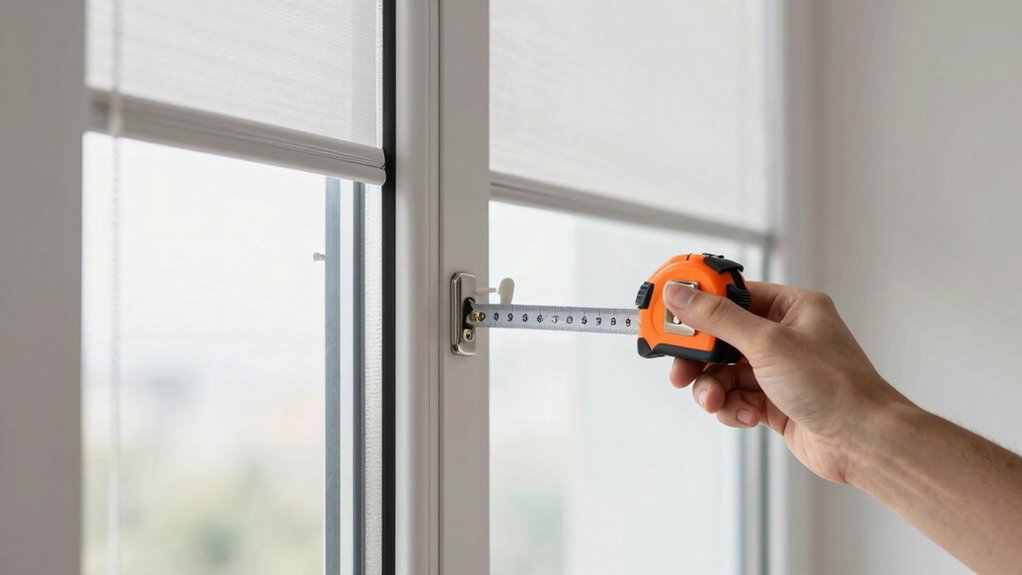
Accurate window measurements are essential for guaranteeing your smart blinds fit perfectly and function smoothly. When you measure correctly, you can optimize window privacy and sunlight control, two key benefits of smart blinds. Proper sizing prevents gaps that could compromise privacy or let unwanted light in. Ill-fitting blinds may also strain motors or cause malfunction, reducing their lifespan. By getting precise measurements, you ensure your smart blinds operate as intended, allowing you to easily adjust light levels and protect your privacy. Accurate measurements help you avoid costly returns or adjustments later. Additionally, precise measurement techniques are vital for achieving the best fit and performance. Ultimately, taking the time to measure correctly guarantees your smart blinds provide seamless, reliable performance while enhancing your comfort and security.
How to Measure Your Windows Correctly (With Step-by-Step Instructions)
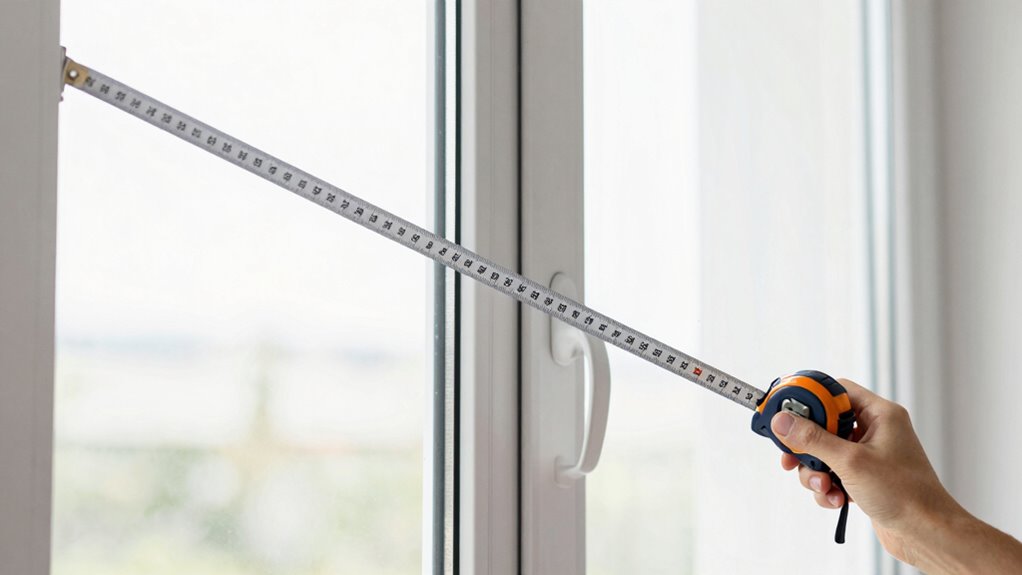
To measure your windows accurately, start by gathering the right tools like a tape measure and a pencil. Next, measure the width and height of each window, noting down your results carefully. Following these steps guarantees your smart blinds will fit perfectly and function smoothly. Additionally, understanding the proper fit for window coverings ensures optimal performance and aesthetics, making it essential to measure precisely before ordering. Remember that mount leveling kits can also help achieve a perfect fit if your window frames are uneven. Properly measuring also helps prevent issues such as irritation or improper fit, ensuring a seamless installation process. Moreover, considering the contrast ratio of your window coverings can improve their effectiveness in different lighting conditions.
Gather Necessary Tools
Are you ready to measure your windows correctly for smart blinds? The first step is gathering the right measuring tools to guarantee measurement accuracy. You’ll need a reliable tape measure—preferably a metal one for precision—and a pencil to make light marks if needed. A step ladder might be necessary for taller windows, so have one on hand. Avoid using a cloth or cloth-covered tape measure, as they can stretch and skew results. Double-check that your tape measure is free of damage or wear, ensuring it provides accurate readings. Having the right tools ready before you start saves time and helps you get precise measurements, reducing the risk of ordering blinds that don’t fit. Proper preparation is key to a perfect fit.
Measure Window Widths
Before measuring your window width, make sure your tape measure is properly positioned. For accurate measuring accuracy, extend the tape firmly across the window opening, not the trim or molding. Measure at three points: top, middle, and bottom of the window frame, as frames can be uneven due to different window frame types. Use the narrowest measurement to ensure your smart blinds will fit properly. Avoid pulling the tape too tight or leaving it too loose, as both can distort your measurements. If your window has trim or molding, decide whether you’ll mount the blinds inside the frame or outside, as this affects your measurement approach. Precise width measurements help you avoid ordering blinds that are too small or too large, ensuring a perfect fit.
Measure Window Heights
Measuring your window height accurately is essential for ensuring your smart blinds fit perfectly and operate smoothly. To get the right blind length, start by using a tape measure. Measure from the top of the window frame or molding down to the windowsill or desired length. For precise results, take multiple measurements at different points and record the shortest one. Keep the tape straight and avoid sagging. This careful process ensures your chosen blinds will match your window height perfectly. Remember, a proper measurement prevents gaps and ensures smooth operation. Here’s a quick overview to keep you motivated:
| Step | Action | Result |
|---|---|---|
| Measure from top | From window top to desired length | Accurate window height measurement |
| Use a level | Keep tape straight | Precise blind length |
| Record shortest value | Double-check your measurement | Perfect fit for your smart blinds |
| Confirm with a second measurement | Ensure consistency | Confident, accurate sizing |
Additionally, understanding regional flavors can help you choose the most suitable blinds for your space.
What Tools Do You Need to Measure Your Windows?
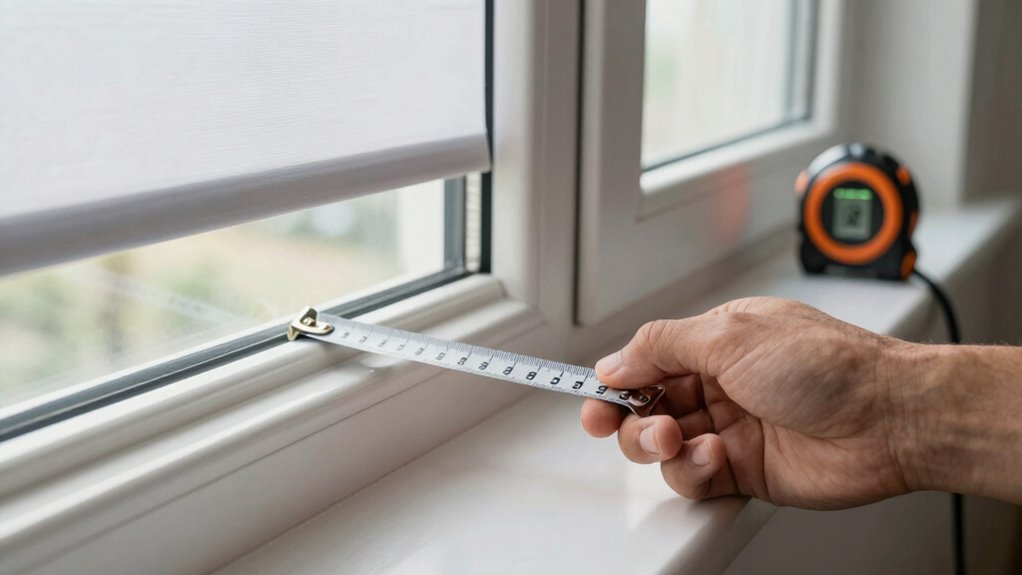
To gauge your windows accurately, you’ll need a reliable measuring tape to get precise dimensions. A level and square help guarantee your measurements are straight and true, especially for mounting. Don’t forget to note details like window depth and frame type, which can impact your smart blind installation. Additionally, essential DIY tools and safety tips can ensure your measurement process is both safe and effective. Incorporating knowledge of sound healing science can also help you stay relaxed and focused during your measurements, making the process smoother. Using mindful breathing techniques during your measurement session can help maintain your focus and reduce errors. Moreover, understanding existential themes can inspire a mindful approach to your project, ensuring thoughtful and intentional choices. Additionally, utilizing natural landscapes as inspiration can also assist in visualizing how your smart blinds will complement your outdoor environment.
Measuring Tape Essentials
A reliable measuring tape is essential for accurately determining your window dimensions when installing smart blinds. To ensure precise measurements, prioritize measuring tape safety and proper tape handling. Always keep the tape straight and avoid stretching it too tightly, which can lead to inaccuracies. When extending the tape, make sure it stays flat against the surface without twisting or kinking. Handle the tape carefully to prevent injuries from the metal or plastic edges. Keep the tape lock secure so it doesn’t retract unexpectedly. Using a quality tape with clear markings helps you read measurements accurately. Remember, a well-maintained tape not only improves accuracy but also prolongs its lifespan. By mastering proper tape handling, you’ll measure confidently and avoid costly sizing mistakes.
Level and Square Use
Using a level and square guarantees your measurements are precise and your window frames are perfectly aligned. A level helps you ensure your window sill and frame are straight, avoiding crooked blinds. The square is essential for checking right angles, especially when framing considerations are involved. When measuring for smart blinds, accuracy is key, and these tools help prevent mistakes caused by uneven or warped frames. Place the level along the top and sides of your window to confirm they’re plumb and level. Use the square to verify that corners form perfect 90-degree angles. Incorporating these tools into your process minimizes errors, ensuring your blinds fit snugly and function properly. Properly aligned frames also improve the overall appearance and longevity of your window treatments. Using these tools correctly also reduces the risk of measurement errors that could lead to purchasing the wrong size blinds. Mastering measurement techniques ensures you get the best fit and performance from your smart blinds. Additionally, understanding the importance of accurate measurements helps you make informed decisions and avoid costly mistakes. Paying close attention to precision techniques during measurement is essential for achieving optimal results. Recognizing the role of proper tools in the measurement process further enhances accuracy and confidence in your measurements.
Noting Window Details
Ever wondered what tools you’ll need to accurately measure your windows for smart blinds? You’ll want a tape measure to get precise dimensions of your window frame. Use it to record the width and height, noting any irregularities or obstructions. Don’t forget to measure the glass thickness, especially if your blinds will mount inside the frame, so you select the right hardware. A ruler or caliper can help measure glass thickness if it’s not standard. Keep a notepad handy to jot down measurements and details like window shape or any unique features. Accurate measurements are crucial to ensure your smart blinds fit perfectly, whether you’re measuring the window frame or the glass itself, reducing the risk of ordering the wrong size. For the best results, consider using the right type of measuring tools to ensure your measurements are as accurate as possible. Being aware of measurement accuracy can help prevent errors that might lead to additional costs or delays.
Should You Choose Inside or Outside Mount Blinds?
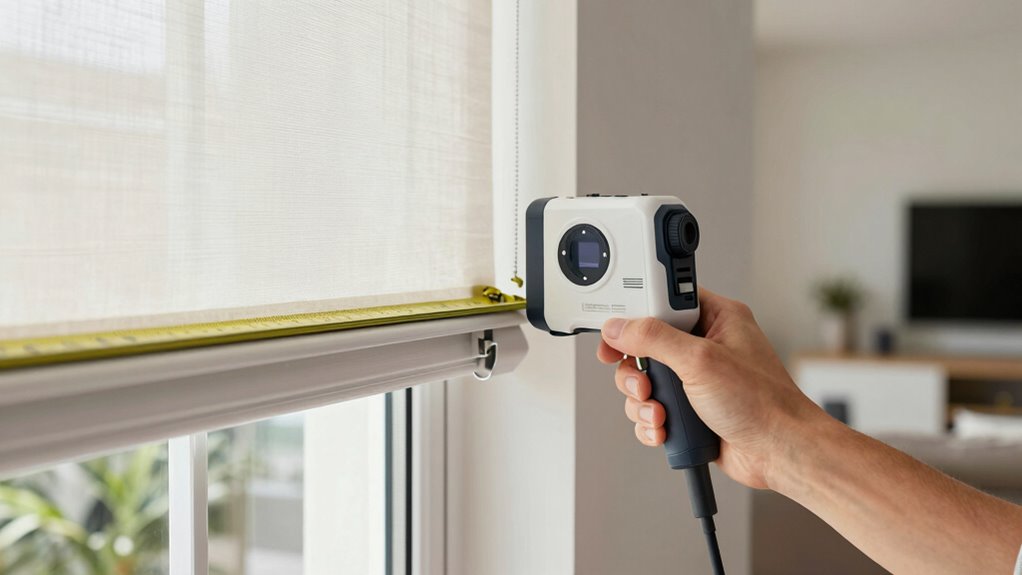
Deciding between inside and outside mount blinds depends on your style preferences and the specific features of your windows. If you prefer a sleek, minimal look, inside mounts showcase the window frame and require precise measurements for fabric selection. They also offer a cleaner appearance, especially with trim or molding. Outside mounts, on the other hand, can make windows appear larger and are more forgiving with measurement inaccuracies. They provide more mounting options, especially if your window frame is shallow or uneven. Consider your aesthetic goals and the flexibility of your mounting options when choosing. Keep in mind that inside mounts demand careful measurement for a perfect fit, while outside mounts offer more room for error and can enhance privacy or light control. Additionally, understanding cryptid mysteries and folklore can add a fun element to home decor themes, inspiring unique design choices. When selecting blinds, it’s also helpful to be aware of measuring accuracy to ensure a seamless fit and optimal function. Recognizing the importance of AI ethics can also influence how you incorporate smart home features into your space. Moreover, taking into account the environmental considerations of your area can help you choose more sustainable and eco-friendly window coverings. For example, choosing durable survival gear can be a practical addition for unexpected emergencies or power outages.
Common Measurement Mistakes to Avoid
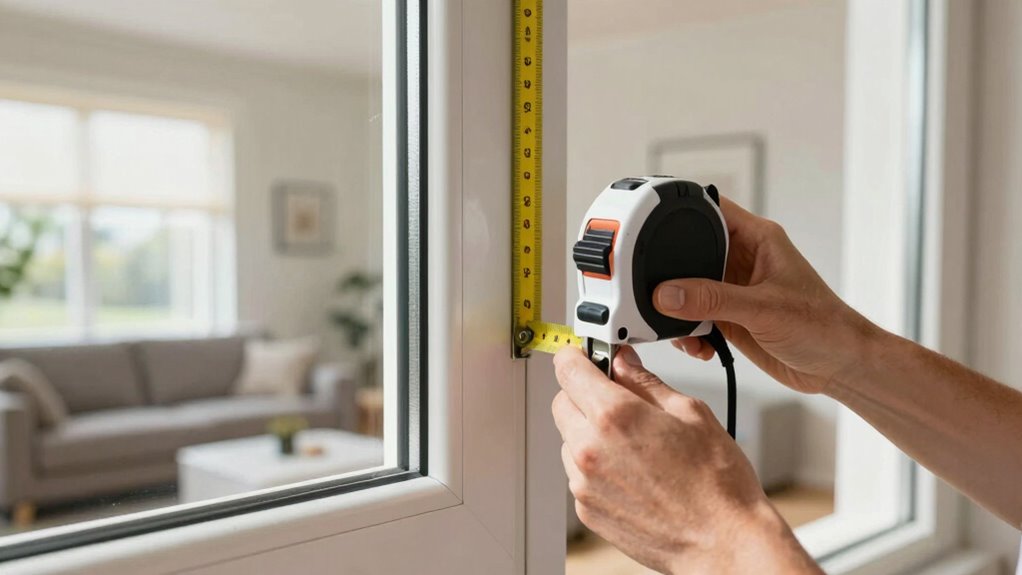
Accurate measurements are key to guaranteeing your blinds fit perfectly and function as intended. Common measuring mistakes often lead to ill-fitting blinds and frustration. One mistake to avoid is measuring only once; always double-check your measurements for accuracy. Don’t forget to measure both width and height precisely at multiple points, as windows can be uneven. Always record measurements in inches, not fractions of inches, to prevent errors. Another mistake is assuming the existing window frame is square—measure in several places to catch any discrepancies. Use measurement tips like keeping the tape level and avoiding compression of the frame. Taking these precautions ensures you won’t order blinds that are too small or too large, saving you time and money while ensuring a perfect fit.
How to Use Your Measurements to Pick the Perfect Smart Blinds
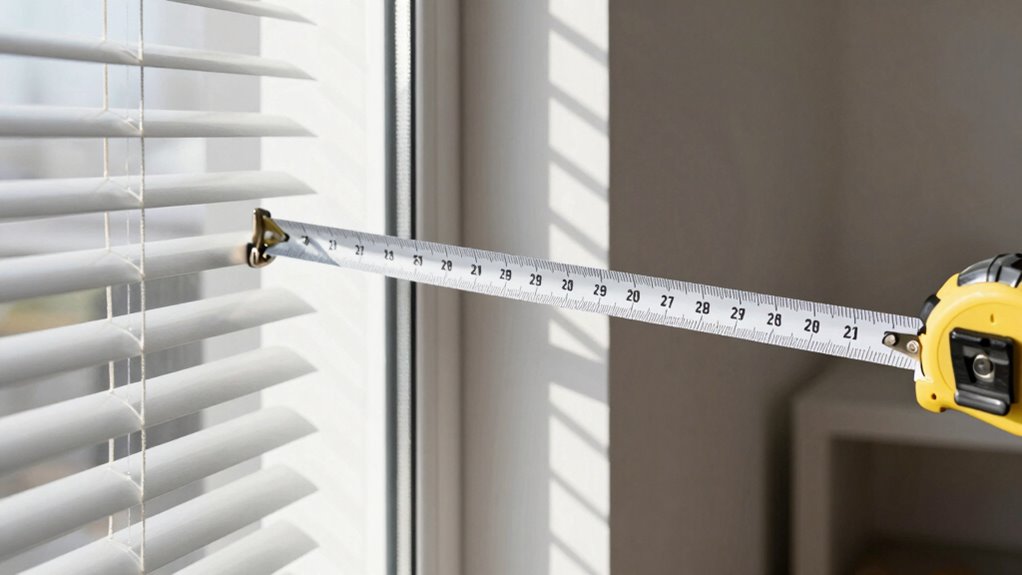
Once you have your precise measurements, you can confidently select the right smart blinds for your space. Accurate measurement is vital for choosing a window treatment that fits perfectly and functions smoothly. Use your measurements to compare with the manufacturer’s size options, ensuring measurement accuracy at every step. Keep in mind, smart blinds often have adjustable features, but a proper fit enhances their performance.
- Double-check measurements before ordering
- Consider the mounting style (inside or outside mount)
- Match your window treatment to your window’s shape and size
- Account for any obstructions or trim around the window
- Read product specifications carefully to confirm sizing options
Frequently Asked Questions
How Often Should I Re-Measure My Windows for Smart Blinds?
You should re-measure your windows for smart blinds at least once every year or if you notice any changes in window size, such as renovations or settling. Regular measuring frequency ensures your blinds fit perfectly and operate smoothly. Re-measure at re-measurement intervals when you move to a new home or if your current blinds start to look misaligned. Staying vigilant helps prevent ordering the wrong size and guarantees peak performance.
Can I Measure Irregularly Shaped Windows Accurately at Home?
Yes, you can measure irregularly shaped windows at home, including curved windows with uneven edges. Use a flexible measuring tape to follow the curves accurately and record the measurements carefully. For complex shapes, consider taking multiple measurements or sketching the window to ensure precision. If you’re unsure, consulting a professional or using special tools designed for irregular shapes can help you get the most accurate measurements for your smart blinds.
What Is the Best Way to Record Measurements for Multiple Windows?
Imagine you’re measuring five windows for smart blinds. To record measurements accurately, use a consistent measurement technique—measure width and height at the top, middle, and bottom, then average these for precision. Keep a dedicated measurement sheet for each window, noting any measurement mistakes so you can double-check before ordering. This organized approach guarantees you avoid errors and get the perfect fit for every window.
Are Digital Measurement Tools More Accurate Than Manual Methods?
Digital measurement tools like digital calipers and laser measurement devices are generally more accurate than manual methods. They reduce human error, give precise readings quickly, and are easy to use for various window sizes. You’ll find laser measurement especially handy for larger or hard-to-reach windows, while digital calipers excel for smaller, detailed measurements. Using these tools guarantees you get the perfect fit for your smart blinds every time.
How Do I Account for Window Frame Depth When Measuring?
Did you know that improper measurement accounts for 70% of blind fitting issues? To account for window frame depth, measure from the inside edge of the frame to the glass, ensuring you include any molding or trim. Use a caliper or a tape measure for accuracy, and record this depth carefully. This step helps improve measurement accuracy, so your smart blinds fit perfectly without gaps or overlaps.
Conclusion
Getting your measurements right isn’t just a small step—it’s the secret weapon to transforming your windows into a masterpiece. Mess up, and you might end up with blinds so wrong they’d make a clown’s nose look tiny. But get it right, and you’ll unleash the power to order smart blinds that fit perfectly, look stunning, and work flawlessly. So measure like a pro—your windows (and sanity) will thank you!