
To prevent motion sickness, prepare your environment by choosing a comfortable seat near the center and looking at steady points like the horizon. Avoid screens or busy visuals, and keep your environment well-ventilated and free of strong smells. Eat bland snacks, stay hydrated, and consider natural remedies like ginger or acupressure. Establish a calming routine before travel, and if symptoms start, act quickly. Keep exploring for more tips to stay comfortable during your journey.
Key Takeaways
- Choose stable seating positions, like over the wings of planes or near the front of vehicles, to minimize motion sensations.
- Maintain steady visual focus on the horizon or distant objects to reduce sensory conflict.
- Prepare with light, bland snacks and stay hydrated to soothe the stomach before travel.
- Use natural remedies such as ginger or acupressure on the P6 wrist point to prevent nausea.
- Organize your environment by reducing clutter, controlling lighting, and minimizing strong smells to enhance comfort.
What Causes Motion Sickness and How to Recognize Its Triggers

Motion sickness occurs when your brain receives conflicting signals about movement from your eyes, inner ears, and muscles. This sensory conflict confuses your brain, leading to nausea and dizziness. Your inner ear plays a vital role because it detects balance and motion; if it signals movement that your eyes don’t see, your brain struggles to process the information correctly. For example, reading in a moving vehicle can cause this mismatch, as your eyes focus on a stationary object, while your inner ear senses motion. Recognizing triggers involves paying attention to situations where your sensory inputs don’t align. Common triggers include reading, looking at screens, or being in vehicles with unpredictable motion. Understanding these cues helps you anticipate when motion sickness might strike. Additionally, awareness of sensory mismatch can help you develop strategies to reduce the likelihood of symptoms. Being mindful of inner ear signals and how they interact with visual input can further aid in prevention. Recognizing motion cues early allows for timely preventative measures, reducing discomfort during travel. For instance, staying focused on the horizon can help synchronize visual and inner ear signals, minimizing conflicting signals. Being aware of body signals such as sweating or increased heart rate can also alert you to the onset of symptoms before they intensify.
Prepare Your Travel Environment to Prevent Nausea
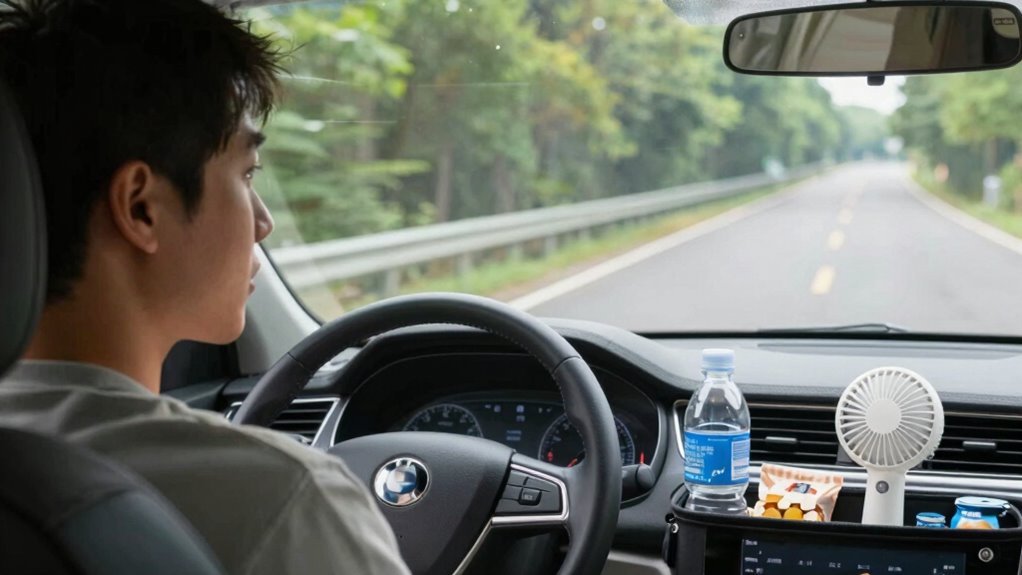
To prevent nausea during travel, start by choosing a comfortable seating position where your body feels supported. Keep your view steady and avoid looking at moving screens or busy scenery that can trigger motion sickness. Minimizing visual distractions helps your brain process motion signals more smoothly, reducing the chance of nausea. Additionally, consider using natural remedies like ginger or peppermint to soothe your stomach before and during your trip. Maintaining consistent visual focus can also help your brain better interpret motion cues, further reducing nausea risk. Using proper lighting conditions, such as soft, indirect lighting, can also help minimize visual strain that might contribute to motion discomfort. Ensuring your environment is free of irritants or strong smells can also help prevent nausea caused by sensory overload. Being aware of sensory sensitivities and adjusting your environment accordingly can significantly improve your comfort during travel.
Choose Comfortable Seating Positions
Choosing the right seat can considerably reduce your chances of feeling nauseous during travel. Start by adjusting your seat for ideal comfort—this may mean reclining slightly or raising the seat to reduce motion sensitivity. Proper seat adjustment helps keep your head stable, minimizing dizziness. Focus on posture correction: sit upright with your back supported, avoiding slouching or leaning excessively. A good seating position keeps your inner ear balanced and lessens the jarring movements that can trigger nausea. If possible, select seats over the wings of an aircraft or near the front of a vehicle, where motion tends to be smoother. Additionally, understanding motion sensitivity can help you choose the best seat to prevent discomfort. Recognizing sensory input and how it influences nausea can further inform your seating choices. Being aware of visual cues can also help you maintain stability and reduce symptoms. Since electric bikes and scooters often produce instant torque, being mindful of sudden movements can help prevent nausea during rides. Paying attention to environmental factors, such as lighting and vibration, can further enhance your comfort and reduce the likelihood of motion sickness. By making these simple adjustments, you create a more stable environment that helps prevent motion sickness before it begins.
Minimize Visual Distractions
Reducing visual distractions can substantially help prevent nausea during travel. Cluttered environments with excessive visual stimuli can overwhelm your senses, increasing the risk of motion sickness. To minimize this, clear away unnecessary visual clutter from your surroundings, keeping only essentials within view. Avoid bright screen glare by adjusting your device brightness or using anti-glare screens, especially if you’re watching videos or reading. Position yourself so that your line of sight remains steady and focused, rather than constantly shifting to busy scenes or cluttered backgrounds. By creating a calm, visually simple environment, you reduce sensory overload. This helps your brain process movement more smoothly, decreasing the likelihood of nausea and making your journey more comfortable. Understanding motion sickness triggers can further help you prepare effectively before traveling, especially when considering sensory overload as a key factor in prevention.
Where to Sit During Travel to Minimize Motion Sickness

Where you sit during travel can make a big difference in how you feel. Choosing a forward-facing seat helps you better anticipate motion, reducing nausea. Sitting near the center of the vehicle also minimizes the sensation of movement, keeping you more comfortable.
Choose Forward-Facing Seats
Sitting in a forward-facing seat can substantially decrease your chances of experiencing motion sickness during travel. This position helps you better anticipate movements, reducing the disorienting sensations that trigger nausea. For children, choosing forward-facing seats is vital not only for comfort but also for child safety, as most car seats are designed to face forward during travel. Vehicle features, such as smooth suspension and well-designed seats, enhance this effect, minimizing jolts and vibrations. By sitting forward, you stay more alert to the vehicle’s motion, helping your brain process it more effectively. Additionally, understanding how Free Floating motion affects your balance can help you take further steps to prevent discomfort. Using DIY tools to secure your seat or add cushioning can also improve stability and comfort during the trip. Proper seat positioning can further enhance your ability to stay alert and reduce symptoms of motion sickness. This simple choice can make a significant difference, ensuring a more comfortable journey and lowering the risk of motion sickness for everyone on board. Recognizing the impact of vehicle design can further support your efforts to reduce symptoms during travel.
Sit Near the Center
Choosing a seat near the center of the vehicle can considerably reduce motion sickness because this area experiences less movement and vibrations compared to the front or rear. Your seat selection matters, so aim for a spot directly over the axles. Environmental adjustments, like controlling airflow and avoiding strong smells, can also help. Sitting centrally minimizes the sway and jarring you feel, making your trip more comfortable. To optimize your experience:
- Pick a seat over the vehicle’s center
- Avoid seats near windows or vents with strong airflow
- Use earplugs or noise-canceling headphones to reduce noise
- Keep fresh air circulating, but avoid direct drafts
- Minimize visual distractions by focusing straight ahead
- Being aware of your motion sickness triggers can help you prepare better. These strategies enhance your environment, helping prevent motion sickness before it starts. Additionally, understanding how IRA investment strategies work can help you make more informed financial decisions during your planning. To further improve your comfort, consider ventilation options that suit your preferences for airflow and air quality. Adjusting the airflow to your comfort level can also significantly reduce symptoms.
How to Choose Meals and Snacks That Prevent Upset Stomach

To prevent an upset stomach during travel, selecting your meals and snacks wisely is essential. Focus on meal planning that includes bland, easily digestible foods like crackers, bananas, or toast, which help settle your stomach. Avoid greasy, spicy, or heavy foods that can trigger nausea. When it comes to snack selection, opt for small portions and simple options such as nuts, dried fruit, or rice cakes. Staying hydrated with small sips of water or ginger tea can also reduce nausea. Keep your snack choices light and avoid anything too rich or sugary that might cause discomfort. Proper meal planning and smart snack selection are key to keeping your stomach calm and preventing motion sickness before it starts. Additionally, choosing reputable providers with good reviews can ensure you receive quality guidance and support for your travel health needs Gold IRA Markets.
Which Remedies and Medications Can Help Prevent Motion Sickness

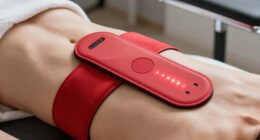
What remedies and medications are most effective in preventing motion sickness? You have several options to contemplate. Over-the-counter medications like antihistamines, such as dimenhydrinate or meclizine, are widely used to reduce nausea. Acupressure techniques, like applying pressure to the P6 point on your wrist, can also help alleviate symptoms naturally. Herbal remedies, like ginger supplements or teas, may soothe your stomach and prevent nausea. Additionally, some people find relief with prescription medications or natural supplements. It’s important to choose what works best for you and consult your healthcare provider if needed.
- Antihistamines (e.g., dimenhydrinate, meclizine)
- Acupressure techniques on P6 point
- Ginger herbal remedies or teas
- Prescription medications
- Natural supplements
Natural and Alternative Strategies to Keep Nausea at Bay

Natural and alternative strategies can be effective in preventing motion sickness without relying solely on medications. Acupressure techniques, such as applying pressure to specific points like the P6 wrist spot, can reduce nausea and calm your stomach. These methods are simple to learn and portable, making them a practical option during travel. Aromatherapy benefits also play a role; inhaling scents like peppermint or ginger oil can ease nausea and promote relaxation. Using a diffuser or applying diluted essential oils to your wrists or temples can provide quick relief. Combining acupressure and aromatherapy offers a holistic approach that targets nausea naturally. When used proactively, these strategies can help keep motion sickness at bay and make your journey more comfortable.
How to Establish a Routine Before Travel to Reduce Anxiety
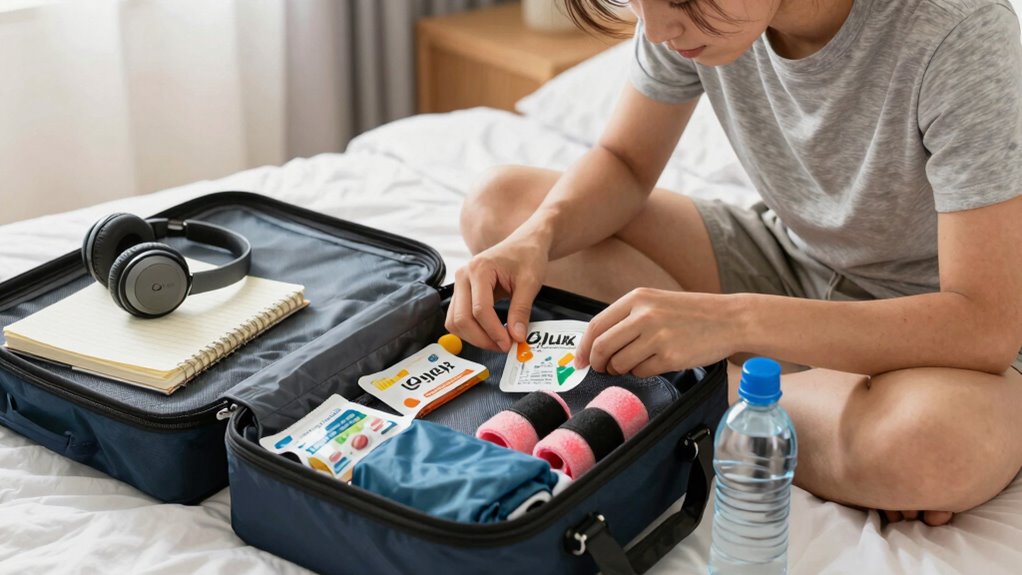
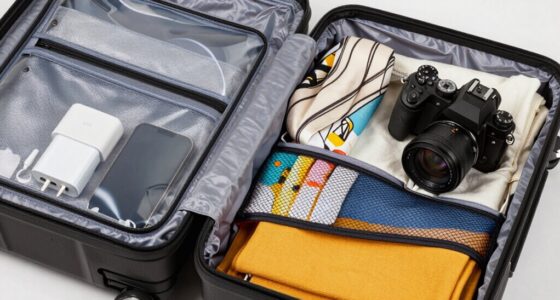
Establishing a routine before travel can considerably reduce anxiety and help you feel more prepared. Practicing pre travel mindfulness helps calm your mind and sets a positive tone. Organize your packing essentials in advance to avoid last-minute stress. Creating a checklist ensures you don’t forget anything crucial, reducing worry. To establish an effective routine, consider these steps:
- Pack your essentials the night before
- Practice deep breathing exercises
- Review your travel itinerary
- Set aside time for relaxation
- Confirm reservations and documents
What to Do If You Feel Sick During Your Trip

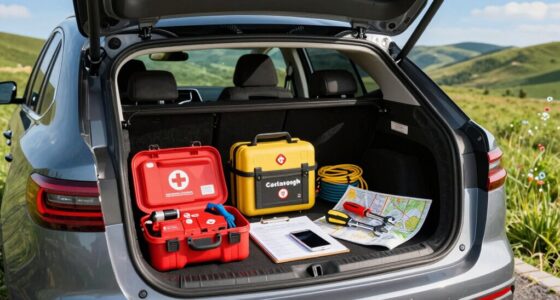
If you start feeling sick during your trip, acting quickly can help you manage your symptoms and prevent them from worsening. First, stop and find a safe spot to sit or lie down. Use your travel gear essentials, like a cool cloth or ginger candies, to ease nausea. Keep hydrated with small sips of water or electrolyte drinks. Consider deep breathing or focusing on a fixed point to reduce dizziness. Prepare for emergencies by having a small kit with medication, wet wipes, and a plastic bag. Here’s a quick guide:
| Symptom | Immediate Action |
|---|---|
| Nausea | Chew ginger or peppermint, hydrate |
| Dizziness | Sit down, focus on a steady point |
| Vomiting | Use a plastic bag, stay calm |
| Headache | Rest, take pain relief if available |
| Cold Sweat | Cool cloth, deep breaths |
Staying prepared reduces panic and helps you stay in control.
Frequently Asked Questions
Can Motion Sickness Affect Children Differently Than Adults?
Children experience motion sickness differently than adults because of developmental factors and children differences. Their brains and inner ears are still maturing, making them more sensitive to motion stimuli. You might notice younger kids get more easily upset or exhibit unique symptoms. To help, you should encourage frequent breaks, keep them focused on stable objects, and make sure they stay hydrated. Understanding these differences helps you better prevent and manage their motion sickness.
Are There Specific Travel Modes More Prone to Causing Motion Sickness?
You’ll find that certain travel modes, like train cabins and car interiors, are more prone to causing motion sickness. In train cabins, the steady, repetitive motion can be unsettling, especially if you’re sensitive. Similarly, car interiors with sudden turns, stops, and uneven roads can trigger nausea. To prevent this, sit where motion feels least intense, look ahead, and keep fresh air flowing. Being proactive helps you enjoy your trip more comfortably.
How Long Before Travel Should I Take Preventative Medication?
You should take your preventive medication about 30 to 60 minutes before travel. Studies show that timely medication can reduce motion sickness symptoms by up to 70%. Proper medication timing is vital for effective prevention, so plan accordingly. Combining this with other preventive measures, like focusing on the horizon or avoiding reading, can make your journey much more comfortable. Always follow your healthcare provider’s guidance for the best results.
Do Certain Clothing Choices Help Reduce Motion Sickness Symptoms?
Wearing clothing made from breathable, comfortable materials can help reduce motion sickness symptoms. Avoid tight-fitting garments, as they can restrict circulation and increase discomfort during travel. Choose loose, lightweight clothing that allows your body to stay relaxed and comfortable. Staying comfortable with appropriate clothing can help minimize nausea and dizziness, making your journey more pleasant. Remember to layer appropriately for changing temperatures and avoid constrictive outfits that could worsen symptoms.
Can Regular Exercise Influence Susceptibility to Motion Sickness?
While regular exercise benefits your overall health, it can also help reduce your susceptibility factors to motion sickness. Staying active improves your balance and inner ear health, making you less prone to feeling queasy during travel. Exercise benefits your body’s resilience, meaning you’re more prepared to handle motion. So, incorporating consistent workouts may make those bumpy rides a little smoother, helping you enjoy your journeys more comfortably.
Conclusion
By understanding your triggers and preparing ahead, you can considerably reduce motion sickness. Remember, staying calm and proactive makes a difference—some say that your mindset influences your physical response. Embrace natural remedies and establish routines to boost your confidence. Trust in the mind-body connection; a positive outlook paired with preparation often prevents nausea before it starts. With these strategies, you’ll travel more comfortably and enjoy your journey without the worry of motion sickness.