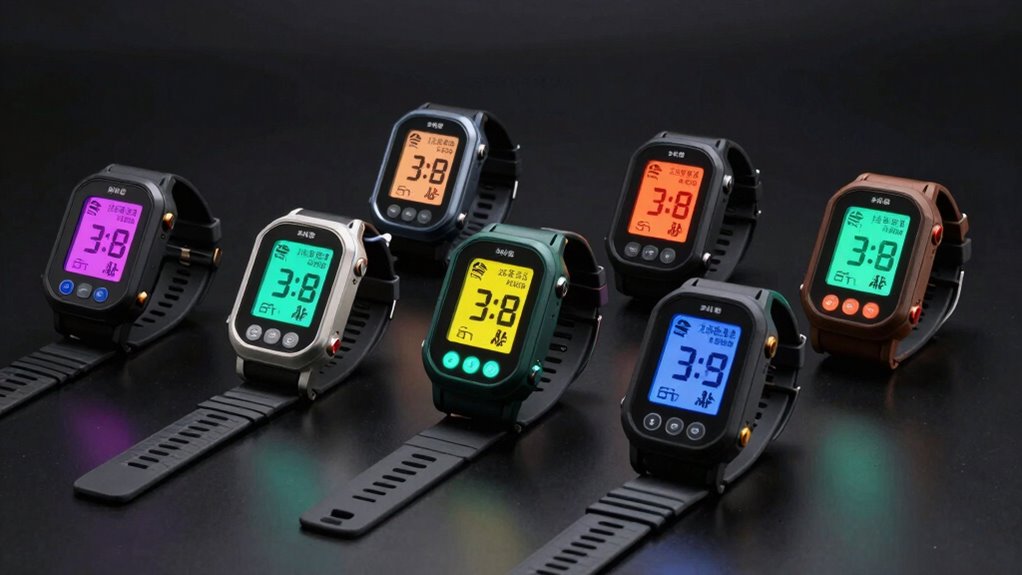
Finding a reliable yet affordable scuba diving watch computer can be challenging for beginners. The best overall choice in this category is the Cressi Leonardo 2.0, known for its user-friendly interface and solid features without the high price tag. For those seeking durability and advanced tracking, the Garmin Descent G2 stands out, though it comes at a higher cost. The main tradeoffs in this segment revolve around balancing ease of use, feature set, and price—more budget-friendly models may lack some advanced functions, while higher-end options might be more complex to operate. Keep reading for a detailed breakdown of each option to find the best fit for your diving level and budget.

Get health and wellness essentials delivered free with Prime
- Fast, free delivery on millions of items
- Prime Video, Amazon Music and more included
- Member-only deals all year
Key Takeaways
- Top picks balance simplicity and essential features suited for entry-level divers.
- Higher-priced models tend to include more advanced tracking, GPS, and customization options.
- Durability and ease of use are key factors, often dictating the best beginner-friendly choices.
- Some models provide excellent value by combining basic features with reliable build quality.
- Tradeoffs often involve sacrificing advanced features for affordability and straightforward operation.
| Cressi Raffaello Dive Computer with Built-in Digital Compass |  | Best Overall Entry-Level Dive Computer with Navigation | Built-in Digital Compass: Yes | Dive Planning System: RGBM-based mixed-gas | Connectivity: Bluetooth and USB | VIEW ON AMAZON | See Our Full Breakdown |
| Shearwater Research Peregrine Adventures Edition Dive Computer |  | Best for Versatile Dive Profiles and Display Clarity | Diving Modes: Air, Nitrox, 3 Gas Nitrox, Gauge | Display: 2.2-inch LED LCD | Battery Life: Up to 30 hours | VIEW ON AMAZON | See Our Full Breakdown |
| SEAC Partner Wrist-Mount Freediving Computer |  | Best for Freedivers and Simplicity | Water Resistance: 100 meters | Battery: CR2032 | Functions: Stopwatch, countdown, dive recording | VIEW ON AMAZON | See Our Full Breakdown |
| Garmin Descent™ X30 Rugged Dive Computer with Surface GPS |  | Best for Multi-Gas Profiles and Advanced Navigation | Display: 2.4-inch color display | Dive Ratings: 10 ATM | Dive Profiles: Single- and multi-gas including trimix | VIEW ON AMAZON | See Our Full Breakdown |
| Cressi Giotto Dive Computer with 70-Hour Logbook, Altitude Support, Black/Pink |  | Best for Advanced Divers with Logging and Altitude Features | Nitrox Capability: Multi-Mix Nitrox | Max Depth: 393 feet | Nitrox FO2 Range: 21% to 99% | VIEW ON AMAZON | See Our Full Breakdown |
| Suunto D5 Dive Computer, Color Display, 100m Waterproof, All Black |  | Best Overall Entry-Level Dive Computer | Water Resistance: 100m | Wireless Tank Pressure: Supported | Alarms: Vibration | VIEW ON AMAZON | See Our Full Breakdown |
| Mares Puck Lite Scuba Diving Computer Watch-Style with One Button Control |  | Best for Simplified Control and Long-Term Logging | Algorithm: Bühlmann ZH-L16C | Nitrox Compatibility: 21% to 50% | Display: 800 segments, chip-on-glass technology | VIEW ON AMAZON | See Our Full Breakdown |
| Garmin Descent G1 Rugged Dive Computer, Slate Gray (Renewed) |  | Best Rugged, Multi-Function Dive Watch | Display: Monochrome | Battery Life: 25 hours in dive mode, 21 days smartwatch | Supported Satellite Systems: GPS, GLONASS, Galileo | VIEW ON AMAZON | See Our Full Breakdown |
| Cressi Leonardo 2.0 Dive Watch, Scuba Dive Computer, Black/Yellow |  | Best Versatile and Affordable Entry-Level Choice | Modes: Air, Nitrox, Gauge | Connectivity: iOS, Android | Data Transfer: USB, infrared | VIEW ON AMAZON | See Our Full Breakdown |
| Garmin Descent G2 Dive Computer, Watch-Style, 46mm, Black |  | Best Advanced Entry-Level Model with AMOLED Display | Display: 1.2-inch AMOLED | Physical Size: 45.5 x 45.5 x 15.2 mm | Band Sizes: 128-224 mm, Extra Long 128-373 mm | VIEW ON AMAZON | See Our Full Breakdown |
| Salvimar One Plus Freediving Wrist Computer |  | Best for Freedivers and Snorkelers Seeking Versatile Underwater Data | Depth Range: up to 100 meters (328 ft) | Display: EL backlit screen | Water Resistance: 100 meters | VIEW ON AMAZON | See Our Full Breakdown |
| Cressi Nepto Freediving Watch Computer – Fully Customizable, Taravana & Pulmonary Edema Protection, Logbook, Made in Italy |  | Best for Professional Freedivers Needing Safety and Customization | Water Resistance Level: 120 meters | Display Size: 35 mm | Display Type: LCD | VIEW ON AMAZON | See Our Full Breakdown |
| Mares Puck Pro EZ Wrist Underwater Dive Computer |  | Best for Recreational Divers Wanting User-Friendly Operation | Display: High-contrast screen | Gas Compatibility: Nitrox 21%-50% | Algorithm: Buhlmann ZH-L16C with dual gradient factors | VIEW ON AMAZON | See Our Full Breakdown |
| Suunto Zoop Novo Wrist Scuba Diving Computer |  | Best for Beginners and Recreational Divers Wanting Versatility | Operating modes: air, nitrox, gauge, freedom | Maximum depth: 330 feet (100 meters) | Display: Backlit, phosphorescent LCD | VIEW ON AMAZON | See Our Full Breakdown |
| Descent G1 Rugged Dive Computer, Slate Gray |  | Best for Water and Fitness Enthusiasts Wanting a Rugged Smartwatch | Battery Life: up to 25 hours in dive mode, 21 days in smartwatch mode | Display: Monochrome | Lens: Sapphire | VIEW ON AMAZON | See Our Full Breakdown |
| scuba diving watch computer entry level | Display |
|---|---|
| Cressi Raffaello Dive Computer | — |
| Shearwater Research Peregrine | 2.2-inch LED LCD |
| SEAC Partner Wrist-Mount Freed | — |
| Garmin Descent™ X30 Rugged Div | 2.4-inch color display |
| Cressi Giotto Dive Computer wi | — |
| Suunto D5 Dive Computer | Color |
| Mares Puck Lite Scuba Diving C | 800 segments, chip-on-glass technology |
| Garmin Descent G1 Rugged Dive | Monochrome |
| Cressi Leonardo 2.0 Dive Watch | — |
| Garmin Descent G2 Dive Compute | 1.2-inch AMOLED |
| Salvimar One Plus Freediving W | EL backlit screen |
| Cressi Nepto Freediving Watch | — |
| Mares Puck Pro EZ Wrist Underw | High-contrast screen |
| Suunto Zoop Novo Wrist Scuba D | Backlit, phosphorescent LCD |
| Descent G1 Rugged Dive Compute | Monochrome |
More Details on Our Top Picks
Cressi Raffaello Dive Computer with Built-in Digital Compass
The Cressi Raffaello stands out for its integrated digital compass, making it an excellent choice for divers who want navigation features without sacrificing core dive planning tools. Compared to the Garmin Descent™ X30, it offers more straightforward dive modes and a longer-lasting, user-replaceable battery, but it may be too complex for complete beginners. Its RGBM-based dive planning supports mixed gases, appealing to divers interested in versatile profiles. The Bluetooth and USB connectivity streamline log management, a feature missing from simpler models like the Mares Puck Lite. However, the interface might feel overwhelming for novices, and the price isn’t specified, which could be a barrier for entry-level buyers seeking affordability. This pick makes the most sense for divers who want reliable navigation and dive planning, even if they are new to technical features.
Pros:- Built-in digital compass for underwater navigation
- Advanced RGBM-based dive planning supporting mixed gases
- Bluetooth and USB for easy dive log management
- Long-lasting, user-replaceable battery
Cons:- May be too complex for complete novice divers
- No touchscreen interface, which could limit ease of use
Best for: Divers seeking a reliable, navigation-capable computer with advanced planning features who don’t mind a slightly complex interface.
Not ideal for: Absolute beginners who prefer a simple, straightforward dive watch without many extra features.
- Built-in Digital Compass:Yes
- Dive Planning System:RGBM-based mixed-gas
- Connectivity:Bluetooth and USB
- Diving Modes:Apnea, gauge, and more
- Battery Life:4 years
- Color:Black/Blue
Our verdict“This device suits divers who want navigation and advanced planning in a durable package, even if it requires some learning curve.”
Shearwater Research Peregrine Adventures Edition Dive Computer
The Shearwater Peregrine Adventures Edition offers a vibrant 2.2-inch color LCD, making it ideal for divers who prioritize clear readability. Its multiple dive modes, including Nitrox and 3-Gas, make it more versatile than the simpler Mares Puck Lite. Wireless charging simplifies power management, but the limited 30-hour battery life per charge means frequent recharging or careful planning is needed for extended trips. Compared to the Garmin Descent™ X30, it lacks surface GPS, which can reduce its usefulness for navigation outside of dives. The straightforward two-button interface balances ease of use with functionality, but the short battery life can be inconvenient for longer dives or multi-day trips. This model makes sense for divers who want detailed dive data and a vivid display, even if they need to recharge often.
Pros:- Vivid 2.2-inch color LCD display for easy readability
- Supports multiple dive modes including Nitrox and trimix
- Wireless charging for convenience
- Robust, corrosion-resistant construction
Cons:- Limited to about 30 hours of battery life per charge
- Requires wireless charging station, which adds cost
Best for: Intermediate divers who value display clarity and multi-gas flexibility for different dive types.
Not ideal for: Long-duration or multi-day divers who require extended battery life without frequent recharging.
- Diving Modes:Air, Nitrox, 3 Gas Nitrox, Gauge
- Display:2.2-inch LED LCD
- Battery Life:Up to 30 hours
- Charging:Wireless charging station included
- Materials:316 stainless steel buttons
Our verdict“Ideal for divers who prioritize display clarity and multi-gas support but are okay with frequent recharging.”
SEAC Partner Wrist-Mount Freediving Computer
The SEAC Partner excels for freediving enthusiasts who need basic dive tracking without complicated menus. Its water resistance up to 100 meters and backlit display provide reliable underwater visibility. While it features useful stopwatch and countdown functions, it lacks advanced dive metrics or multi-gas support, making it less suitable for technical divers. Compared with the Cressi Giotto, it offers a more streamlined design, but its capabilities are limited strictly to freediving activities. The CR2032 battery is easy to replace, but the absence of detailed dive data or logging features restricts long-term tracking. This watch makes sense for casual freedivers who want a straightforward, durable computer that does not overwhelm with features.
Pros:- Water-resistant up to 100 meters for reliable underwater use
- Records up to 99 dives for basic tracking
- Backlit display enhances underwater visibility
- Simple stopwatch and countdown functions
Cons:- Limited to freediving activities, not suitable for scuba
- No advanced dive metrics or logging capabilities
- Requires battery replacement for continuous use
Best for: Casual freedivers seeking a simple, durable computer for recreational dives.
Not ideal for: Technical or multi-gas divers who need detailed dive data or advanced features.
- Water Resistance:100 meters
- Battery:CR2032
- Functions:Stopwatch, countdown, dive recording
Our verdict“Best for casual freedivers who want a straightforward, durable computer without advanced features.”
Garmin Descent™ X30 Rugged Dive Computer with Surface GPS
The Garmin Descent™ X30 distinguishes itself with a large 2.4-inch color display and support for sophisticated dive profiles, including trimix, making it ideal for more experienced divers. Its surface GPS and 3-axis digital compass significantly enhance navigation both on and off the water, surpassing the basic features of the Cressi Raffaello. The eco-friendly design using recycled ocean plastics adds an attractive sustainability angle. However, the lack of detailed battery life information and potential high cost may deter entry-level buyers. The absence of a touchscreen might limit ease of use during dives. This device suits divers who want a rugged, feature-rich computer capable of handling complex dives with navigation assistance, even if at a premium price point.
Pros:- Supports advanced multi-gas profiles including trimix
- Surface GPS and 3-axis digital compass for navigation
- Durable, eco-friendly design with recycled plastics
- Real-time depth and temperature metrics
Cons:- Limited info on battery life, which could impact planning
- High price point for entry-level divers
Best for: Experienced divers needing multi-gas support and navigation tools in a durable, eco-conscious package.
Not ideal for: Beginners or those on a strict budget who prefer simple, easy-to-use dive computers.
- Display:2.4-inch color display
- Dive Ratings:10 ATM
- Dive Profiles:Single- and multi-gas including trimix
- Navigation:Surface GPS, 3-axis digital compass
- Water Temperature Sensor:Yes
- Housing Material:Recycled ocean-bound plastics
Our verdict“Best for experienced divers who want advanced features and rugged durability in a sustainable design.”
Cressi Giotto Dive Computer with 70-Hour Logbook, Altitude Support, Black/Pink
The Cressi Giotto caters to divers looking for detailed data, supporting multi-mix Nitrox and altitude diving, making it more suitable for technical or high-altitude dives than basic models like the Shearwater Peregrine. Its 70-hour logbook capacity allows comprehensive dive tracking, and the customizable oxygen mix adds flexibility. Compared with models like the Garmin Descent™ X30, it lacks surface navigation features, but it compensates with depth accuracy up to 393 feet. The interface may seem complex for beginners, and the limited storage might not suffice for extensive dive trips. This computer is ideal for divers who want in-depth dive data and high-elevation support, provided they are comfortable with a more technical device.
Pros:- Supports multi-mix Nitrox profiles
- Accurate depth monitoring up to 393 feet
- Altitude diving support for high-elevation conditions
- Downloadable 70-hour dive log
Cons:- Limited to 70 hours of dive data storage
- Potentially complex for beginners
Best for: Advanced divers or technical enthusiasts needing detailed logs and altitude support.
Not ideal for: Entry-level divers or casual recreational divers not interested in complex features.
- Nitrox Capability:Multi-Mix Nitrox
- Max Depth:393 feet
- Nitrox FO2 Range:21% to 99%
- Logbook Capacity:70 hours
Our verdict“Ideal for experienced divers seeking detailed logs, altitude support, and multi-mix Nitrox capabilities.”
Suunto D5 Dive Computer, Color Display, 100m Waterproof, All Black
The Suunto D5 stands out for its intuitive color display and wireless connectivity, making it a strong pick for beginners who want a user-friendly experience. Compared with the Cressi Leonardo 2.0, it offers more advanced wireless features and a sleek, customizable design, though its moderate customer rating suggests some users find the feature set overwhelming. Its support for wireless tank pressure and vibration alarms enhances safety, while the stylish straps add personalization. The main tradeoff is its limited battery information beyond 12 hours, which could be a concern for extended dives. Overall, this model makes the most sense for divers seeking a straightforward, connectable device with style.
Pros:- Clear, colorful display enhances readability underwater
- Wireless connectivity allows easy dive sharing via the Suunto app
- Supports wireless tank pressure and vibration alarms for safety
- Stylish, customizable straps for personal style
Cons:- Customer feedback is moderately positive, indicating some usability issues
- Battery life details are limited beyond 12 hours, which may affect longer dives
Best for: entry-level divers who want an easy-to-use, stylish computer with wireless features
Not ideal for: divers on a strict budget or those preferring a simple, no-frills device without wireless functions
- Water Resistance:100m
- Wireless Tank Pressure:Supported
- Alarms:Vibration
- Display:Color
- Digital Compass:Yes
- Battery Life:Up to 12 hours diving time
Our verdict“Ideal for beginners seeking a stylish, connected dive computer with safety features, despite some limitations in battery info.”
Mares Puck Lite Scuba Diving Computer Watch-Style with One Button Control
The Mares Puck Lite is tailored for divers who prefer a straightforward, single-button interface, setting it apart from more complex models like the Garmin Descent G2. Its use of the robust Bühlmann ZH-L16C algorithm and Nitrox compatibility up to 50% make it suitable for recreational and technical divers alike, offering comprehensive dive logs for up to 100 dives. While it doesn’t feature a color display, its long-lasting, replaceable battery simplifies ongoing use. The main tradeoff is its limited log capacity and reliance on Bluetooth for full functionality, which could be inconvenient for extensive divers. This pick makes the most sense for those who want a reliable, easy-to-navigate computer without extra bells and whistles.
Pros:- Simple, one-button control for easy operation
- Supports Nitrox mixtures up to 50%, suitable for varied dives
- Robust, replaceable battery that can last through many dives
- Comprehensive dive logs with Bluetooth app integration
Cons:- Limited to 100 dives in its log capacity, which may not suit frequent divers
- No color display, less visual appeal for some users
- Full features require Bluetooth connection, not always convenient
Best for: recreational divers who prioritize simplicity and long-term dive logging
Not ideal for: divers seeking a color display or extensive dive data storage beyond 100 dives
- Algorithm:Bühlmann ZH-L16C
- Nitrox Compatibility:21% to 50%
- Display:800 segments, chip-on-glass technology
- Dive Log Capacity:Up to 100 dives
- Power:User-replaceable
- Connectivity:Bluetooth
Our verdict“Best for divers who want an uncomplicated, reliable computer with long-term logging capabilities.”
Garmin Descent G1 Rugged Dive Computer, Slate Gray (Renewed)
The Garmin Descent G1 excels in durability and multifunctionality, offering a monochrome display and wireless features that appeal to divers who want an all-in-one device. Its rugged design and stylish look make it suitable for adventure-minded divers who also desire activity tracking and smart notifications. Compared to the Garmin Descent G2, it provides fewer dive modes but retains core features like wireless connectivity and safety alarms. Its complex feature set may require learning, and its battery life—up to 12 hours in dive mode—is adequate but not exceptional. This device makes the most sense for divers wanting a durable, multi-use watch that can go from the ocean to everyday life.
Pros:- Rugged, durable design suitable for various conditions
- Supports multiple dive modes and up to 200 dives stored
- Includes health tracking features like heart rate and Pulse Ox
- Smartwatch functions add convenience for everyday wear
Cons:- Pulse Ox feature not available everywhere, limiting some health data
- Complex feature set may require time to master
- Battery life varies depending on usage mode, with only 25 hours in dive mode
Best for: adventurous divers who want a tough, multi-functional watch that tracks fitness and supports various dives
Not ideal for: divers who prefer a dedicated, straightforward dive computer without smartwatch features
- Display:Monochrome
- Battery Life:25 hours in dive mode, 21 days smartwatch
- Supported Satellite Systems:GPS, GLONASS, Galileo
- Dive Storage:Up to 200 dives
- Materials:Sapphire lens, silicone bands
Our verdict“Perfect for divers who want a tough, multi-purpose watch that combines diving with health and activity tracking.”
Cressi Leonardo 2.0 Dive Watch, Scuba Dive Computer, Black/Yellow
The Cressi Leonardo 2.0 offers a straightforward approach with support for Air, Nitrox, and Gauge modes, making it versatile for different diving needs. Its simple single-button interface simplifies navigation, especially for beginners, while seamless connectivity with iOS and Android enhances dive data management. Compared to the Mares Puck Lite, it provides more mode options, but the lack of specified battery life or replacement details could be a drawback for those planning longer dives. The inclusion of visual and audible alarms adds safety, but its potential complexity for absolute beginners might be a concern. This model makes sense for divers looking for a versatile, budget-friendly computer with reliable alarms and connectivity.
Pros:- Supports multiple dive modes including Air, Nitrox, and Gauge
- Easy-to-use single-button navigation
- Seamless compatibility with mobile devices for data transfer
- Critical visual and audible alerts improve safety
Cons:- Lack of detailed info on battery life or replacement
- Potentially complex for complete beginners without prior experience
Best for: new divers or budget-conscious divers wanting a versatile, connected device
Not ideal for: divers who prefer a simple, single-mode computer or who need detailed battery info upfront
- Modes:Air, Nitrox, Gauge
- Connectivity:iOS, Android
- Data Transfer:USB, infrared
- Color:Black/Yellow
Our verdict“Great for entry-level divers seeking a versatile, connectable computer on a budget, despite limited battery info.”
Garmin Descent G2 Dive Computer, Watch-Style, 46mm, Black
The Garmin Descent G2 offers a high-quality 1.2-inch AMOLED display and a suite of features suitable for entry-level to intermediate divers aiming for more detailed data and smartwatch functionalities. Its support for all diving types, plus health metrics like heart rate and sleep, makes it appealing for those who want insights beyond basic dive data. Compared to the Descent G1, it adds a larger, brighter display and more dive modes, but its premium price and feature complexity could overwhelm new users. Battery life—up to 27 hours in dive mode—is impressive but can be affected by the AMOLED display. This device is best for those who want a durable, feature-rich watch that doubles as a health tracker and smartwatch.
Pros:- Vivid AMOLED display enhances underwater readability
- Supports all dive types and tracks health data
- Smartwatch features like notifications and Garmin Pay
- Durable, leakproof design with sapphire lens
Cons:- Pulse Ox not available in all regions, limiting some health tracking
- Feature set may require time to master for beginners
- Battery life, although good, is impacted by the AMOLED display
Best for: divers who want an all-in-one device that combines diving, fitness, and smart features in a stylish design
Not ideal for: divers seeking a simple, dedicated dive computer without smartwatch or activity tracking
- Display:1.2-inch AMOLED
- Physical Size:45.5 x 45.5 x 15.2 mm
- Band Sizes:128-224 mm, Extra Long 128-373 mm
- Dive Rating:10 ATM
- Battery Life:Up to 27 hours in dive mode
- Materials:Recycled ocean plastics
Our verdict“Ideal for tech-savvy divers who want a stylish, multifunctional device that combines diving with health and connectivity features.”
Salvimar One Plus Freediving Wrist Computer
The Salvimar One Plus stands out for its accurate depth tracking up to 100 meters and a clear backlit display, making it ideal for freedivers, spearfishers, and snorkelers. Compared with the Suunto Zoop Novo, it offers more comprehensive dive metrics and real-time data, but it lacks smartphone connectivity and might be complex for beginners. Its versatility extends beyond diving, supporting surface intervals, water temp, and alarms, which adds value for casual water enthusiasts. However, its limited activity scope and potentially steep learning curve mean it’s less suited for those who want a device for multiple sports or easy operation. This model is perfect for freedivers who prioritize accurate data and a durable build but don’t need advanced smart features.
Pros:- Accurate depth and dive data tracking up to 100 meters
- Clear EL backlit display for underwater visibility
- Multi-functionality suitable for daily use and diving
Cons:- Limited to freediving and snorkeling activities
- No smartphone connectivity for logs or updates
- Interface may be complex for new users
Best for: Freedivers and snorkelers requiring accurate, straightforward dive data from a durable device
Not ideal for: Beginners or multi-sport athletes seeking simple, user-friendly interfaces and smartphone features
- Depth Range:up to 100 meters (328 ft)
- Display:EL backlit screen
- Water Resistance:100 meters
- Features:Dive timer, surface interval, water temperature, stopwatch, countdown timer, world time, alarms, calendar
Our verdict“This pick is best for serious freedivers who need precise metrics and a tough design without smart features.”
Cressi Nepto Freediving Watch Computer – Fully Customizable, Taravana & Pulmonary Edema Protection, Logbook, Made in Italy
The Cressi Nepto offers advanced safety features like Taravana and pulmonary edema protection, making it ideal for experienced freedivers. Unlike the Salvimar One Plus, it emphasizes safety with customizable alerts and geotagging, but it’s primarily built for professional use and less for recreational or multi-sport divers. Its compact, lightweight design with a high-contrast LCD ensures it’s comfortable during long dives, and made in Italy, it boasts quality materials. Nevertheless, it’s limited to freediving and outdoor activities, lacking GPS and multi-sport versatility, which could be a drawback for those wanting a multi-activity device. This device is suited for professional freedivers who prioritize safety and durability over multi-purpose features.
Pros:- High water resistance up to 120 meters
- Advanced safety features for Taravana and pulmonary edema
- Compact, lightweight, and made with durable materials
Cons:- Limited to freediving and outdoor activities
- No GPS functionality for navigation
- Basic display resolution may be less vivid
Best for: Advanced freedivers needing safety features, durability, and Italian craftsmanship
Not ideal for: Casual divers or those looking for a multi-sport, GPS-enabled dive watch
- Water Resistance Level:120 meters
- Display Size:35 mm
- Display Type:LCD
- Case Material:Stainless Steel
- Supported Features:Taravana Protection, Pulmonary Edema Prevention, GPS Geotagging
Our verdict“This model suits professional freedivers who need reliable safety features in a lightweight, durable design.”
Mares Puck Pro EZ Wrist Underwater Dive Computer
The Mares Puck Pro EZ offers a high-contrast, easy-to-read display with simple single-button controls, making it well-suited for recreational divers. Compared with the Suunto Zoop Novo, it provides Bluetooth transfer capabilities for seamless dive log management, though its battery life supports only about 100 dives before replacement. Its support for Nitrox mixes broadens its flexibility, but the limited battery lifespan and absence of advanced features like software integration can be limiting for those wanting detailed post-dive analysis. Its straightforward design makes it ideal for divers new to computer use, but more experienced users might find it lacks depth in customization. This device makes sense for casual divers who prioritize simplicity and Bluetooth convenience over extensive features.
Pros:- High-contrast, easily readable display
- Supports Nitrox gas mixtures
- Bluetooth connectivity for simple log transfer
Cons:- Battery life limited to approximately 100 dives
- Simpler features may not satisfy advanced users
- No color display option
Best for: Recreational divers seeking an intuitive, Bluetooth-enabled dive computer
Not ideal for: Technical or multi-sport divers who need advanced features or longer battery life
- Display:High-contrast screen
- Gas Compatibility:Nitrox 21%-50%
- Algorithm:Buhlmann ZH-L16C with dual gradient factors
- Power:Replaceable battery supporting up to 100 dives
Our verdict“This pick is ideal for recreational divers who want an easy, Bluetooth-enabled device without complex setup.”
Suunto Zoop Novo Wrist Scuba Diving Computer
The Suunto Zoop Novo offers a straightforward interface with multiple modes, including air and nitrox, making it suitable for beginners transitioning into more varied diving conditions. Its backlit, phosphorescent LCD ensures readability in low light, similar to the Mares Puck Pro EZ, but with the added capability of dive planning and software data transfer. Unlike the Salvimar One Plus, it includes more recreational features and supports dive profile storage, but it doesn’t support advanced technical or freediving-specific metrics. Its user-friendly push-button controls make it accessible, but its limited scope for professional or multi-activity use might limit long-term versatility. This device suits new divers who want an easy, versatile computer with dive planning features.
Pros:- Multiple operating modes including air and nitrox
- Backlit, phosphorescent display for visibility
- Supports dive planning and data transfer via software
Cons:- Limited to recreational features
- Requires software for detailed analysis
- No integrated GPS or advanced navigation
Best for: Beginner and recreational divers wanting a simple, multi-mode dive computer with software support
Not ideal for: Experienced, technical, or freediving-focused divers seeking specialized features or ultra-durability
- Operating modes:air, nitrox, gauge, freedom
- Maximum depth:330 feet (100 meters)
- Display:Backlit, phosphorescent LCD
- Programmable oxygen:21% to 50%
- Decompression algorithm:Suunto RGBM
Our verdict“This device is best for beginner and casual divers who want straightforward operation with some planning capability.”
Descent G1 Rugged Dive Computer, Slate Gray
The Descent G1 combines rugged durability with smartwatch features, supporting multiple diving modes alongside activity tracking, health metrics, and notifications. Compared with the Salvimar One Plus, it offers broader functionality beyond diving, including fitness, payments, and smart notifications, all in a sturdy, long-lasting design. Its sapphire lens and silicone bands add durability, while the battery life—up to 25 hours in dive mode—supports extended use. However, its monochrome display, unlike the color screens on devices like the Mares Puck, might not appeal to users seeking vivid visuals. It’s complex enough that beginners may require time to master all features, but it suits water lovers seeking a multi-purpose device that can track health, fitness, and dives simultaneously. This watch is ideal for active water sports enthusiasts who want a durable, feature-rich device.
Pros:- Durable, rugged design with sapphire lens
- Supports multiple diving modes and activity tracking
- Long battery life in different modes
Cons:- Monochrome display less vivid than color screens
- Complex feature set may require learning curve
- Pulse Ox not available in all regions
Best for: Water and fitness enthusiasts who need a durable smartwatch with dive capabilities
Not ideal for: Pure recreational divers or those seeking simple, dedicated dive computers without smartwatch features
- Battery Life:up to 25 hours in dive mode, 21 days in smartwatch mode
- Display:Monochrome
- Lens:Sapphire
- Supported Activities:Recreational, advanced, technical, free diving, spear fishing
- Connectivity:Smart notifications, Garmin Pay, Connect IQ
Our verdict“This device suits active water lovers who want a tough, multi-functional smartwatch with dive support.”

How We Picked
Products were evaluated based on key factors including usability for beginners, durability, feature set, battery life, and overall build quality. We prioritized devices that offer clear displays and simple controls, as these are crucial for new divers. Additional considerations included water resistance, logbook capabilities, and GPS features, which add value but may increase complexity or cost. The rankings reflect a balance between affordability and essential functionality, ensuring that entry-level divers get reliable devices without unnecessary complexity or expense.Factors to Consider When Choosing Scuba Diving Watch Computer Entry Level
When choosing an entry-level scuba diving watch computer, it’s important to focus on ease of use, durability, and core features that support safe diving. Budget constraints are common at this level, but sacrificing too much can compromise safety and usability. Consider how well the device integrates GPS, logbook features, and display clarity, as these impact your overall experience. Making the right choice involves understanding your diving frequency, comfort with technology, and future upgrade plans. Here are some key factors to keep in mind:Ease of Use and Interface
For beginners, the interface and control layout should be straightforward, with intuitive menus and minimal buttons. Complex controls can lead to confusion underwater, increasing safety risks. Look for models with clear digital displays and simple navigation to ensure you can operate your device confidently after a quick setup. Overly complicated devices can detract from the diving experience and may require a learning curve that isn’t ideal for new divers.
Durability and Water Resistance
Durability is non-negotiable in a diving computer, especially at entry level where you might not yet be familiar with maintenance routines. Ensure the device has a solid waterproof rating—preferably 100 meters or more—and robust construction to withstand impacts and pressure. A well-built device reduces the risk of failures during dives and extends its lifespan, offering peace of mind for new and occasional divers.
Core Diving Features
At this level, focus on essential features like depth measurement, dive time tracking, and safety stops. Additional features like nitrogen saturation algorithms, decompression planning, and multiple gas support are beneficial but often come at a premium. Balance your need for features with ease of use; a device offering basic, reliable functions will serve you better than one loaded with complex options that may be overwhelming.
Battery Life and Maintenance
Long battery life minimizes hassle and reduces the need for frequent replacements or recharging. Look for models with easy-to-replace batteries or rechargeable options that last through multiple dives. Regular maintenance is vital, so consider how accessible battery replacement is and whether the device requires special care to keep it functioning properly over time.
Price and Future Upgrade Path
Entry-level devices vary widely in price, but it’s worth investing in a slightly more capable model if it offers features you’ll likely want to build on later. Beware of overly cheap models that lack critical safety features or have poor build quality. Consider your future diving goals and whether a device can grow with you, preventing the need for an immediate upgrade after just a few dives.
Frequently Asked Questions
Can I rely on an entry-level dive computer for all my dives?
For most recreational dives, an entry-level dive computer provides sufficient safety and tracking features. They are designed to handle typical depth and duration scenarios for beginners. However, if you plan to explore more advanced or technical diving, a more sophisticated device with additional decompression and gas management features would be advisable. Always ensure the device you choose meets the safety standards for your intended diving activities.
How important is GPS in an entry-level dive computer?
GPS can be a valuable feature, especially for divers who want to record locations or easily find their way back to the boat or shore. However, for purely recreational diving, GPS isn’t essential and can add to the cost and complexity. If you prefer a device that doubles as a navigation aid, look for models with integrated GPS, but if simplicity and affordability are your priorities, a non-GPS model may serve you better.
Is a color display necessary for an entry-level dive computer?
While color displays enhance readability and make important information more accessible, they are not strictly necessary for safe diving. Many entry-level models feature clear black-and-white screens that are perfectly functional. The key is ensuring the display is easy to read underwater, with good contrast and large fonts. Prioritize display clarity over aesthetic features, especially if budget constraints are a concern.
Should I choose a wrist-mounted or console-style dive computer?
Wrist-mounted models offer convenience and are more common among entry-level divers, providing quick access to information without extra setup. Console-style computers, attached via hoses, are more typical in technical or professional setups and can be cumbersome for casual diving. For most beginners, a wrist-mounted device delivers the necessary data with less hassle and enhances comfort during dives.
How often should I upgrade my entry-level dive computer?
Upgrading depends on your diving frequency and experience growth. If you dive regularly and find yourself wanting more advanced features, an upgrade makes sense after a year or two. Otherwise, a well-chosen entry-level device can serve you reliably for several seasons. Pay attention to the device’s software updates and support, as these extend its usefulness and ensure it remains safe and functional over time.
Conclusion
For beginners just starting out, the Cressi Leonardo 2.0 offers an excellent balance of simplicity, reliability, and affordability. If you’re aiming for a device that can grow with you and includes features like GPS and advanced logging, the Garmin Descent G2 is worth considering, though it comes at a higher price point. The Garmin Descent™ X30 provides a rugged option with surface GPS, ideal for divers who want durability and versatility. Budget-conscious newcomers should consider models like the Mares Puck Lite for straightforward operation and core functionality. Ultimately, your choice should align with your diving ambitions, comfort level with technology, and budget constraints, ensuring a safe and enjoyable diving experience.
Halloween Picks
halloween
As an affiliate, we earn on qualifying purchases.